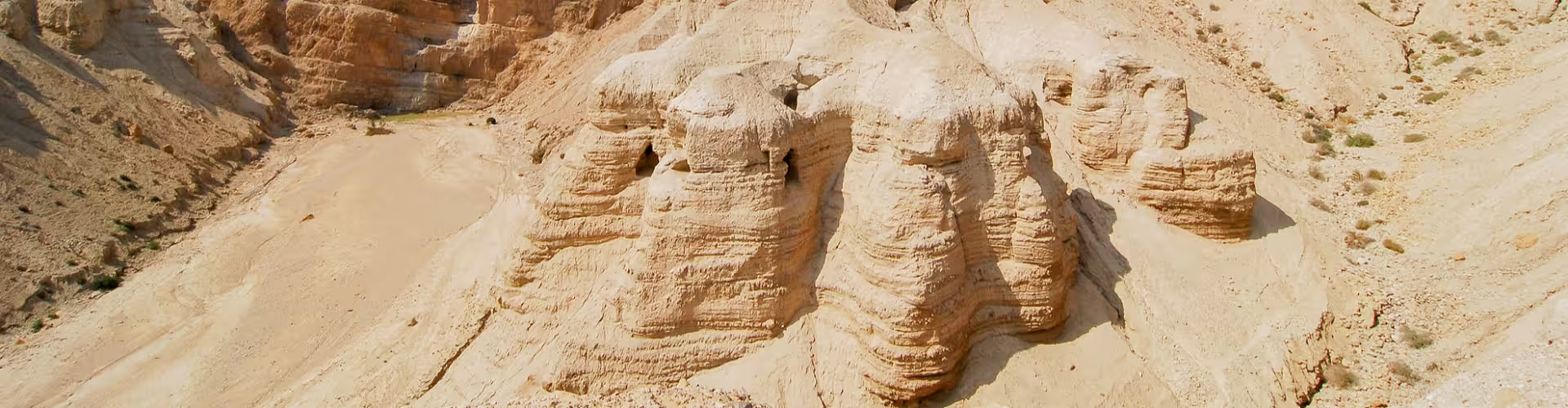


Qumran Caves are one of the most thought provoking archaeological landscapes in Israel, where stark desert scenery meets a story that shaped global religious and historical scholarship. The signature vibe is quiet, sun washed, and contemplative, with viewpoints that make the Dead Sea region feel both vast and intensely personal. Go now if you want a high impact cultural stop that pairs naturally with nearby Dead Sea viewpoints and desert drives, while still feeling focused rather than theme park busy.
Qumran Caves sit in the Judean Desert near the Dead Sea, within Israel, and close to the area of Kalya. The setting is defined by chalky cliffs, dry wadis, and wide open horizons that make distances look deceptively short. Most travelers route their visit through major transport hubs in Israel, then continue by road toward the Dead Sea corridor, combining Qumran Caves with nearby overlooks and shoreline stops as part of a single day plan.
This is a desert environment, so heat and sun exposure are central to planning. Cooler months generally make walking and viewpoint stops more comfortable, while hotter periods can compress your visit into early morning and late afternoon windows. Crowd levels tend to rise when overall Dead Sea travel rises, so if you want a calmer experience, aim for quieter travel days and arrive earlier to enjoy the landscape with fewer people in your photos.
Israel uses the Israeli New Shekel. For a smooth day in the Dead Sea region, carry a small amount of cash for incidentals and keep a card available for larger purchases, since connectivity and payment options can vary by venue and stop. Budget for transport first, then treat food and water as essentials rather than add ons, because the desert climate makes hydration non negotiable.
Use this list to build a visit that feels intentional, not rushed. The experiences below focus on what makes the site and its setting memorable, plus practical ways to get more value out of your time.
1) Explore the story behind the caves
The meaning of Qumran Caves is inseparable from the wider historical narrative of the area, which connects archaeology, ancient communities, and the preservation of texts. Even if you are not a specialist, understanding the basic context helps the terrain feel like a living archive rather than just desert rock. Practical tip, read a short primer before you arrive, then look for interpretive signage on site to connect the landscape to the history.
2) Photograph the desert cliffs and light
The Judean Desert has a high contrast beauty, pale stone, sharp shadows, and a wide sky that changes color quickly. This makes Qumran Caves especially rewarding for photographers who like texture and minimalism. Practical tip, plan for golden hour light and bring sun protection so you can shoot comfortably without cutting your visit short.
3) Pair the visit with Dead Sea viewpoints
One of the best ways to understand the setting is to connect the caves with nearby Dead Sea scenery. The visual shift from cliffside desert to the sea basin adds depth to the experience and makes the day feel like a complete regional story. Practical tip, group your stops by geography so you are not zigzagging, and keep extra water in the car.
4) Take a slow, observation first approach
This is not a destination that rewards speed. The quiet atmosphere around Qumran Caves is part of the appeal, and noticing small details in the rock and landscape can be as satisfying as ticking off a checklist. Practical tip, build in unstructured time, then use it to pause at viewpoints and let the site sink in.
5) Learn the broader Judean Desert context
The desert setting is a key character in the story, shaping where people lived, traveled, and preserved what mattered to them. Framing the visit as part of the Judean Desert, not only a single attraction, makes the experience more coherent. Practical tip, connect your visit with a short scenic drive through the Dead Sea region to understand scale and isolation.
6) Plan a comfortable, sun smart visit
Heat, glare, and dry air can impact how long you can stay engaged. Taking care of basics, water, hat, sunscreen, and comfortable footwear, directly improves what you get out of Qumran Caves. Practical tip, pack a small day bag with water and salty snacks, then set a reminder to hydrate even if you do not feel thirsty.
7) Add a cultural stop in the wider area
Many travelers combine the caves with other cultural or nature stops in the Dead Sea corridor to create a balanced day. This helps avoid fatigue from too much sun exposure in one stretch. Practical tip, alternate outdoor time with an indoor or shaded stop nearby, especially in warmer months.
8) Build a respectful, low impact visit
Archaeological landscapes are fragile, and the desert can preserve traces for a long time. Treat Qumran Caves as a heritage site first, and a photo opportunity second. Practical tip, stay on marked paths, avoid climbing on sensitive areas, and keep your voice low to match the contemplative atmosphere.
Start early to take advantage of cooler temperatures and softer light. Visit Qumran Caves first, then spend time at nearby viewpoints that overlook the Dead Sea basin to understand the geography that shaped the region. Finish with a relaxed meal stop and a short scenic drive, keeping the day simple and linear so you are not spending your best hours in transit.
On day one, focus on Qumran Caves and the immediate surroundings, giving yourself time to read, observe, and photograph without rushing. On day two, explore more of the Dead Sea corridor and Judean Desert landscapes, prioritizing viewpoints and short walks that deepen your sense of place. If you have a third day, keep it flexible for a slower pace, revisiting a favorite viewpoint at a different time of day, or adding an additional heritage focused stop in the region.
The caves themselves are a heritage site, but your day in the Dead Sea region is better with a plan for simple, satisfying Israeli flavors. Use these as reliable choices when you stop for food nearby.
Most visitors reach Qumran Caves by road as part of a Dead Sea itinerary, since distances and desert conditions make walking between major stops impractical. If you are self driving, keep fuel and water topped up and download offline maps in case mobile coverage drops in parts of the corridor. For travelers without a car, consider organized transport options that bundle multiple Dead Sea region stops into one route, which can reduce planning stress and limit time spent waiting in the sun.
Accessibility and comfort are strongly linked to weather here. Wear stable footwear for uneven surfaces, bring sun protection, and plan shaded breaks. Keep an eye on heat exposure, especially for children and older travelers, and do not underestimate how quickly the desert can dehydrate you.
Earlier hours are typically more comfortable in the desert, with softer light for photos and less heat buildup. Late afternoon can also be scenic, but plan your water and sun protection carefully.
If you are not self driving, consider organized transport that includes multiple Dead Sea region stops in one route. This can simplify logistics and reduce time spent exposed to the sun between locations.
Plan enough time to move slowly, read interpretive material, and pause at viewpoints. Many travelers combine the visit with nearby Dead Sea scenery, so your total outing may be longer than the cave stop alone.
Bring water, sun protection, and stable footwear suitable for uneven desert surfaces. A small day bag with salty snacks can help you stay comfortable in the dry climate.
Yes, Qumran Caves pair naturally with Dead Sea viewpoints and other corridor stops because they share the same desert setting. The key is to plan a linear route so you minimize backtracking and maximize your time outside the car.