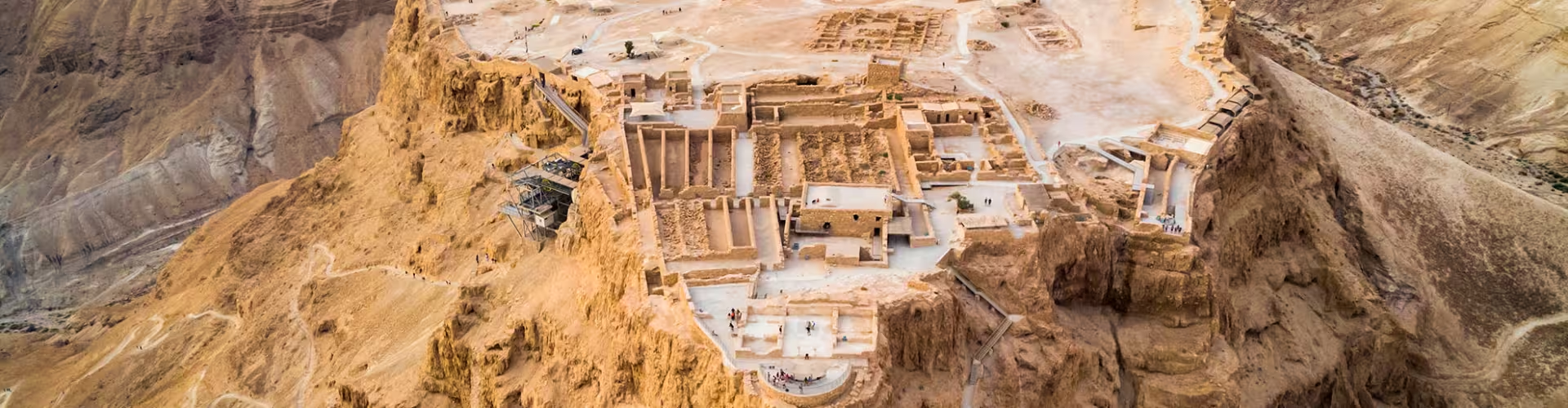


Masada is a dramatic desert fortress rising above the Dead Sea, known for sweeping views, intense history, and a sense of scale that photographs rarely capture. The signature vibe is stark and cinematic, with quiet mornings, sunlit stone, and big skies that make every step feel purposeful. Go now if you want a high impact, half day to full day experience that pairs naturally with the Dead Sea region and Israel’s desert landscapes.
Masada sits in southern Israel near the Dead Sea, in a landscape of arid cliffs, salt flats, and wide open horizons. Travelers commonly route through Jerusalem or Tel Aviv as major gateways, then continue toward the Dead Sea area for a day trip or an overnight base. The setting feels remote, but it is often combined with nearby desert stops, lookouts, and Dead Sea shoreline experiences.
The Dead Sea region is defined by strong sun and desert conditions, so timing shapes the experience as much as the site itself. Earlier starts tend to feel calmer and more comfortable, while midday can be more intense on exposed paths and stone surfaces. If you want fewer crowds and better walking conditions, plan around cooler parts of the day and keep your schedule flexible for weather.
Israel uses the Israeli new shekel, and travel costs can vary depending on whether you visit Masada independently or as part of a guided day tour. Cards are widely used in Israel, but it is still smart to keep some cash for small purchases, quick snacks, and incidental transport needs. Build a small buffer into your budget for water, sun protection items, and any add ons that make a desert day more comfortable.
1) Explore the Fortress Plateau
The plateau experience is the core of Masada, a place where the desert wind, stone ruins, and distant Dead Sea views combine into a powerful atmosphere. Walking the site helps you grasp how strategic the location is and why it became such a lasting symbol in regional history. Practical tip, move slowly and pause at viewpoints, the light changes fast and the best photos often come from still moments rather than rushing.
2) Take in Dead Sea Views from the Cliffs
From the heights, the Dead Sea looks like a sheet of blue glass set into a pale desert basin. The contrast between water and wilderness is part of what makes Masada feel so iconic, it is not only a historic site, it is a landscape experience. Practical tip, bring a lens cloth, desert dust and sun glare can affect phone photos more than you expect.
3) Walk a Scenic Approach Route
Approaching the site on foot adds a sense of arrival, you feel the scale of the cliff and the isolation that shaped the fortress story. This is where the desert environment becomes the main character, with heat, silence, and wide horizons. Practical tip, wear closed toe shoes with grip and carry more water than you think you need.
4) Join a Guided Tour for Historical Context
A guide can turn stones and foundations into a coherent narrative, connecting the ruins to the broader story of Judea, Rome, and the Dead Sea frontier. If you are visiting on a tight schedule, a tour can also streamline logistics and timing. Practical tip, confirm what is included, especially transport, pacing, and how much walking is involved.
5) Pair the Visit with a Dead Sea Stop
The natural pairing is Masada plus the Dead Sea region, which balances history with an unmistakable landscape and wellness vibe. Many travelers like the contrast, ancient fortress first, then shoreline time afterward. Practical tip, pack a separate bag with water, sandals, and a towel so you do not have to reorganize everything mid day.
6) Photograph the Desert Light
The site is built for photography, long lines, textured stone, and a horizon that seems to stretch forever. Even simple shots feel cinematic because the setting is so minimal and bold. Practical tip, if you can choose, aim for softer light earlier or later in the day for more depth and less harsh shadow.
7) Look for Quiet Corners Away from Groups
Even when the main paths are busy, you can often find calmer edges where you hear only wind and footsteps. These pauses make the visit feel more personal and reflective, which suits the atmosphere of Masada. Practical tip, step aside from the flow, take a sip of water, and let the site settle in before moving on.
8) Build a Desert Day Kit
The experience is significantly better when you plan for exposure, sun, and dry air. A hat, sunscreen, water, and a light layer can make the difference between a rushed walk and an enjoyable exploration. Practical tip, keep essentials accessible, you do not want to dig through your bag repeatedly under strong sun.
Start early and focus on the core plateau walk at Masada, prioritizing viewpoints and the main ruins while the air feels fresher. Spend time on a scenic approach and then slow down once you reach the top, the best value is in absorbing the scale and the desert panorama. Afterward, continue into the Dead Sea area for a contrasting experience, then return to your base in Jerusalem or Tel Aviv depending on your route.
Use day one for Masada with a guided layer, then add a relaxed Dead Sea session with time for shoreline views and rest. On day two, explore more of the surrounding desert region, lookouts, and roads that reveal how the terrain shapes travel and settlement in this part of Israel. If you have a third day, keep it flexible for slower pacing, additional viewpoints, and unhurried photography, desert destinations reward patience.
Food around the Dead Sea region and on travel days in Israel often leans practical and portable, with familiar local staples that travel well in heat.
Most travelers reach Masada as a day trip from major hubs like Jerusalem or Tel Aviv, either by rental car, organized tour, or a combination of regional transport options. On site, walking is the main way to experience the fortress area, so footwear and pacing matter as much as route planning. For safety and comfort, treat this as a desert outing, carry water, protect yourself from sun exposure, and be realistic about mobility needs on uneven surfaces.
It works well as a day trip, especially if you start early and keep your schedule focused. An overnight nearby can help you slow down and pair it more comfortably with the Dead Sea region.
Plan at least a half day if you want to walk, pause at viewpoints, and take photos without rushing. A full day makes sense if you are combining it with a Dead Sea stop.
Wear closed toe walking shoes and bring sun protection such as a hat and sunglasses. Lightweight clothing helps with heat, and a light layer can be useful if conditions change.
Yes, many travelers pair Masada with the Dead Sea because they are in the same region. Pack a separate kit so you can transition easily between walking and shoreline time.
It can be done by joining an organized tour from major hubs like Jerusalem or Tel Aviv. Independent travel may require more planning and flexibility depending on your chosen connections.