Jerusalem

logoBlack

Build your dream
experience

dreamimg

More to know about Jerusalem


Jerusalem Travel Guide

Jerusalem is a city of living history, layered faith traditions, and everyday street life that shifts block by block. Ancient stones, bustling markets, and quiet courtyards sit side by side, creating a destination that feels both intense and deeply reflective. This guide focuses on practical decision support, what to prioritize, how to plan your time, and how to experience Jerusalem with context and care.


Snapshot

Jerusalem delivers a signature mix of sacred landmarks, walkable old quarters, and modern neighborhoods with cafes and galleries. The vibe is immersive and sensory, incense and spices, bells and calls to prayer, sunlit limestone, and late afternoon shadows. Go when you can give it unhurried attention, because the city rewards travelers who slow down and follow a thoughtful plan.


🗺️ Geography and Logistics

📍 Orientation: Where is it within Israel and Israel?

Jerusalem sits in the central highlands of Israel, inland from the Mediterranean coast. Most travelers connect via the country’s main international gateway and then continue overland, with the city also serving as a hub for exploring nearby historic and desert landscapes. The terrain is hilly, so distances can feel longer than they look on a map, especially within older areas.

🕒 When to Go: Seasonal breakdown. Weather patterns vs. crowd levels.

Expect warm, bright summers and cooler winters, with shoulder seasons often feeling more comfortable for long walks and outdoor sightseeing. Crowd levels tend to rise during major holidays and peak travel periods, which can affect access to popular sites and the overall pace in the Old City. If you prefer a calmer experience, plan your days around early starts and aim for quieter hours at headline landmarks.

💰 Budget & Currency: Practical money tips, local price levels, and card vs. cash advice.

Plan for a wide range of spending, from street food and casual eateries to higher end dining and guided experiences. Cards are commonly used, but keeping some cash helps for markets, small purchases, and tips where appropriate. Build flexibility into your budget for spontaneous stops, a museum you did not expect to love, a snack break, or a short ride when hills and heat add up.


⭐ Essential Things to Do

Old City Quarter Walk
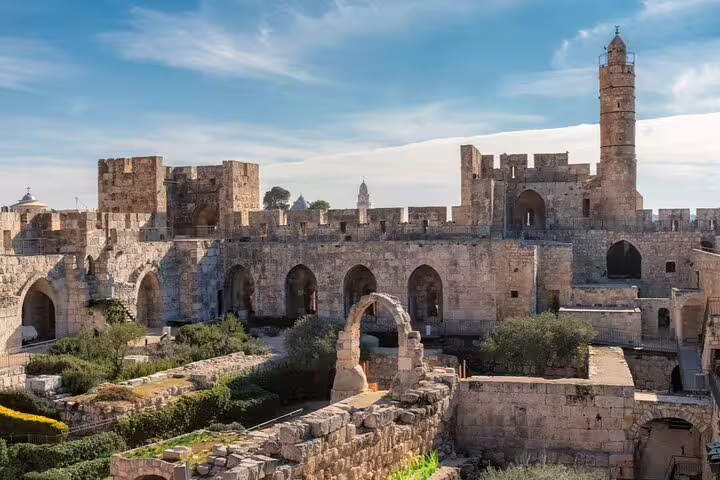
The Old City is the emotional core of Jerusalem, where sacred sites and daily commerce share the same narrow lanes. Walking here is about more than checking boxes, it is about noticing how neighborhoods change in sound, scent, and rhythm. Practical tip: start early, wear stable shoes, and bring water, because the stone streets can be uneven and the hills are real.

Western Wall Area
This is one of the most significant Jewish prayer sites in the world, and the atmosphere can be powerful even for non religious visitors. Time spent here is often quiet and reflective, with a steady flow of worshippers and travelers. Practical tip: dress modestly, keep your voice low, and allow extra time for security and peak hour crowds.

Church of the Holy Sepulchre
For many Christians, this is among the most important places of pilgrimage, and it is also a vivid example of the city’s layered history. The interior can feel intense, with tight corridors, candles, and a constant movement of groups. Practical tip: go earlier in the day for more breathing room, and be patient with slow moving lines inside.

Al Aqsa Mosque and the Haram al Sharif Compound
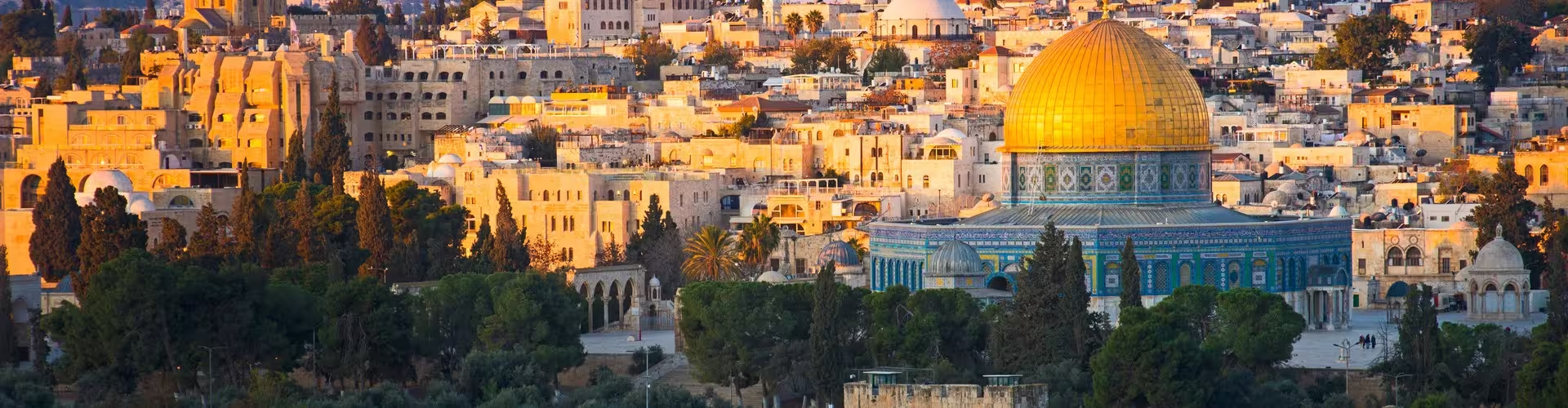
This compound is deeply sacred in Islam and central to the city’s spiritual geography. Even from exterior viewpoints, the architecture and skyline presence are defining elements of Jerusalem. Practical tip: research entry requirements and etiquette in advance, and plan your day with flexibility in case access procedures change.

Mahane Yehuda Market Experience
This market is a snapshot of contemporary city life, with produce stalls, bakeries, spice shops, and quick bites. It is ideal for tasting local flavors, watching daily routines, and picking up edible souvenirs. Practical tip: visit once in the daytime for shopping and again later if you want a livelier dining scene.

Yad Vashem Visit
A visit here is sobering and essential for understanding modern Jewish history and the wider context of the region. Many travelers find it emotionally heavy but important, and it often reframes what they have seen elsewhere in the city. Practical tip: schedule it for a morning when you can take your time, and leave space afterward for a quiet walk or a low key meal.

Mount of Olives Viewpoints
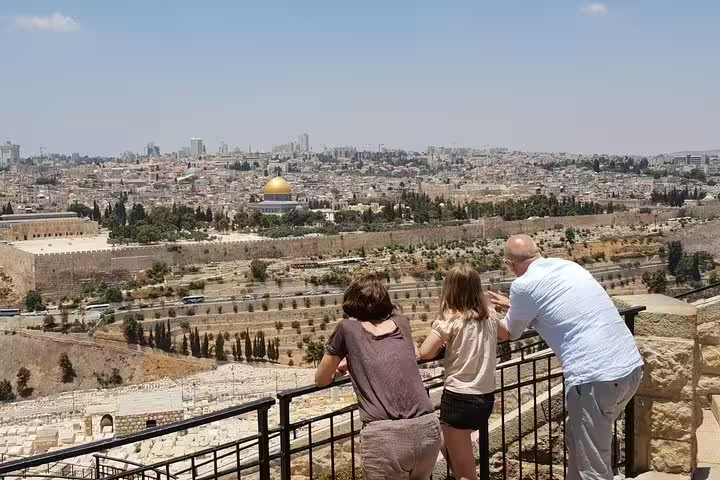
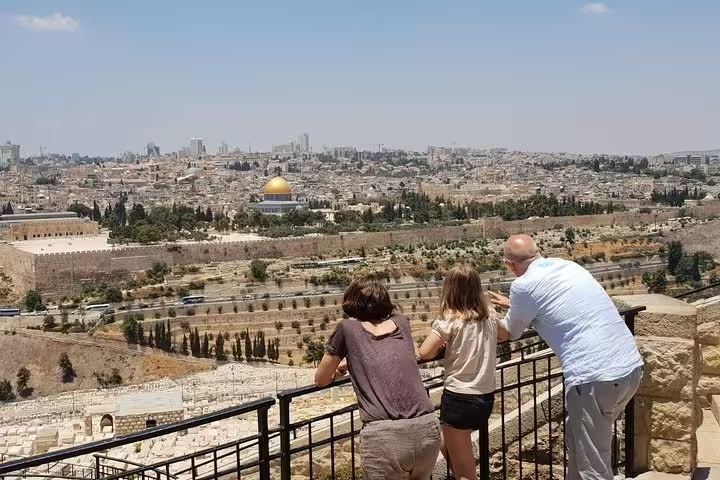
The elevated views help you understand the city’s layout, the Old City walls, and the surrounding hills. It is also a place where history and faith traditions intersect in a very visible way. Practical tip: aim for late afternoon light for photos, and consider a short ride if you want to save energy for more walking later.

Ein Kerem Neighborhood Stroll
This hillside area offers a different pace, with a village like feel, small lanes, and a calmer atmosphere than the center. It is a good counterbalance to the intensity of the Old City and major landmarks. Practical tip: plan for slow wandering, and check your route beforehand, because the streets can be steep and winding.


🚶 Curated Itineraries

⏰ The Highlights (1 Day): A fast paced Best Of route.

Start early with an Old City walk, focusing on a clear sequence so you do not backtrack on steep lanes. Prioritize one major faith landmark that aligns with your interests, then add a second only if timing and energy allow. In the afternoon, shift to a viewpoint such as the Mount of Olives to connect the dots geographically, then finish with an evening food stop at Mahane Yehuda Market for a lively, modern contrast.

⏰ Deep Dive (2-3 Days): Adding neighborhood exploration and local secrets.

Day one can mirror the one day highlights, but with more time inside key sites and a slower Old City pace. Use day two for modern and reflective context, pairing Yad Vashem with a calmer neighborhood walk later, such as Ein Kerem, so the day has emotional balance. If you have a third day, revisit your favorite area at a different hour, add more market tasting, and leave room for spontaneous discoveries, because Jerusalem often reveals its best moments when you are not rushing.


🍽️ Flavors of Jerusalem

Hummus
Creamy, nutty, and often served warm with olive oil and toppings that change the texture and richness. Ordering tip: ask for it with fresh pita and share a few small plates so you can try more than one style.

Falafel
Crisp on the outside, herbaceous inside, usually tucked into pita with salads and sauces. Ordering tip: request extra tahini and pickles if you like brighter, sharper flavors.

Shawarma
Savory, spiced meat shaved into a pita or plate, satisfying after a long day of walking. Ordering tip: choose a mixed salad topping for freshness, and ask what sauces are popular at that spot.

Sabich
A hearty pita filled with eggplant, egg, and tangy elements that balance richness with acidity. Ordering tip: if you are unsure, ask for a moderate amount of spicy sauce first, then add more as you go.

Jerusalem bagel
Sesame coated, slightly sweet, and great for snacking while sightseeing. Ordering tip: pair it with a simple spread or dip, and buy it when it is fresh and still warm.

Halva
Dense, sweet sesame confection with a crumbly, melt in the mouth texture. Ordering tip: sample a small portion before committing, because flavors and sweetness levels vary.

Fresh pomegranate juice
Bright, tart, and refreshing, especially after walking hills in warm weather. Ordering tip: ask if it is pressed to order, and drink it soon for the best flavor.


🚌 Navigation & Transport

Many top sights are walkable, especially within and around the Old City, but the hills and stone steps can be demanding. Public transit can help connect neighborhoods and reduce uphill climbs, while ride sharing and taxis are useful when time is tight or you are traveling with limited mobility. For safety and comfort, keep valuables secure in crowded areas, stay aware in busy markets, and plan accessible routes in advance if stairs and uneven surfaces are a concern.


🌄 Beyond the Center: Day Trips

Bethlehem
A short trip from Jerusalem that many travelers pair with religious history and local culture. Travel time varies based on routing and checkpoints. Primary reason to visit: significant pilgrimage sites and a distinct local atmosphere.

Dead Sea
An iconic landscape that feels otherworldly, with dramatic desert scenery. Travel time varies depending on your starting point and route. Primary reason to visit: a unique natural setting and a memorable contrast to the city’s stone and hills.

Jericho
Often considered among the world’s oldest cities, offering a strong sense of antiquity and desert edge geography. Travel time varies. Primary reason to visit: historical depth and a different regional feel from the highlands.

Masada
A powerful historical site set against desert views, commonly paired with a Dead Sea day. Travel time varies. Primary reason to visit: dramatic setting and a story that resonates strongly in regional history.


✅ Insider Tips for Travelers

  • Start early in the Old City to avoid peak crowds and to enjoy softer light on limestone streets.
  • Dress modestly at religious sites, and carry a light layer that can adapt to changing conditions.
  • Keep a flexible schedule for sites with changing access procedures, and have a backup plan nearby.
  • Use viewpoints to understand the city’s layout, it makes later walking routes easier to plan.
  • In markets, move slowly and stay aware of your belongings, especially in tight lanes.
  • Pack comfortable shoes with grip, because stone streets and steps can be slippery.
  • Balance intense historical visits with calmer neighborhoods or parks to avoid fatigue.

❓ Frequently Asked Questions, FAQ

How many days do you need to see the main sights?
One day can cover highlights at a fast pace, but it will feel rushed. Two to three days allows time for major landmarks, viewpoints, and at least one calmer neighborhood.

Is the Old City walkable for first time visitors?
Yes, but expect uneven stone paths, steps, and frequent crowds. Good walking shoes, water, and an early start make the experience much easier.

What is the best time of day for viewpoints like the Mount of Olives?
Late afternoon often brings softer light and clearer city textures for photos. It can also be a good way to end a day after visiting indoor or crowded sites.

Do you need cash for markets and small food stops?
Cards are widely used, but cash is still helpful for smaller purchases and quick snacks. Carrying a small amount can save time when you are moving between sights.

What should I prioritize on a first trip to Jerusalem?
Focus on an Old City walk, one or two major religious landmarks, and a market visit to connect history with everyday life. Add a viewpoint to understand the geography of Jerusalem and tie your itinerary together.