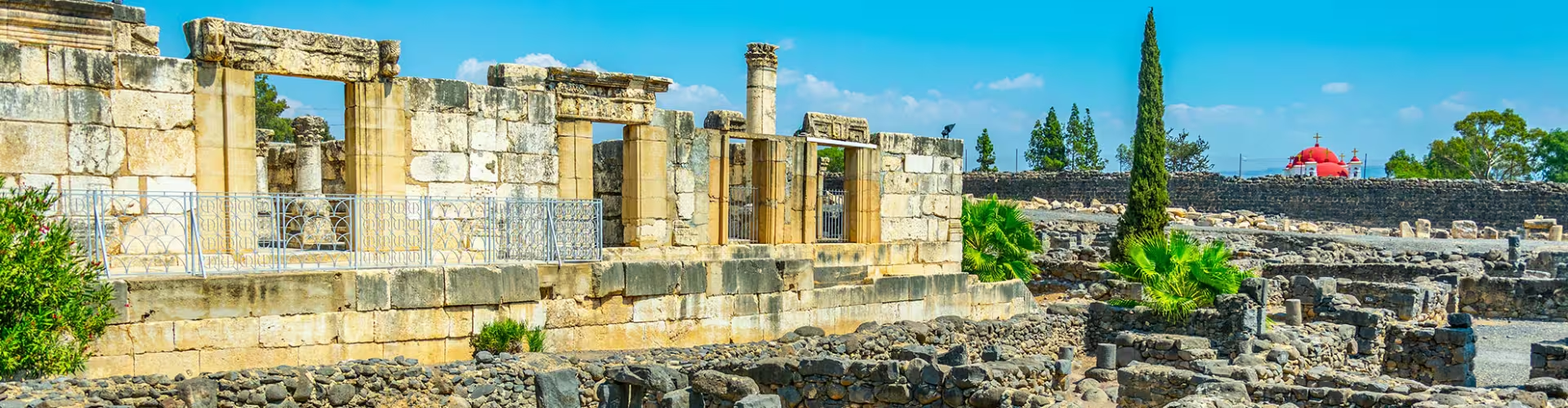


Capernaum is one of the most atmosphere rich stops on the Sea of Galilee, where archaeology, shoreline views, and layered history come together in a compact, walkable visit. The experience feels quiet and reflective, with stone ruins and open skies setting the tone for slow exploration and thoughtful photography. It suits travelers building a northern Israel route that balances cultural depth with easy logistics.
Capernaum delivers a calm, heritage focused outing beside the Sea of Galilee, with ruins that invite you to imagine daily life across centuries. The signature vibe is contemplative and scenic, best enjoyed at an unhurried pace with time for shoreline views. Go now if you want a high impact historical site that fits neatly into a day of Galilee touring without complicated planning.
Capernaum sits on the shores of the Sea of Galilee in northern Israel, making it a natural anchor for a wider Galilee itinerary. Most travelers route through major hubs such as Tel Aviv or Jerusalem, then continue north by car or organized tour toward the lake region. Once you are in the Sea of Galilee area, the site is typically approached as part of a cluster of nearby lakeside stops.
Expect a classic Mediterranean pattern across Israel, with hotter, brighter stretches in summer and cooler, more changeable conditions in winter. Shoulder seasons often feel more comfortable for walking through exposed ruins, since shade can be limited at archaeological sites. If you prefer a quieter visit, aim for earlier arrival in the day, since popular Galilee routes can concentrate visitors into late morning and midday windows.
Israel uses the Israeli New Shekel, and travelers generally find cards widely accepted in the country, especially in towns and tourist corridors. For small purchases and incidental expenses, carrying some cash is still useful, particularly when you are moving between multiple stops in the region. Budget wise, plan for transportation to be a key variable, since reaching the Sea of Galilee area often shapes the overall cost of a day in Capernaum.
Explore the archaeological ruins
Why it matters: The core experience in Capernaum is moving through stone remains that connect the site to deep historical narratives of the Galilee. Even without rushing, you can absorb a strong sense of place because the layout is legible and the setting is open. Practical tip: Wear shoes with good grip, since uneven stones and dusty paths are common in archaeological areas.
Walk the Sea of Galilee shoreline nearby
Why it matters: The lakeside setting is not just a backdrop, it shapes the mood of the entire visit, adding light, breeze, and wide horizon lines to the ruins. A short shoreline walk helps break up the site visit and makes the experience feel less like a checklist. Practical tip: Bring sun protection, since lakeside glare can be strong even when temperatures feel mild.
Photograph the stone textures and open vistas
Why it matters: Capernaum rewards detail focused photography, from weathered blocks to long sight lines toward the water. The contrast between pale stone and blue lake creates naturally striking frames. Practical tip: For cleaner photos, pause and look for angles that reduce crowds, such as tighter compositions on architectural details.
Pair it with a wider Sea of Galilee circuit
Why it matters: The site works best as part of a regional story, since the Sea of Galilee area offers multiple complementary viewpoints and cultural stops. This gives you variety, ruins and scenery, without long transfers. Practical tip: If you are self driving, map your stops in a loop to avoid backtracking around the lake.
Take a slow, reflective route through the site
Why it matters: Many travelers rush archaeological sites, but Capernaum benefits from a slower pace that lets you notice layout, scale, and how the setting relates to daily life by the lake. The quiet tone is part of the appeal, especially for travelers seeking meaningful travel moments. Practical tip: Put your phone away for a few minutes, then revisit key viewpoints for photos after you have taken in the atmosphere.
Use the visit as a cultural anchor for northern Israel
Why it matters: In itinerary planning terms, Capernaum is a strong anchor stop that can justify spending more time in the Galilee rather than treating it as a quick pass through. It helps balance city focused travel with a landscape and heritage day. Practical tip: Consider staying in the Sea of Galilee area if you want a less rushed experience across multiple sites.
Start your morning with Capernaum while energy is high and the light is softer for photos. Spend time on the ruins first, then take a short shoreline pause to reset before continuing your Sea of Galilee route. In the afternoon, keep your plan flexible, add one or two nearby lakeside viewpoints, then finish with a relaxed meal in a town around the lake.
On day one, focus on Capernaum and give yourself enough time to walk slowly, take breaks, and revisit your favorite viewpoints. On day two, build a broader Galilee day around the Sea of Galilee, combining scenic stops with additional historical or cultural sites in the region. If you have a third day, use it for a slower pace, add nature time, and plan your driving to avoid repeating the same roads.
Food in the Sea of Galilee region typically overlaps with classic Israeli favorites, easy to find in nearby towns and roadside stops. Use these as a practical tasting checklist during your visit to Capernaum and the wider area.
Most visitors reach Capernaum as part of a day trip by car or organized tour, since the Sea of Galilee region is commonly explored through multi stop routing. Once on site, the experience is primarily on foot, with short walking distances but uneven surfaces typical of ruins. For comfort and safety, prioritize stable footwear, bring water, and plan for sun exposure, since shade can be limited in open archaeological settings.
Yes, it fits naturally into a Sea of Galilee circuit and does not require complex planning on site. It works well as a morning anchor before adding other lakeside viewpoints.
Many travelers find that a focused visit can be done in a short window, but it feels more rewarding with extra time for slow walking and photos. Build in a buffer if you want a shoreline pause.
Choose comfortable clothing for sun and heat, plus sturdy footwear for uneven stone surfaces. Bring water and sun protection, since shade can be limited in open areas.
Capernaum is commonly visited by car or organized tour as part of a wider northern Israel route. If you are not driving, consider a day tour that links multiple Sea of Galilee stops efficiently.
Yes, pairing Capernaum with a town around the Sea of Galilee is a practical way to add meals and services to your day. It also helps balance ruins and scenery with a more relaxed break.