Jakarta

logoBlack

Build your dream
experience

dreamimg

More to know about Jakarta

Jakarta Travel Guide


Snapshot

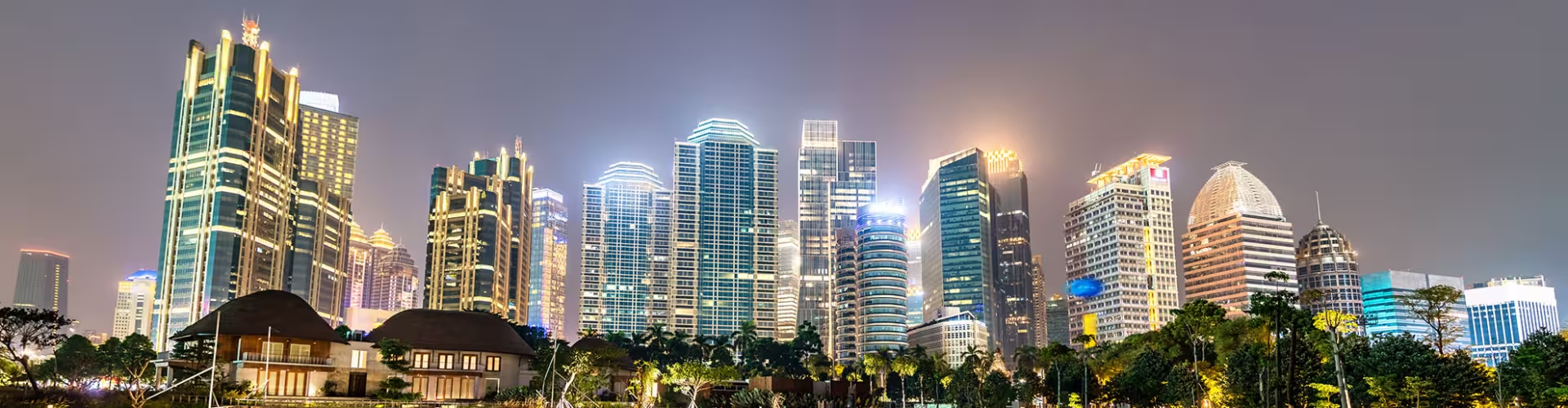
Jakarta is a high-energy capital where colonial-era streets, modern malls, and street food culture collide in one sprawling, constantly moving city. Come for the mix of heritage districts, contemporary art spaces, and a dining scene that runs from humble warungs to polished rooftops. It is a destination that rewards travelers who like big-city rhythm, layered history, and practical, plan-ahead exploring.


🗺️ Geography and Logistics

📍 Orientation: Where is it within Java and Indonesia?

Jakarta sits on the northwest coast of Java, facing the Java Sea, and functions as Indonesia’s primary national hub for government, business, and transport. As the main gateway for many international arrivals, it is commonly used as a starting point for broader Java routes that continue toward Bandung, Yogyakarta, or East Java. Plan your stay by anchoring yourself to one or two key areas per day because distances can feel short on a map but long in real time.

🕒 When to Go: Seasonal breakdown

Expect a tropical climate with warm temperatures year-round, plus a wetter period and a drier period that can influence comfort and sightseeing pace. In wetter stretches, build your day around indoor-heavy stops like museums, galleries, and malls, then use clearer windows for outdoor heritage walks. Crowd levels often track school holidays and weekends, so aim for early starts on popular days to keep the experience calmer.

💰 Budget & Currency

Indonesia uses the rupiah, and daily costs can vary widely depending on whether you focus on street food, mid-range cafés, or high-end dining and hotels. Cards are commonly accepted in malls, hotels, and many restaurants, but cash is still useful for small eateries, markets, and quick purchases. Keep small denominations on hand, confirm totals before paying when it is busy, and store your main cash separately from your day wallet for smoother city days.


⭐ Essential Things to Do

Old Town Heritage Walk
Explore the historic core where you can feel how trade and colonial-era urban planning shaped the city’s earliest layers. The atmosphere is best when you slow down and focus on architecture, street scenes, and small museums. Practical tip, go earlier in the day for softer light and a less hectic pace.

National Museum Style Deep Dive
A museum visit helps you connect Jakarta to the wider story of the archipelago, from cultural artifacts to national narratives. It is a strong choice when weather pushes you indoors, or when you want context before exploring neighborhoods. Practical tip, allocate enough time to read exhibits rather than rushing through highlights.

Monument and City View Stop
A landmark viewpoint is a quick way to understand the city’s scale, and why planning by area matters. Seeing the skyline and major arteries makes it easier to map your next stops and anticipate travel time. Practical tip, visit at a cooler time of day and pair it with nearby attractions to reduce backtracking.

Modern Mall Culture and Food Courts
Malls in Jakarta are social spaces, not just shopping centers, and they offer air-conditioned breaks, cafés, and wide-ranging food options. They are also a practical base for meeting friends, using ATMs, and finding reliable conveniences. Practical tip, use malls as midday reset points between outdoor walks.

Contemporary Art and Creative Spaces
Modern galleries and creative hubs show how the city thinks about identity, design, and pop culture right now. They provide a different angle from heritage districts, and they are often located near good coffee and casual dining. Practical tip, check if a venue has timed entry or special exhibitions, then build your day around that window.

Street Food Evening Circuit
Evenings are prime time for tasting the city’s flavors, from grilled skewers to rich soups and sweet iced drinks. The appeal is the sensory mix of smoke, spice, chatter, and quick service that keeps you moving. Practical tip, start with one or two small portions, then repeat what you love at the next stop.

Neighborhood Café Crawl
A café crawl is an easy way to experience local lifestyle, especially in areas known for design-forward interiors and specialty coffee. It is also a comfortable way to fill gaps between bigger attractions without overcommitting to travel time. Practical tip, save pinned locations on your map and group them by neighborhood.

Sunset Rooftop or Skyline Bar
A rooftop stop reframes Jakarta as a modern metropolis and gives you a memorable end-of-day moment. It is ideal after a day of walking because it is relaxing and photo-friendly. Practical tip, dress slightly smarter than daytime streetwear and arrive before sunset to secure a good table.


🚶 Curated Itineraries

⏰ The Highlights (1 Day)

Start with a heritage-focused morning in the old town area, then transition to a museum visit to ground what you saw in broader context. After lunch, head to a major landmark viewpoint or central district stop to get your bearings and understand the city’s scale. Finish with an evening street food circuit, then cap the night at a rooftop for skyline views if you want a calmer close.

⏰ Deep Dive (2-3 Days)

Day 1, focus on history and city orientation, pairing old town streets with a museum and a landmark stop. Day 2, dedicate the morning to contemporary art and creative spaces, then use a mall break as a practical reset before a café crawl in the afternoon. Day 3, keep flexible for neighborhoods you enjoyed most, repeat favorite food stalls, and schedule your most time-sensitive experiences earlier to reduce stress from traffic.


🍽️ Flavors of Jakarta

Nasi goreng, smoky fried rice that can be savory, slightly sweet, and deeply comforting. Ordering tip, ask for your preferred spice level and consider adding an egg for a fuller meal.

Mie goreng, stir-fried noodles with a rich, savory profile and satisfying chew. Ordering tip, request extra vegetables if you want more balance.

Sate, grilled skewers with aromatic seasoning and a bold sauce profile depending on the style. Ordering tip, start with a small order, then reorder once you find your favorite stall.

Soto, a fragrant soup that feels especially good in air-conditioned settings or after a long walk. Ordering tip, ask what condiments are available, then add gradually to control heat and acidity.

Gado gado, a vegetable-forward dish with a creamy, nutty sauce that makes it hearty rather than light. Ordering tip, mix thoroughly so the sauce coats evenly, then adjust with chili if offered.

Es teh manis, sweet iced tea that cuts through spice and refreshes fast. Ordering tip, if you prefer less sugar, ask for it to be less sweet when possible.


🚌 Navigation & Transport

Jakarta is best explored with a mix of walking, ride-sharing, and public transit depending on the neighborhood and time of day. Walk when you are exploring compact heritage streets or doing a café crawl, but switch to ride-sharing for cross-city hops to reduce fatigue. Public transit can be useful on certain corridors, and it is often more predictable than driving during peak congestion.

For safety, keep your phone secure in crowded areas, avoid flashing valuables, and build buffer time into every transfer. Accessibility can vary widely, so if you have mobility needs, prioritize modern malls, larger museums, and newer districts that tend to have smoother sidewalks and clearer entrances.


🌄 Beyond the Center: Day Trips

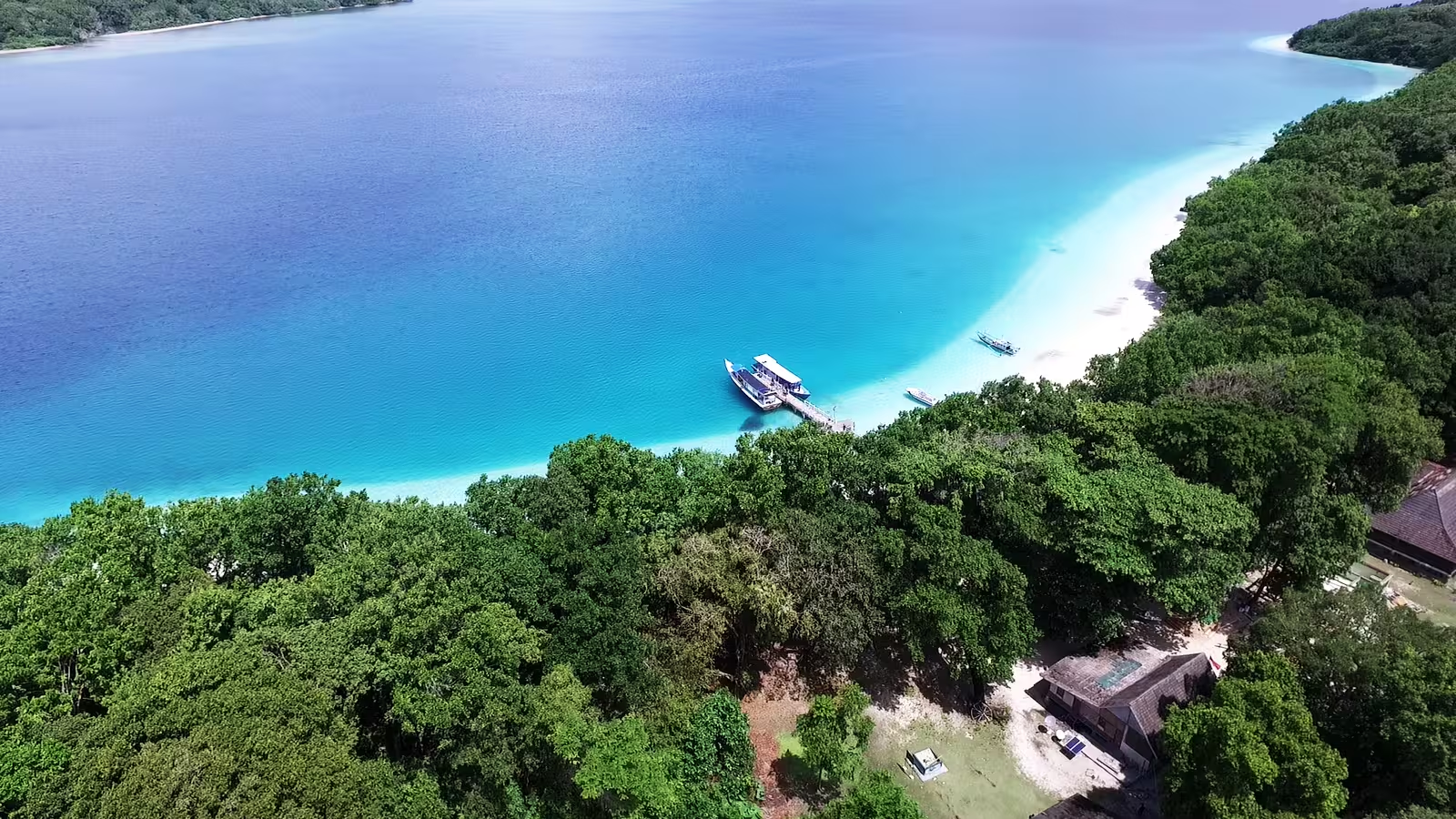
Thousand Islands, a sea escape from the city’s pace, popular for beach time and a change of scenery. Travel time varies by departure point and boat route, so plan a morning start and confirm return options.

Bogor, known for a cooler-feeling break from the capital’s intensity and a slower day-trip rhythm. Travel time depends on traffic and transport choice, so leave early and keep your schedule light.

Bandung, a common add-on for travelers who want a different city vibe and a contrast to Jakarta. Travel time varies, and it can work as a long day trip or an overnight depending on your pace.

Puncak, a highland direction that appeals when you want greenery and a more relaxed atmosphere. Travel time can stretch on busy days, so go on weekdays if you can and start before the rush.


✅ Insider Tips for Travelers

  • Group your day by neighborhood, then commit to fewer long transfers to reduce time lost in traffic.
  • Start early for heritage walks, then schedule indoor stops for the hottest or wettest part of the day.
  • Carry small cash for markets and street food, and keep a separate stash for backup.
  • Use malls as practical hubs for ATMs, clean restrooms, and a quick cool-down between outdoor stops.
  • Order small portions on your first street food stop, then repeat the best dishes later.
  • Dress for humidity and sudden rain, lightweight layers and a compact rain cover help.
  • Build buffer time into every plan, especially if you have timed activities or reservations.

❓ Frequently Asked Questions, FAQ

How many days do I need for Jakarta?
One day covers major highlights if you plan tightly by area. Two to three days is better for mixing heritage, museums, and food without rushing.

What is the best way to get around the city?
Use walking for compact areas, then combine public transit and ride-sharing for longer hops. Always add buffer time because congestion can affect schedules.

When is the best time of day to explore heritage areas?
Morning is usually more comfortable for walking and photography. It also helps you avoid the busiest periods later in the day.

Is Jakarta good for food-focused travelers?
Jakarta is excellent for eating across budgets, from street stalls to polished dining rooms. Go in the evening for the widest street food energy and variety.

Can I do day trips while staying in Jakarta?
Yes, Jakarta works as a base for sea and inland escapes, but travel times can vary by traffic and departure point. Start early and keep your plan flexible.