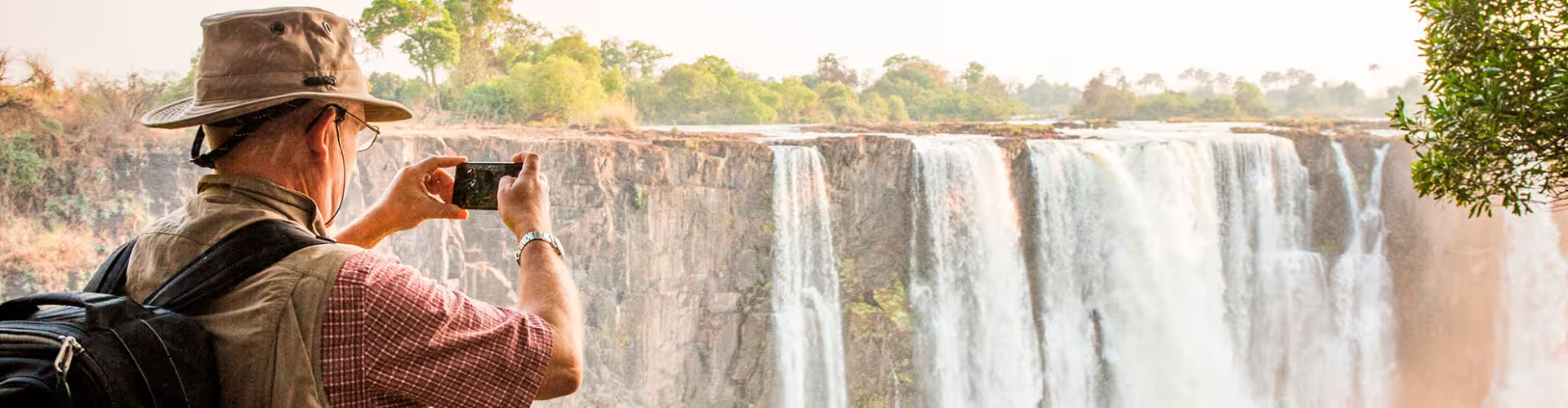


Victoria Falls travel guide readers come for one of Africa’s most iconic natural spectacles, where thundering water, rainforest mist, and big sky horizons create a high-energy, cinematic atmosphere. The signature vibe is equal parts wild nature and polished adventure hub, with viewpoints, river activities, and easy add-ons that can fill a day or a long weekend. Go now if you want a destination that feels instantly legendary, yet still practical to plan, with clear routes, walkable highlights, and memorable experiences that do not require complicated logistics.
Victoria Falls sits in northwestern Zimbabwe, right on the Zambezi River and close to the borders with Zambia and Botswana. The town of Victoria Falls functions as the main base for exploring the falls, the river, and nearby parks, with many tours starting from central hotels and lodges. For most travelers, the simplest approach is to fly into a nearby gateway airport, then transfer into town, and use short drives or walks for the main viewpoints and activity launches.
Timing shapes the experience because water levels influence both visibility and the feeling of raw power. Higher flow periods typically mean heavier spray and dramatic roar, which can reduce clear views but amplify the atmosphere. Lower flow periods often improve visibility of the rock face and gorges, and can make some activities easier to schedule, while the overall destination remains rewarding year-round.
Victoria Falls is a compact tourism town, so costs can feel higher than in other parts of Zimbabwe, especially for guided activities and transfers. Plan for a mix of card and cash, since smaller vendors and tips can be easier with cash, while many established operators accept cards. A practical strategy is to set a daily activity budget, then prioritize one “big ticket” experience and balance it with self-guided viewpoints and relaxed riverfront time.
1) Victoria Falls viewpoints and rainforest walks
The core experience is seeing the falls from multiple angles, where the sound builds as you approach and the air cools with mist. The rainforest sections feel lush and atmospheric, especially when spray is high, and the viewpoints help you understand the scale of the Zambezi cutting into basalt. Practical tip, go early for softer light and fewer people, then return later if you want a different mood and stronger spray.
2) Zambezi River sunset cruise
A sunset cruise is the easiest way to slow the pace after the intensity of the falls, trading thunder for wide water, warm light, and wildlife spotting. It adds a “why this place is special” layer by showing the river as a living ecosystem, not just a waterfall. Practical tip, bring a light layer for the breeze and keep your camera ready, sunset color changes quickly.
3) White-water rafting below the falls
Rafting delivers a different perspective, with the gorge walls rising above you and the river turning into a powerful, technical ride. It is one of the most adrenaline-forward options in the region and a signature reason many travelers extend their stay. Practical tip, confirm fitness requirements with your operator and secure small valuables, the river environment is wet and high-impact.
4) Helicopter or microlight scenic flight
From the air, the falls make immediate geographic sense, you can trace the Zambezi’s path, see the plume of spray, and appreciate the surrounding landscape. This is also a strong choice if you want a once-in-a-lifetime photo set that ground viewpoints cannot replicate. Practical tip, choose a morning slot for clearer visibility and steadier light.
5) Victoria Falls Bridge and gorge viewpoints
The bridge area is a classic photo stop, pairing engineering history with dramatic river scenery as the Zambezi funnels into the gorge. It is also a useful connector viewpoint that helps you orient yourself between Zimbabwe and Zambia. Practical tip, aim for late afternoon if you want warmer tones on the stone and steel.
6) Adventure activities, bungee, gorge swing, zipline
Victoria Falls is built for adventure, with multiple operators offering high-thrill activities that let you experience the gorge’s depth and scale in a visceral way. These experiences are not just about adrenaline, they are about interacting with the landscape. Practical tip, book ahead in busier periods and ask about photo packages so you can decide if you want to pay for media later.
7) Guided nature and wildlife experiences
Beyond the waterfall, the region’s draw includes wildlife and river ecology, which can be easier to interpret with a guide who knows where animals feed and how to read tracks. A guided outing balances the more commercial feel of the activity hub with a quieter, learning-focused experience. Practical tip, take neutral-colored clothing and keep voices low, you will see more when you blend into the environment.
8) Local markets and craft shopping
Markets are where you can connect with local artistry, from carvings to textiles, and bring home something that carries a story. It is also a good way to add culture to an itinerary that might otherwise be waterfall and adrenaline heavy. Practical tip, browse first, compare quality, and agree on a price before you commit.
Start with the main falls viewpoints while temperatures are cooler and light is gentle, then take a break for lunch and a short reset. In the afternoon, add one signature activity, such as a scenic flight or a gorge experience, depending on your comfort level. Finish with a Zambezi River sunset cruise for a calmer, golden-hour finale that contrasts beautifully with the morning’s intensity.
Day 1 focuses on the falls, multiple viewpoints, rainforest atmosphere, and an unhurried pace that lets you return to your favorite lookouts. Day 2 adds a major adventure block, such as rafting or a bungee-style activity, plus time to explore markets and low-key town stops. Day 3 is ideal for a day trip, a wildlife-focused outing, or a second pass at the falls in different conditions, which often becomes the moment travelers remember most.
Sadza, Zimbabwe’s staple maize meal, is hearty and neutral, designed to pair with stews and sauces. Ordering tip, ask what it is served with today and choose a protein or vegetable relish that sounds most local.
Nyama, grilled or stewed meat, is often savory and satisfying, especially after a long day outdoors. Ordering tip, ask for the house style and whether it comes with sides, so you can avoid over-ordering.
Kapenta, small fish with a salty, crisp profile when fried, is a classic regional flavor. Ordering tip, it pairs well with simple starches, so consider sharing if you are trying multiple dishes.
Roadside grilled snacks, quick bites cooked over coals, are convenient between tours and transfers. Ordering tip, choose busy stalls where turnover is high for fresher food.
Local beers and soft drinks are common choices for winding down after the heat and spray. Ordering tip, ask what is most popular locally and consider a non-alcoholic option if you have an early start the next day.
Victoria Falls town is relatively compact, so some areas are walkable, especially for short hops between central hotels, shops, and tour pick-up points. For the falls access points, activity launches, and day trips, most travelers use pre-arranged transfers through tour operators or taxis, since timing and distances can vary by activity. Keep basic safety habits, avoid walking alone at night in quiet areas, keep valuables discreet, and confirm pick-up times and meeting points in writing to reduce last-minute confusion.
Chobe National Park (Botswana) is a popular add-on for a wildlife-heavy day, especially if you want a classic safari contrast to the waterfall experience. Travel time depends on border and transfer logistics, so plan an early start and confirm documents in advance.
Zambia side viewpoints offer another angle on the falls and can be a strong choice if you want to compare perspectives. Travel time is generally short, but border procedures can add unpredictability, so keep your schedule flexible.
Zambezi River upper stretches are ideal for calmer water experiences and nature-focused time away from the crowds. Travel time is typically manageable from town with an operator transfer.
Local villages and cultural visits can add context to the region beyond the headline attraction. Travel time varies by program, and it is best done with a reputable guide who prioritizes respectful, community-led interactions.
Start with the main viewpoints early, then schedule one signature activity in the afternoon. End with a slower experience like a river cruise to balance the day.
One day covers the essentials, but 2 to 3 days lets you add rafting, a scenic flight, and a day trip without rushing. This Victoria Falls travel guide approach works well for most travelers.
Some central areas are walkable, but many activities rely on operator transfers or taxis. Confirm pick-up points clearly, especially for early starts.
Bring a light rain layer, water protection for your phone or camera, and comfortable walking shoes. The spray can be intense, and paths can feel damp.
No, the Zambezi River, adventure sports, markets, and wildlife add depth to the destination. A well-planned Victoria Falls travel guide itinerary mixes viewpoints with river time and at least one cultural or nature-focused experience.