
Zimbabwe travel guide travelers come for big-sky landscapes, powerful history, and a mix of wildlife, river adventures, and city culture that feels grounded and real. The signature vibe is adventurous but unhurried, with iconic natural wonders paired with warm, everyday hospitality. Go now if you want a destination that rewards curious planning, with standout highlights spread across several regions that are best enjoyed with a flexible route.
Zimbabwe is a landlocked country in Southern Africa, with major travel corridors linking key hubs and national parks. Most trips combine at least two regions, such as the Victoria Falls area, the central plateau around Harare, and the wildlife-rich zones that connect by road or short flights. For planning a Zimbabwe travel guide itinerary, think in clusters, then connect them with the most time-efficient transport available for your schedule.
Seasonality shapes what you prioritize, especially for wildlife viewing, river activities, and waterfall conditions. Dry periods generally make wildlife easier to spot because animals gather around water sources, while wetter periods can intensify greenery and change road conditions in some areas. Crowd levels often track school holidays and peak safari months, so booking earlier helps if you want specific lodges, guides, or flight times.
Costs in Zimbabwe vary by region and travel style, especially if you add guided activities, private transfers, or safari lodges. Bring a mix of payment options, since card acceptance can vary, and keep small denominations for tips and day-to-day purchases. A smart Zimbabwe travel guide budget builds in a buffer for transport changes, park fees, and guided experiences, since these can shape the total more than meals or local purchases.
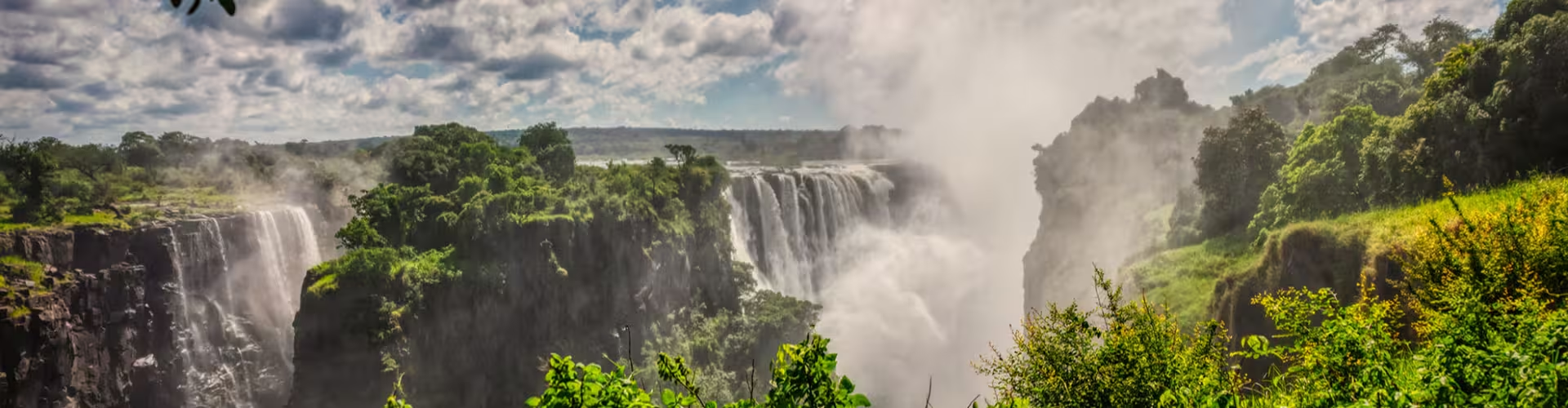
Victoria Falls viewpoints
This is one of Africa’s most famous natural spectacles, and it anchors many Zimbabwe travel guide itineraries for good reason. The experience is about scale, sound, and mist, and it changes dramatically with seasonal water levels. Practical tip: pack a light rain layer or poncho, and protect your phone or camera from spray for the best photo session.
Zambezi River experiences
The river sets the rhythm near the Falls, offering a calmer counterpoint to the thunder of the gorge. Time on the water helps you appreciate the ecosystem and the way life concentrates along the banks. Practical tip: aim for golden-hour light if you want the most atmospheric scenery and softer temperatures.
Safari time in a national park
A Zimbabwe trip feels incomplete without time dedicated to wildlife, whether you choose a classic game drive or a more immersive guided activity. The “why it matters” is the sense of space, and the chance to learn animal behavior from experienced guides. Practical tip: start early in the day for cooler air and better wildlife movement, and keep neutral clothing for blending into the landscape.
Harare culture and daily life
The capital adds context to any Zimbabwe travel guide, especially if you want to understand contemporary Zimbabwe beyond the headline attractions. It is a place for markets, galleries, and local dining that shows how modern life and tradition coexist. Practical tip: plan a daytime city route with pre-arranged transport, and keep your schedule flexible for spontaneous discoveries.
Bulawayo heritage and architecture
Bulawayo is often described as a heritage-rich city, with a different pace and feel from the capital. It works well as a cultural break between nature-focused stops, and it can deepen your understanding of regional identity. Practical tip: group your city sights by area to reduce transit time, and ask locally which museums or sites align best with your interests.
Great Zimbabwe ruins
This is one of the most meaningful historical sites in the country, and it adds depth to any Zimbabwe travel guide that aims to be more than a highlights checklist. The stone structures connect you to a powerful pre-colonial past and the legacy behind the country’s name. Practical tip: go earlier in the day for softer light, and consider a guide so the stories and symbolism are not lost.
Matobo Hills landscapes
Matobo’s scenery stands out for its granite formations and spiritual significance, creating a mood that feels both dramatic and contemplative. It is a strong choice if you want hiking, viewpoints, and cultural narratives in one place. Practical tip: wear shoes with grip, and bring water, since exploring the hills can be more physical than it first appears.
Lake Kariba downtime
Lake Kariba is about slowing down, watching the light change, and enjoying a different side of Zimbabwe that feels more restorative. It can be a refreshing contrast after faster-paced sightseeing, especially if you have been on early safari starts. Practical tip: plan at least one unstructured afternoon so you can fully enjoy the lake atmosphere without rushing.
Start with an early visit to key Victoria Falls viewpoints while temperatures are cooler and visibility is clear. Shift to a relaxed Zambezi River activity around late afternoon for softer light and a calmer pace. End with a low-key dinner plan, keeping your evening simple so you can reset for travel or an early start the next day.
Day 1: Focus on Victoria Falls viewpoints and a river-based experience to balance intensity with calm. Day 2: Add a safari day in a nearby park zone, prioritizing early departures and a guide-led approach for better animal behavior insights. Day 3: Use the extra day for cultural context in a city hub, or add a heritage stop such as Great Zimbabwe if your route allows, creating a fuller story-driven Zimbabwe travel guide experience.
Sadza
A staple with a comforting, hearty character, typically paired with vegetables, meat, or sauces. It is filling and designed for sharing-style meals. Ordering tip: ask what the house relish or stew pairing is, since the accompaniment defines the flavor.
Nyama
A broad, everyday term for meat dishes that often appear grilled or stewed. The taste profile depends on seasoning and cooking method, but it is commonly savory and satisfying. Ordering tip: if you can, ask how it is prepared, grilled versus stewed can change the experience.
Kapenta
Small fish that deliver a bold, salty-savory bite, often served with staples and greens. It is a strong choice if you want something distinctly local. Ordering tip: ask how it is cooked, crispy preparations can be more intense in flavor.
Muriwo
Leafy greens that balance richer dishes and bring freshness to the plate. The flavor is earthy and simple, letting other items shine while keeping the meal grounded. Ordering tip: ask what greens are in season for the best texture and taste.
Maheu
A popular local drink with a gently tangy profile that can feel refreshing in warm weather. It is often enjoyed as a casual, everyday beverage. Ordering tip: try it alongside street snacks or light meals for an easy pairing.
Chibuku
A traditional beer style that is part of local social culture in many areas. The taste can be distinctive compared with mainstream lagers. Ordering tip: if you are curious, start with a small serving and ask what locals recommend with it.
Zimbabwe travel is a mix of road journeys, short flights between key hubs, and local transport inside cities. Walking works best for concentrated areas and specific viewpoints, but distances between major attractions typically require a vehicle. For a smoother Zimbabwe travel guide experience, plan transfers with time buffers, keep essential items on you during long drives, and confirm meeting points clearly when using drivers or tours.
In cities, use reputable options for getting around, especially after dark, and keep valuables discreet. If accessibility is a priority, plan ahead for terrain at natural sites, since viewpoints, paths, and heritage areas can include uneven surfaces and steps.
Great Zimbabwe
A powerful heritage day trip option if you are based within reach by road. The primary reason to go is historical depth, and a chance to connect the country’s modern identity with its earlier civilizations. Travel time varies by base, so plan an early start and confirm road conditions locally.
Matobo Hills
Ideal for a landscape-focused day with hiking potential and cultural significance. The main draw is the dramatic granite scenery and the sense of place it creates. Travel time depends on your starting city, so pair it with a simple meal plan and plenty of water.
Lake Kariba
A strong choice when you want a slower day that still feels distinctly Zimbabwean. The reason to visit is atmosphere, water views, and a change of pace from parks and cities. Because distances can be long, consider it as an overnight add-on if you want to avoid a rushed day.
Bulawayo heritage areas
If you are nearby, Bulawayo works well for a culture-forward day that balances nature-heavy itineraries. The main reason is to explore museums, architecture, and local life at a calmer pace. Plan your route by grouping sites to reduce transit time.
Plan by clustering stops into regions such as Victoria Falls, a safari area, and one cultural hub. This reduces long backtracking drives and makes transfers more predictable.
Two to three days can cover a signature highlight plus one additional experience, but a longer trip allows a better balance of nature, wildlife, and heritage. Add buffer time if you are connecting distant regions by road.
Carry a mix, since card acceptance can vary by place and by region. A practical approach is to keep cash for small purchases and tips, then use cards where they are accepted.
Dry periods often make wildlife easier to spot, while wetter periods can bring greener landscapes and different waterfall conditions. A good Zimbabwe travel guide plan matches your dates to your priority, safari viewing or dramatic water flow.
Yes, you can pace it with short viewpoint visits and a calmer Zambezi River experience rather than stacking high-adrenaline activities. Many Zimbabwe travel guide itineraries work well with a slower rhythm if you plan fewer, higher-quality experiences per day.