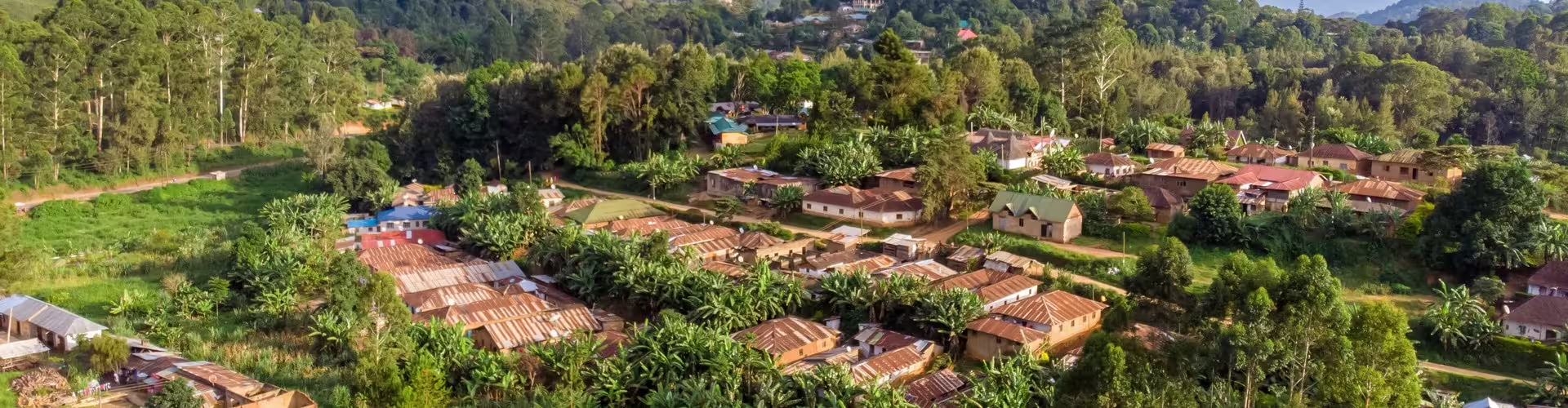
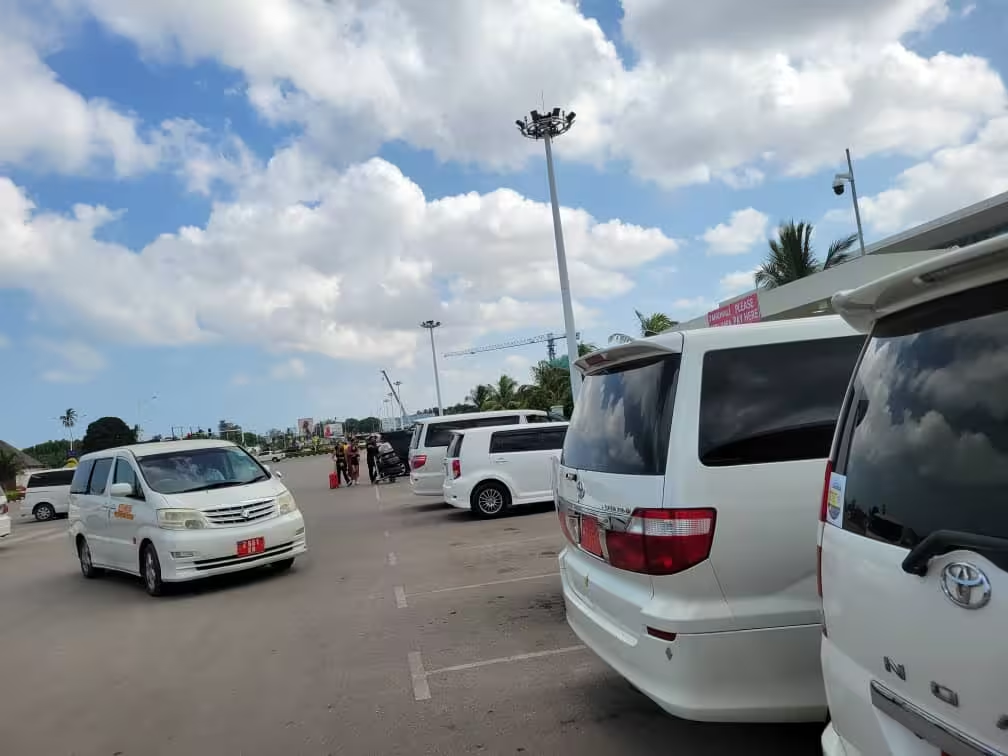
Laid back and richly storied, Tanga rewards travelers who love places with character. On the northern shore of Tanzania, this Indian Ocean port balances Swahili heritage, coral rag ruins, green mountains, and long beaches where time stretches with the tide. Within an hour or two, you can step into ancient caves, wander centuries old mosques, breathe cool forest air in the East Usambara Mountains, and drift over shallow reefs near Pangani. It is an easy going base for travelers who prefer real coastal life to big resort bustle.
The limestone labyrinth of the Amboni Caves is the region’s headline experience. Paths thread through cool chambers and narrow passages, then open into vaulted halls hung with stalactites. Local guides share stories of spirits, hidden chambers, and the caves’ place in community memory. The formations are impressive, but the mood is what lingers, the hush, the echo, the filtered light that turns rock to sculpture. Visit early to enjoy the quiet and to feel the temperature drop as you step inside from the coastal heat.
Wear shoes with a decent grip, carry a small torch for detail spotting, and keep your camera ready at the widest chambers. Pair the caves with an afternoon wander through Tanga City for a full picture of the area, underground and above.
South of the city, the Tongoni Ruins sit in a coconut grove near a quiet creek. Roofless mosques and coral stone tombs mark what was once a busy Swahili Coast settlement connected to trade routes that reached Arabia and India. The tombstone carvings, mihrabs, and weathered Arabic script speak softly of that maritime world. Bring a little imagination, look through the arches to the sea, and you will feel the ghost of sails on the horizon.
Sites like Tongoni anchor Tanga Region in a wider ocean story. They connect today’s fishermen and dhow builders to centuries of coastal craft, commerce, and faith. A visit adds context to your beach time and turns a pretty shoreline into a history lesson under the palms.
Northwest of town the Amani Nature Reserve protects one of Africa’s biodiversity jewels in the East Usambara Mountains. Trails climb through montane forest, a cool green counterpoint to the coast. Birdwatchers come for endemics, hikers for fern filled ravines and views that reach the ocean on a clear day. The air smells of leaves and rain. Waterfalls lace the ridges. Even a short walk delivers butterflies, birdsong, and a sense of stepping into an older, slower landscape.
At Magoroto Forest Estate you can kayak on a crater like lake wrapped in spice trees, then picnic under the canopy. Simple pleasures feel luxurious here, cool water, shade, mountain breezes. Spend a night if you can to wake with mist over the forest and tea warming your hands.
South of Tanga City, the historic town of Pangani settles along the river mouth with shuttered houses and slow rhythms. Nearby beaches like Ushongo feel wonderfully open, palm fringed and unhurried. Offshore, Maziwe Island Marine Reserve appears at low tide as a salt white sandbank. Snorkeling reveals coral gardens alive with reef fish, and the ride out is half the joy, blue sea, salt on your lips, and the curve of the coast to guide you home.
Between July and October humpback whales migrate along the Pemba Channel. Conditions vary, but when seas are kind you might glimpse a plume or a tail on the horizon during a longer boat day. Year round, the Indian Ocean rewards simple outings, line fishing with a local captain, a sunset paddle, a morning swim before breakfast. If you prefer activity, steady trade winds make this coast inviting for kiteboarding at selected beaches when tides are right.
Tanga City is not a place of grand monuments. Its charm lies in the morning market buzz, faded colonial era facades, and cafés that serve strong coffee with views to the harbor. Walk the waterfront, watch dhows slide past the pier, then duck into side streets for fruit stalls and spice sellers. If you enjoy urban photography, this is a city of textures, peeling paint, carved doors, bicycle traffic, kids playing football at dusk. It is approachable and friendly, a gentle introduction to coastal life.
You can add a taste of the savanna to a coastal stay. West of Tanga, Mkomazi National Park stretches along the Kenyan border with broad views, big skies, and herds that gather near seasonal water. It is known for elephants, giraffes, and fine birding on open plains. The contrast with sea level Swahili culture is striking, and the road journey across sisal fields and red earth makes the day feel cinematic.
Tanga Region blends sea, history, and highland forest in a way that feels balanced and calm. The Amboni Caves carry the hush of deep time. The Tongoni Ruins give the coast a human story that reaches beyond the horizon. The Amani Nature Reserve and Magoroto Forest Estate cool the air and clear the mind. Beaches near Pangani invite bare feet, reef masks, and unhurried conversations under a star filled sky. If you want the Indian Ocean with personality, and days that move at your speed, Tanga is the right kind of coastal classic.
Design a trip that pairs reef time with forest trails and a little history for depth. Choose a base by the beach or in town, add guided visits to the Amboni Caves and Tongoni, then reserve a boat for Maziwe on a calm morning. When you are ready to shape the details, from transfers to tide friendly departures, Toursxplorer.com can connect you with thoughtful guides, reliable boats, and welcoming stays so that Tanga reveals its best side.