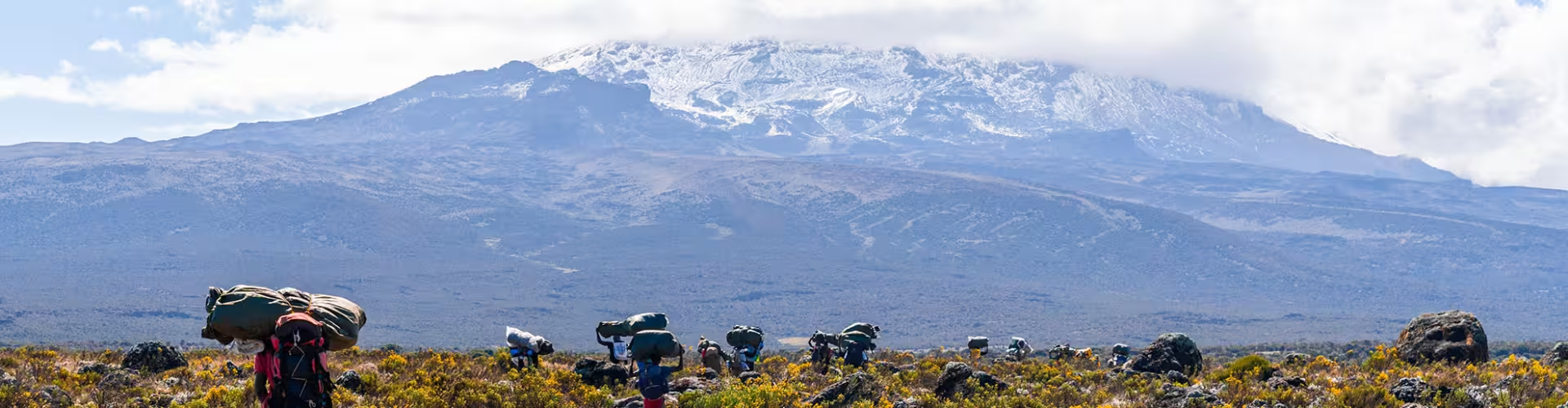


Kilimanjaro National Park rises above northern Tanzania like a continent of stone and ice, a free standing giant whose snow touched crown has inspired travelers for generations. Around the base, farmland and forest hum with life. Higher up, trails climb through heather and moor to the volcanic shoulders of Kibo, Mawenzi, and Shira. At the top waits Uhuru Peak, the highest point in Africa, a place where the morning light spills across the Rift Valley and the curve of the earth feels almost visible. For hikers who dream in horizons, Kilimanjaro National Park offers a journey that is as cultural as it is physical, as ecological as it is emotional.
The central landmark of Kilimanjaro National Park is Mount Kilimanjaro itself, a massive stratovolcano whose highest crater, Kibo, carries the summit sign of Uhuru Peak. Reaching this point is not technical mountaineering, it is sustained trekking at altitude, which makes the ascent accessible to determined walkers with thoughtful preparation. Summit day typically begins before midnight. Headlamps trace a slow constellation up the slope, steps measured, breaths counted, guides setting an unhurried pace. Then dawn arrives as a band of gold above the plains and the final meters pass almost like a dream. The wooden signboard appears, the air is thin and bright, and a continent lies at your feet.
The mountain’s shape tells its story. Kibo is broad and smooth, crowned by a crater rim and ash pits. Mawenzi is jagged and dramatic, a sculpted skyline to the east. Shira forms a high plateau with rolling heath and sweeping views. Together they compose the silhouette that travelers know from postcards and from the first time they look north from Moshi.
Several classic trails thread through Kilimanjaro National Park, each with its own rhythm and scenery. The Marangu Route follows a historic path with hut accommodation, a practical choice for travelers who prefer fixed beds and simple dining halls. The Machame Route offers dramatic variety, forest to ridgelines to the famous Barranco Wall, a playful scramble that is more exposure than difficulty. The quieter Lemosho Route crosses the Shira Plateau for wide sky camping and excellent acclimatization. Whichever you choose, the essence remains the same, climb high, sleep lower when possible, listen to your guide, and let the mountain set the pace.
Along these routes you will pass features that become friends by name, the cactus like groundsels of the moorland, the stark beauty of the Lava Tower, the wind etched surface of the alpine desert, and finally the crater rim with its lingering glaciers. Each zone feels like a different world connected by footsteps.
Kilimanjaro National Park is a living textbook of elevation. The lower slopes hold montane forest where colobus monkeys move through the canopy and the air smells of leaf and rain. Above that, heather and moorland spread under a clean sky, giant lobelia and groundsels rising like sculptures. The alpine desert is austere and lunar, a landscape of stone and light where the silence has its own voice. At the highest reaches, the mountain’s glaciers and snowfields form gleaming accents beside ash and scoria. This sequence of zones, compressed into a single ascent, explains why the climb feels like travel across biomes and seasons within days.
Life around the park is shaped by long knowledge of the mountain. The Chagga communities on the southern slopes cultivate coffee, bananas, and vegetables in rich volcanic soils. Trails pass farmsteads and villages where greetings are warm and everyday rhythms set a gracious pace. The gateway town of Moshi acts as staging point for expeditions. Outfitters review gear, guides conduct briefings, cooks assemble supplies, and trekkers settle last details before the forest swallow begins. Spending a day here adds dimension to the journey, a reminder that reaching Uhuru Peak is a shared effort between visitors and professionals who call this region home.
The high country of Shira unfurls like an African tundra, big sky, golden grasses, and isolated outcrops. Camps sit with panoramic views toward Mawenzi and the far plains. Sunsets here paint the entire plateau in honeyed tones.
On the Machame Route the Barranco Wall rises as a dark rampart. The ascent is hands on in places but steady and safe with guides. From the top, the traverse toward Karanga reveals a grand amphitheater of cliffs and valleys.
Strong acclimatizers who enter the crater under special arrangements can visit the steaming ash pit within Kibo. It is a stark reminder that this mountain is sleeping, not dead, heat lingering beneath the snow.
On the Marangu Route, the hut system adds a nostalgic alpine feel. Horombo Hut sits with long views and alpine plants at its doorstep. Kibo Hut rests under a vast bowl of stars, a launch point for midnight summit attempts.
Kilimanjaro National Park offers more than a summit. It offers a feeling, the steady rhythm of steps on volcanic dust, the smell of heather after a brief shower, the way a guide’s song drifts across camp at dusk. It is a climb where teamwork matters, where encouragement passes from tent to tent, and where sunrise at Uhuru Peak can move even quiet travelers to laughter and tears. Add warm days in Moshi and excursions to nearby parks after the trek, and northern Tanzania becomes a complete journey of mountains, wildlife, and generous hospitality.
Shape an itinerary that fits your pace, a gradual acclimatization on the Lemosho Route, a scenic traverse on the Machame Route, or a classic hut based climb on the Marangu Route. When you are ready to turn preparation into a well supported trek, Toursxplorer.com can connect you with experienced guides, thoughtful logistics, and route choices that match your goals. With the right plan and the right team, Kilimanjaro National Park becomes both a challenge and a joy, a summit day that continues to illuminate every step long after you return to sea level.