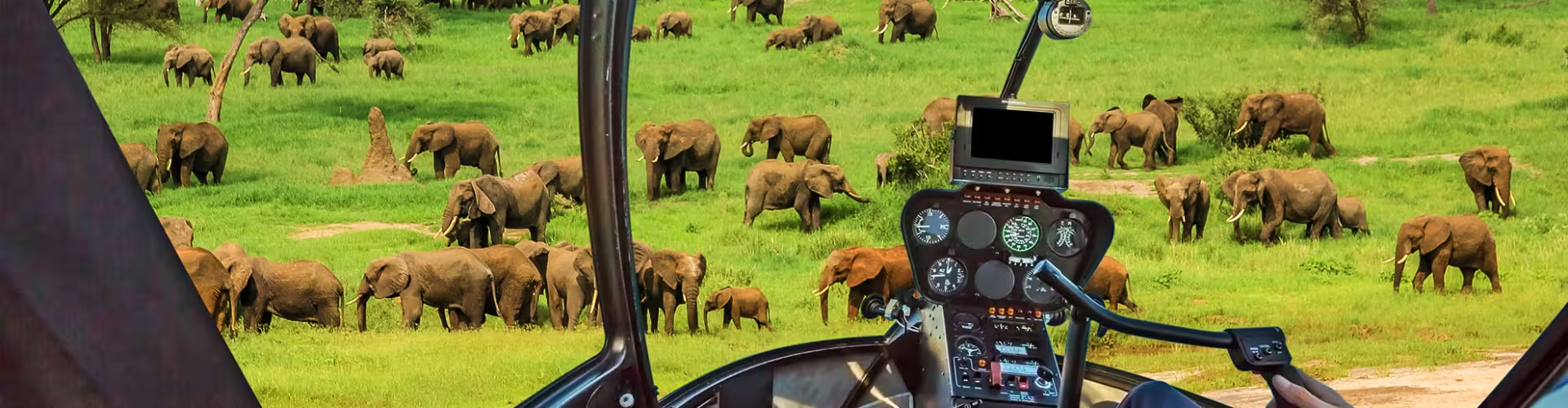


Tarangire National Park in the Arusha Region of Tanzania surprises many travelers. While neighbors often steal the spotlight, Tarangire rewards those who venture south of Arusha with riverine vistas, cathedral like baobab trees, and the largest congregations of elephants on the northern safari circuit. The life giving Tarangire River threads the park from north to south, drawing wildlife through long dry months and creating an ever changing stage for classic African scenes.
The Tarangire River defines both landscape and rhythm. In the dry season, wildlife moves in purposeful lines toward its pools, elephants hollowing out waterholes with their feet and tusks. Plains game clouds the riverbanks at midday, while predators watch from shaded thickets. In the greener months the same channel turns gentle, grass rises along its edges, and birdsong becomes a constant score. For first time guests, standing on a high bank and watching the procession below offers a complete introduction to why Tarangire National Park feels so alive.
Few sights linger like Tarangire’s monumental baobab trees. Older than memory, they punctuate hillsides and line tracks like ancient guardians. Elephant families browse around their bases at sunrise, giraffes silhouette against their giant limbs at sunset, and owls roost in hollows that resemble small caves. These trees give Tarangire National Park its distinctive identity, a gallery of natural sculpture that photographers adore.
The broad wetland of Silale Swamp spreads across the southern reaches, a mosaic of reeds and channels that stays lush when the rest of the park turns copper. Buffalo spread like dark beads across the green. Lions lounge near hippo paths, patient and unhurried. Birdlife is exceptional here, from Kori bustard and African fish eagle to the localized yellow collared lovebird. A slow loop around Silale Swamp often becomes the quiet highlight of a full day’s game drive.
Tarangire is elephant country. Herds numbering in the hundreds converge in the dry season, social dramas unfolding with trunks entwined and calves learning the language of dust and water. Your guide may stop the vehicle and switch off the engine as a matriarch leads her family past, the air filling with soft rumbles. Observing respectful distance, you can watch intimate behaviors that make a safari feel personal. In the green season, smaller groups spread out, and you meet them along quiet tracks, sunlight glittering off fresh leaves.
The park’s varied habitats support rich concentrations of wildlife. Zebra and wildebeest cross open glades, impala arc between acacias, and stately eland graze on the fringes. Lions claim river islands and sandbanks, leopards slip through riverine forests, and on rare days cheetah appear on cleared flats. Tarangire is also known for tree climbing pythons, especially around swamp margins. Termite mounds dot the landscape like miniature towers, and when abandoned, they become perfect homes for dwarf mongoose and bat eared foxes. Look closely and Tarangire reveals small delights that enrich the big game spectacle.
Travel to Tarangire National Park often begins in the Arusha Region, a lively hub that connects the Northern Circuit. En route you pass smallholder farms and the open grass of the Maasai Steppe. Many itineraries pair Tarangire with Lake Manyara or the Ngorongoro highlands, but the park merits unhurried time. Listening to your guide share stories of seasonal movements and traditional knowledge adds texture, reminding you that wildlife corridors and local communities are part of the same living map.
Tall matete reeds and acacia thickets flank channels near the river. These pockets are productive for elephants, bushbuck, and bird encounters at close range.
North of the main gate, river bends create elevated viewpoints. Early mornings here bring zebra silhouettes, mist lifting from pools, and soft light on baobab trees.
Tarangire lists hundreds of species, including Ashy starling and vulturine guineafowl. Raptors patrol thermals by midday, while weavers stitch grass nests over seasonal ponds.
The Arusha Region anchors the northern safari circuit of Tanzania, pairing logistical ease with remarkable diversity. Within a day’s travel you can move from volcanic highlands to river carved savanna, from crater rim forests to baobab valleys. Tarangire National Park adds its own voice to this chorus, a deep register of elephant rumbles, wind through palms, and quiet grass along the Tarangire River. Many guests describe a sense of intimacy here, a feeling that you are not chasing sightings, you are settling into a living ecosystem that reveals itself at a generous pace.
Plan at least two nights, ideally three, so you can trace different circuits, watch the river change with the sun, and feel the park’s rhythm settle around you. When you are ready to shape a thoughtful itinerary, Toursxplorer.com can help you connect game drives, southern swamp adventures, and relaxed camp time into a seamless experience. With the right pace, Tarangire National Park becomes a place you know, not just a place you visit.