
Build your dream
experience

More to know about Cape point
🌅 Cape Point, Western Cape’s Sentinel Of Sea And Stone
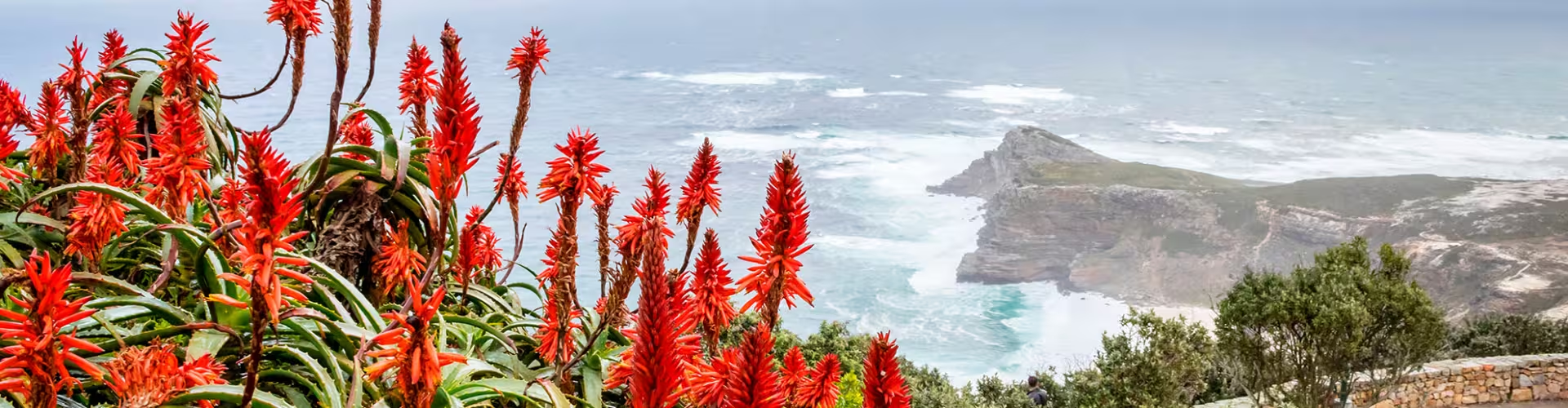
At the tip of the Cape Peninsula, where cliffs fall into blue water and seabirds ride the wind, Cape Point captures the wild spirit of the Western Cape. Set within Table Mountain National Park, this storied headland pairs sweeping coastal scenery with rich maritime history, rare plant life, and cliff top walks that feel close to the edge of the world. Travelers come for the views and stay for the quiet moments, from salt spray on granite to the scent of fynbos after an Atlantic breeze.
🏛 The Lighthouse Precinct, Beacons Above The Atlantic
The old and the new lighthouse
The signature landmark of Cape Point is its lighthouse terrace. The original Cape Point Lighthouse, built high on the ridge, once guided ships along this weathered coast. In poor visibility its position proved too elevated, so a second beacon was placed nearer the waterline to cut through fog and spray. Today visitors can stand on the upper terrace, read the history on interpretive panels, and watch the ocean trace chalk white lines across the reefs below.
Flying Dutchman Funicular and panoramic paths
The easiest way to reach the terrace is the Flying Dutchman Funicular, a short and scenic ride through fragrant fynbos. Those who prefer to walk can follow the stepped pathway that threads through proteas and rock gardens. At the top, the platform delivers a full sweep of the Atlantic Ocean, False Bay, and the serrated back of the peninsula. The light is beautiful in the early morning, and in late afternoon the cliffs glow with warm color. Keep an eye out for white churning lines that reveal powerful currents far below.
🧭 Cape Of Good Hope, A Promontory With Global Legend
Where navigation met ambition
A short drive or walk from the lighthouse area brings you to the signboard that marks the Cape of Good Hope. This rugged point has lived in maritime imagination for centuries. Sailors fought swirling winds and complex currents here on journeys that reshaped global trade. Standing on the rocks while waves fold into the coves, it is easy to understand why charts named and renamed these shores with awe and respect. The moment is simple, a photo and a smile, yet it connects you to a much wider story of exploration.
🏖 Diaz Beach And Secret Coves
Cliff wrapped sands with thunder in the surf
Down a boardwalk and a series of timber steps lies Diaz Beach, a magnificent crescent cupped by cliffs. The sand is unspoiled and the shore break can be powerful. It is a superb place to sit with a flask and watch the ocean fold against the land. For safety, treat the water with caution and respect posted signs. Back on the rim path, short turnoffs lead to pocket coves and viewpoints where kestrels hover and the wind carries the clean scent of salt and resin.
🌿 Fynbos, Wildlife, And Wind Shaped Landscapes
Plants that define the Cape Floristic Region
Cape Point is part of the globally significant Cape Floristic Region, a treasure house of endemic species. Proteas, ericas, and restios create a tapestry of forms that changes with the seasons. In spring, slopes sparkle with blooms. In midsummer, silver leaf and seedheads give structure to the hillsides. Sunbirds sip from tubular flowers, lizards warm on granite boulders, and tortoises graze hidden lawns between shrubs.
Animals on the move
On the road in you may see ostriches striding over dunes, bontebok grazing in open flats, and rock hyrax peering from ledges. Chacma baboons occasionally cross footpaths, so store food securely and keep distance. Along the shoreline, look for Cape cormorants doing lazy circuits above the swell and fur seals bobbing beyond the breakers. With a pair of binoculars, the coast turns into a living field guide.
🚶 Scenic Trails, Viewpoints, And Shipwreck Stories
Cliff paths with big horizons
Footpaths radiate from the lighthouse and car parks, each offering a different angle on the headland. The rim trail to the new lighthouse is especially rewarding, with drops to gullies carved by wind and water. Another favorite is the contour walk above Diaz Beach, where every step seems to rewrite the coastline in light and shadow. Wear sturdy shoes, carry water, and allow generous time since the views invite unhurried pauses.
Olifantsbos and the Shipwreck Trail
To feel the maritime past in your boots, drive to Olifantsbos and set out along the Shipwreck Trail. Iron ribs and weathered timbers rest in the sand, reminders of how unforgiving this coast can be. The track loops through low fynbos and along beaches marked by oystercatcher footprints. It is atmospheric walking, especially on cooler days when clouds race the horizon.
🛟 Tidal Pools, Picnics, And Family Friendly Stops
Buffels Bay and Bordjiesdrif
On the False Bay side, Buffels Bay and Bordjiesdrif offer tidal pools, grassy lawns, and braai spots well loved by locals. The water is calmer here, perfect for a low key break after the heights of the lighthouse. Pack a picnic, watch dassies nibble on shrubs, and listen to the soft percussion of small waves against stone. These bays show another face of Cape Point, gentle and unhurried.
🐧 Penguins, Harbours, And Coastal Villages Nearby
Boulders Beach in Simon’s Town
Many travelers combine a visit to Cape Point with a stop at Boulders Beach to meet the famous African penguins. Raised boardwalks and calm coves make it a delightful detour, especially in the morning. Further along the road, Simon’s Town shares naval heritage and seaside cafés, while Hout Bay and Kalk Bay add markets, galleries, and fresh seafood to a full peninsula day.
💡 Insider Tips For Visiting Cape Point
- ⏰ Arrive early. Light is best and viewpoints are quieter in the first hours of the day.
- 🌬 Check the wind. Conditions can shift quickly. Bring a warm layer, even in summer.
- 🥾 Wear proper footwear. Paths include steps and rocky sections. Good grip makes the day more comfortable.
- 🧃 Carry water and snacks. Services are limited once inside Table Mountain National Park.
- 📸 Top photo spots. The lighthouse terrace, the boardwalk over Diaz Beach, and lookouts facing False Bay.
- 🦍 Respect wildlife. Never feed baboons or penguins. Keep a safe distance and secure bags.
- 🚗 Plan a circular route. Combine Chapman’s Peak Drive on the Atlantic side with the False Bay road for varied scenery.
- 🎫 Allow time at the gate. Entry is controlled for conservation. A relaxed schedule keeps the day stress free.
💙 Why Visit Cape Town For A Cape Point Adventure
Cape Town gives rare access to wild nature on a city doorstep. In one unhurried day you can ride the Flying Dutchman Funicular, stand at the Cape of Good Hope, watch breakers roll into Diaz Beach, and share the shoreline with penguins near Simon’s Town. The mix of big scenery and small coastal details creates an emotional connection that travelers remember. The scale is grand, yet the experience is easy to reach and simple to enjoy.
🌟 Plan Your Cape Point Day
Choose sunrise over the city bowl, point your wheels toward the peninsula, and let the road curve with the cliffs. Whether you want dedicated hiking time or a relaxed circuit with photo stops and picnics, Toursxplorer.com can help you shape an itinerary that fits your style. With thoughtful planning, Cape Point becomes a day of clear air, open views, and a lasting sense of place.