
Build your dream
experience

More to know about Toubkal
Toubkal Travel Guide
Toubkal is a name that signals big mountain energy, rugged Moroccan landscapes, and a trip that rewards preparation. It appeals to travelers who want fresh air, dramatic scenery, and a sense of achievement, whether you come for a trek, a viewpoint, or the cultural rhythm of nearby communities. This guide focuses on practical decision support so you can plan with confidence and match your route, timing, and comfort level to the experience you want.
Snapshot
Toubkal feels bold and elemental, with a high-altitude atmosphere where the landscape sets the pace and the light changes fast. Go now if you want a destination that naturally pushes you offline, replaces noise with wide horizons, and makes simple comforts feel earned. The signature vibe is active and outdoorsy, with a strong emphasis on planning, pacing, and respect for mountain conditions.
🗺️ Geography and Logistics
📍 Orientation: Where is it within Taroudant and Morocco? Name key gateway airports or hubs.
Toubkal is associated with Morocco’s High Atlas mountain environment and is often approached via major transport hubs that connect the interior with the rest of the country. For international arrivals, travelers typically route through larger Moroccan gateway airports and then continue by road toward the mountain areas. If you are building an itinerary that also includes Taroudant and the Souss-Massa region, treat Toubkal as a separate mountain-focused segment that benefits from early starts and buffer time for road conditions.
🕒 When to Go: Seasonal breakdown. Weather patterns vs. crowd levels.
Mountain weather is the main variable that shapes a Toubkal trip. Warmer months generally make trails more straightforward but can bring stronger sun exposure and higher daytime heat at lower elevations, while colder months can introduce snow, ice, and rapidly changing visibility. Shoulder seasons can feel like the best balance for many travelers, but conditions can still be unpredictable, so flexibility matters more here than in a city break.
💰 Budget & Currency: Practical money tips, local price levels, and card vs. cash advice.
Plan to carry cash in Moroccan dirhams for small purchases and services in rural areas, where card acceptance can be limited. Budgeting for Toubkal is less about entry tickets and more about transport, guiding, food, and gear support, depending on your route and comfort level. Keep small denominations handy, confirm what is included before you commit to any service, and set aside a contingency amount for weather-related changes.
⭐ Essential Things to Do
Note: Experiences around Toubkal vary by season and route. Prioritize safety, realistic pacing, and local guidance where appropriate. If you are researching High Atlas trekking or a Toubkal trek itinerary, use the tips below to shape a plan that fits your time and fitness.
1) Summit-focused hike planning
The classic draw of Toubkal is the sense of working toward a clear goal in a dramatic mountain setting. Even if you do not summit, structuring your days around a major viewpoint creates a satisfying narrative for your trip. Practical tip: start early to maximize stable weather windows and bring layers so you can adjust as temperatures change.
2) Scenic acclimatization walks
Shorter hikes help your body adapt to altitude and help you learn how the terrain feels underfoot. They also deliver many of the same rewards, big skies, textured ridgelines, and quiet moments, without the pressure of a long push. Practical tip: treat your first day as a calibration day, keep the pace conversational, and watch for signs of fatigue.
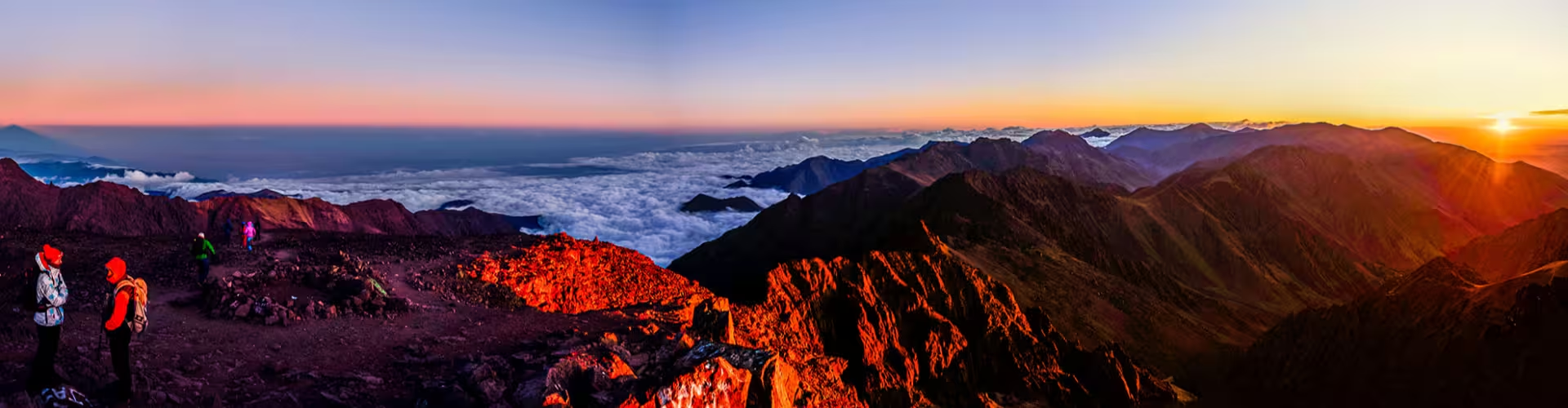
3) Photography sessions at golden hour
Mountain light can be striking, with sharp contrasts and fast-moving shadows that add depth to landscapes. A dedicated photo window makes your trip feel more intentional and reduces the temptation to rush. Practical tip: plan one sunrise or sunset session and keep your camera or phone warm and protected from dust.
4) Trail-side cultural awareness
A Morocco mountain adventure is not only about terrain, it also involves passing through lived-in spaces where daily routines continue regardless of visitor schedules. Observing respectfully, asking before photographing people, and keeping noise down adds to the authenticity of the experience. Practical tip: learn a few polite greetings and keep your clothing practical and modest for shared spaces.
5) Local food breaks as a pacing tool
Stopping for simple meals turns into a strategy for steady energy and better decision-making. Warm dishes and tea can be especially comforting when wind picks up or temperatures drop. Practical tip: eat before you feel drained, drink regularly, and keep a small snack accessible without unpacking everything.
6) Gear check and layering practice
The mountains reward travelers who can adapt quickly, and layering is often the difference between comfort and a miserable day. Treat your first outing as a real-world test of footwear, socks, and pack fit. Practical tip: carry a light insulating layer and a windproof outer layer even if the day starts warm.
7) Route planning with local guidance
Conditions can change quickly, and local knowledge helps you choose safer timing and more suitable routes. Guidance can also improve your understanding of the landscape and reduce navigation stress. Practical tip: agree on the plan, pace, and turnaround time in advance, and keep a conservative margin before dark.
8) A rest-and-recovery half day
Building a buffer day improves your odds of enjoying the best moments rather than simply enduring them. It also helps if weather disrupts plans or if you need extra recovery time. Practical tip: schedule recovery after your biggest effort and use the time for gentle walking, stretching, and hydration.
🚶 Curated Itineraries
⏰ The Highlights (1 Day): A fast-paced “Best Of” route.
Focus on one primary hike with a clear turnaround point, and treat the day as a quality-over-quantity experience. Start early, keep breaks short but frequent, and prioritize a safe return window before late-afternoon weather shifts. If you are short on time, this approach still delivers the core Toubkal feeling, steep scenery, crisp air, and a satisfying physical challenge.
⏰ Deep Dive (2-3 Days): Adding neighborhood exploration and local secrets.
Use day one for arrival, gear checks, and a gentle acclimatization walk, then make day two your biggest hiking day. Keep day three flexible for a second scenic route, recovery, or a weather backup plan. This structure supports a more complete Toubkal trek itinerary, with better pacing and more time to appreciate the landscape rather than rushing through it.
🍽️ Flavors of Toubkal
Food in mountain areas is often simple, warming, and designed to refuel you after long walks. Expect comforting flavors, shared plates, and a rhythm that fits outdoor days.
- Tagine, slow-cooked and aromatic. Ordering tip: ask what is available that day and choose a version with vegetables if you want a lighter meal.
- Couscous, hearty and filling. Ordering tip: consider it after a long hike when you need steady energy.
- Harira, a warming soup with a rich, savory profile. Ordering tip: it is a good choice when temperatures drop or your appetite is low.
- Moroccan mint tea, sweet, fragrant, and restorative. Ordering tip: sip slowly and pair it with a snack during breaks rather than chugging it like water.
- Fresh bread, often used to scoop and share. Ordering tip: keep some for the trail if you have an early start.
- Seasonal fruit, refreshing and hydrating. Ordering tip: choose what looks freshest and plan to eat it the same day.
🚌 Navigation & Transport
Plan your approach to Toubkal with a mix of road transport and walking, since the experience is fundamentally trail-based once you reach the mountain area. Roads can be slower than expected, so build in time buffers and avoid stacking too many commitments on arrival day. On foot, prioritize stable footwear, a manageable pack weight, and clear turnaround times, especially if visibility changes or you feel the effects of altitude.
For safety, keep your route conservative if you are not experienced in mountain navigation, and consider local guidance when conditions are uncertain. Accessibility can be limited due to steep terrain and uneven paths, so travelers with mobility concerns should plan for shorter scenic walks rather than long climbs.
🌄 Beyond the Center: Day Trips
If you are combining regions, day trips help balance mountain intensity with cultural and landscape variety. Travel times depend on road conditions and your starting point, so confirm timings locally and keep your schedule flexible.
- Taroudant, for a change of pace with a more urban rhythm and local market energy. Travel time: varies by route and starting point.
- Agadir, for coastal atmosphere and an easier recovery day after hiking. Travel time: varies by route and starting point.
- High Atlas valleys, for scenic drives and shorter walks that still deliver mountain views. Travel time: varies by route and starting point.
✅ Insider Tips for Travelers
- Pack layers and a windproof outer layer, mountain conditions can shift quickly.
- Start early and set a firm turnaround time, summit ambition should never override safety.
- Carry cash in small denominations, rural areas may not support card payments reliably.
- Keep water and snacks accessible, steady fueling helps prevent fatigue-related mistakes.
- Ask before photographing people, and keep your behavior respectful in shared spaces.
- Build in a buffer half day, it protects your itinerary if weather disrupts plans.
- If you are unsure about conditions, use local guidance and choose a conservative route.
❓ Frequently Asked Questions, FAQ
What kind of trip is Toubkal best for?
Toubkal suits travelers who enjoy outdoor activity, mountain scenery, and structured planning. It is ideal if you want a goal-oriented hike and do not mind early starts and variable weather.
How many days do I need for a good experience?
One day can work if you focus on a single highlight hike with a clear turnaround point. Two to three days is better for pacing, acclimatization, and having flexibility if conditions change.
What should I pack for mountain conditions?
Bring layers, a windproof outer layer, and comfortable footwear with good grip. Keep water and snacks easy to reach so you can fuel steadily without long stops.
Do I need cash, or can I pay by card?
Carry cash in Moroccan dirhams, especially for small purchases and services in rural areas. Card acceptance can be limited, so cash reduces friction and helps you move smoothly through the day.
Is it safe to hike in Toubkal without a guide?
Safety depends on your experience, the route, and conditions, which can change quickly in the mountains. For Toubkal, local guidance can reduce navigation risk and help you choose a safer plan when weather or visibility is uncertain.
This guide to Toubkal is created by Toursxplorer.com to help travelers compare timing, logistics, and on-the-ground planning priorities for a mountain-focused trip in Morocco. It summarizes practical considerations, suggested experiences, and itinerary structures designed for variable conditions.
Africa, Morocco, Souss-Massa, Taroudant, Toubkal, travel guide, trekking, itineraries