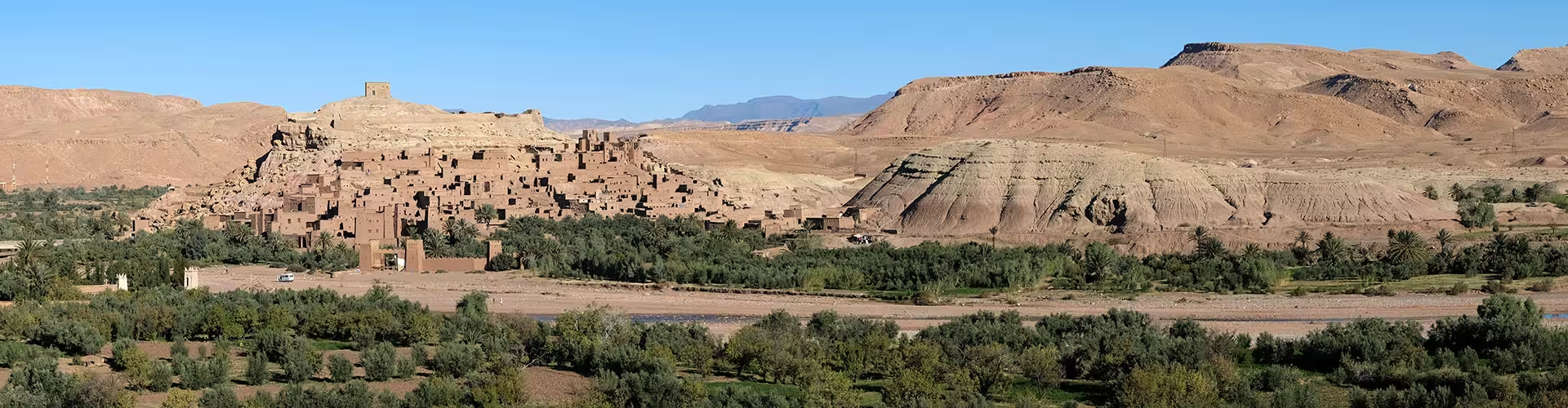


Souss-Massa-Drâa Region delivers a Morocco that feels both coastal and desert edged, with Atlantic breezes, palm filled valleys, and wide open landscapes that invite slow travel. This guide focuses on practical decision making, how to plan your time, what to prioritize, and how to move around efficiently. Expect a mix of surf culture, souks, kasbah scenery, and nature rich escapes that reward early starts and flexible pacing.
The signature vibe of Souss-Massa-Drâa Region is outdoorsy and sunlit, shaped by the Atlantic coast, the Anti Atlas foothills, and valley routes that feel made for road trips. It suits travelers who want a blend of beach time, market life, and scenic drives without constantly switching hotels. Go now if you want a destination that can be as active or as relaxed as you make it, with space to breathe between highlights.
Souss-Massa-Drâa Region sits in southern Morocco, where the Atlantic coastline meets inland valleys and arid landscapes that hint at the Sahara. Agadir is the main urban hub and a common base for exploring the wider area, while routes inland connect to oases, mountain scenery, and historic settlements. For gateways, most travelers use Agadir as the primary hub, then continue by road to coastal villages and inland viewpoints.
The coast is generally moderated by ocean air, which can make beach days comfortable and evenings cooler than you might expect. Inland areas tend to feel drier, with bigger temperature swings between day and night, especially as you move toward valleys and more desert like terrain. For a smoother experience, aim for periods when you can start early, enjoy midday shade, and plan outdoor activities around softer light.
Carry a mix of cash and card, because smaller towns, local markets, and informal transport often operate cash first. Keep small bills for tips, snacks, and quick purchases, especially when browsing souks or paying for short rides. If you are planning a road trip, budget for fuel and spontaneous stops, since the best moments in Souss-Massa-Drâa Region often come from detours and viewpoints.
Agadir Beach and Corniche
Why it matters, the long Atlantic shoreline sets the tone for the region, relaxed, open, and ideal for resetting your pace after travel. A walk along the corniche pairs sea views with easy people watching and a sense of modern Moroccan coastal life. Practical tip, go in the late afternoon for softer light and a more comfortable stroll.
Souk browsing for local crafts
Why it matters, markets connect you to everyday rhythms, and they are one of the most direct ways to understand local tastes, textiles, and food culture. This is where you can practice gentle bargaining and observe how locals shop for household staples. Practical tip, carry small cash and take a quick first loop before buying, so you can compare quality and prices.
Atlantic surf towns and beach breaks
Why it matters, the coast is closely tied to Morocco surf culture, with a laid back feel that contrasts with busier city circuits. Even non surfers can enjoy the café scene, coastal walks, and the drama of waves against rocky points. Practical tip, if you want lessons, book ahead and choose morning sessions when conditions can be calmer.
Anti Atlas scenery drives
Why it matters, the inland landscapes deliver a different Morocco, rugged hills, wide skies, and villages that feel anchored to the terrain. Scenic drives are a core experience in Souss-Massa-Drâa Region, because the transitions from coast to foothills happen quickly. Practical tip, start early, bring water, and plan photo stops, because viewpoints appear suddenly and are worth the pause.
Oasis and valley routes
Why it matters, palm filled valleys and greener corridors create a striking contrast to the surrounding aridity, and they highlight how water shapes settlement patterns. These routes are ideal for slow exploration and short walks, with a sense of discovery around each bend. Practical tip, wear comfortable shoes and keep a light layer, since shade and breezes can make temperatures feel cooler.
Kasbah and fortified village atmospheres
Why it matters, traditional architecture and historic settlement layouts reveal how communities built for protection, climate, and trade routes. Even when you are simply passing through, the silhouettes of earthen walls and towers add depth to your journey. Practical tip, visit in early morning or late afternoon for the best light and fewer crowds.
Nature focused time in protected landscapes
Why it matters, the region includes habitats where you can appreciate coastal wetlands, dunes, and inland biodiversity depending on your route. It is a reminder that Souss-Massa-Drâa Region is not only about cities and beaches, it is also about open space and wildlife. Practical tip, bring binoculars if you enjoy birdlife, and keep to marked paths to protect fragile areas.
Sunset viewpoints
Why it matters, the combination of ocean horizons and inland ridgelines makes golden hour especially rewarding. Sunset is also when the day cools down and the social energy picks up along promenades and terraces. Practical tip, arrive a bit early to secure a good spot and enjoy the changing colors.
Start with a coastal walk in Agadir to get oriented, then spend late morning browsing a local souk for spices, textiles, and small crafts. After lunch, take a short road trip style outing to a scenic coastal point or surf town to feel the Atlantic energy. End with a sunset viewpoint and a relaxed dinner that leans into grilled seafood or classic Moroccan comfort dishes.
Day one, anchor yourself in Agadir, mixing beach time with market browsing and an easy evening stroll. Day two, go inland for Anti Atlas scenery and valley routes, focusing on slow stops, short walks, and photography in softer light. Day three, choose between a nature oriented outing to protected landscapes or another coastal day built around cafés, surf culture, and long shoreline views, then return to your base without rushing.
Tagine
Taste profile, slow cooked and aromatic, often balancing savory depth with gentle spices. Ordering tip, ask what the house specialty is, since the best tagine is often the one simmering that day.
Couscous
Taste profile, fluffy grains paired with vegetables and rich broths, comforting and filling. Ordering tip, if you want a lighter meal, request more vegetables and less sauce.
Grilled seafood
Taste profile, fresh and simply seasoned, ideal near the coast where seafood is part of everyday dining. Ordering tip, choose places with steady local traffic, since turnover often signals freshness.
Harira
Taste profile, a warming soup with a hearty, savory base that feels especially good after a long day outdoors. Ordering tip, pair it with bread and take it as a starter if you want to sample more dishes.
Mint tea
Taste profile, sweet, fragrant, and refreshing, served as a social ritual as much as a drink. Ordering tip, if you prefer less sweetness, politely ask for it lighter on sugar.
Fresh orange juice
Taste profile, bright, zesty, and hydrating, perfect for warm afternoons. Ordering tip, watch for busy juice stands, since they tend to press continuously throughout the day.
Agadir works well as a base, with road connections that make day trips and loops realistic if you plan your start times. Within urban areas, walking is best for promenades and compact zones, while taxis or local rides help bridge longer distances, especially in heat. For exploring inland valleys, kasbah routes, or multiple coastal stops, a car and driver or a self drive plan offers the most flexibility, since highlights are often spread out. Keep basic safety in mind, stay aware of traffic when crossing busy roads, and carry water for longer walks.
Coastal surf villages
Travel time, short to moderate by road depending on your base. Why go, to experience Atlantic wave culture, cliffside viewpoints, and relaxed café life.
Inland Anti Atlas viewpoints
Travel time, moderate by road. Why go, for rugged scenery, panoramic stops, and a deeper sense of southern Morocco beyond the beach.
Palm valley routes
Travel time, moderate by road. Why go, to see oasis like landscapes and greener corridors that contrast with surrounding aridity.
Protected nature areas
Travel time, varies by location and route. Why go, for wildlife, coastal habitats, and a quieter pace that complements city and beach time.
What is the best base for exploring the region?
Agadir is a practical base because it has strong transport links and makes both coastal and inland day trips manageable. Staying in one place also helps you keep a relaxed pace.
How many days do I need in Souss-Massa-Drâa Region?
One day covers a quick mix of beach, souk, and a short coastal outing, but 2 to 3 days gives you time for inland scenery and slower stops. Souss-Massa-Drâa Region rewards travelers who leave space for detours.
Is it better to rent a car or use taxis?
Taxis work well for short urban hops, especially around promenades and market areas. A car is more efficient for valleys, viewpoints, and multi stop coastal routes.
What should I pack for the coast and inland areas?
Bring sun protection and comfortable walking shoes, plus a light layer for cooler evenings by the Atlantic. If you plan scenic drives, pack water and snacks for longer stretches between stops.
Can I pay by card everywhere?
Cards are useful in many larger businesses, but cash is still important for souks, smaller cafés, and informal transport. In Souss-Massa-Drâa Region, small bills make daily purchases smoother.