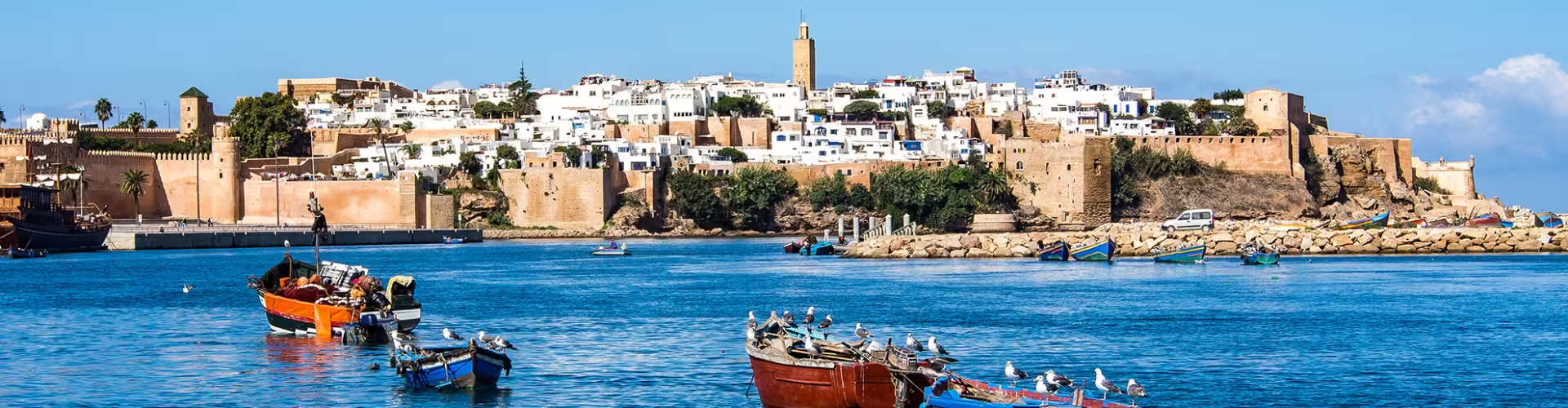


Rabat is Morocco’s coastal capital, a city where Atlantic light, palm lined boulevards, and layered history create an easygoing pace compared with some of the country’s busier hubs. Come for UNESCO listed heritage, ocean views, and a food scene that balances traditional Moroccan comfort with modern cafés. This guide helps you plan what to do, how to get around, what to eat, and how to build a trip that fits your time and budget in Rabat.
Rabat feels calm, polished, and local, with a mix of royal city formality and seaside relaxation. The signature vibe is historic landmarks paired with contemporary neighborhoods, making it ideal for travelers who want culture without constant crowds. It is a strong choice right now if you want a Morocco itinerary anchor that is walkable, photogenic, and logistically straightforward.
Rabat sits on Morocco’s Atlantic coast at the mouth of the Bouregreg River, facing its sister city Salé across the water. It is the capital of Morocco and the administrative heart of the Rabat-Salé-Kénitra region, which makes it a useful base for day trips and onward travel. For gateways and transport hubs, travelers commonly route through the Rabat area’s airport options and major rail connections that link the capital with other Moroccan cities.
Seasonality in Rabat is shaped by the Atlantic, which typically moderates temperatures compared with inland cities. Warmer months bring longer days and a lively seaside feel, while cooler months can be better for sightseeing on foot and lingering in museums and historic sites. If you prefer fewer crowds, aim for shoulder periods between peak holiday travel, and plan outdoor photography around softer morning or late afternoon light.
Budgeting in Rabat depends on your travel style, since you can mix simple local meals with higher end dining and comfortable hotels. Carry some cash for small purchases and tips, and keep a card for larger expenses where accepted. A practical approach is to set a daily spending range, then allocate extra for guided experiences, day trips, and special dinners you do not want to miss.
Kasbah of the Udayas
This iconic fortress neighborhood delivers the classic Rabat postcard, white and blue lanes, ocean viewpoints, and a sense of quiet that contrasts with the city’s main avenues. It matters because it captures the capital’s coastal identity and its defensive history in one compact area. Practical tip, go earlier in the day for calmer lanes and softer light for photos.
Hassan Tower and the Mausoleum area
This landmark zone is one of the city’s most recognizable heritage settings, combining monumental architecture with a strong sense of national symbolism. It matters because it anchors the story of Rabat as a royal and political capital, and it is an easy stop to combine with nearby sights. Practical tip, allow time to walk the open esplanade slowly, it is a place that rewards unhurried pacing.
Medina stroll and artisan shopping
The medina experience here is often more relaxed than in other Moroccan cities, making it ideal for travelers who want browsing without feeling rushed. It matters because you can connect with everyday city life, craft traditions, and local food stops in a compact area. Practical tip, decide what you are looking for before you shop, then compare quality across a few stalls.
Rabat’s Atlantic waterfront
The oceanfront atmosphere is central to the city’s appeal, with breezes, wide skies, and a slower rhythm that feels restorative. It matters because it shows a different side of Morocco, more maritime, more open, and often cooler in feel. Practical tip, bring a light layer even on sunny days, the coastal wind can change quickly.
Bouregreg River views between Rabat and Salé
The river is the city’s natural divider and meeting point, and it adds geographic clarity to your trip planning. It matters because it frames how the capital relates to Salé, and it offers scenic perspectives that are especially striking near sunset. Practical tip, time your walk for golden hour, then continue into the evening for a relaxed dinner plan.
Museums and cultural spaces
Cultural institutions in Rabat help you understand the country beyond highlights, with art, history, and curated storytelling. It matters because a museum visit can balance out a day of outdoor walking and give context to what you see in the streets. Practical tip, keep one museum option in your plan as a flexible slot in case the weather turns breezy or cool.
Modern neighborhoods and cafés
Part of the city’s charm is its contemporary side, where cafés, galleries, and calmer streets show how locals spend their time. It matters because it rounds out your impression of Rabat, making it more than a checklist of monuments. Practical tip, choose a café with outdoor seating, then use it as a base to plan your next stop.
Day trip linkups from the capital
Rabat works well as a base for nearby destinations, so you can keep one hotel and still see variety. It matters because it reduces packing and transit stress while expanding your itinerary. Practical tip, group day trips by direction, and keep one free day in case you want to repeat a favorite area.
Start with the Kasbah of the Udayas for crisp morning light and quiet lanes, then continue toward the medina for a relaxed browse and an easy lunch plan. In the afternoon, focus on the Hassan Tower and the surrounding monumental area, then slow down with a waterfront walk to reset your pace. End the day with a café stop in a modern neighborhood, keeping dinner flexible based on where you feel most at ease.
On day one, combine the kasbah, ocean viewpoints, and the medina, then add a museum or cultural space to build historical context. On day two, explore the Bouregreg River perspective, then cross your itinerary into Salé for a broader sense of the metro area’s identity and rhythm. If you have a third day, use Rabat as a base for a nearby day trip, and return in the evening for a final waterfront stroll and a meal that feels celebratory.
Tagine
Slow cooked and aromatic, tagine balances savory depth with spices that feel warm rather than aggressively hot. Ordering tip, ask what the house specialty is, then choose based on what is freshest that day.
Couscous
Fluffy grains paired with vegetables and a rich broth create a comforting, layered flavor. Ordering tip, if you want a local rhythm, consider having it at a time when families traditionally enjoy it, and ask for the version that is most common in the restaurant.
Pastilla
This sweet and savory pastry style dish is known for contrast, crisp layers, spiced filling, and a dusting that can lean sweet. Ordering tip, share one if you are unsure, it is filling and best enjoyed slowly.
Harira
A hearty soup with a gently spiced profile that is especially satisfying when you need something grounding between sightseeing stops. Ordering tip, pair it with bread for a simple, budget friendly meal.
Fresh bread and olive plates
Bread and olives are everyday staples, and they are a great way to sample regional flavor without over ordering. Ordering tip, ask for a mixed olive plate if available, then note which style you like for shopping later.
Mint tea
Sweet, fragrant, and social, mint tea is as much about the pause as the drink itself. Ordering tip, if you prefer less sweetness, ask politely for it lighter, and sip slowly rather than rushing.
Rabat is well suited to a mix of walking and local transport, especially if you group sights by area. Walking is ideal for the kasbah, medina edges, and waterfront stretches, while public transit and taxis can help you connect longer distances without burning time. For ride choices, agree on the approach before you start a trip, and keep small cash available for quick payments. As with any city, stay aware around traffic, watch your footing on older pavements, and build buffer time so you do not feel rushed between landmarks.
Salé
Just across the Bouregreg River, Salé offers a complementary perspective on the metro area and a chance to see daily life beyond the capital’s main circuits. Travel time is short, making it an easy half day or full day addition.
Casablanca
A major Moroccan city with a different energy, Casablanca can add modern urban scale and a contrasting vibe to your itinerary. It is best approached as a planned day trip so you can return to Rabat for a calmer evening.
Kenitra
As part of the wider Rabat-Salé-Kénitra region, Kenitra can be a practical add on for travelers interested in seeing more of the area’s everyday rhythm. It works well if you want a less tourist focused outing.
Atlantic coastal escapes
Short coastal detours can deliver sea air, open horizons, and a change of scenery without complex planning. This is a good option when you want a lighter day with fewer monuments and more atmosphere.
Is Rabat a good base for exploring the region?
Yes, the capital’s connections and central role in the region make it practical for short excursions. You can keep your accommodation stable and add nearby outings as day trips.
How many days do I need in Rabat?
One day covers the major highlights at a brisk pace, especially if you group sights by area. Two to three days lets you slow down, add museums, and include time along the waterfront.
What is the best way to get around Rabat?
A combination of walking and local transport works well, since many key areas are enjoyable on foot. For longer hops, use taxis or public transit and keep extra time for traffic and detours.
When should I plan my sightseeing for the best atmosphere?
Morning is ideal for quieter streets and comfortable walking, while late afternoon is excellent for softer light near the river and ocean. If you prefer fewer people, avoid peak holiday periods and aim for shoulder travel windows.
What should I pack for Rabat?
Bring comfortable shoes for extended walking and a light layer for coastal breezes. Keep sun protection handy, and carry a small amount of cash for small purchases.