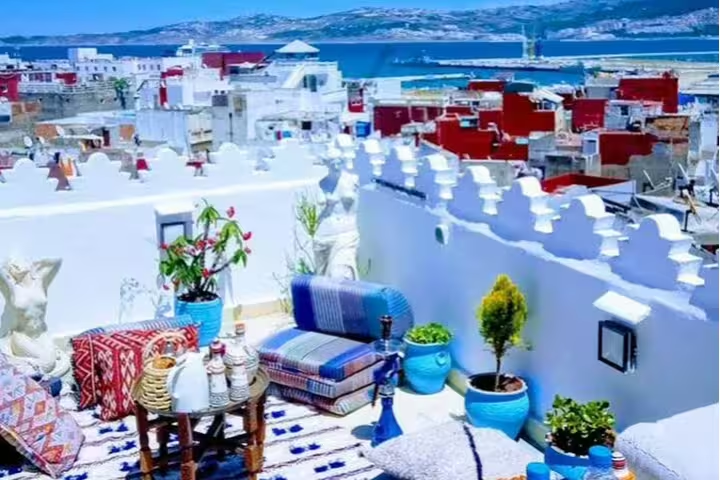
Rabat-Salé-Kénitra offers a polished, coastal Moroccan experience where royal-era avenues, Atlantic breezes, and riverfront life come together in a way that feels calm but never boring. As a region that includes the capital, it is ideal for travelers who want culture and history without the intensity of bigger tourist circuits. Use this guide to plan smart routes, choose the right pace, and connect the dots between Rabat, Salé, and the wider Rabat-Salé-Kénitra area.
Rabat-Salé-Kénitra feels composed and coastal, with a capital-city rhythm, ocean light, and a strong sense of heritage. Come for landmark architecture, medina life, and relaxed waterfronts that reward slow strolling and sunset timing. It is a strong choice right now if you want an easy logistics base for day trips while still getting a distinctly Moroccan atmosphere.
Rabat-Salé-Kénitra sits in northwestern Morocco along the Atlantic coast, shaped by the Bou Regreg River that separates Rabat from Salé. Rabat works as the main hub for the region, with Salé closely connected across the river and Kénitra further north along the coast and rail lines. For most visitors, Rabat is the easiest base because it concentrates major sights, transport links, and day trip access.
The Atlantic influence generally brings milder temperatures than inland Morocco, with breezier conditions near the waterfront. Shoulder seasons are often a practical choice, with comfortable sightseeing conditions and a balanced crowd level. Summer can feel livelier along coastal areas, while winter tends to be quieter and better for museum time, long walks, and flexible itineraries.
Plan to carry a mix of cash and cards, since smaller vendors and traditional markets often prefer cash while modern hotels and many restaurants accept cards. Build a daily budget around your travel style, with extra room for guided visits, taxis, and day trips beyond the center. If you are visiting multiple cities in the Rabat-Salé-Kénitra region, set aside a transport buffer so you can choose the most convenient option each day.
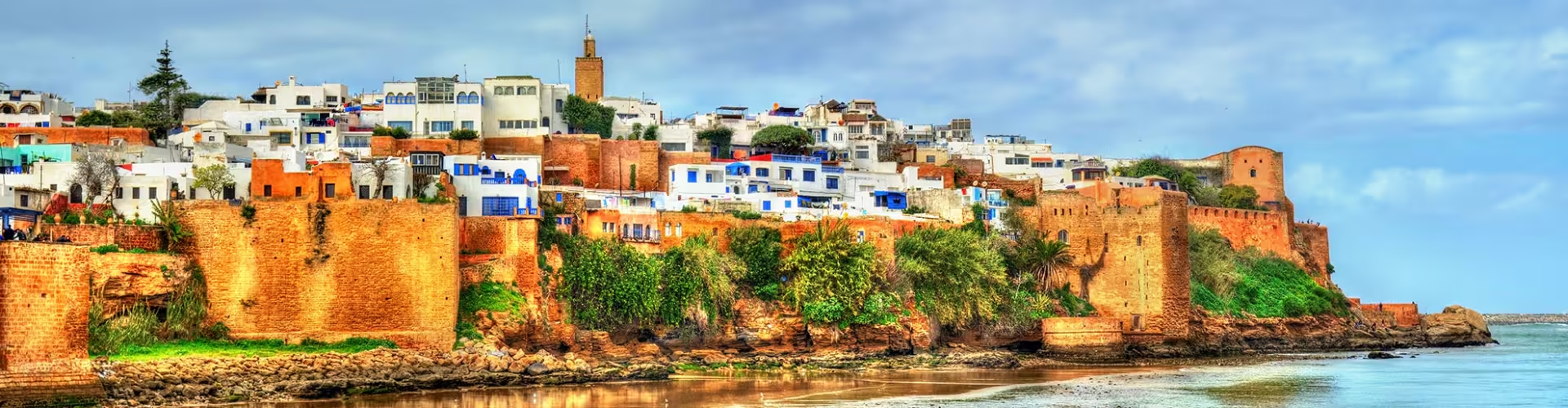
Kasbah of the Udayas. This historic fortress quarter is one of the most atmospheric places to experience Rabat’s coastal identity, with lanes that feel intimate and photogenic. The contrast between fortified walls and ocean views helps explain why the capital developed as a strategic Atlantic city. Practical tip, go earlier in the day for softer light in narrow streets, then return near sunset for wider viewpoints.
Hassan Tower and the Mausoleum area. This landmark zone is central to understanding Rabat’s ceremonial and architectural story, where grand scale and careful design communicate national significance. It is also a good orientation stop because the open space helps you reset your mental map of the city. Practical tip, pair it with another nearby sight so you minimize backtracking.
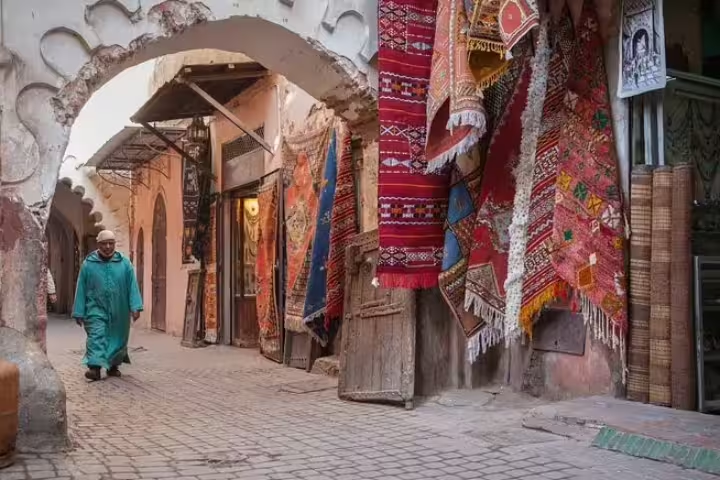
Medina stroll and souk browsing. The medina experience in Rabat-Salé-Kénitra is a strong blend of daily life and craft culture, with a calmer pace than some of Morocco’s busiest old towns. It is ideal for travelers who want to browse without feeling rushed, while still getting the sensory mix of spices, textiles, and street sounds. Practical tip, decide in advance what you want to shop for, then compare quality across a few stalls before buying.
Rabat waterfront and Bou Regreg perspectives. The riverfront is where the region’s geography becomes visible, and it is one of the easiest places to appreciate how Rabat and Salé relate to each other. The open air and wide views make it a great reset between museums and medina lanes. Practical tip, time your walk for late afternoon when the light is warmer and the breeze feels refreshing.
Salé across the river. Visiting Salé adds depth because it shifts the perspective from the capital’s polished avenues to a city that feels more local and layered. It is a simple way to turn a Rabat-focused trip into a more complete Rabat-Salé-Kénitra experience. Practical tip, go with a clear mini-plan, such as one key neighborhood walk and a set meal, so the visit feels intentional rather than rushed.
Atlantic coast time. The coastline is part of the region’s signature vibe, and even a short dose of ocean air can change the feel of your itinerary. Coastal stops work well as a counterbalance to heritage sightseeing, especially if you have packed days. Practical tip, bring a light layer because breezes can pick up quickly near the water.
Local cafés and people watching. Rabat’s café culture is a practical travel tool, not just a treat, because it helps you pace the day and absorb the city’s everyday rhythm. Sitting down for mint tea or coffee can also help you plan the next leg without relying on constant phone navigation. Practical tip, choose a spot near a main avenue or a medina edge so you can watch transitions between modern and historic life.
Regional day trip planning. One of the best reasons to base yourself in Rabat-Salé-Kénitra is the ability to add variety without changing hotels. The region’s position makes it a natural launch point for short, high-impact excursions. Practical tip, group day trips by direction so you avoid zigzagging and long return journeys.
Start with a morning heritage block, beginning at a major landmark zone like Hassan Tower and the Mausoleum area to set historical context. Continue into the medina for a focused stroll and a simple lunch plan, then shift to the Kasbah of the Udayas for atmosphere and ocean views. End with a relaxed waterfront walk along the Bou Regreg so the day closes with open space and soft light.
Day one, anchor the trip with core Rabat landmarks, a medina session, and a sunset waterfront loop to learn the city’s layout. Day two, cross to Salé for a different viewpoint, then return to Rabat for an unhurried café afternoon and a second pass through any neighborhood that felt rushed. Day three, use the region as a launchpad for a day trip, keeping the evening free for a coastal walk or a slow dinner that lets the trip land gently.
Tagine. Slow-cooked and aromatic, tagine is a cornerstone dish that can lean savory, sweet, or both depending on the ingredients. It is a good choice when you want a filling meal that still feels distinctly Moroccan. Ordering tip, ask what the house specialty tagine is, then choose based on whether you want a richer or lighter option.
Couscous. Light, fluffy grains paired with vegetables and protein create a comforting, balanced plate. It is often associated with communal eating and a slower meal pace, which fits the region’s calmer energy. Ordering tip, if you want a lighter lunch, ask for a smaller portion and add a salad.
Harira. This hearty soup is warm, gently spiced, and satisfying, especially when you want something restorative between long walks. It is also a practical pick on cooler or breezier days near the Atlantic. Ordering tip, pair it with bread for a simple, budget-friendly meal.
Mint tea. Sweet, fragrant, and social, mint tea is as much a ritual as a drink. It works as a mid-day reset and a way to slow the pace without losing momentum. Ordering tip, if you prefer less sweetness, ask for it with less sugar.
Fresh bread and spreads. Bread is a daily staple and often appears with simple accompaniments that highlight olive oil, olives, or seasonal sides. It is ideal for travelers who want to sample multiple flavors without committing to a heavy meal. Ordering tip, build a small table of shared plates so you can taste widely.
Grilled seafood. Along the coast, seafood can be a natural match for the Atlantic setting, with clean flavors that feel lighter than slow-cooked stews. It is a good dinner choice after a day of sightseeing. Ordering tip, ask what is freshest that day, then keep the seasoning simple.
Many central areas in Rabat are walkable, especially when you group sights by neighborhood and plan a logical loop that avoids repeated climbs and backtracking. For longer distances, taxis are a practical option, and they can help you connect quickly between modern districts, the medina, and waterfront areas. When moving between Rabat and Salé, focus on river crossings and transit options that keep you close to the Bou Regreg corridor so you spend time exploring rather than navigating.
For accessibility, prioritize routes with wider sidewalks in modern areas and expect narrower lanes and uneven surfaces in medina zones. Keep personal items secure in crowded market streets, and use a crossbody bag or a zipped daypack to reduce hassle while walking.
Casablanca. As Morocco’s largest city, Casablanca offers a contrasting urban scale and a different architectural and cultural rhythm than Rabat. It can work well as a full-day excursion when you want a modern, metropolitan counterpoint. Travel time depends on your chosen transport, so start early to protect sightseeing hours.
Kenitra and nearby coastal areas. Heading north within the Rabat-Salé-Kénitra region can add variety, especially if you want a change of pace and a different slice of Atlantic life. It is a useful option for travelers extending beyond the capital without committing to a major multi-city itinerary. Plan a simple goal for the day, such as a waterfront walk and a relaxed meal.
Atlantic beaches and coastal viewpoints. Coastal escapes are ideal when you want breathing room after dense sightseeing days. They also deliver the region’s signature light and breeze, which can be a highlight in itself. Pack layers and sun protection since conditions can shift quickly near the water.
Inland cultural stops. Short trips inland can reveal a different landscape feel, with a shift away from the ocean’s influence. This is a good choice if you want to broaden your sense of Morocco without traveling far. Keep your plan flexible so you can adjust based on weather and energy levels.
One day covers major highlights at a fast pace, especially if you focus on a landmark zone, the medina, and the waterfront. Two to three days gives you time to add Salé and slow the rhythm with cafés and coastal breaks.
Yes, Rabat-Salé-Kénitra is a comfortable entry point because it blends heritage areas with modern city infrastructure. It also makes day trips straightforward, so you can see more without changing hotels often.
Focus on crossing via the Bou Regreg corridor, which keeps you close to the riverfront and the most practical connections. Once across, plan a compact route so you spend time exploring instead of navigating.
Choose comfortable walking shoes and breathable layers that suit changing conditions. Near the Atlantic, a light jacket or layer can be useful when the breeze picks up.
Rabat-Salé-Kénitra works well as a base because Rabat is a transport hub and the region sits in a convenient coastal position. Build day trips around one main goal each, then return for an easy evening walk and dinner.