Zagora
Plan a smart trip to Zagora with practical logistics, best timing, top desert experiences, curated 1 to 3 day itineraries, local flavors, transport tips, and easy day trip ideas.

Plan a smart trip to Zagora with practical logistics, best timing, top desert experiences, curated 1 to 3 day itineraries, local flavors, transport tips, and easy day trip ideas.

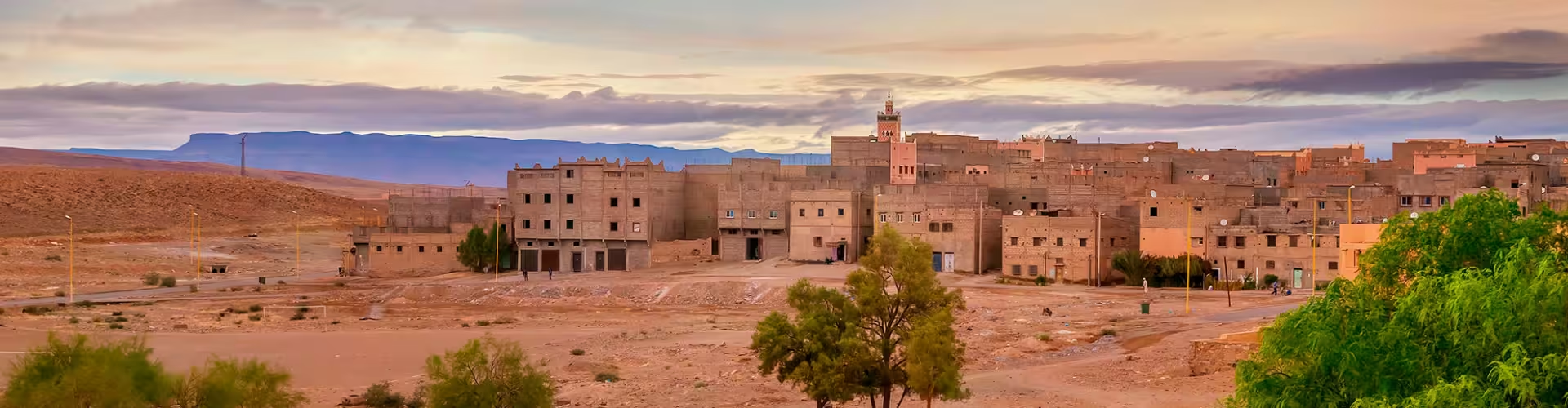
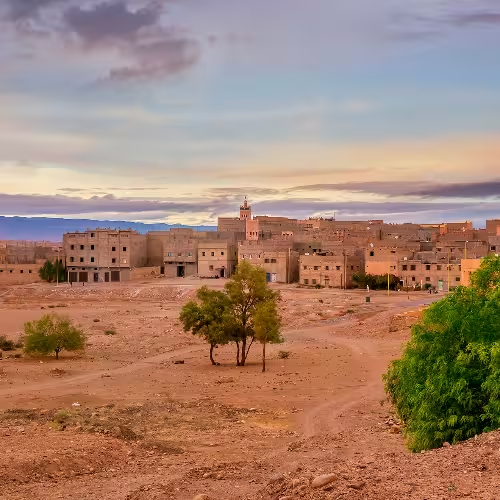
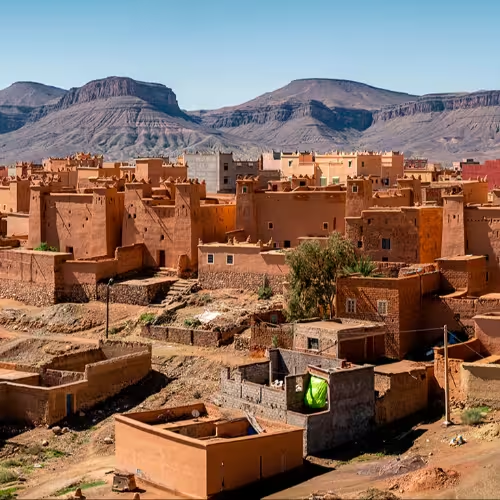
Zagora is a desert edge town in southern Morocco that many travelers use as a practical base for Saharan landscapes, palm oases, and long, cinematic road journeys. The appeal is less about ticking off monuments and more about atmosphere, wide horizons, and slow moments that feel distinctly connected to the Drâa Valley. This guide focuses on planning choices, timing, transport, and what to prioritize so your time in Zagora feels intentional.
In Zagora, the signature vibe is frontier calm, a meeting point between oasis life and desert routes that continue deeper into the Sahara. Go now if you want a less hurried pace than Morocco’s major cities, plus easy access to palms, kasbah scenery, and stargazing nights. It is especially rewarding for travelers who enjoy road trips, photography, and guided outdoor experiences with a strong sense of place.
Zagora sits in Morocco’s Drâa-Tafilalet Region, associated with the Drâa Valley and its ribbon of palm groves that contrast sharply with surrounding arid terrain. Overland travel is a common approach, with routes typically connecting from larger hubs such as Ouarzazate and onward toward desert areas like Mhamid. If you are planning flights, many travelers first position through major Moroccan gateway airports and then continue by road to reach the south.
Expect a desert climate pattern, meaning big temperature swings between day and night and stronger sun exposure than coastal Morocco. Cooler months are generally more comfortable for walking, day trips, and longer excursions into sandy areas, while hotter months can push activities toward early mornings and evenings. Crowd levels tend to follow comfortable weather, so if you prefer a quieter feel, plan for shoulder periods and build your itinerary around sunrise, sunset, and shaded stops.
Morocco uses the Moroccan dirham, and it is wise to carry cash for small purchases, tips, and local transport where card acceptance can be limited. Keep smaller notes available, especially if you are arranging rides, buying snacks, or paying for quick services. For budget planning, focus on your big cost drivers, which are usually accommodation style and guided experiences such as a desert tour from Zagora.
1) Drâa Valley Palm Grove Exploration
Why it matters: The palm groves define the region’s identity, creating a green corridor that feels almost surreal against the dry landscape. It is a great way to understand how water, agriculture, and settlement patterns shape daily life. The scenery also delivers strong photo contrast, especially when the light is low. Practical tip: Aim for late afternoon for softer light, and bring water since shade can be intermittent.
2) Sunset Viewpoints and Golden Hour Photography
Why it matters: Desert edge light can transform simple scenes, palm silhouettes, dusty roads, and distant ridgelines. Golden hour adds depth and color, making even a short walk feel like an experience. This is one of the easiest ways to enjoy Zagora without complex planning. Practical tip: Plan a flexible evening window so you can adjust based on cloud cover and wind.
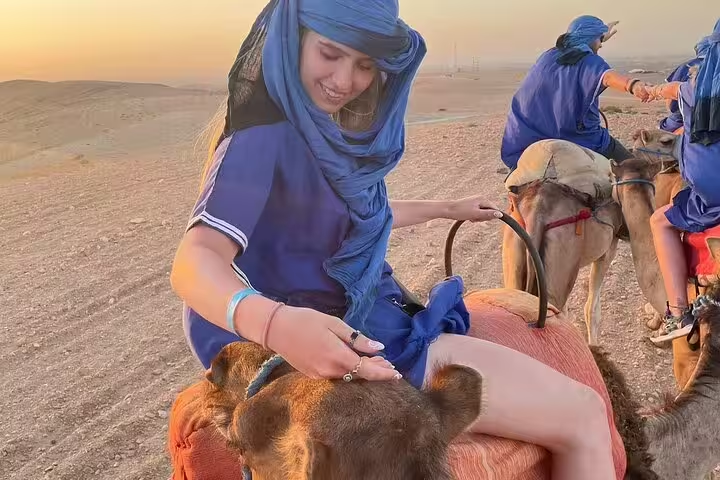
3) Guided camel trekking in Zagora
Why it matters: A camel trek connects you to the slower rhythm of desert travel and gives a more immersive perspective than driving. It also pairs naturally with stargazing and overnight experiences. For many visitors, this is the most memorable way to experience the Sahara’s scale. Practical tip: Confirm what is included, such as duration and stops, and pack a light layer for after sunset.
4) Overnight Desert Camp Experience
Why it matters: Nights are where the desert atmosphere becomes most distinct, with quiet, clear skies, and a feeling of distance from city noise. It is ideal for travelers who want to experience the Sahara beyond a quick photo stop. The social element can also be a highlight, especially if your camp includes shared meals. Practical tip: Ask about sleeping arrangements and bring a headlamp for moving around after dark.
5) Road Trip to Mhamid and the Deeper Desert
Why it matters: The drive south shifts the scenery from oasis towns toward more open desert terrain, helping you understand the region’s geography. It is also a classic extension for travelers seeking a stronger Sahara feel. This route is often part of broader Sahara desert tours. Practical tip: Start early to reduce heat exposure and to keep time for stops along the way.
6) Kasbah and Oasis Landscapes Day
Why it matters: The Drâa-Tafilalet Region is closely linked to kasbah culture, fortified architecture, and historic routes that once supported trade and travel. Even when you are not entering specific sites, the exterior forms and village settings are visually striking. It adds cultural context to your desert itinerary. Practical tip: Pair this with a driver or guide if you want to cover multiple points efficiently.
7) Local Market Wandering and Everyday Life
Why it matters: Markets and small shops show the practical side of the region, produce, spices, and daily essentials that support oasis communities. It is also a way to practice respectful travel, observe local rhythms, and pick up snacks for excursions. Practical tip: Carry small cash and ask before photographing people or stalls.
8) Stargazing Night
Why it matters: Clear desert skies can be a major draw, especially when you are away from strong city lighting. Stargazing adds a calm, reflective layer to a trip that might otherwise feel like constant movement. It also pairs well with a camp night or a quiet evening outside town. Practical tip: Bring a warm layer and avoid bright phone screens to let your eyes adjust.
Start with a relaxed morning focused on orientation, a short walk or drive near palm landscapes, and a simple local breakfast. Midday is best reserved for shaded breaks, planning, and booking your next steps, especially if you are arranging a Morocco desert itinerary that continues south. In the late afternoon, prioritize a scenic viewpoint or palm grove route for golden hour, then finish with a calm dinner and an early night if you are departing for a desert excursion the next morning.
Day 1 mirrors the highlights, but add time for market browsing and a longer loop through oasis scenery to get comfortable with distances and transport. Day 2 is ideal for a guided experience, such as a desert camp overnight or a longer desert tour from Zagora that emphasizes landscape immersion. Day 3 can be a flexible buffer for a road trip extension toward Mhamid, extra photography time, or a slower recovery morning before onward travel.
Tagine: Slow-cooked and aromatic, often built around tender textures and warming spices. Ordering tip: Ask what the house specialty is that day, since availability can vary.
Couscous: Comforting and filling, typically served with vegetables and a savory broth. Ordering tip: If you want a lighter meal, ask for a smaller portion or share.
Harira: A rich, tomato-based soup with herbs and a satisfying, hearty feel. Ordering tip: Pair it with bread for a simple, budget-friendly meal.
Mint tea: Sweet, fragrant, and central to Moroccan hospitality. Ordering tip: If you prefer less sweetness, request it lightly sweetened.
Dates: Naturally sweet with a caramel-like depth, closely associated with oasis agriculture. Ordering tip: Buy a small quantity first, then return for more if you find a favorite variety.
Fresh bread with olive oil: Simple and reliable, great for quick energy before a drive or excursion. Ordering tip: Pick it up earlier in the day for the best texture.
Getting around Zagora can be straightforward if you plan around heat and distance. Short distances can be walked when temperatures are comfortable, but midday sun can make even moderate walks tiring, so build in shaded breaks. For longer hops, consider local taxis or pre-arranged drivers, especially if you want to link multiple stops efficiently. If you are continuing into desert areas, guided transport is often the simplest choice because it reduces navigation stress and helps you manage time, water, and evening return plans.
Safety and comfort are closely tied to preparation. Keep water with you, protect your skin from sun exposure, and plan conservative travel times so you are not rushing after dark. If you have mobility needs, prioritize vehicle-based sightseeing and confirm accessibility details directly with your accommodation or tour operator.
Ouarzazate: A common regional hub for road journeys and a useful connection point for wider southern Morocco routes. Travel time varies by route and stops, so plan it as a full day if you want to move slowly and take photos.
Mhamid: A key gateway for deeper desert experiences and a natural extension if your goal is a stronger Sahara atmosphere. Travel time depends on your transport and road conditions, so depart early and keep your schedule flexible.
Drâa Valley villages: Shorter outings can focus on palm groves, kasbah silhouettes, and oasis scenery that define the region’s identity. Travel time is typically manageable, making it a good option if you want a lower intensity day.
Oasis and kasbah landscapes en route: Even without a single headline destination, the journey itself can be the highlight, with changing light and terrain. Travel time depends on how many stops you make, so treat it as a scenic loop rather than a checklist.
Is Zagora a good base for desert excursions?
Yes, it is commonly used as a starting point for guided experiences and onward travel toward deeper desert areas. It works best if you plan transport in advance and keep your schedule flexible for road conditions and weather.
How many days should I plan for the area?
One day covers a quick orientation and sunset scenery, but 2 to 3 days gives you time for a guided excursion and a slower pace. Add extra time if you want an overnight camp or a longer road trip extension.
What is the best time of day for sightseeing?
Early morning and late afternoon are usually the most comfortable for walking and photography. Midday is better for indoor breaks, planning, and travel logistics.
Do I need cash, or can I rely on cards?
Carry cash for small purchases and local transport, since card acceptance can be limited outside larger hotels or formal businesses. Keep smaller notes so you can pay without needing change.
Can I do a camel trekking in Zagora experience without an overnight camp?
Some itineraries focus on shorter rides, while others are built around an overnight stay for stargazing and a deeper desert feel. Confirm duration, inclusions, and timing with your operator so it matches your comfort level and schedule.