
Build your dream
experience

More to know about Alnif
Alnif Travel Guide
Alnif is a small desert town in Morocco’s southeast that draws travelers who prefer wide horizons, quiet streets, and a sense of being close to the Sahara’s raw edges. It works especially well as a practical base for exploring the region of Tinghir and the broader Draa Tafilalet area, with scenic drives and open landscapes shaping the experience. Expect an unhurried rhythm, simple local hospitality, and a trip that rewards curiosity more than a checklist.
Snapshot
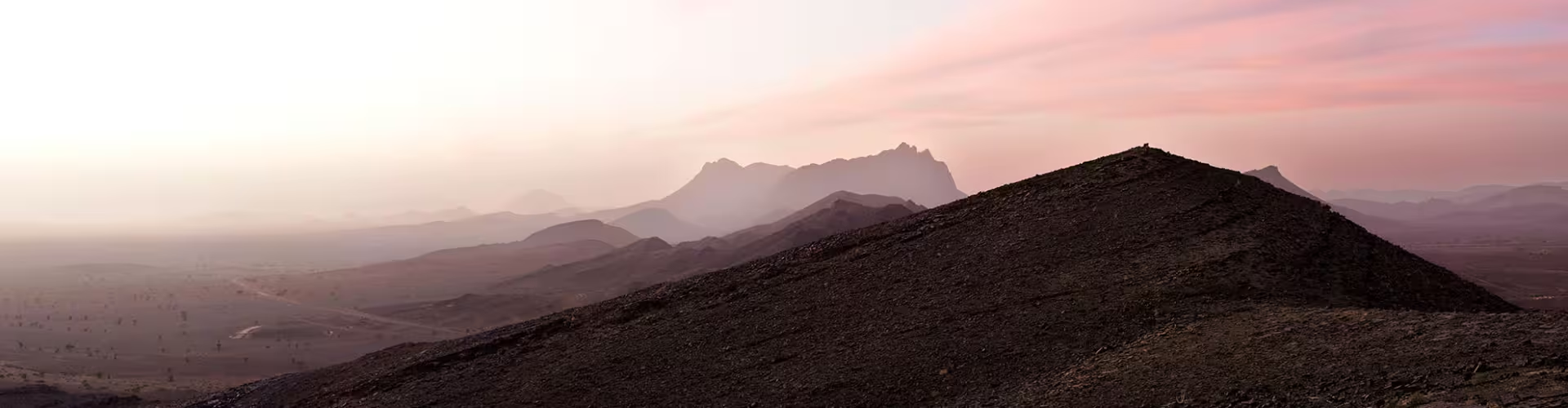
Alnif feels like a pause button between mountain routes and desert roads, where the scenery does most of the talking. Come for the calm, the big sky, and the chance to slow down while still staying connected to nearby highlights in the Tinghir area. It is a strong choice when you want a grounded, local stop rather than a heavily packaged destination.
🗺️ Geography and Logistics
📍 Orientation: Where is it within Tinghir and Morocco?
Alnif sits in southeastern Morocco, within the province of Tinghir in the Draa Tafilalet region. The setting is defined by desert plains, rocky terrain, and long road corridors that link small towns and valleys. For most travelers, the easiest approach is via Morocco’s major transport hubs, then continuing by road into the Tinghir area, since this part of the country is typically experienced through overland travel and scenic drives.
🕒 When to Go: Seasonal breakdown
Travel timing here is less about events and more about comfort on the road and outdoors. Cooler periods generally make daytime exploring and long drives more pleasant, while hotter periods can shift the day toward early mornings and late afternoons. Crowd levels are usually modest compared with Morocco’s big cities, so planning is mostly about choosing conditions that match your pace and heat tolerance.
💰 Budget & Currency: Practical money tips
Morocco uses the Moroccan dirham, and smaller towns often run on cash for everyday transactions. In Alnif, it is wise to carry small bills for quick purchases and local services, especially when you are moving between villages or making roadside stops. Budget expectations are typically moderate, and you can keep costs predictable by planning your transport in advance and keeping a buffer for longer distances between places.
⭐ Essential Things to Do
1) Take a Scenic Drive Through the Tinghir Region
Why it matters, the road is part of the destination in this corner of Morocco, and the landscapes shift from rocky plateaus to open desert horizons. You get a strong sense of scale and silence that is hard to find in busier tourist circuits. Practical tip, plan stops for viewpoints and photos, and keep water with you, since services can feel far apart once you leave town.
2) Use Alnif as a Base for Desert-Edge Exploration
Why it matters, staying in town lets you experience the desert atmosphere without committing to a constant move, which helps if you prefer a slower itinerary. The vibe is calm and observational, with a focus on everyday life and the surrounding terrain. Practical tip, structure your day around the light, with morning and late afternoon for the most comfortable outdoor time.
3) Photograph Big-Sky Landscapes and Quiet Streets
Why it matters, the region’s visual appeal comes from simplicity, long sightlines, and clean contrasts between earth tones and sky. It is ideal for travelers who enjoy minimalism and natural textures rather than landmark hopping. Practical tip, aim for golden hour, and keep your gear dust-protected when the wind picks up.
4) Plan a Road-Trip Style Day Linking Nearby Towns
Why it matters, southeastern Morocco is experienced through connections, not just single points, and the best memories often come from the in-between. A loop-style day helps you see more variety while returning to a familiar base. Practical tip, download offline maps before you set out, and confirm fuel and basic supplies before longer stretches.
5) Experience Local Pace and Hospitality
Why it matters, smaller towns can offer a more grounded sense of Morocco, where daily routines shape the travel experience. This is where you can practice respectful travel habits and observe how the region functions beyond headline attractions. Practical tip, greet politely, ask before photographing people, and keep your interactions friendly and low-pressure.
6) Build a Gateway Itinerary Toward the Sahara
Why it matters, Alnif can fit naturally into journeys that trend toward desert landscapes and longer southern routes. Even if you do not go deep into the dunes, the approach roads and terrain transitions deliver a strong desert-edge feel. Practical tip, keep your schedule flexible, because road travel times can vary with stops and conditions.
7) Slow Travel, Journaling, and Stargazing Mindset
Why it matters, this is a destination where the absence of constant “must-see” pressure becomes the value. Quiet evenings and open skies can be the highlight if you enjoy reflective travel. Practical tip, bring a small flashlight and a layer for cooler nights, especially if you spend time outdoors after sunset.
8) Create a Photo Story of Morocco Beyond the Cities
Why it matters, many Morocco trips focus on imperial cities, souks, and famous landmarks, but the country’s depth is also in its rural and desert regions. Capturing textures, roads, and everyday scenes adds balance to your travel narrative. Practical tip, keep compositions simple, and use leading lines from roads and horizons for strong frames.
🚶 Curated Itineraries
⏰ The Highlights (1 Day)
Start with an early morning walk to get a feel for Alnif while the day is cool and the streets are quiet. Spend late morning and midday on a scenic drive in the Tinghir area, focusing on landscapes and short stops rather than rushing. Return in the late afternoon for photos in softer light, then keep the evening relaxed, with a simple meal and an early night if you are continuing by road the next day.
⏰ Deep Dive (2-3 Days)
Day one, settle into town and use the afternoon for a short orientation drive to understand the surrounding terrain and road options. Day two, dedicate the best light to a longer loop through the region, with time for unplanned stops and viewpoints, then return for a calm evening and a slower dinner. Day three, keep your morning open for last photos and a flexible departure window, which reduces stress and makes overland travel feel smoother.
🍽️ Flavors of Alnif
Food experiences in smaller towns often lean into familiar Moroccan comfort dishes, served simply and meant to be filling after time on the road.
- Tagine, slow-cooked and aromatic, often defined by tender textures and warm spices. Ordering tip, ask what the house specialty is that day.
- Couscous, fluffy and hearty, typically built for sharing and steady energy. Ordering tip, confirm portion size if you are dining solo.
- Harira, a rich soup style that feels especially satisfying in cooler weather. Ordering tip, consider it as a starter when you want a lighter meal.
- Moroccan bread, a staple for scooping and sharing, often central to the table. Ordering tip, keep small change handy for quick bakery stops.
- Mint tea, sweet and fragrant, more than a drink, it is a rhythm of hospitality. Ordering tip, accept at least one glass when offered, it is a polite gesture.
- Seasonal fruit, refreshing and travel-friendly, useful for road days. Ordering tip, buy what looks freshest and plan to eat it the same day.
🚌 Navigation & Transport
Getting around is primarily road-based, and the most practical way to link sights is by car or hired transport, especially if you want to stop for viewpoints and photos. Walking works for short distances and local orientation within town, but distances between towns and landscapes can be significant. For safety, keep water with you, avoid rushing night drives if you can, and build extra time into your day so you are not pressured to speed.
🌄 Beyond the Center: Day Trips
- Tinghir area, a natural regional anchor with routes that showcase changing terrain. Travel time varies by road and stops, and the main reason to go is to deepen your sense of the region’s geography.
- Draa Tafilalet road corridors, ideal for travelers who love long, cinematic drives and open landscapes. Travel time depends on your route, and the reward is the journey itself.
- Desert-edge viewpoints, short excursions that deliver wide horizons and strong light for photos. Travel time varies, and the reason to visit is the atmosphere at sunrise or sunset.
✅ Insider Tips for Travelers
- Carry cash in small denominations, smaller towns can be less card-friendly for everyday spending.
- Plan your driving day around light and heat, early mornings and late afternoons feel easiest outdoors.
- Download offline maps before leaving larger hubs, coverage can be inconsistent on long road stretches.
- Pack a light scarf or face covering for wind and dust, especially on roadside stops.
- Keep water accessible in the car, and top up whenever you pass a clear resupply point.
- Ask before photographing people, and keep interactions respectful and low-pressure.
❓ Frequently Asked Questions, FAQ
Is Alnif good for travelers who want a quiet stop?
Yes, it suits travelers who enjoy a slower pace and desert-edge scenery rather than a packed list of attractions. It works especially well as a base for road trips in the Tinghir area.
How many days should I plan here?
One day is enough for a quick feel and a scenic drive, but 2 to 3 days gives you space to explore without rushing. The extra time helps if you want to travel with flexible stops and better light for photos.
What is the best way to get around?
Road travel is the most practical, especially for reaching viewpoints and nearby areas. Walking is useful for short local distances, but it will not replace transport for regional exploring.
Do I need cash in Alnif?
Carrying cash is a smart idea because smaller towns often rely on it for daily purchases. Keep small bills to make quick transactions easier when you are on the move.
What should I pack for a trip in this region?
Bring water, sun protection, and a light layer for temperature shifts between day and night. A dust-friendly setup for your bag and electronics is also helpful on windy days.
This guide explains how to plan a trip to Alnif within Tinghir province in Morocco’s Draa Tafilalet region. It focuses on logistics, road-based exploration, and practical trip planning to support traveler decisions.
Africa, Morocco, Draa Tafilalet, Tinghir, Alnif