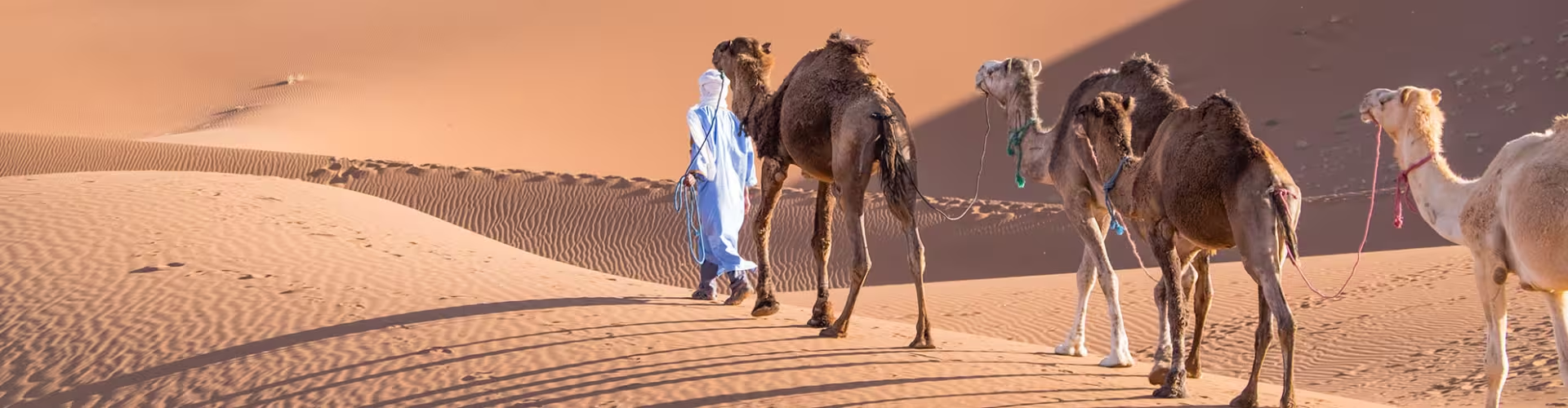


Erg Chigaga is one of Morocco’s most compelling Saharan dune landscapes, prized for its scale, silence, and sense of distance from the everyday. This guide focuses on practical decision-making, how to plan your route, what to do once you arrive, and how to shape the experience around light, weather, and comfort. If you are comparing desert options, Erg Chigaga is often chosen by travelers who want a wilder, less built-up feel and a deeper immersion in desert scenery.
Erg Chigaga delivers a big-dune Sahara mood, wide horizons, and nights where the sky becomes the main event. The signature vibe is remote and elemental, with long approaches that make arrival feel earned. Go when you want calmer desert energy and more time for sunrise and sunset pacing rather than rapid, checklist-style stops.
Erg Chigaga sits in Morocco’s Saharan zone and is typically approached via desert gateway towns and overland routes rather than direct access by standard city transport. Travelers commonly plan around larger hubs and airports, then connect by road toward the desert region, often using a 4x4 for the final approach. If you are also considering Merzouga, treat it as a separate desert base in the broader Sahara circuit, then decide which dune area best matches your time, comfort level, and appetite for remoteness.
Desert conditions are defined by temperature swings and exposure. Cooler periods are generally more comfortable for long drives, dune walks, and unhurried evenings outdoors, while hotter periods can shift activities toward early mornings and nights. Crowd levels often track comfort, so the most pleasant weather can also mean more demand for transport and camps, which makes planning and confirming logistics more important.
Plan for a mix of costs that can include transport, guiding, meals, and overnight arrangements. In remote desert settings, cash is often the simplest option for small purchases and tips, while cards can be less reliable away from larger towns. Build a buffer for logistics changes, since desert travel can be affected by weather, road conditions, and timing, and confirm what is included in any package before you commit.
Erg Chigaga is not about rushing between landmarks. The best experiences are built around light, quiet, and the feeling of being far from city noise. Use these ideas to curate a trip that fits your pace and comfort.
Sunset Dune Walk
The dunes change color quickly as the sun drops, shifting from pale gold to deeper amber tones. This is the simplest way to feel the scale of the landscape and find your own quiet viewpoint. Practical tip, start earlier than you think so you can walk slowly and still choose a spot before the best light hits.
Sunrise Photography Session
Morning light tends to be softer and can reveal fine ripple patterns in the sand. It is also a calmer time for footprints to be minimal, which helps if you want clean compositions. Practical tip, prepare the night before and keep your gear accessible so you can step out quickly.
Stargazing Night
A remote desert sky can become the highlight of the entire trip, especially when you give it time. The experience is less about equipment and more about patience and darkness. Practical tip, bring a warm layer for night temperatures and let your eyes adjust for at least 15 minutes.
4x4 Dune Approach and Scenic Stops
The journey is part of the story, with shifting terrain that emphasizes how remote the dunes feel. A skilled driver can also pick safe viewpoints and reduce unnecessary impact on fragile areas. Practical tip, confirm the route style in advance and ask for scenic pauses timed around sunset or sunrise.
Tea and Slow Desert Evenings
Desert travel rewards slowing down, especially after the approach drive. A simple tea ritual and conversation can become a grounding part of the experience. Practical tip, plan for a device-light evening, keep your phone away, and focus on the soundscape and the sky.
Sand Ripple and Texture Hunt
The dunes are not just big hills of sand, they are constantly reshaped by wind into patterns that feel almost sculpted. Looking closely adds depth to the visit and creates better photos than wide shots alone. Practical tip, walk along the leeward side for more pronounced ripples and fewer harsh gusts.
Quiet Time for Reflection
Many travelers underestimate how powerful silence can feel in a wide desert setting. Even a short period without talking can shift the experience from sightseeing to presence. Practical tip, choose a safe, visible spot not far from your group, then set a time to meet again.
Campfire Stories and Cultural Exchange
Evenings often bring shared moments, music, and storytelling that add human warmth to an otherwise elemental landscape. This is where you can learn about routes, weather, and desert life in a way that guidebooks cannot replicate. Practical tip, ask respectful questions and listen more than you speak, it makes the exchange feel genuine.
Plan an early departure from your gateway town so the approach does not eat the entire day. Aim for arrival with enough time for a slow dune walk, then settle into sunset viewing without rushing. After dark, prioritize stargazing and a relaxed evening routine, then return or continue onward depending on your transport plan.
Use day one for arrival, orientation, and a sunset walk that helps you understand the dune layout. Day two becomes your flexible day, with sunrise photos, downtime during peak heat, and a second sunset from a new vantage point so the landscape feels different. If you have a third day, keep it light, repeat what you loved most, and leave time for a calm departure rather than a stressful rush back to your next destination.
Food in desert settings often leans toward comforting, shareable dishes that travel well and suit evenings outdoors. What you eat may depend on your camp or tour arrangement, so treat these as useful references when discussing meals in advance.
Desert navigation is primarily about planning, communication, and choosing the right vehicle for the terrain. In many cases, a 4x4 is used for the final approach, and walking becomes the main way to explore once you are among the dunes. Safety and accessibility depend on heat, wind, and visibility, so keep water with you, avoid wandering far alone, and agree on meeting points if you split from your group.
In a desert itinerary, “day trips” often means nearby stops that add variety, culture, or scenery between long drives. Travel times can vary widely depending on the route and road conditions, so treat these as planning ideas to discuss with your driver or guide.
Erg Chigaga is commonly approached via overland routes and a final stretch that often suits 4x4 travel. The remoteness is part of the appeal, but it also means you should confirm logistics and timing in advance.
A one-day plan can cover the essentials, but it may feel rushed if the approach drive is long. Two to three days gives you time for both sunrise and sunset pacing and a more relaxed night routine.
Bring layers for temperature swings, plus sun protection and something to cover your eyes in wind. Comfortable closed shoes help with sand and stability during longer walks.
Erg Chigaga is best approached with careful planning because navigation, terrain, and conditions can change. Many travelers choose organized transport for the final approach, then explore on foot near camp with clear meeting points.
Sunrise and sunset usually offer the most flattering light and the most comfortable conditions. Midday can be hotter and brighter, which can make longer walks less enjoyable.