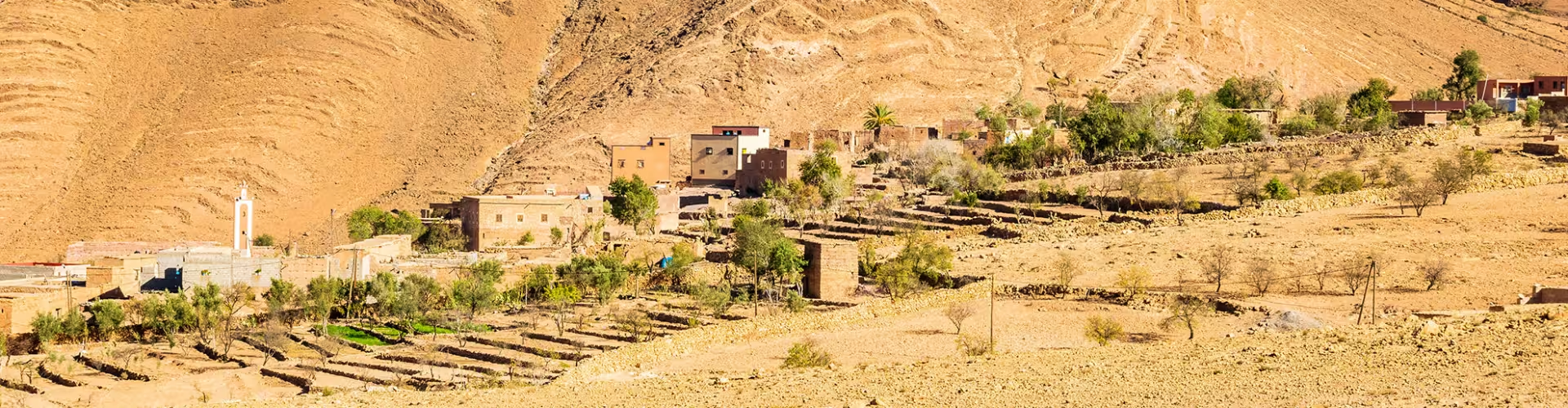


Tazenakht is a small Moroccan destination known for its artisan identity and an unhurried pace that suits travelers who value culture, craft, and landscape over checklists. This guide focuses on practical planning, what to do, and how to structure your time so you can make confident decisions. Expect a local feel, simple logistics, and a strong sense of place that pairs well with a wider route through southern Morocco.
Tazenakht feels grounded and craft-forward, a stop where everyday life and traditional know-how are part of the experience. Go now if you want a calmer alternative to bigger hubs, with time to slow down, observe, and shop thoughtfully. It works especially well as a connective point on a longer drive, adding texture and authenticity to a Morocco itinerary.
Tazenakht sits within Morocco and is commonly approached as part of a broader southern route. For most travelers, the easiest way to plan is to choose a major arrival hub, then continue overland by road. If you are building a multi-stop itinerary, treat it as a practical break that adds cultural depth, rather than a place that requires complex internal transit planning.
Seasonality in this part of Morocco typically affects comfort, road-trip pacing, and how much time you want outdoors. Warmer periods can make midday exploration feel slower, while cooler periods tend to be better for longer walks and scenic drives. Crowd levels are usually easier to manage than in Morocco’s biggest tourism centers, but you should still plan your day around light and temperature, with earlier starts for a smoother rhythm.
Carry cash for small purchases and day-to-day needs, especially if you plan to buy locally made items or stop in smaller shops. Keep a second payment method as backup, but assume cash will be the most dependable option for quick transactions. For budgeting, think in terms of flexible spending, set aside a dedicated amount for artisan goods, and keep smaller bills to simplify payments.
Note: Experiences in Tazenakht are often about process and place. Build time into your schedule so you can browse slowly, talk with artisans when appropriate, and avoid rushing purchases.
1) Explore local artisan shops
The signature appeal here is craft, and browsing locally made goods can be as memorable as a landmark visit. It is a chance to see patterns, materials, and techniques that reflect regional identity and everyday utility. Practical tip: shop with a plan, decide what you want to carry onward, and bring a reusable bag to protect delicate items during transit.
2) Learn how to evaluate quality before you buy
Shopping is more enjoyable when you know what you are looking at, including consistency of weave, finishing, and durability. A thoughtful purchase can become a long-term reminder of your trip, not just a souvenir. Practical tip: ask simple, respectful questions about materials and care, and compare a few options before committing.
3) Take a slow-town walk for atmosphere
The value of Tazenakht is often in the quiet details, daily routines, and the sense of a working town rather than a staged attraction. A walk helps you calibrate expectations and decide how to spend your time, whether that means more shopping, a rest stop, or onward travel. Practical tip: walk earlier in the day for more comfortable temperatures and better light for photos.
4) Use it as a road-trip reset point
If you are traveling through southern Morocco, stopping here can break up long driving segments and reduce fatigue. It can also improve your itinerary by adding a cultural anchor between bigger destinations. Practical tip: plan a realistic arrival time, then keep your first hour unscheduled so you can settle in and orient yourself.
5) Photograph textures, patterns, and street scenes
This is a destination that rewards detail, including textiles, storefront displays, and the subtle color palette of the built environment. Focusing on close-up subjects can produce stronger images than trying to force a classic postcard view. Practical tip: ask before photographing people or private spaces, and use soft morning or late-afternoon light for truer colors.
6) Build a purchase-and-shipping strategy
If you plan to buy larger items, logistics matter, especially when you have multiple stops ahead. Thinking through packing, protection, and transport helps you avoid last-minute stress. Practical tip: bring a small roll of tape or spare straps, and keep a clean sheet or lightweight cover to protect purchases in a vehicle.
7) Pair craft browsing with a relaxed café stop
A calm break makes the day feel less transactional and more immersive, especially when you are moving between shops. It also gives you time to review what you have seen and avoid impulse decisions. Practical tip: take notes or photos of items you like, then return later if you still feel confident about the purchase.
8) Use the destination to practice respectful bargaining etiquette
In many parts of Morocco, negotiation can be part of the buying process, but it should feel friendly and fair. Approaching it as a cultural exchange can improve the experience for both sides. Practical tip: keep your tone warm, be ready to walk away politely, and avoid pushing for an unrealistic price.
Start with an early walk to get a feel for the town’s rhythm and to spot shops you want to revisit. Spend late morning comparing artisan goods, taking photos of patterns and textures, and narrowing down your shortlist before buying. After a midday pause, return to your top picks, complete purchases, and set up a simple packing plan for onward travel.
On day one, focus on orientation and browsing, then sleep on any major purchase decision. On day two, return with clearer priorities, ask practical questions about materials and care, and buy with confidence, then spend the afternoon on a slower walk to notice details you missed. If you have a third day, keep it flexible for revisits, additional browsing, or using Tazenakht as a comfortable base while you refine the next leg of your route.
Food experiences can vary by venue and season, but Moroccan staples are a reliable way to eat well and keep your day moving smoothly.
Getting around is usually straightforward, with walking suitable for short distances and a road-based approach best for arriving and departing. If you are connecting multiple destinations, plan your day around driving time and daylight, and keep a buffer for stops that run longer than expected. For safety and comfort, carry water, protect yourself from sun exposure, and keep your valuables secure when moving between shops and cafés.
Many travelers pair Tazenakht with other stops on a southern Morocco route, using it as a cultural counterpoint to larger attractions. Day-trip feasibility depends on your road plan, daylight, and how much time you want to spend shopping versus driving.
For a quick stop focused on browsing, a single day can work well. If you want to compare items carefully and avoid rushed purchases, consider 2 days.
It can be either, depending on your route and pace. An overnight makes it easier to shop thoughtfully and continue driving with more energy.
Yes, cash is the most practical option for small purchases and everyday transactions in Tazenakht. Bring smaller bills so you can pay without delays.
Focus on a short orientation walk, then choose a small number of artisan shops to browse carefully. Take notes or photos so you can decide quickly without feeling pressured.
Earlier in the day is usually more comfortable for walking and browsing, especially in warmer periods. Late afternoon can be great for softer light and more atmospheric street photos in Tazenakht.