Explore Tours

Build your dream
experience

More to know about El Jadida
El Jadida Travel Guide
El Jadida is a laid back Atlantic city where sea breezes, Portuguese era stonework, and everyday Moroccan life meet at an easy pace. It suits travelers who want history you can touch, long coastal walks, and a base that feels local rather than over curated. This guide focuses on practical planning, what to prioritize, and how to shape your days for maximum atmosphere with minimal stress.
Snapshot
El Jadida delivers a coastal reset with a heritage core, a working port feel, and a calm rhythm that makes slow travel easy. Go for the blend of oceanfront light, fortified architecture, and café culture that leans more local than headline hot spots. It is especially appealing when you want Morocco’s Atlantic side without the intensity of larger cities.
🗺️ Geography and Logistics
📍 Orientation: Where is it within Casablanca-Settat Region and Morocco?
El Jadida sits on Morocco’s Atlantic coast in the Casablanca-Settat Region, making it a natural add on to itineraries that include Casablanca and other coastal stops. Think of it as a seaside counterpoint to big city energy, with a compact center that is straightforward to explore on foot. For arrivals, the most practical gateways are the major transport hubs in the region, especially Casablanca, then continuing onward by road or rail connections depending on your route.
🕒 When to Go: Seasonal breakdown. Weather patterns vs. crowd levels.
As an Atlantic destination, the city’s vibe is strongly shaped by sea air and coastal weather patterns. Warmer months bring a beach forward atmosphere and more domestic travel, while shoulder seasons often feel calmer and easier for unhurried sightseeing. If you prioritize photos and long walks, aim for days with clear light and plan outdoor time earlier or later in the day for comfort.
💰 Budget & Currency: Practical money tips, local price levels, and card vs. cash advice.
Moroccan dirham is the day to day currency, and it helps to keep small bills for taxis, tips, and quick snacks. Cards can work in more formal settings, but cash remains useful for markets and smaller cafés. Budget expectations vary by travel style, but El Jadida generally supports good value days when you mix simple local meals with a few paid highlights.
⭐ Essential Things to Do
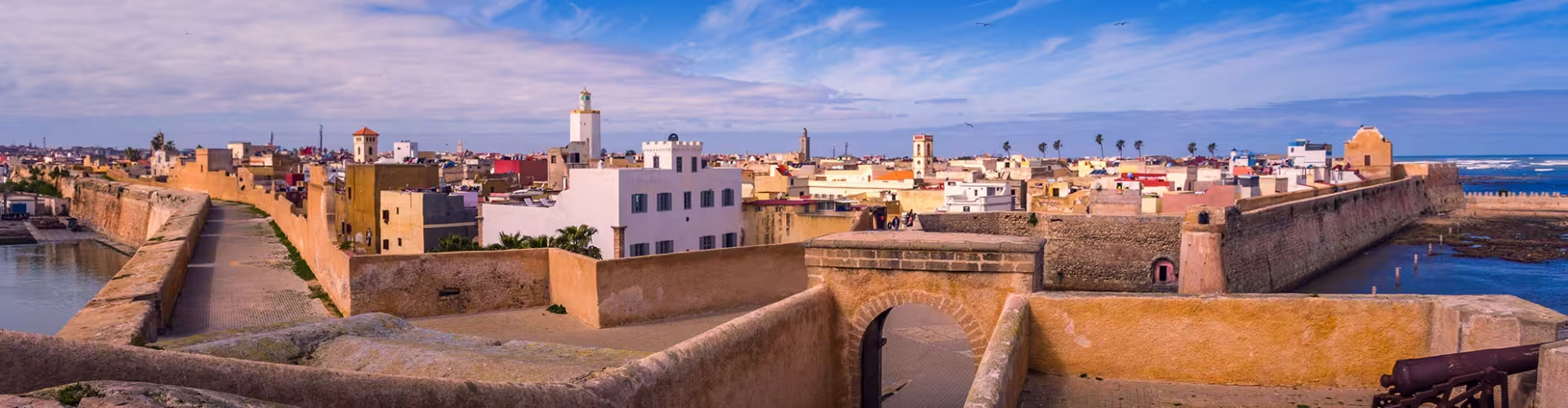
Portuguese City of El Jadida (Cité Portugaise). The fortified quarter is the city’s signature, with thick walls and a distinct Iberian imprint that sets the tone for the whole visit. It matters because it frames El Jadida as a crossroads of Atlantic trade, defense, and layered identities. Practical tip, go early for softer light and fewer people in narrow lanes, then return near sunset for the sea facing views.
El Jadida Medina Walk. Beyond the postcard corners, everyday streets and small storefronts show how the city actually functions. It matters because you get a grounded sense of place, from daily shopping rhythms to local cafés. Practical tip, keep your route simple, pick one main street to follow, then branch off briefly and return to avoid getting turned around.
Skala and Sea Wall Stroll. Coastal ramparts and lookout points turn a simple walk into a scenic highlight, especially when Atlantic winds pick up. It matters because the city’s relationship with the ocean becomes tangible, you feel the scale of the coastline and the defensive logic of the walls. Practical tip, bring a light layer even on warm days, the breeze can be strong.
Beach Time on the Atlantic. The shoreline is a major reason people choose El Jadida, offering space to decompress between cultural stops. It matters because the city is not only about monuments, it is also about open horizons and the restorative pace of the coast. Practical tip, plan beach hours around the day’s heat and wind, and keep footwear that handles sand and pavement.
Harbor and Working City Views. Watching boats, fishermen, and the port’s daily motion adds a real world layer to your itinerary. It matters because it connects the historic fortifications to the modern economy and daily life. Practical tip, go with a respectful distance, and avoid blocking work areas while taking photos.
Café Culture Break. A long coffee or mint tea pause is not wasted time here, it is part of the travel experience. It matters because it lets you absorb the city’s tempo, people watch, and reset before your next walk. Practical tip, choose a seat with a view of a main street or the sea, then order something small with your drink to linger comfortably.
Photography Loop in the Old Quarter. Stone textures, sea light, and geometric details reward slow observation. It matters because El Jadida photographs best when you focus on patterns, doors, and angles rather than trying to capture everything at once. Practical tip, use early morning light for architecture, then shift to coastal shots later in the day.
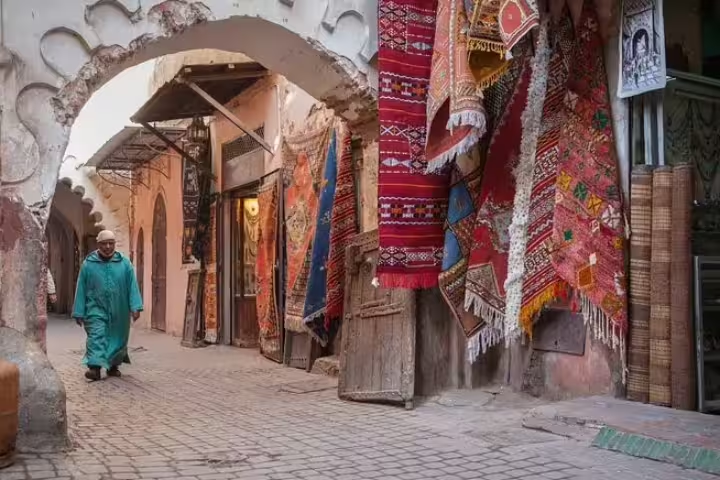
Local Market Browsing. Even a short pass through stalls and small shops gives you quick insight into local tastes and practical life. It matters because markets turn a destination from scenery into a lived in place. Practical tip, carry small change, ask before photographing people, and keep your bag close in busier corridors.
🚶 Curated Itineraries
⏰ The Highlights (1 Day): A fast paced “Best Of” route
Start in the fortified Portuguese quarter while the streets are quiet, then follow the walls toward the sea for wide angle views. Pause for a café break to match the city’s relaxed rhythm, then continue with a medina walk that mixes everyday life with historic corners. End the day with a coastal stroll and beach time, timing your final views for late afternoon light.
⏰ Deep Dive (2-3 Days): Adding neighborhood exploration and local secrets
Use day one for the core heritage loop, including the Portuguese city, ramparts, and the most photogenic lanes. On day two, slow down and explore beyond the obvious routes, add market browsing, a longer harbor walk, and an extended café stop where you can read, journal, or plan the next leg of your Morocco trip. If you have a third day, keep it flexible for weather, return to favorite viewpoints, and build in extra beach hours to make El Jadida feel like a true pause rather than a checklist stop.
🍽️ Flavors of El Jadida
Grilled Sardines. Simple, smoky, and salty in the best way, sardines are a classic Atlantic coast staple. Ordering tip, ask for a grilled preparation and pair it with salad for a balanced, budget friendly meal.
Seafood Tagine. Expect warm spices and a gentle sauce that complements fish rather than masking it. Ordering tip, ask what the catch of the day is, then choose based on freshness.
Couscous. Fluffy grains with vegetables and optional meat, it is comfort food with depth and aroma. Ordering tip, ask which day couscous is served as a special, some places treat it as a weekly highlight.
Harira. A rich soup with a hearty texture, often enjoyed as a warming option when the ocean breeze turns cool. Ordering tip, pair it with bread and keep it as a light meal between sightseeing blocks.
Mint Tea. Sweet, fragrant, and served with ceremony, it is as much a pause as it is a drink. Ordering tip, if you prefer less sugar, request it politely when ordering.
Moroccan Pastries. Honeyed, nutty, and satisfying in small portions, ideal with tea or coffee. Ordering tip, buy a mixed selection so you can sample different textures without over ordering.
🚌 Navigation & Transport
The center of El Jadida is well suited to walking, especially around the old quarter and coastal viewpoints, so comfortable shoes matter. For longer hops, use local taxis or arranged rides, and confirm the route and expected cost approach before you set off. If you are connecting onward to regional hubs, plan a buffer for traffic and station time, and keep small cash handy for short rides and tips. As with any busy area, stay aware in crowded streets, keep valuables secure, and choose well lit routes at night.
🌄 Beyond the Center: Day Trips
Casablanca. A major regional hub with big city energy and transport connections, it works well as a culture and architecture contrast to the calmer coast. Travel time depends on your chosen transport, so start early to maximize your day.
Azemmour. A nearby riverside town known for atmosphere and a more intimate, local feel. It is a good choice when you want a short outing that still feels distinct from El Jadida.
Oualidia. A coastal escape often associated with lagoon scenery and a slower seaside mood. It is best approached as a full day where the journey is part of the experience.
Rabat. Morocco’s capital adds museums, formal boulevards, and historic layers that complement an Atlantic itinerary. It is most comfortable as a longer day trip with an early departure.
✅ Insider Tips for Travelers
- Prioritize the fortified Portuguese quarter early in the day, then save the sea wall for late afternoon light.
- Carry small cash for taxis, snacks, and market purchases, it reduces friction in everyday transactions.
- Pack a light layer, Atlantic breezes can make coastal walks feel cooler than expected.
- Ask before photographing people in markets and residential lanes, it is respectful and usually appreciated.
- Keep your itinerary flexible, weather and wind can change the comfort level of beach time.
- Choose shoes that handle uneven stone and long walks, the old quarter is best explored slowly.
❓ Frequently Asked Questions, FAQ
Is El Jadida easy to explore without a car?
Yes, many key areas are walkable, especially the historic quarter and the coastal promenade. For longer distances, local taxis can fill the gaps, and it helps to keep small cash for short rides.
How many days do I need in El Jadida?
One day covers the main highlights at a brisk pace. Two to three days gives you time for beach hours, slower photography, and a more relaxed café rhythm.
What should I pack for an Atlantic coast visit?
Bring comfortable walking shoes and a light layer for wind, especially near the sea walls. Sunglasses and sun protection are useful when you spend long stretches outdoors.
Is El Jadida a good base for day trips?
Yes, it can work well if you want a calmer place to sleep while sampling nearby cities and coastal spots. Plan early departures and keep extra time for transport variability.
What is the best time of day for photos in El Jadida?
Morning light is great for architecture and quieter lanes, while late afternoon suits coastal views. If you want fewer people in your shots, start earlier and linger at viewpoints later.
This destination guide to El Jadida is written by Toursxplorer.com to help travelers plan an Atlantic coast stop in Morocco’s Casablanca-Settat Region. It summarizes logistics, key experiences, and practical planning considerations for short stays and add on itineraries.
Africa, Morocco, Casablanca-Settat Region, El Jadida