





Chamarel is one of Mauritius’s most memorable inland stops, known for dramatic scenery, forested viewpoints, and a slower, nature-first rhythm that contrasts with the island’s beach resorts. Travelers come for the iconic geological colors, lush cascades, and the feeling of being on a cooler, greener plateau above the coast. This guide focuses on how to plan a smooth visit to Chamarel with practical logistics, curated experiences, and realistic pacing for a day trip or a short stay.
Chamarel delivers a high-impact mix of rainforest textures, volcanic earth tones, and panoramic lookouts that feel made for unhurried exploration. The signature vibe is scenic and grounded, a place where viewpoints and short walks do most of the talking. Go now if you want a nature-forward day that pairs well with the beaches of the west, especially if you enjoy photography, easy hikes, and local flavors.
Chamarel sits in the Rivière Noire District on the southwest side of Mauritius, inland from the coastal hotel zones and lagoons. It is typically approached by road from the west coast, making it a natural add-on to a stay around the Black River area. For most visitors, the main gateway is Mauritius’s international airport, then a drive across the island to reach the cooler highlands.
Expect the upland climate to feel cooler and sometimes wetter than the coast, which can be a relief on hot days and a factor for visibility at viewpoints. Clear conditions make the biggest difference for photos and panoramic stops, while light rain can make short trails slick. If you prefer a quieter experience, aim for earlier starts because day trippers often arrive later in the morning.
Mauritius uses the Mauritian rupee, and it is smart to keep a mix of card and cash for small purchases and quick stops. In a rural setting like Chamarel, cash can be more convenient for snacks, small vendors, and tips. Build a flexible budget for transport, food, and any paid attractions you choose to include, and keep a little extra for spontaneous viewpoint stops.
1) Seven Coloured Earth viewpoint
This is the signature landscape associated with Chamarel, and it is memorable because the colors shift subtly with light and weather. Beyond the photos, it is a reminder of Mauritius’s volcanic origins and how geology shapes the island’s interior. Practical tip: visit earlier in the day for softer light and calmer viewing conditions, and bring a lens cloth because humidity can fog cameras.
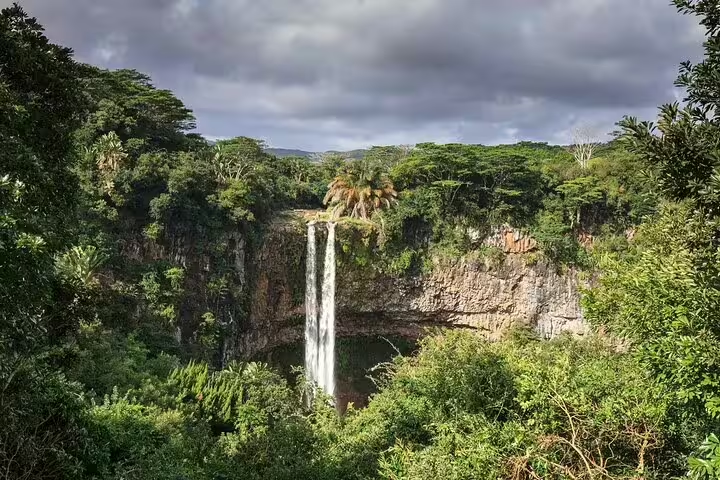
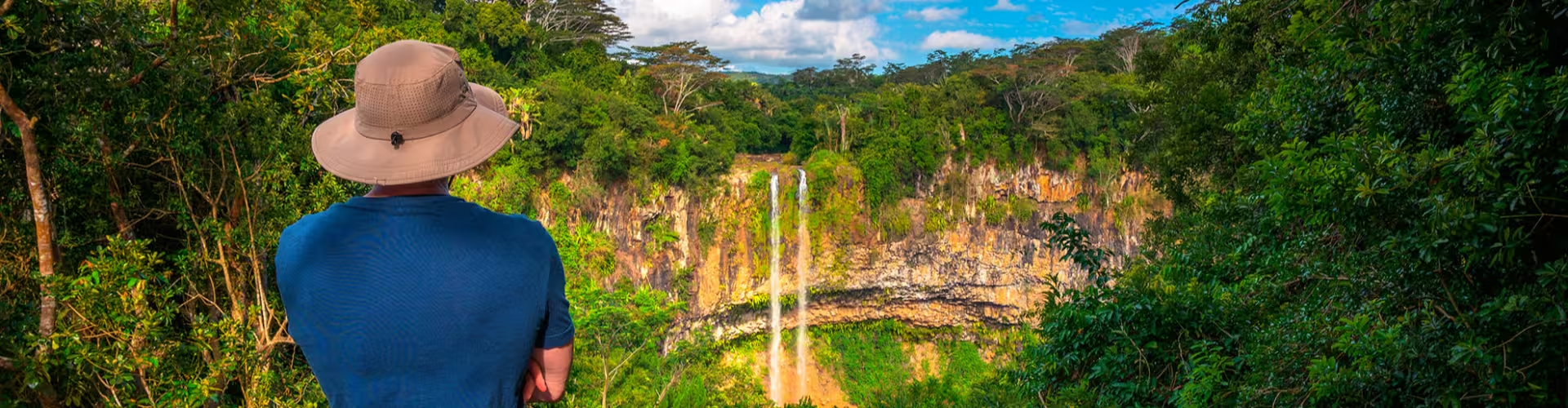
2) Chamarel Waterfall lookout
The waterfall scene is about scale and atmosphere, with dense greenery framing the drop and creating a distinctly tropical feel. It is a quick stop that adds variety to a day of viewpoints, and it pairs well with short drives between sites. Practical tip: after rain, the flow can look more dramatic, but watch your footing and keep a light rain layer in your day bag.
3) Scenic drives through the highlands
The roads around Chamarel deliver constant micro-scenery, changing from forest to fields to sudden valley views. This matters because the journey is part of the experience, especially if you are used to coastal Mauritius and want a different side of the island. Practical tip: if you are prone to motion sensitivity, sit up front, take breaks at viewpoints, and keep water handy.
4) Viewpoints over the southwest coast
High lookouts help you understand the geography of Mauritius, with lagoon blues and darker offshore water visible on clear days. These stops are ideal for travelers who like wide landscapes rather than only close-up attractions. Practical tip: pack a light layer because wind can be stronger at elevation, even when the beach feels hot.
5) Short nature walks and photo stops
You do not need a long hike to feel immersed here, because even brief walks reveal birdsong, thick vegetation, and rich earth tones. This matters for pacing, it breaks up driving and helps you slow down in a place designed for looking, listening, and breathing. Practical tip: wear shoes with grip and avoid smooth soles, especially if the ground is damp.
6) Local rum and sugar heritage tastings
The southwest is closely linked to sugar and rum culture, and tastings add a human, craft-based layer to a scenic day. It matters because it connects landscapes to livelihoods, from cane fields to distillation traditions. Practical tip: schedule tastings after your main driving and keep it moderate if you still have mountain roads ahead.
7) A slow lunch with Mauritian Creole flavors
A sit-down meal in Chamarel is part of the appeal, giving you time to reset between viewpoints and enjoy the cooler inland air. It matters because food here often reflects the island’s blend of Indian, African, European, and Chinese influences. Practical tip: ask what is freshest that day and choose one or two signature dishes rather than over-ordering.
8) Golden hour photography in the uplands
Late-day light can soften contrasts and bring out warm tones in the landscape, which is ideal if your goal is mood and depth rather than midday brightness. This matters because the interior can feel cinematic when light hits the valleys at an angle. Practical tip: confirm your return route and drive times before staying late, and keep a small flashlight in case you leave after sunset.
Start with an early departure toward Chamarel to maximize clear views and reduce time spent behind day-trip traffic. Prioritize the major viewpoints first, then add the waterfall lookout and a short walk to stretch your legs. Finish with a relaxed lunch and one final panoramic stop before returning to the coast, keeping extra time for road curves and photo breaks.
With two to three days, Chamarel becomes less of a checklist and more of a slow landscape experience. Use day one for the headline sights and a sunset viewpoint, then dedicate day two to tastings, longer nature time, and unplanned stops along the scenic roads. If you add a third day, keep it flexible for weather, because visibility can change quickly and the best moments often come when the clouds lift.
Dholl puri
Thin flatbread filled with split peas, usually served with chutneys and curry sides, it is soft, savory, and satisfying. Ordering tip: ask for a mix of chutneys to balance heat, sweetness, and acidity.
Rougaille
A tomato-based Creole-style sauce often paired with proteins, it tastes bright, tangy, and gently spiced. Ordering tip: ask what it is served with that day and choose the version that matches your spice comfort.
Curry
Mauritian curries vary widely, often aromatic rather than aggressively hot, with layered spices and comforting textures. Ordering tip: if you want mild, say so, and add heat at the table if available.
Biryani
Fragrant rice with spices and protein, it is rich and filling, ideal after a morning of viewpoints and short walks. Ordering tip: share if you are also trying multiple dishes, because portions can be generous.
Gateau piment
Chili fritters that are crisp outside and soft inside, often eaten as a snack. Ordering tip: pair with something cooling to drink if you are sensitive to spice.
Fresh tropical juices
Juices can be vibrant and refreshing, especially in the warmer parts of the day. Ordering tip: ask if it is freshly pressed and request no added sugar if you prefer a cleaner taste.
Most travelers visit Chamarel by car, taxi, or a guided tour because the inland roads connect multiple viewpoints that are spread out. Driving is straightforward but can be curvy, so build in buffer time and avoid rushing between stops. Walking works best for short trails and viewpoint areas rather than for moving between major attractions. For safety and comfort, carry water, keep a light rain layer, and wear shoes with grip, because weather changes can make surfaces slick.
Black River area (Rivière Noire)
Travel time varies by route, and it is a natural pairing with Chamarel because it anchors the district’s coastal side. Visit for lagoons, a different climate, and an easy contrast between inland greens and seaside blues.
Le Morne region
A short-to-moderate drive from the southwest interior depending on your starting point. Go for dramatic coastal scenery and a change of pace after upland viewpoints.
West coast beaches
Convenient for a same-day combo, especially if you want to end your day with a swim or a sunset by the lagoon. The main reason to visit is simple recovery, warm water, and beachside dining.
Southwest coastal lookouts
Drive time depends on which stops you choose, and the reward is a broader sense of Mauritius’s shoreline. Visit for windier, wilder coastal views that complement the inland calm.
Is Chamarel suitable for a day trip?
Yes, many travelers visit as a day trip because the key viewpoints and stops can fit into a single loop. An early start helps you enjoy clearer views and a more relaxed pace.
How much time should I plan for Chamarel?
Plan a full day if you want to include multiple viewpoints, a short walk, and a sit-down meal. If you prefer a slower rhythm, consider spreading your visit across two days.
What is the best way to get around Chamarel?
The easiest way is by car, taxi, or guided tour since the main sights are spread out and the roads are curvy. Walking is best for short trails and viewpoint areas rather than between major sites.
What should I pack for Chamarel?
Bring water, a light rain layer, and shoes with good grip because upland weather can change and paths can be slick. A lens cloth is useful for humidity and mist at viewpoints.
Can I combine Chamarel with the west coast in one day?
Yes, Chamarel pairs well with west coast beaches because you can start inland, then finish by the lagoon later in the day. Build extra time for scenic stops and slower driving on mountain roads.