

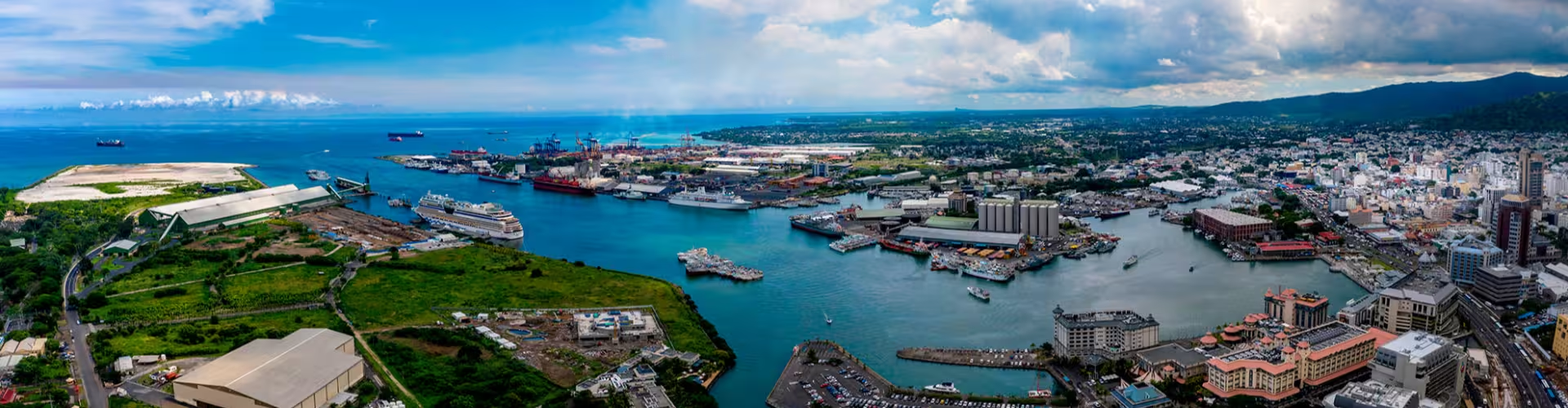



Port Louis is Mauritius’s capital, a working waterfront city where colonial-era streets, bustling markets, and a modern business district meet the Indian Ocean. It is a practical base for travelers who want culture, street food, museums, and easy access to the island’s north and west coasts. This guide focuses on decision-ready planning, what to do, how to get around, what to eat, and how to build an itinerary that fits your pace.
Port Louis feels energetic and real, a place of commerce, creole culture, and everyday Mauritian life, with the harbor as a constant backdrop. Come for the markets and street eats, then stay for heritage sites and a surprisingly scenic waterfront. It is especially rewarding if you like cities that reveal themselves through neighborhoods, food stalls, and small museums rather than a single headline attraction.
Port Louis sits on the northwest coast of Mauritius, facing its main harbor and backed by low mountains that frame the skyline. As the national capital, it functions as a transport and business hub, with roads radiating toward the northern beaches and the west coast. For arrivals, most international travelers enter Mauritius via the island’s main airport, then continue by road to the capital.
Plan around your comfort with heat, humidity, and rain, since city sightseeing is more enjoyable when you can walk between stops without feeling rushed. In warmer, more humid periods, schedule outdoor exploring in the morning and keep midday for museums, covered markets, or long lunches. If you prefer a calmer feel, prioritize days and times when local commuting and shopping crowds are lighter, and build in flexibility for short rain showers.
Mauritius uses the Mauritian rupee, and a mix of card and cash is the most practical approach for city days. Keep small cash on hand for market snacks, quick purchases, and smaller vendors, then use cards for larger restaurants and many attractions. For budgeting, think in categories rather than exact prices, with street food and market bites typically the best value, and waterfront dining and curated experiences often costing more.
Port Louis rewards travelers who combine heritage, food, and waterfront time. Use this list to build a balanced day, mixing indoor and outdoor stops, and leaving space for spontaneous finds.
Central Market
Why it matters, this is where the city’s rhythms are easiest to feel, with produce, spices, and everyday shopping creating a vivid snapshot of local life. The sensory detail is the point, colorful fruit stands, fragrant spice piles, and quick conversations at the counters. Practical tip, go earlier in the day for a smoother walk-through and keep your bag secure in busy aisles.
Caudan Waterfront
Why it matters, the waterfront area offers an easy, scenic counterbalance to the market bustle, with open-air promenades and harbor views. It is a good place to reset, shop for gifts, or plan your next stop while watching boats and city life intersect. Practical tip, time your visit for late afternoon for softer light and a more relaxed pace.
Aapravasi Ghat
Why it matters, this heritage site anchors a major chapter of Mauritian history connected to indentured labor and migration, and it adds depth to everything you see in the city today. It is a place for quiet reflection, and it helps contextualize Mauritius’s multicultural identity. Practical tip, read the on-site interpretation slowly, then continue your day with a mindful walk through the nearby streets.
Blue Penny Museum
Why it matters, this museum is a focused way to understand the island’s maritime past and cultural layers through curated exhibits. It is especially helpful if you want context without committing to a full day of museums. Practical tip, use it as a midday stop when the sun is strongest, then return outside for waterfront strolling.
Citadel Fort Adelaide
Why it matters, the fort’s elevated position makes it one of the best spots to understand the city’s geography, with the harbor, rooftops, and mountain backdrop visible at a glance. It also connects you to the island’s colonial-era defenses and strategic port history. Practical tip, bring water and plan the climb for cooler hours, and prioritize clear-weather moments for the best views.
Chinatown
Why it matters, Chinatown adds another layer to the city’s multicultural fabric, with small shops, food finds, and streets that feel distinct from the business district. It is ideal for travelers who like to explore on foot and follow curiosity from one storefront to the next. Practical tip, pair it with a street food stop and keep your route simple so you can wander without rushing.
Jummah Mosque area
Why it matters, this area highlights the city’s living religious and architectural heritage and shows how faith, commerce, and community coexist in close quarters. Even from the outside, the atmosphere can be striking, especially when the surrounding streets are active. Practical tip, dress modestly, be respectful with photos, and keep your visit calm and observant.
Street food tasting walk
Why it matters, tasting your way through the city is one of the fastest routes to understanding Mauritian culture, where Indian, Chinese, African, and European influences meet. It is also budget-friendly and naturally turns sightseeing into a series of memorable stops. Practical tip, share portions, pace yourself, and keep napkins and water with you.
Start with the Central Market for morning energy, quick breakfast bites, and a first look at local ingredients. Continue to Aapravasi Ghat for historical context, then head toward the waterfront for a break and an easy lunch near Caudan Waterfront. In the afternoon, choose one museum stop such as the Blue Penny Museum, then finish with a viewpoint visit to Citadel Fort Adelaide if the weather is clear.
Day one follows the highlights, but slow down your market time and add a dedicated street food loop for lunch and snacks. Day two can focus on neighborhood texture, spend time walking through Chinatown, then explore nearby streets for small shops and cafés, and finish with a longer waterfront sunset stroll. If you have a third day, use Port Louis as a base for a day trip, then return for a relaxed dinner and an evening walk where the city feels less businesslike and more local.
Eating in Port Louis is about variety and layering, spicy, tangy, and savory flavors often appear in the same meal. Focus on small portions so you can try more than one specialty in a single day.
Dholl puri
Taste profile, soft flatbread filled with split peas, often paired with chutneys and curries for a comforting, savory bite. Ordering tip, ask for a mix of accompaniments so you can compare flavors and heat levels.
Roti and curry
Taste profile, hearty and aromatic, with sauces that can range from mild to spicy depending on the vendor. Ordering tip, start mild if you are unsure, then add chili or pickles gradually.
Boulettes
Taste profile, delicate dumplings often served in a warm broth, satisfying without feeling heavy. Ordering tip, try a mixed selection to sample different fillings in one bowl.
Gateaux piments
Taste profile, crisp fritters with a savory, spiced kick, ideal as a snack between sights. Ordering tip, buy a small portion first, then return for more if you want a fresher second round.
Mauritian noodles
Taste profile, quick, savory street food with a Chinese influence, often customized with sauces and toppings. Ordering tip, ask for sauce on the side if you want more control over salt and spice.
Fresh tropical fruit and juices
Taste profile, bright and refreshing, perfect for balancing spicy foods and warm weather walking. Ordering tip, choose busy stalls for faster turnover and fresher prep.
Port Louis is walkable in compact areas, especially between the market zone, key heritage points, and the waterfront, but you should plan routes with heat and elevation in mind. For longer hops or when you want to save energy, use taxis or ride-hailing where available, and confirm the approach to fares before you set off. Public transport connects the capital to other parts of Mauritius, which is useful for day trips, but allow extra time if you are traveling during commuter peaks. In crowded areas, keep valuables secure, stay aware at crossings, and choose comfortable shoes for uneven sidewalks and steps.
Use Port Louis as a practical launch point for exploring Mauritius beyond the capital, especially if you want to combine city culture with landscapes and coastal time. Travel times vary by traffic and route, so build buffer time and keep your return plan simple.
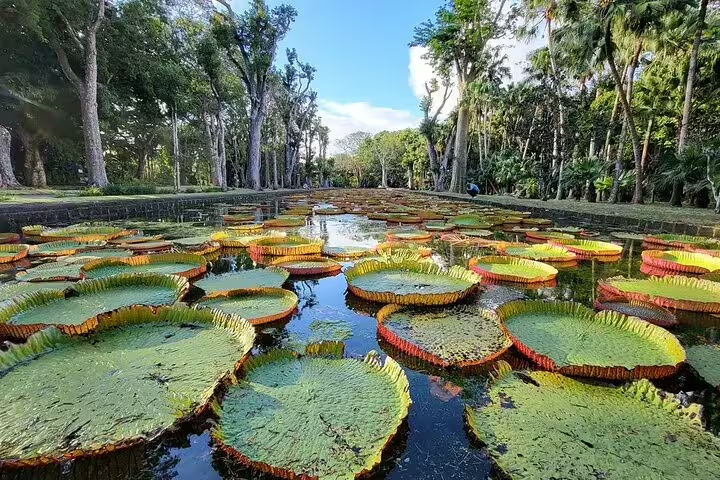
Pamplemousses and its famous botanical gardens area
Reason to visit, a greener, slower-paced contrast to the city, ideal for plant lovers and photographers. Travel time, a short road journey from the capital, depending on traffic.
Grand Baie
Reason to visit, a lively coastal town atmosphere that pairs beach time with shopping and dining. Travel time, typically reachable by road from the capital within a manageable day trip window.
Flic en Flac
Reason to visit, a popular west coast beach area for swimming, sunsets, and a relaxed shoreline feel. Travel time, accessible by road, with timing dependent on city traffic when leaving or returning.
Chamarel area
Reason to visit, a scenic inland experience that highlights Mauritius’s natural side and makes a strong contrast to the port city environment. Travel time, longer than north coast trips, so it fits best as a full-day outing.
Is Port Louis worth visiting if I am staying at a beach resort?
Yes, it adds culture, history, and food that many beach areas cannot replicate. A single day can cover a market visit, a heritage stop, and a waterfront walk.
How much time should I plan for Port Louis?
One day covers the main highlights at a brisk pace, while two to three days lets you explore neighborhoods and eat more widely. If you enjoy museums and street photography, extra time feels rewarding.
What is the best way to get around Port Louis?
Walking works well for clustered sights, but heat and hills can make short taxi rides worthwhile. Keep your day flexible, and group nearby stops to reduce backtracking in Port Louis.
Should I carry cash for markets and street food?
Yes, small cash is useful for quick purchases and snacks, especially in busy market areas. Cards are still helpful for larger restaurants and some attractions, so a mix is ideal.
Can I do day trips from Port Louis without renting a car?
Yes, you can combine public transport and taxis depending on where you want to go and how much time you have. Start early and leave buffer time for the return journey to Port Louis.