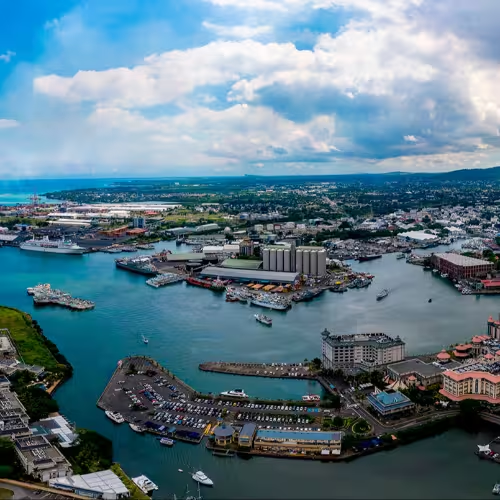
Pamplemousses is a vibrant region in northern Mauritius, home to the renowned Sir Seewoosagur Ramgoolam Botanical Garden and a rich tapestry of cultural landmarks. This picturesque area blends colonial heritage with lush tropical landscapes, offering visitors a glimpse into Mauritius' diverse history and natural beauty.
What to see in Pamplemousses
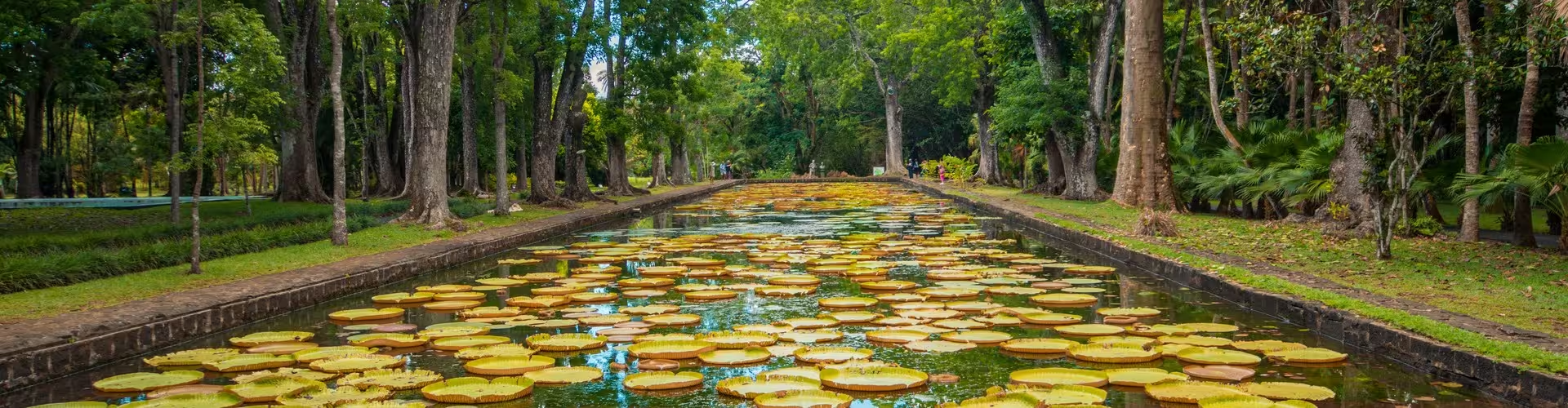
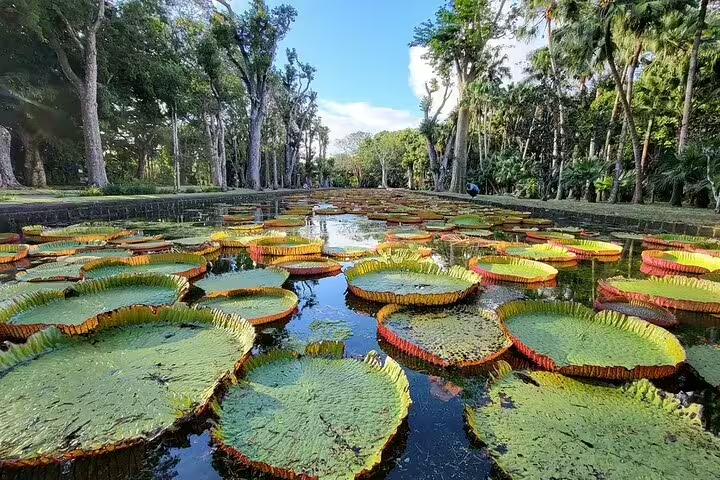
The Sir Seewoosagur Ramgoolam Botanical Garden stands as the region's premier attraction, showcasing exotic plants, towering palms, and tranquil water features spanning 60 hectares. Visitors can explore colonial-era architecture, Hindu temples, and the L'Aventure du Sucre heritage site, which documents Mauritius' sugar industry heritage and offers immersive cultural experiences.
Things to do in Pamplemousses
Guided botanical garden tours provide in-depth knowledge of tropical flora and medicinal plants found throughout the grounds. Visitors can enjoy leisurely walks through manicured gardens, photograph giant water lilies, and visit nearby Hindu temples for authentic cultural immersion. Day trips often combine garden visits with local rum distillery tours and traditional Mauritian cuisine experiences.
Cultural Heritage and Gardens
Pamplemousses represents the intersection of nature and Mauritian cultural identity, where the botanical garden serves as both a scientific institution and a symbol of the island's botanical legacy. The region's temples and historical sites reflect the multi-religious fabric of Mauritius, making it a significant destination for understanding the island's diverse communities and traditions.
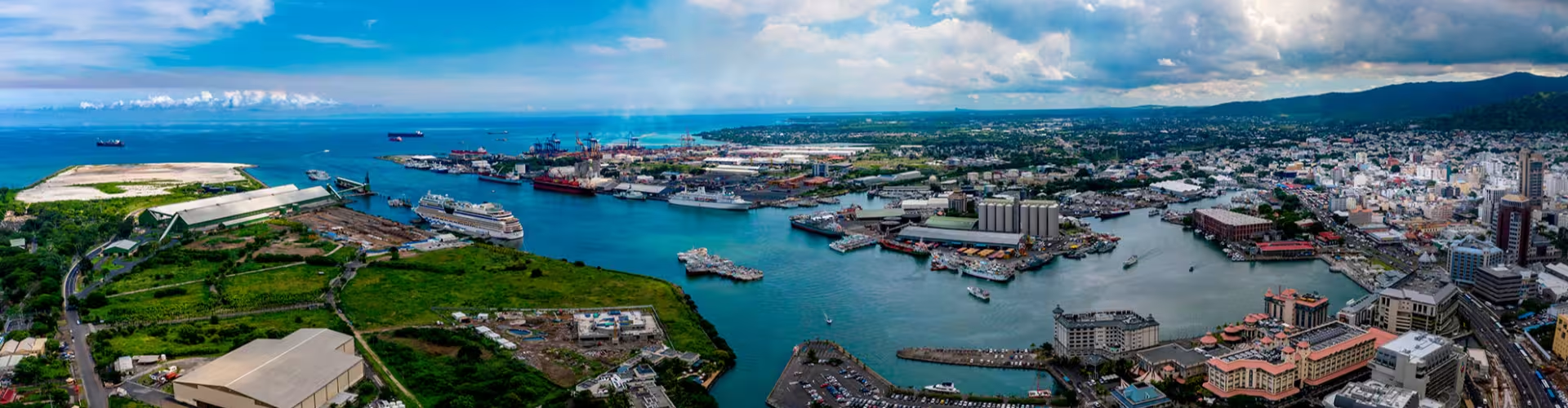
Pamplemousses is located in the northern region of Mauritius, approximately 10 kilometers north of Port Louis. The area serves as a major cultural and botanical hub for the island, attracting visitors from around the world seeking to experience Mauritius' diverse heritage and natural landscapes.
Pamplemousses represents a unique blend of botanical excellence and cultural significance in Mauritius. The region's attractions showcase the island's commitment to preserving its natural environment and celebrating its multi-cultural identity through well-maintained gardens, historical sites, and religious landmarks.