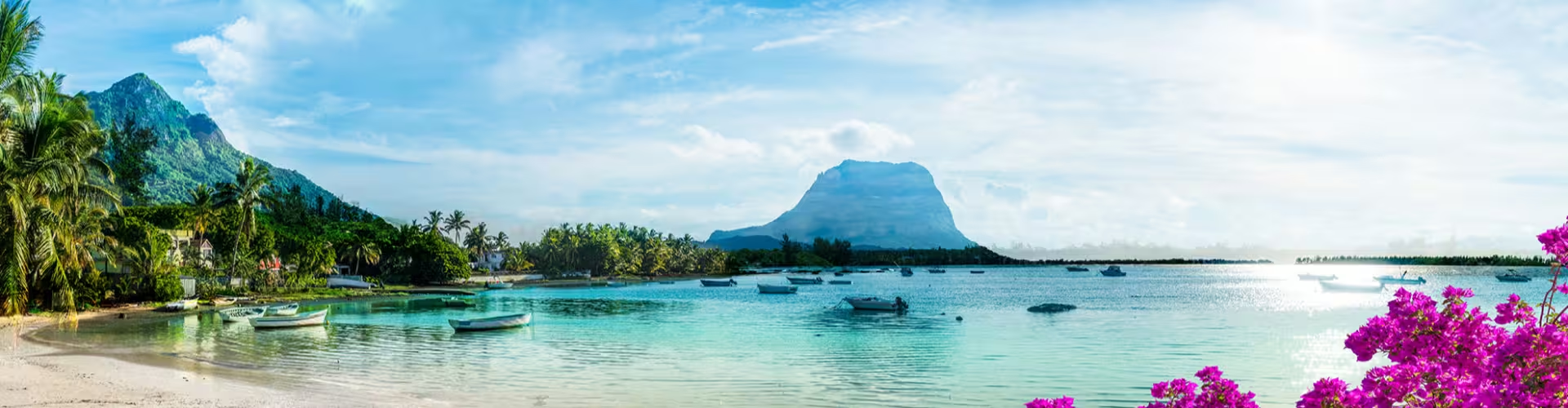
Mauritius is an Indian Ocean island nation off the southeast coast of Africa, known for lagoon protected beaches, volcanic landscapes, and a multicultural food scene shaped by African, Indian, Chinese, and French heritage. This guide focuses on practical planning, what to do, how to get around, and how to choose experiences that match your pace, whether you want relaxed beach time or active days in nature. Use it to compare regions, build an itinerary, and travel with confidence across Mauritius.
Mauritius balances laid back coastal living with dramatic inland scenery, so you can pair lagoon swims with rainforest hikes in the same trip. The signature vibe is easygoing and outdoorsy, with a strong sense of cultural mix that shows up most clearly in markets and street food. Go now if you want a destination that delivers both classic beach downtime and varied day trips without constantly changing hotels.
Mauritius sits in the southwest Indian Ocean, east of Madagascar and off Africa’s southeastern coastline. Most international arrivals use the main airport near the capital region, then spread out by road to coastal resort areas and the cooler, greener interior. For trip planning, think in zones, the north for popular beaches and nightlife, the west for sunsets and calmer waters, the east for wide beaches and a quieter feel, and the south for wilder coastline and access to hiking landscapes.
The island has a tropical climate with warmer, more humid months and cooler, drier months. Beach conditions and visibility can vary by coast, so it helps to pick a base that matches your priorities, swimming, snorkeling, or hiking. Crowds generally follow school holidays and peak travel periods, so booking earlier is a smart move if you want specific hotels or family friendly rooms.
Plan for a mix of card and cash, since larger hotels and many restaurants accept cards, while smaller vendors and market stalls often prefer cash. Keep small bills for tips, quick snacks, and short rides. To manage costs, balance a few splurge experiences, such as a boat day or a special dinner, with low cost highlights like beaches, viewpoints, and self guided coastal walks.
Lagoon Beach Day
The lagoon is a defining feature of Mauritius, with calm, clear water that suits swimming and relaxed floating. It is the easiest way to feel the island’s pace and reset after travel days. Practical tip, go earlier in the day for calmer water and easier parking, then stay into late afternoon for softer light.
Snorkeling Over Coral Gardens
Snorkeling is one of the most accessible ways to experience the marine side of the island, especially in sheltered lagoon areas. It adds variety to a beach only itinerary and is a good option for mixed age groups. Practical tip, bring reef safe sunscreen and ask locally about the best entry points for the day’s conditions.
Catamaran or Boat Cruise
A boat day helps you see the coastline from a new angle and often combines swimming stops with time on deck. It is a classic long tail keywords style experience for travelers who want an easy, scenic day without constant logistics. Practical tip, reserve in advance during busy periods and confirm what is included so you pack appropriately.
Hike in the Volcanic Interior
Inland Mauritius feels greener and cooler, with trails and viewpoints that show the island’s volcanic origins. This is where the destination shifts from beach holiday to nature escape, which is a big part of the island’s appeal. Practical tip, start in the morning, wear proper shoes, and carry water even on shorter routes.
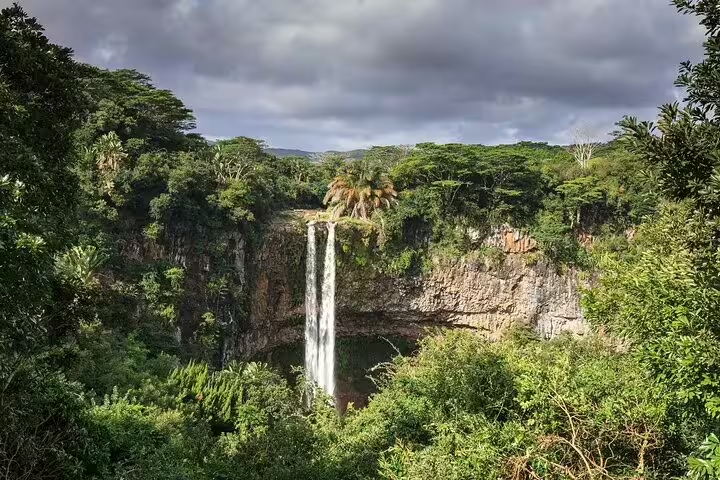
Waterfalls and Natural Pools
Waterfall stops add a freshwater counterpoint to lagoon days and are often paired with scenic drives through rural landscapes. They are especially rewarding if you enjoy photography and slower exploration. Practical tip, bring a light rain layer and protect electronics, since mist and sudden showers are common in lush areas.
Market Browsing and Street Food Tasting
Markets are one of the clearest windows into the island’s multicultural everyday life, with spices, produce, snacks, and small crafts. They also help you travel more affordably while tasting a wider range of flavors. Practical tip, carry small cash, go earlier for the best selection, and be patient in queues at popular food stalls.
Sunset Viewpoint on the West Coast
The west is known for strong sunset light, and a simple evening viewpoint can become a trip highlight. It is an easy win for couples, solo travelers, and families who want a memorable moment without planning. Practical tip, arrive a little early to claim a good spot and stay a few minutes after sunset for richer colors.
Culture and Heritage Stops
The island’s layered history is visible in religious sites, historic neighborhoods, and everyday language and food. Adding one or two heritage focused stops gives your itinerary depth beyond beaches. Practical tip, dress modestly at religious sites and plan visits earlier in the day to avoid the hottest hours.
Start with a morning lagoon swim and a short snorkeling session while the water is calm. Shift inland late morning for a viewpoint or short hike to see the volcanic contours, then stop for a market lunch built around snacks and fresh fruit. End the day on the west coast with a sunset viewpoint and a relaxed dinner that leans into Creole and Indian influences.
Day one, commit to the coast, with a beach morning, a slow lunch, and a sunset plan. Day two, make it an interior nature day, combining a longer hike with waterfalls and a scenic drive through greener landscapes. Day three, focus on culture and food, spend time in a market, add a heritage stop, and finish with a boat cruise if you want one big signature experience.
Dholl Puri
A soft flatbread filled with split peas and served with chutneys and curry, it is comforting, savory, and easy to eat on the go. Ordering tip, ask for it freshly made and eat it soon after buying for the best texture.
Gateau Piment
These chili fritters are crisp outside and tender inside, with a warm, spiced kick. They pair well with a cold drink and are a classic market snack. Ordering tip, start with a small portion if you are sensitive to heat.
Briyani
A fragrant rice dish layered with spices, often served as a hearty meal when you want something filling after a beach day. The flavor is aromatic rather than purely spicy, with depth from seasoning and slow cooking. Ordering tip, ask what the house style is, since versions can vary by kitchen.
Rougaille
A tomato based Creole style sauce served with proteins or vegetables, bright and tangy with gentle spice. It is a good choice when you want local flavor without heavy richness. Ordering tip, pair it with rice and ask what sides are typical.
Seafood Grills
Fresh seafood is a natural fit for an island itinerary, often simply seasoned to let the flavor come through. It matches well with sunset dinners and beachfront settings. Ordering tip, ask what was caught locally and choose simpler preparations for the cleanest taste.
Alouda
A sweet, milky drink often served chilled, popular as a refreshing treat in warm weather. It is dessert like and satisfying after spicy snacks. Ordering tip, share one if you are sampling multiple street foods.
Getting around Mauritius is typically easiest by road, especially if you want to mix beaches with interior viewpoints and waterfall stops. Walking works well within beach towns and resort areas, but longer distances between regions are better by car, taxi, or organized tours. If you are planning independent days, map your routes ahead of time, keep water in the car, and build in buffer time since scenic stops often take longer than expected.
West Coast Sunset Run
A simple coastal day that focuses on swimming, relaxed cafés, and ending with a sunset viewpoint. Travel time depends on your base, but it is generally a straightforward road trip. Primary reason to visit, dependable evening light and a classic island atmosphere.
Interior Highlands and Viewpoints
Head inland for cooler air, greener scenery, and panoramic lookouts. Travel time varies by starting point, but it is best done as a half day or full day. Primary reason to visit, seeing the volcanic landscape that shapes the island.
Waterfalls Circuit
Plan a day that links one or more waterfall stops with short walks and photo breaks. Allow extra time for changing weather and wet paths. Primary reason to visit, a different side of Mauritius that feels lush and dramatic.
Market and Food Trail
Turn a market morning into a broader food focused day with snacks, fresh fruit, and a sit down meal later. This is a low stress option when you want culture without long drives. Primary reason to visit, tasting the island’s multicultural identity in one day.
How many days do you need in Mauritius?
A short stay can cover lagoon time and one inland nature day, while a longer stay lets you explore different coasts at a relaxed pace. If you want beaches, hikes, and a boat day, plan enough time to avoid rushing.
What is the best way to get around Mauritius?
Road transport is the most practical for mixing coastal and inland sights in one trip. Walking is best for short distances in beach towns, while taxis or tours help on longer day trips.
When is the best time to visit Mauritius for fewer crowds?
Crowd levels usually rise during school holidays and peak travel periods. If flexibility is possible, travel outside the busiest weeks and book key stays early for better choice.
Is Mauritius good for travelers who want more than beaches?
Yes, the interior offers volcanic landscapes, viewpoints, and waterfall areas that add variety to a coastal itinerary. Markets and heritage stops also bring cultural depth to your days in Mauritius.
What should I pack for a Mauritius trip?
Bring beach essentials plus a light rain layer and comfortable shoes for inland walks. Reef safe sunscreen and a reusable water bottle are useful for both lagoon days and day trips across Mauritius.