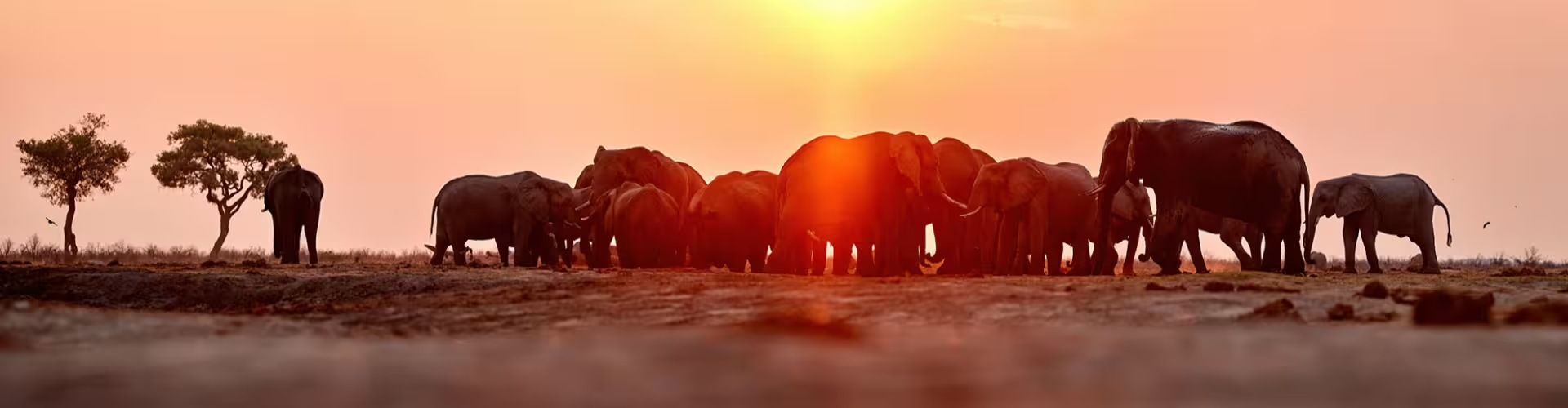


Savuti is one of Botswana’s most mood-driven wilderness destinations, known for its big skies, predator sightings, and the feeling that nature sets the schedule. The signature vibe is raw and cinematic, with game drives that can shift from quiet tracking to intense action in minutes. Go now if you want an iconic safari area that rewards patience, smart planning, and a readiness for dust, distance, and unforgettable wildlife moments.
Savuti sits in northern Botswana within the wider Chobe region, a landscape shaped by sand ridges, open plains, and seasonal water patterns. It is typically approached as part of a broader circuit that also includes places travelers associate with Botswana safaris, such as the Okavango area and Chobe Riverfront zones. For planning purposes, think in terms of gateway hubs and onward transfers, then align your route with your accommodation and activities so you spend more time on game viewing and less time in transit.
Seasonality strongly influences the Savuti experience because wildlife movement, visibility, and road conditions change through the year. Drier periods generally make wildlife easier to spot near remaining water sources and open areas, while greener periods can feel lush and dramatic, with different viewing rhythms and potentially more challenging tracks. Crowd levels often follow the most comfortable weather and best visibility, so if you want a quieter feel, consider traveling in shoulder periods and focusing on longer, slower drives rather than trying to see everything quickly.
Budgeting for Savuti is less about small daily expenses and more about the big items, transport, guiding, park fees where applicable, and accommodation style. Carry a practical mix of payment options because remote travel can mean limited connectivity, and not every stop is set up for seamless card payments. Build a buffer for unexpected logistics, such as route changes due to conditions, and prioritize spending on the experiences that matter most to you, for many travelers, that is time on expertly guided game drives.
1) Classic Game Drives
Game drives are the core reason most travelers choose Savuti, because the area’s open spaces and predator presence can create high-impact sightings. The experience is as much about tracking and reading the landscape as it is about the moment of spotting wildlife. Practical tip: plan at least one early morning and one late afternoon drive for the best light and animal activity.
2) Predator Tracking and Sightings
Savuti’s reputation is tied to predators, and the thrill comes from the possibility of seeing behavior, not just animals at rest. A good guide will interpret tracks, alarm calls, and movement patterns, which turns a drive into a story you can follow. Practical tip: keep expectations flexible, and commit to staying with a sighting respectfully if it develops rather than rushing to the next radio call.
3) Scenic Landscape Photography
The visual character of Savuti is defined by wide horizons, textured sand, and dramatic skies that change quickly. Even without wildlife in the frame, the place photographs well because it feels expansive and elemental. Practical tip: pack a lens cloth and dust protection, and prioritize golden hour when contrast is softer.
4) Birdwatching in Changing Habitats
Birdlife adds a second layer to the safari, especially when seasonal conditions alter where water and food are available. Watching birds also slows you down, which often leads to better mammal sightings because you are scanning more carefully. Practical tip: bring binoculars and learn a few key calls, it improves your ability to spot activity before you see it.
5) Slow Safari, Learning the Ecosystem
A slower pace rewards you in Savuti because the ecosystem is full of subtle signals, tracks, and interactions that many travelers miss when they chase only the headline sightings. This is where Botswana’s safari culture shines, guiding is often as much education as it is entertainment. Practical tip: ask your guide to explain signs like spoor, scat, and alarm behavior, then use that knowledge on every drive.
6) Night Sounds and Camp Atmosphere
Evenings in Savuti can be memorable for what you hear as much as what you see, with distant calls and the sense of being far from city noise. The atmosphere encourages an early-to-bed rhythm that supports morning drives and helps you align with wildlife activity. Practical tip: pack a small headlamp and keep your evening routine simple so you are ready for early starts.
7) Guided Interpretation of Tracks and Stories
The difference between a good safari and a great one often comes down to interpretation, understanding why animals are where they are, and what might happen next. In Savuti, that storytelling can turn a quiet drive into an engaging experience even when wildlife is elusive. Practical tip: keep a running list of questions in your phone notes, then ask them during slower moments on the drive.
8) Stargazing Under Dark Skies
Remote northern Botswana is known for low light pollution, and Savuti nights can feel vast and clear. Stargazing becomes part of the travel memory, especially after a day of dust, sun, and long horizons. Practical tip: step away from bright lights for a few minutes to let your eyes adjust, and use a red-light mode if your torch supports it.
Start with an early morning drive focused on fresh tracks and cooler temperatures, then return for a rest period during the hottest hours. In the late afternoon, head back out to target open areas and likely movement corridors, staying out through the best light for photos. If your plan allows, end the day with quiet time at camp listening for nocturnal activity and reviewing photos and sightings so you can adjust your next route intelligently.
Use day one to get oriented, identify the best habitat zones for the season, and build a short list of priority species and behaviors you want to see. On day two, slow down, repeat the most promising routes, and spend longer at sightings to observe interactions rather than just ticking boxes. If you have a third day, dedicate it to a specialist angle such as birding, photography, or pure tracking time, and let your guide shape the route based on what the landscape is revealing.
Food in remote safari areas is often shaped by logistics and comfort, but you can still look for Botswana staples and familiar regional flavors when they appear on menus.
Getting around Savuti is typically not a walking destination in the way cities are, movement is usually organized through safari vehicles and guided activities. Distances can be deceptive, and road conditions can change with weather, so build your schedule around realistic drive times rather than map assumptions. For safety, follow camp guidance closely, remain within designated areas, and treat wildlife space with respect, the goal is a low-impact visit that protects both travelers and animals.
Yes, especially if you prefer a guided experience that handles navigation and safety. The key is choosing an itinerary that allows enough time for wildlife viewing without rushing.
One day can cover highlights, but 2 to 3 days gives you a better chance of varied sightings and relaxed pacing. More time also helps you adapt plans to conditions and wildlife movement.
Early morning and late afternoon are typically the most productive because temperatures are cooler and animals are more active. These times also offer the best light for photography.
Most movement is done by vehicle and guided activities, rather than independent walking. Follow local safety guidance closely because this is a wildlife area, not an urban sightseeing zone.
Bring dust protection for cameras and phones, a headlamp for evenings, and layers for changing temperatures. Neutral clothing and sun protection help you stay comfortable on long drives.