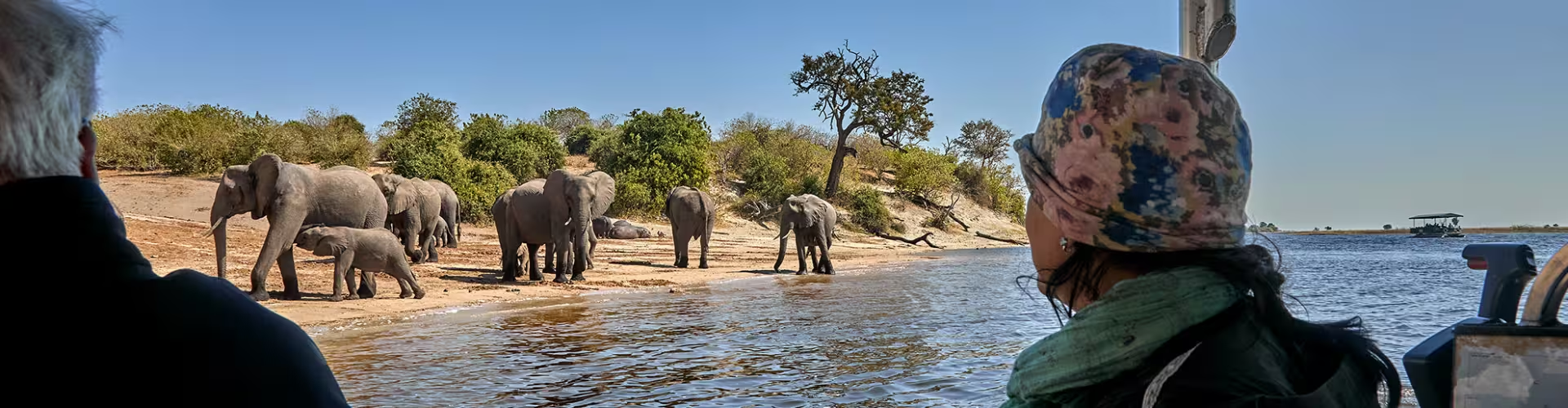

Chobe National Park is Botswana’s big game stronghold, known for riverfront wildlife viewing, wide-open savanna scenes, and a safari rhythm that feels both cinematic and grounded in nature. The signature vibe is water and wildlife together, where boat safaris and game drives can deliver different angles on the same ecosystem in a single day. It is a smart choice when you want a classic safari experience with practical access via Kasane, plus easy add-ons to nearby regional highlights.
Chobe National Park sits in northern Botswana within the Chobe District, with Kasane as the primary gateway hub for most visitors. Kasane is the practical base for supplies, transfers, and launching both road-based and river-based activities. If you are stitching together a wider safari circuit, the park also pairs naturally with other northern Botswana routes and border-region itineraries, depending on your onward plans.
Seasonality in Chobe National Park shapes what you see and how you experience it. Drier periods generally concentrate wildlife around reliable water sources, which can make sightings feel more frequent and more predictable, especially along riverfront areas. Greener periods can feel more lush and atmospheric, with different photographic textures, but wildlife may spread out more, and some routes can be slower going depending on conditions.
For planning, think in terms of what matters most to you. If your priority is high-density wildlife viewing and classic safari scenes, aim for conditions that encourage animals to gather near water. If you prefer softer light, dramatic skies, and a quieter pace, a greener season can be rewarding, especially when you build in extra time and keep your schedule flexible.
Travel costs in safari destinations can vary widely based on lodge style, transport, and whether activities are private or shared. In Kasane and surrounding areas, you will typically find a mix of options, from simpler stays to more inclusive safari-focused properties. For payments, keep both card and cash available, since connectivity and payment acceptance can vary, and tips are often easier to handle in cash.
To avoid stress, plan a buffer for essentials like fuel, snacks, and last-minute supplies before heading out. If your itinerary includes multiple activities, ask operators what is included so you are not duplicating costs. A practical approach is to set a daily activity budget, then prioritize the experiences that best match your wildlife goals.
These curated experiences help you get the most out of Chobe National Park, balancing wildlife impact, logistics, and photography opportunities. Where relevant, consider pairing land and water activities for a fuller picture of the ecosystem.
1) Chobe River Boat Safari
A boat safari is one of the most distinctive ways to experience this region, because the riverfront draws wildlife and creates clean sight lines for viewing and photos. The water-level perspective can reveal animal behavior that feels different from a vehicle-based sighting. Practical tip: aim for late afternoon when the light is softer and the riverbank activity often builds, and confirm what to bring for spray and wind.
2) Riverfront Game Drive
A game drive along riverfront zones is a classic safari in Chobe National Park experience, with the potential for frequent sightings thanks to water access and open viewing corridors. It is also a strong choice for first-time visitors because it builds confidence in spotting and tracking. Practical tip: ask your guide to slow down in high-activity areas, and keep your camera settings ready for quick changes between shade and sun.
3) Sunrise Wildlife Viewing
Early hours can feel calm and focused, with cooler temperatures and a sense of the park waking up. This is often when you can observe movement patterns as animals shift between resting areas and water. Practical tip: layer clothing for the temperature swing, and keep snacks and water accessible so you do not lose time once you are on a promising track.
4) Sunset Photography Session
Chobe’s landscapes can become especially photogenic when light drops and dust or haze adds depth to the horizon. Even without chasing specific species, sunset can deliver the atmosphere many travelers associate with Botswana safaris. Practical tip: prioritize a stable shooting position, and bring lens cloths, since fine dust can build up quickly during drives.
5) Birdwatching Along the Water
The river environment supports a rich birdlife experience, and it is a rewarding way to add detail to a trip that might otherwise focus only on big mammals. Birdwatching also encourages slower observation, which can reveal smaller behaviors and interactions. Practical tip: bring binoculars if you have them, and ask your guide to identify calls and flight patterns, not just perched species.
6) Track-and-Interpret Safari Drive
Beyond sightings, a high-value experience is learning how guides read spoor, interpret alarm calls, and understand habitat. This turns a drive into a living lesson in ecology and can make every future sighting more meaningful. Practical tip: tell your guide you want an interpretive focus, and ask questions about why animals choose certain areas at certain times.
7) Pair Land and Water in One Day
Combining a drive and a boat activity gives you two vantage points and can reduce the feeling of repeating the same route. It also helps if one activity is slower, because the other may deliver different species or behaviors. Practical tip: keep your schedule realistic, allow time for transfers and breaks, and avoid stacking too many hours back-to-back if you are sensitive to heat.
8) Kasane-Based Safari Logistics Day
A surprisingly effective “activity” is using Kasane as a planning base to confirm bookings, check gear, and coordinate timing for your next outings. This reduces friction and helps you avoid missed departures or rushed packing. Practical tip: group your confirmations into one focused block of time, then keep the rest of the day flexible for a shorter drive or a relaxed river session.
Start with a sunrise game drive to maximize cool temperatures and early movement, focusing on riverfront zones where wildlife activity can be concentrated. Return to Kasane for a rest and a practical reset, then head out for an afternoon boat safari for a contrasting perspective on the same ecosystem. If you have energy, finish with a short sunset viewing stop to capture atmosphere and color, then plan an early night for the next day’s start.
On day one, prioritize a riverfront game drive and use it as your orientation session, noting where sightings cluster and what habitats feel most productive. On day two, add a boat safari and a slower interpretive drive, with time dedicated to tracking, birdlife, and understanding behavior rather than only chasing headline sightings. If you have a third day, keep it flexible, repeat the activity that felt most rewarding, and schedule it at a different time of day to see how the park’s rhythm changes.
Food experiences around Chobe National Park often reflect Botswana’s comfort-forward staples and practical traveler meals, especially when you are coordinating early starts and long activity blocks. What you eat matters on safari days, because energy, hydration, and timing can affect your comfort and focus.
Most visitors experience Chobe National Park via guided activities that handle transport, timing, and route choices. This is often the most efficient approach, since guides know how to interpret conditions, adapt to sightings, and coordinate safe movement. Kasane functions as the key staging point, so staying near your operator or pickup area can reduce friction on early starts.
Walking is typically limited to lodge areas and town logistics rather than park exploration, and it is best treated as a practical tool rather than a sightseeing method. For accessibility, ask operators about vehicle configuration, step height, and ride comfort, since safari days can be long and bumpy. For safety, follow guide instructions closely, keep movement calm around wildlife zones, and avoid self-directed wandering near river edges.
One of the advantages of basing in northern Botswana is the ability to add regional highlights without rebuilding your whole itinerary. Exact travel times vary by route, border processes, and road conditions, so confirm logistics with your operator in advance.
Kasane is commonly used as the main gateway hub because it supports transfers, supplies, and tour pickups. Staying near your operator can make early starts easier and reduce transit friction.
They complement each other, because a boat safari offers a water-level perspective while a drive covers different routes and tracking opportunities. If you can, do both on separate time blocks for variety and better light.
One day can cover highlights with a drive and a river activity, but 2 to 3 days adds flexibility and deeper wildlife understanding. Extra time also helps if conditions change and you want to repeat your favorite experience.
Chobe National Park is well suited to photography because riverfront scenes can create clean backgrounds and strong light at sunrise and sunset. Bring lens cloths and plan for dust during drives.
For a safari in Chobe National Park, pack layers for cool mornings and warmer afternoons, plus water and sun protection. Add a small day bag and basic camera care items to handle dust and changing light.