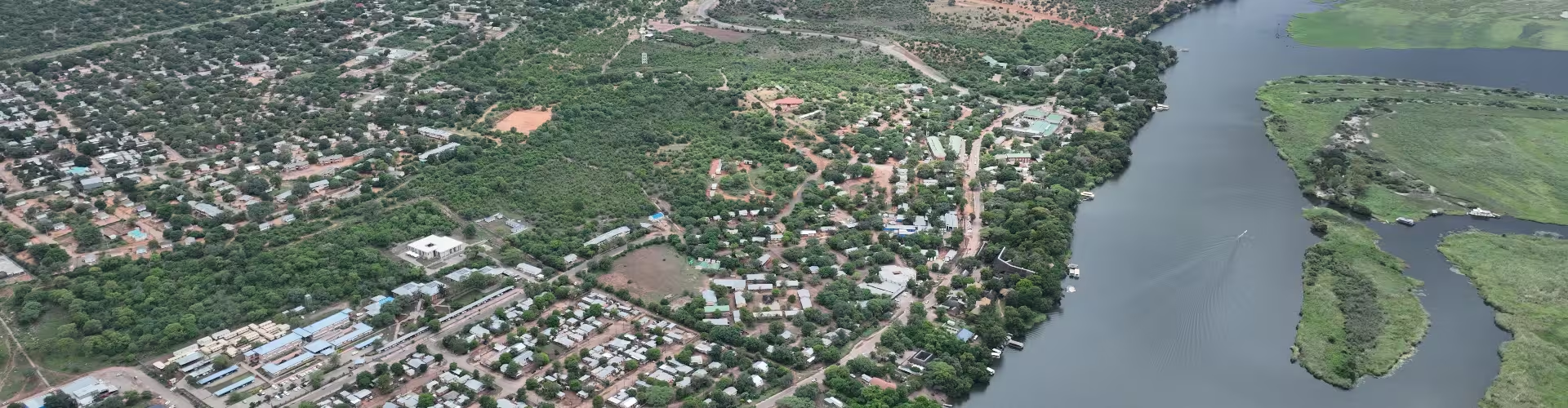
Chobe District Travel Guide
Snapshot
Chobe District is Botswana’s big game country where riverfront wildlife, wide skies, and safari towns create a travel rhythm that feels both adventurous and easy to follow. The signature vibe is water and wilderness, with days shaped by boat cruises, game drives, and slow sunsets over the Chobe River. Go now if you want a destination that supports both quick getaways and deeper nature-focused trips, with strong viewing opportunities and clear logistics anchored around Kasane.
🗺️ Geography and Logistics
📍 Orientation: Where is it within Botswana and the region?
Chobe District sits in northern Botswana, anchored by the Chobe River and the safari hub of Kasane. It is also positioned for multi-country routing, with nearby borders that make it practical to combine Botswana with neighboring destinations in a single itinerary. For most travelers, Kasane functions as the main gateway hub for arrivals, supplies, and onward transfers into riverfront areas and park zones.
🕒 When to Go: Seasonal breakdown
Timing in Chobe District is closely tied to wildlife movement and river conditions, which influence how you experience game drives versus water-based activities. In drier periods, animals often concentrate around water sources, which can make sightings feel more frequent and predictable. In greener periods, landscapes can be lush and dramatic, and the overall feel is quieter and more spacious, even if animals are more dispersed.
💰 Budget & Currency: Money tips
Plan your Chobe District budget around safari activities and transfers, which are typically the biggest cost drivers compared with everyday items. Carry some cash for small purchases and tips, and rely on cards where accepted, especially in more established hubs like Kasane. A practical approach is to keep a buffer for last-minute activity bookings, fuel, and park-related logistics, particularly if you are moving between riverfront and inland areas.
⭐ Essential Things to Do
These experiences highlight why Chobe District is one of Botswana’s most compelling safari regions, especially for travelers who want variety in a short timeframe.
- Chobe River Safari Cruise: A river cruise is the most signature way to understand the district’s personality, because the waterline pulls wildlife into view and creates cinematic reflections at golden hour. It is also a calmer counterpoint to bumpy tracks, which makes it ideal early in your trip while you adjust to safari pacing. Practical tip, aim for late afternoon for softer light and stronger chances of animals approaching the riverbank.
- Sunrise Game Drive: Early drives focus on cool temperatures and active wildlife, and they also deliver the clearest sense of scale across open plains and woodland edges. The experience matters because it connects you to the daily rhythm of the ecosystem, with guides reading tracks, calls, and movement patterns. Practical tip, layer clothing so you can adapt from chilly starts to warmer mid-morning conditions.
- Kasane as a Safari Base: Kasane matters because it simplifies logistics, from stocking up to arranging activities, and it keeps you close to the riverfront energy that defines the area. It is also a practical hub for travelers who want to mix comfort with adventure without overcomplicating transport. Practical tip, use Kasane as your “reset” point between activities so you can keep days efficient and avoid long backtracking.
- Chobe National Park Wildlife Viewing: The park is the district’s headline attraction, and it delivers the classic Botswana safari feel of big landscapes and big moments. It matters because it offers a strong mix of habitats tied to the river and interior routes, which can change the day’s sightings dramatically. Practical tip, ask your guide about route choices based on recent sightings and road conditions rather than following a fixed plan.
- Photography Focus Session: Chobe’s contrast between water, sky, and wildlife makes it rewarding for both phone and camera shooters. This matters because you can capture behavior, not just portraits, especially when animals interact at the river’s edge. Practical tip, prioritize patience over constant movement, and keep your lens or phone ready for quick changes in action.
- Birding Along the Riverfront: Even if you are not a dedicated birder, the river corridor adds texture to the safari story with color, sound, and motion. It matters because birds can signal ecosystem health and seasonal shifts, and they often appear when larger wildlife is resting. Practical tip, bring binoculars if you have them, and ask guides to help identify standout species you spot on the waterline.
- Sunset Viewing by the Water: Chobe sunsets are not just pretty, they set the emotional tone of the destination, with quiet light and silhouettes that stay with you. It matters because it is a low-effort, high-reward ritual that balances the intensity of active safari hours. Practical tip, plan your evening so you are not rushing, and keep a light jacket for cooling temperatures after dusk.
- Multi-Activity Safari Day: Combining a morning drive with an afternoon cruise gives you two perspectives on the same landscape, which often increases overall sightings and variety. It matters because it builds a fuller understanding of how wildlife uses different terrain across a single day. Practical tip, avoid overpacking your schedule, and leave time for rest between activities so you stay alert and comfortable.
🚶 Curated Itineraries
⏰ The Highlights (1 Day)
Start with a sunrise game drive to take advantage of cooler air and active wildlife, then return to Kasane for a late breakfast and downtime. In the afternoon, switch to a Chobe River safari cruise for a different angle on the same ecosystem, with strong chances of riverbank sightings and excellent light for photos. End the day with an unhurried sunset moment by the water, keeping the pace calm and practical.
⏰ Deep Dive (2 to 3 Days)
Day one, settle into Kasane and do an afternoon river cruise to get oriented, then use the evening to plan routes and activity timing. Day two, dedicate the morning to a longer game drive inside park zones, then keep the afternoon flexible for rest, birding, or a second water-based activity depending on conditions. Day three, repeat the format that worked best, and use your final half-day for photography-focused time, a relaxed riverfront session, or a final drive if you want one more chance at standout sightings in Chobe District.
🍽️ Flavors of Chobe District
Food in Chobe District is often about comfort and practicality between safari activities, with familiar plates alongside regional staples you will see across Botswana. Use these as a tasting checklist, and ask what is freshest or most popular on the day.
- Seswaa: A slow-cooked, tender meat dish with a simple, savory profile that feels hearty after early starts. Ordering tip, ask what it is served with, since sides vary and can change the overall feel of the meal.
- Pap: A maize-based staple that is mild and filling, often used to balance richer stews or grilled dishes. Ordering tip, pair it with a saucy dish if you want more flavor contrast.
- Morogo: Leafy greens with an earthy taste that adds a local, home-style element to the table. Ordering tip, ask if it is prepared simply or with added seasoning, then choose based on your preference for mild versus bold.
- Grilled Meat Plates: Straightforward, satisfying options that suit safari schedules and varied appetites. Ordering tip, ask for the recommended cut of the day and whether it comes with starches or salad.
- Stews and Slow-Cooked Pots: Warming, savory meals that travel well with the district’s cooler early mornings and relaxed evenings. Ordering tip, ask about portion size if you want something lighter before an activity.
- Tea and Simple Refreshments: Hot drinks and easy refreshments fit naturally into game drive routines and riverfront downtime. Ordering tip, keep hydration in mind and plan drinks around long activity blocks.
🚌 Navigation and Transport
Getting around Chobe District typically revolves around transfers from Kasane, guided safari vehicles for park routes, and boats for river activities. Walking is mainly practical within town areas and around accommodation zones, while most wildlife experiences require organized transport for safety and access. If you are coordinating multiple activities, confirm pickup points and timing in advance, and keep a small day bag ready with water, layers, and sun protection.
🌄 Beyond the Center: Day Trips
Chobe District is well-placed for adding nearby highlights, especially if you want to extend a safari-focused trip with a change of scenery. Day trip feasibility depends on border formalities and road conditions, so confirm routing locally before you lock plans.
- Victoria Falls area: A classic add-on for travelers who want a dramatic natural landmark alongside wildlife time. Travel time varies by routing and border processing, so plan an early start.
- Zambezi River corridor: Adds a second major river system and a different atmosphere, with water-focused activities and scenic viewpoints. Travel time varies, so treat it as a full-day outing.
- Nearby border towns and viewpoints: Useful for cultural context, supplies, and a sense of regional geography. Travel time is typically shorter than major landmarks, but still depends on formalities.
✅ Insider Tips for Travelers
- Book your key safari activities early if your travel dates are fixed, especially if you want specific time slots like sunrise drives or late-afternoon cruises.
- Pack layers for temperature swings, mornings can feel cold compared with midday heat.
- Bring sun protection and water for every outing, even short cruises can feel intense under open sky.
- Keep your schedule realistic, two major activities in one day can be perfect, but three can feel rushed and reduce enjoyment.
- Ask guides about recent conditions and sightings, flexible routing often beats a rigid checklist approach.
- Use Kasane as a logistics anchor, it helps you reduce transit time and keep plans simple.
- Respect wildlife distance rules and follow guide instructions, it improves safety and protects animal behavior patterns.
❓ Frequently Asked Questions, FAQ
What is the best base for exploring Chobe?
Kasane is commonly used as a practical hub because it supports transfers, supplies, and easy access to river and park activities. It also makes it simpler to combine game drives with boat-based experiences.
How many days do I need in Chobe District?
One day covers the highlights if you combine a game drive with a river cruise. For a more relaxed pace and better variety, 2 to 3 days in Chobe District lets you repeat the strongest activity windows.
Should I do a river cruise or a game drive first?
A river cruise is a gentle way to get oriented and can be ideal on arrival day. A sunrise game drive is best when you want early activity and cooler temperatures.
Is Chobe District suitable for photography?
Yes, the mix of river reflections, open skies, and wildlife movement creates strong conditions for both wide scenes and close behavior shots. Plan around morning and late-afternoon light for the most flattering results.
Can I combine Chobe District with nearby landmarks in the same trip?
Yes, the district’s northern location makes it feasible to add nearby river corridors and major attractions, depending on routing and border logistics. If you want this flexibility, keep one extra day open in your plan and confirm details locally.