Wine Tasting in Alentejo Vineyards
A Golden Hour Among the Vines
Picture this: you're standing in the middle of a sun-drenched vineyard, holding a glass of Antão Vaz that smells faintly of peaches and dry summer grass. The soil is warm beneath your feet. Somewhere in the distance, an old man hums as he prunes vines older than you are. This isn’t a dream—it’s Alentejo.
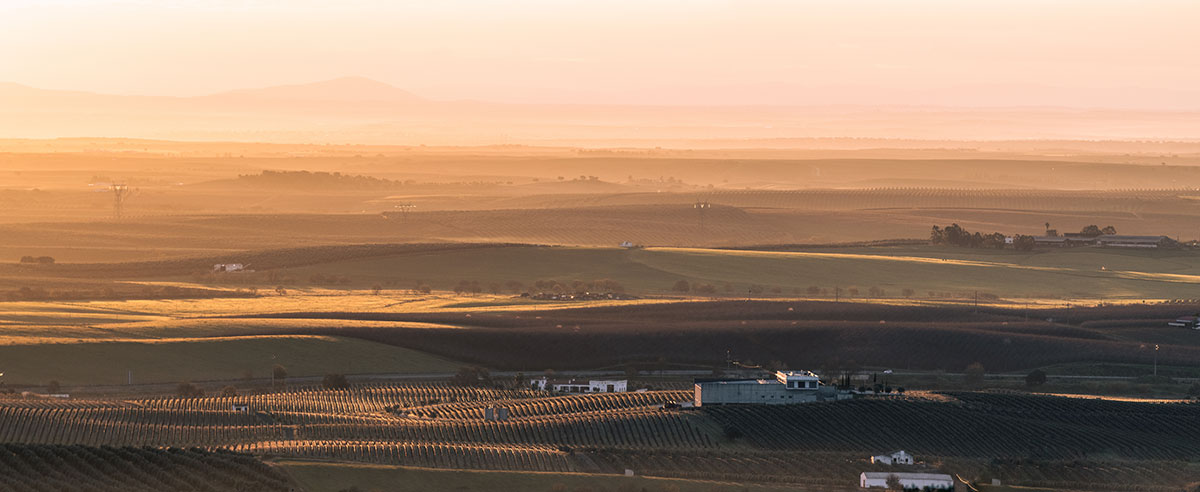 The serene beauty of Alentejo's vineyards bathed in the warm glow of sunset.
If you’ve never heard of this region, you’re not alone. It's not as flashy as Porto or as famous as the Douro Valley. But that's part of its magic. Alentejo keeps its treasures close and only shares them with those willing to slow down, stay awhile, and sip deeply.
Why Alentejo is Portugal’s Soulful Wine Sanctuary
The landscape? It’s an artist’s palette—sunbaked plains, waves of vineyards, ancient cork oaks standing like wise elders. Towns like Évora and Monsaraz feel suspended in time, their whitewashed walls and terracotta roofs glowing in the afternoon light.
This isn’t just about wine. It’s about pace, tradition, and people. Alentejo doesn’t shout—it hums, gently pulling you into its rhythm. Locals greet you like family. Dinners are long, full of laughter, and always—always—paired w/ wine.
And that wine? It's an expression of the land and its people.
Ancient Amphorae & Modern Magic: The "Talha" Tradition
Step into an Alentejo adega (winery), and you might spot what look like giant clay beehives. These are talhas—huge amphorae used to make wine the way the Romans did 2,000 years ago. No stainless steel, no tech wizardry—just grape juice, skin, time, and tradition.
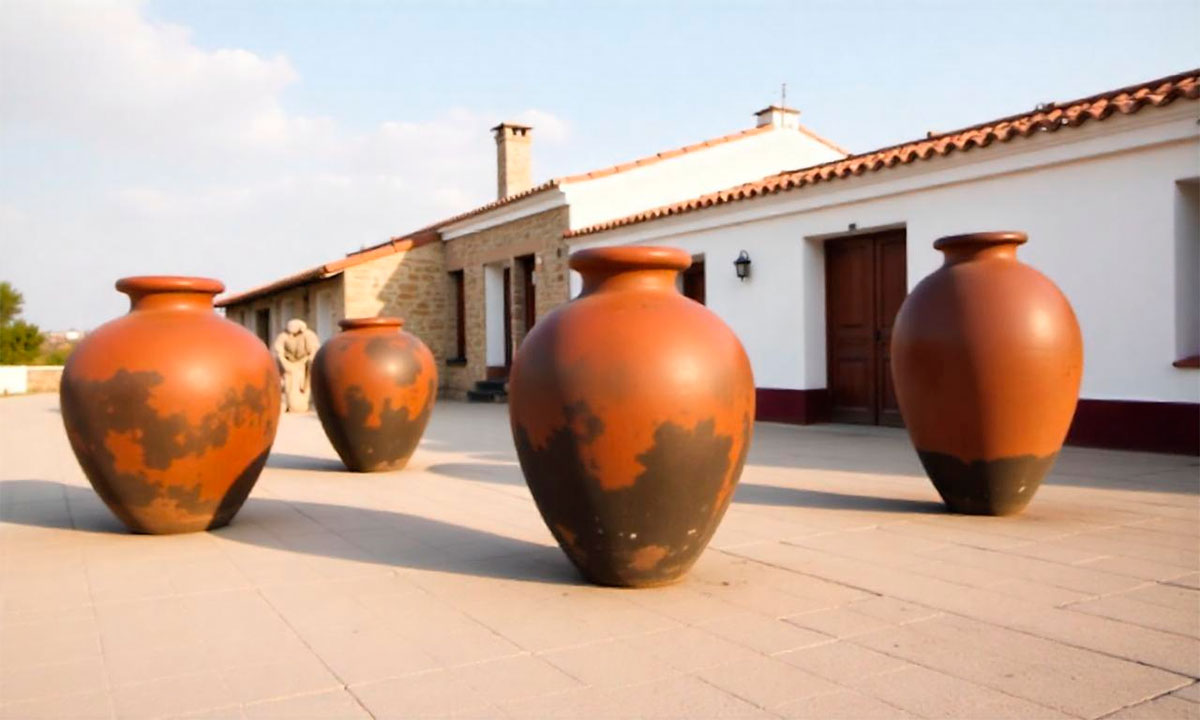 Ancient talha amphorae showcase Alentejo's enduring winemaking traditions.
Wines made this way have a texture and depth that defy explanation. Slightly oxidative, earthy, mysterious—like they’ve seen things. Even the EU recognizes it as part of the region’s protected cultural heritage.
This method isn’t some novelty for tourists either. It’s very much alive, with a resurgence led by winemakers who are just as comfortable using clay as they are experimenting with cold fermentation. That duality of old and new is the heartbeat of Alentejo winemaking.
For Curious Palates: Grapes That Define the Region
1. Antão Vaz
The white wine superstar of the region. This grape thrives in the heat, producing full-bodied whites that can be tropical or citrusy, depending on where and how it's grown.
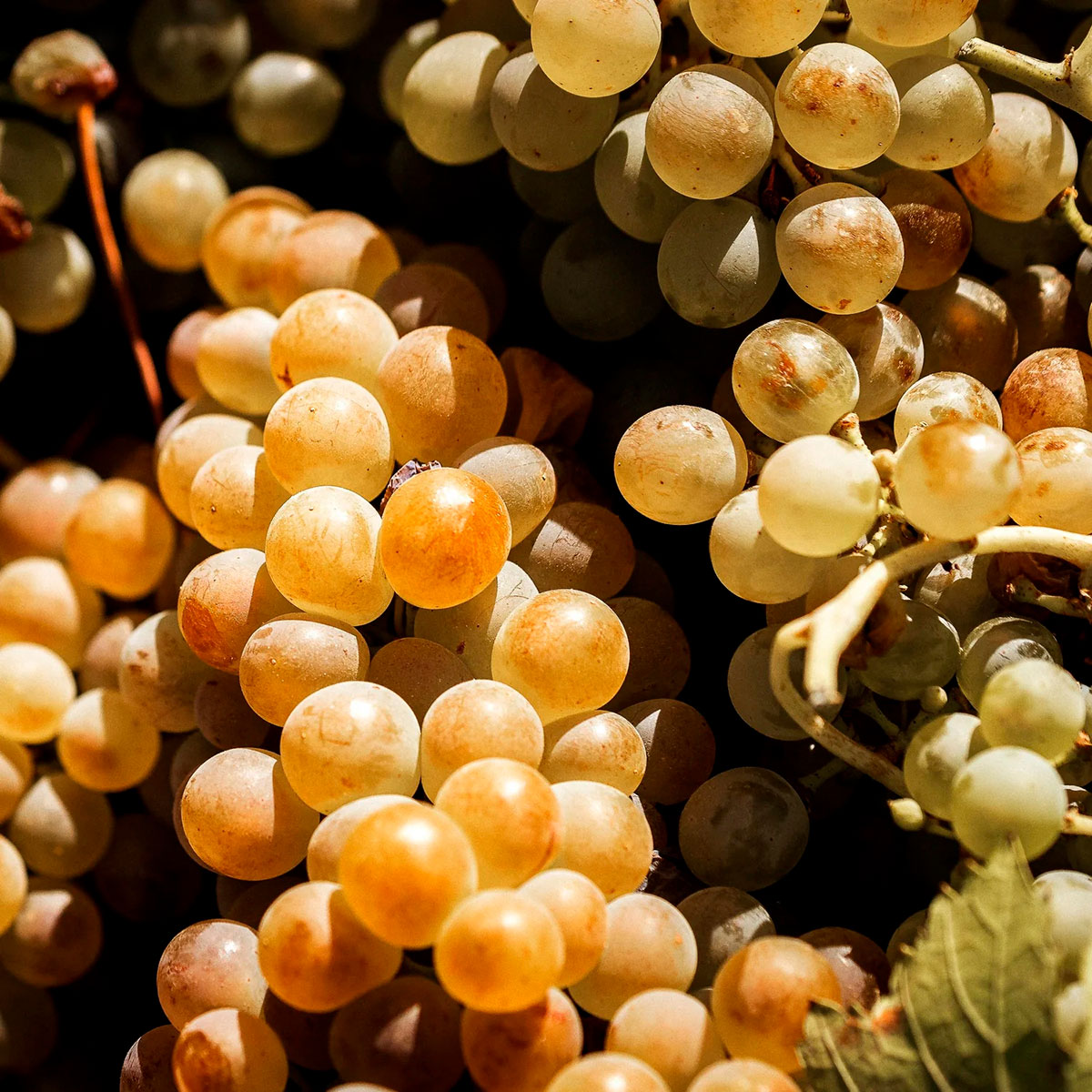 Antão Vaz grapes, a hallmark of Alentejo's white wine varietals.
2. Aragonez
Known in Spain as Tempranillo, Aragonez is beloved for its rich red fruit notes, balanced acidity, and ability to produce both young, juicy wines and age-worthy blends.
3. Trincadeira
Now here's a trickier one. Trincadeira ripens unevenly and is sensitive to rot, but when treated right, it delivers spicy, floral reds w/ complexity and freshness.
The Influence of Climate and Terroir
Hot, dry summers. Cold winters. Rolling hills of schist, granite, and limestone. This climate stress, combined w/ poor soils, forces the vines to dig deep—literally and metaphorically. The result is concentrated grapes packed with flavor.
Winemakers here don’t just talk about terroir; they work with it every single day. You taste it in every bottle—the stone, the heat, the wild herbs growing between the rows.
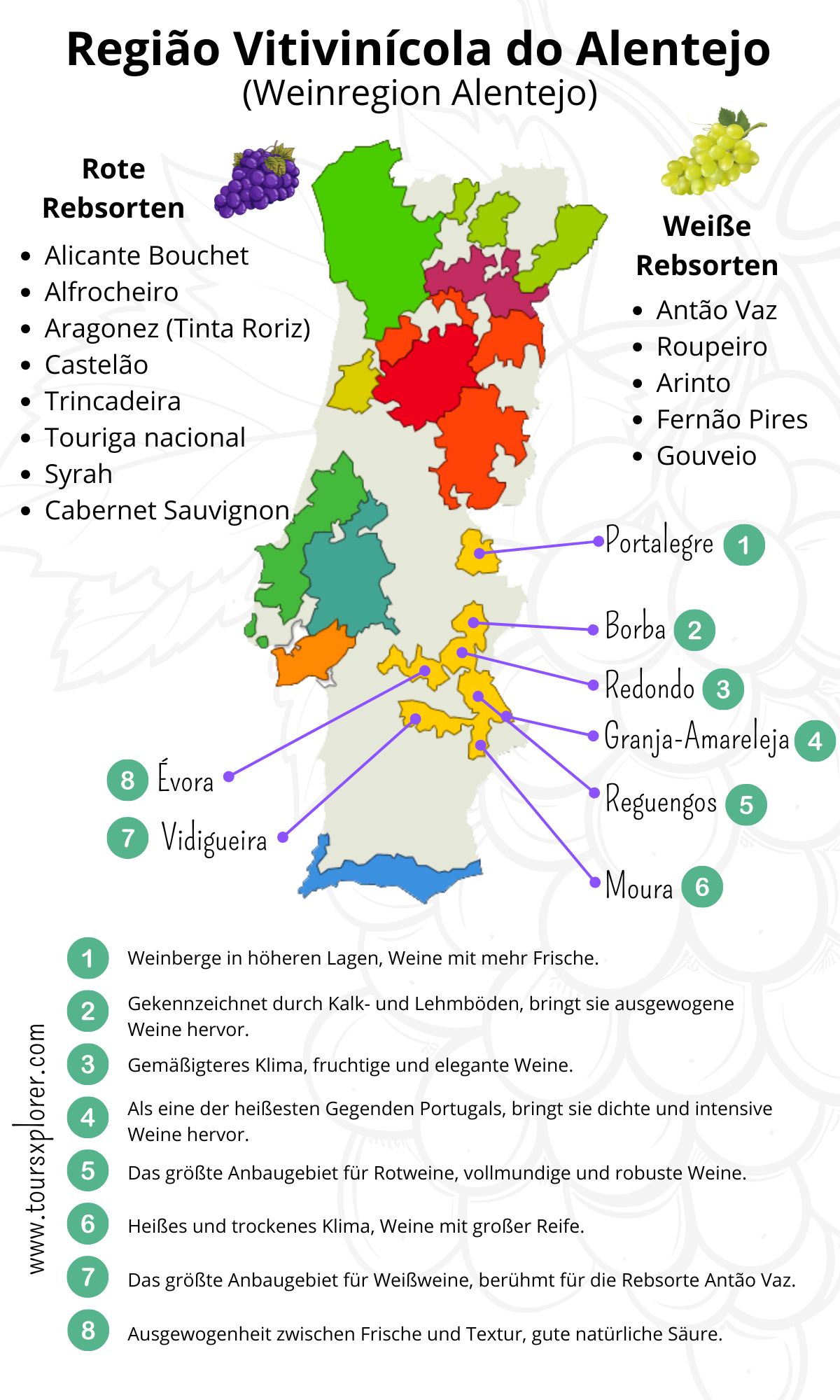
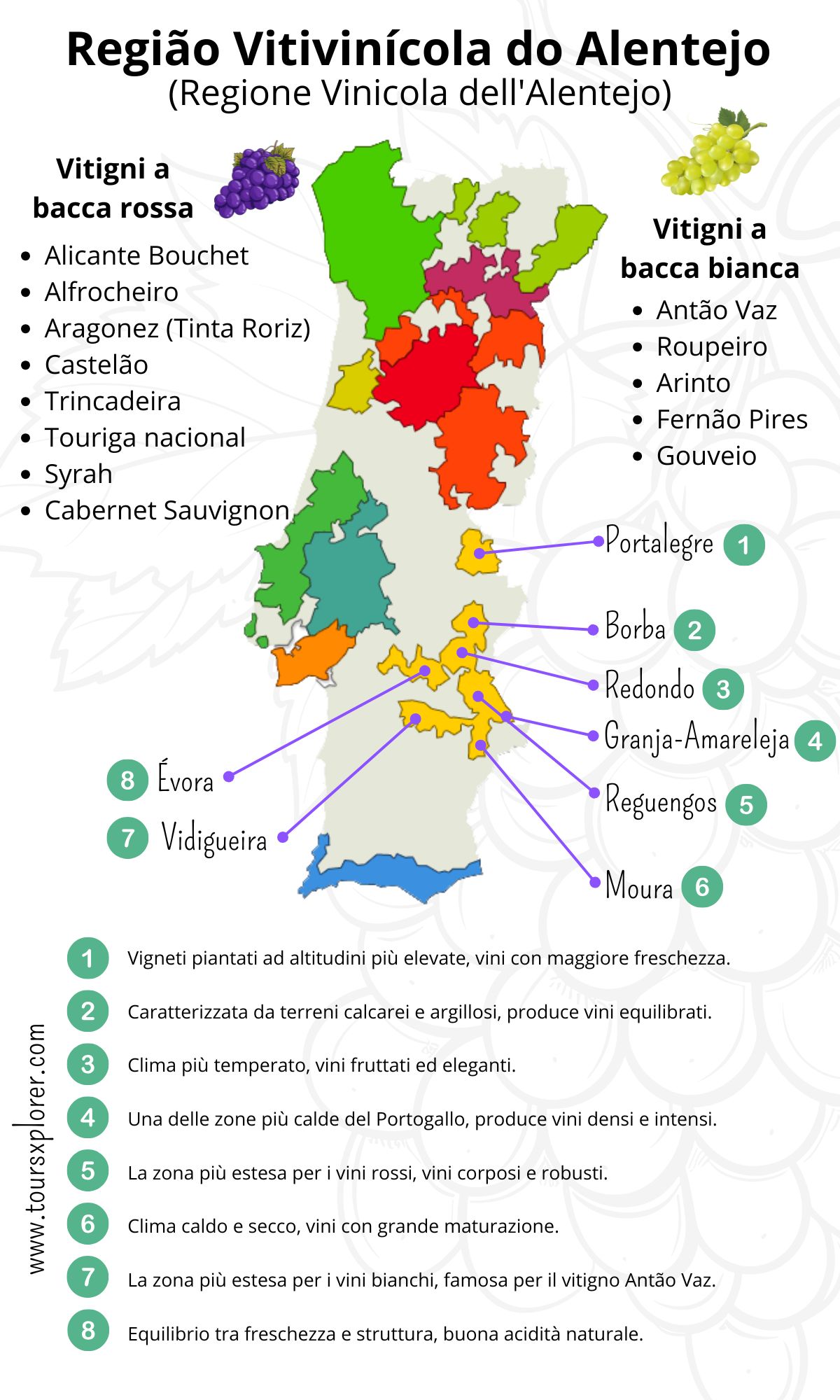
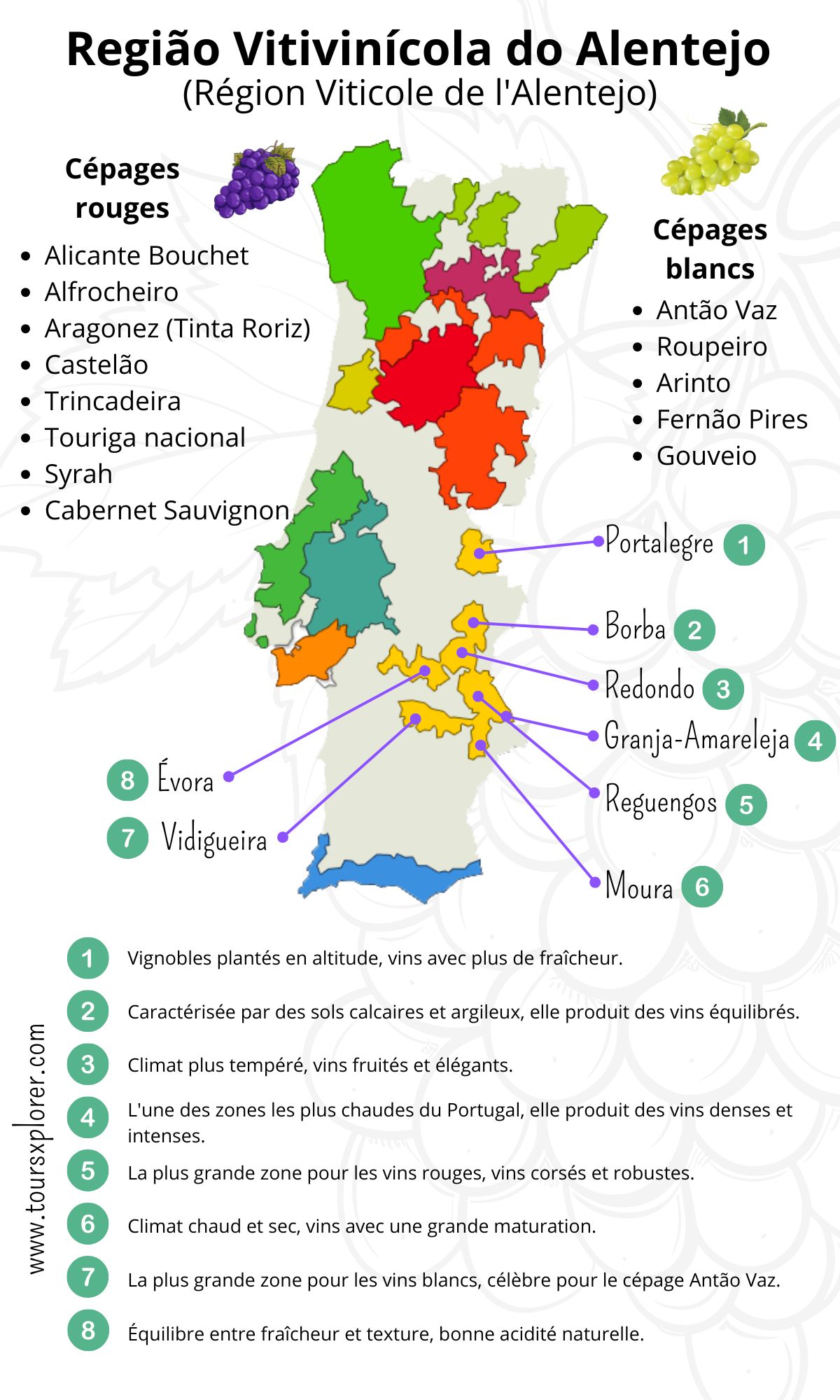
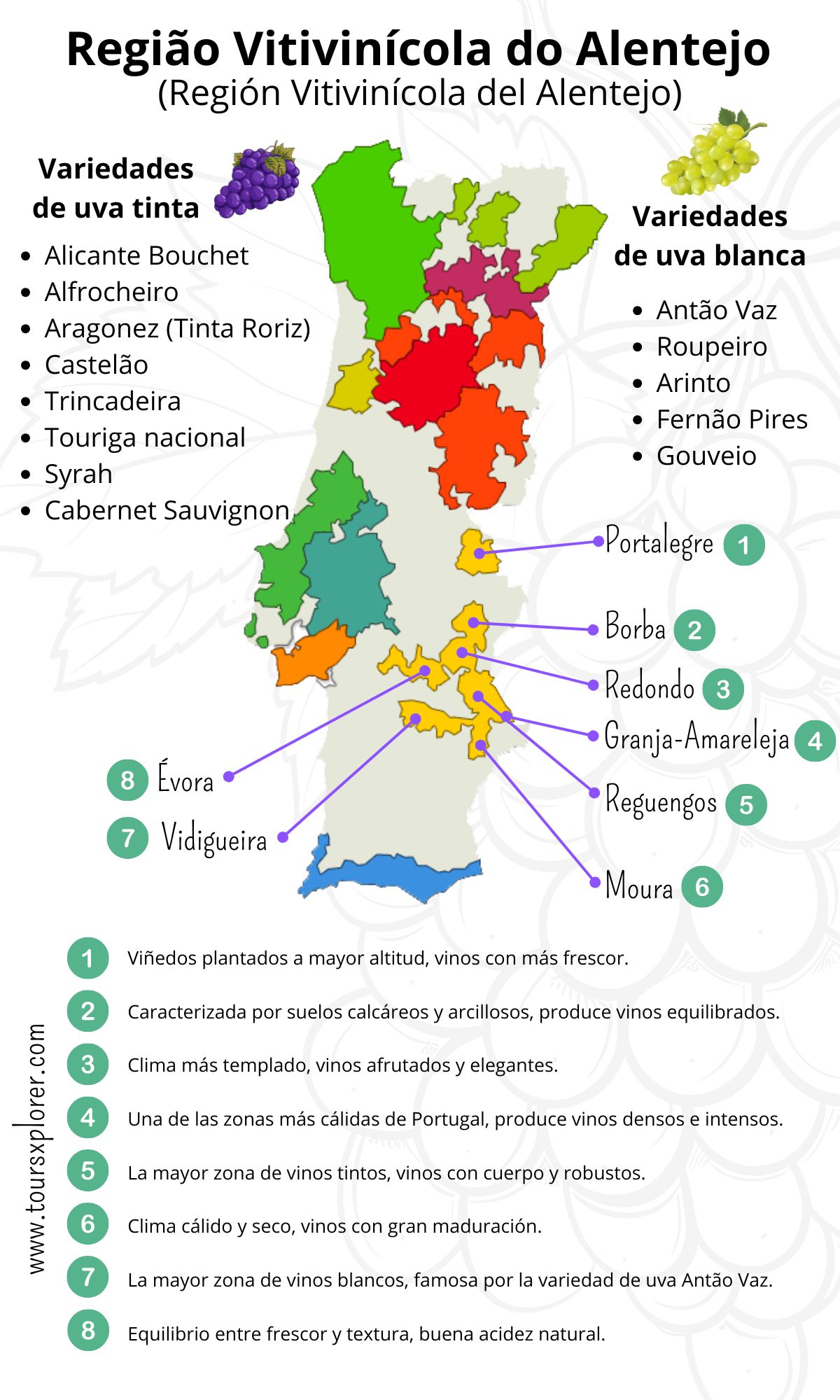
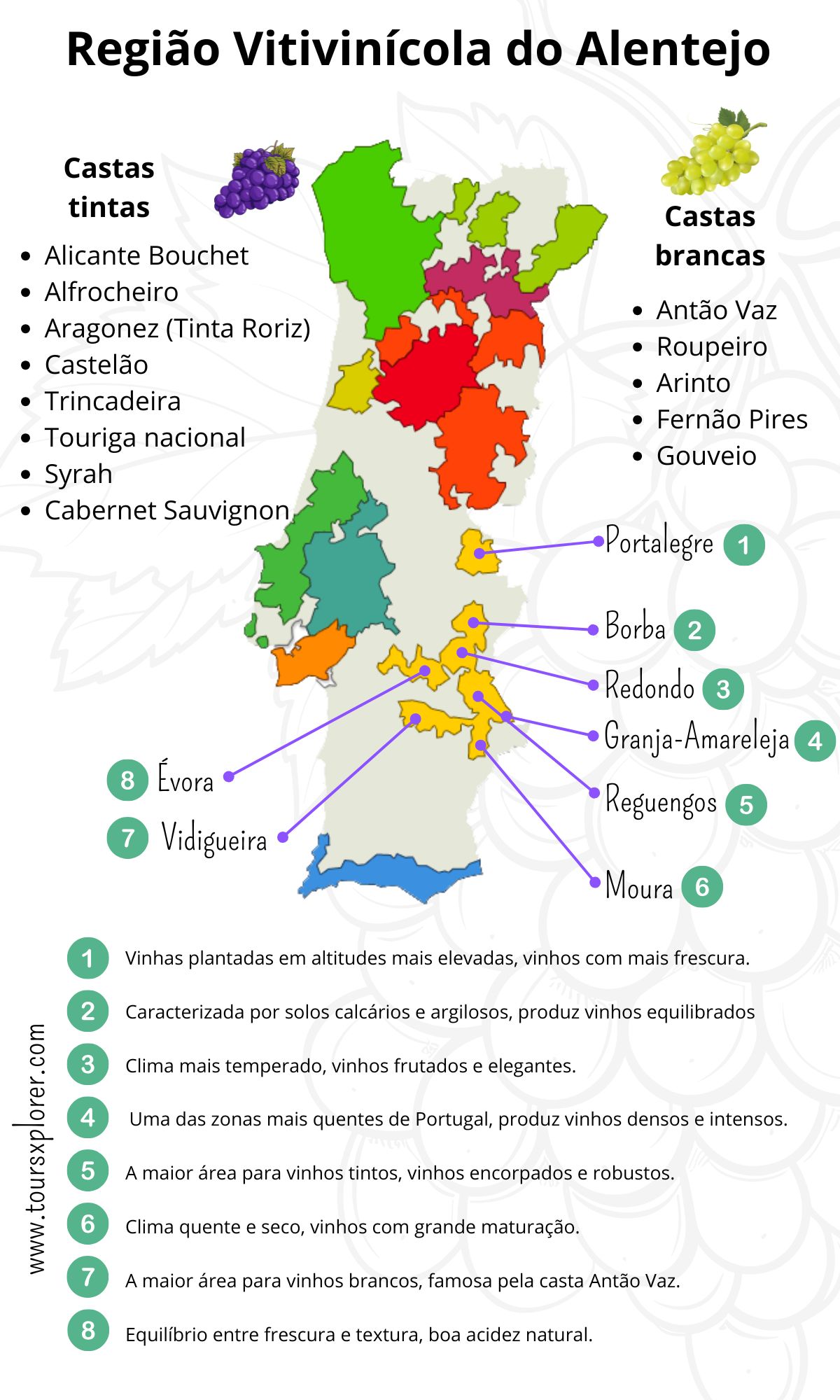
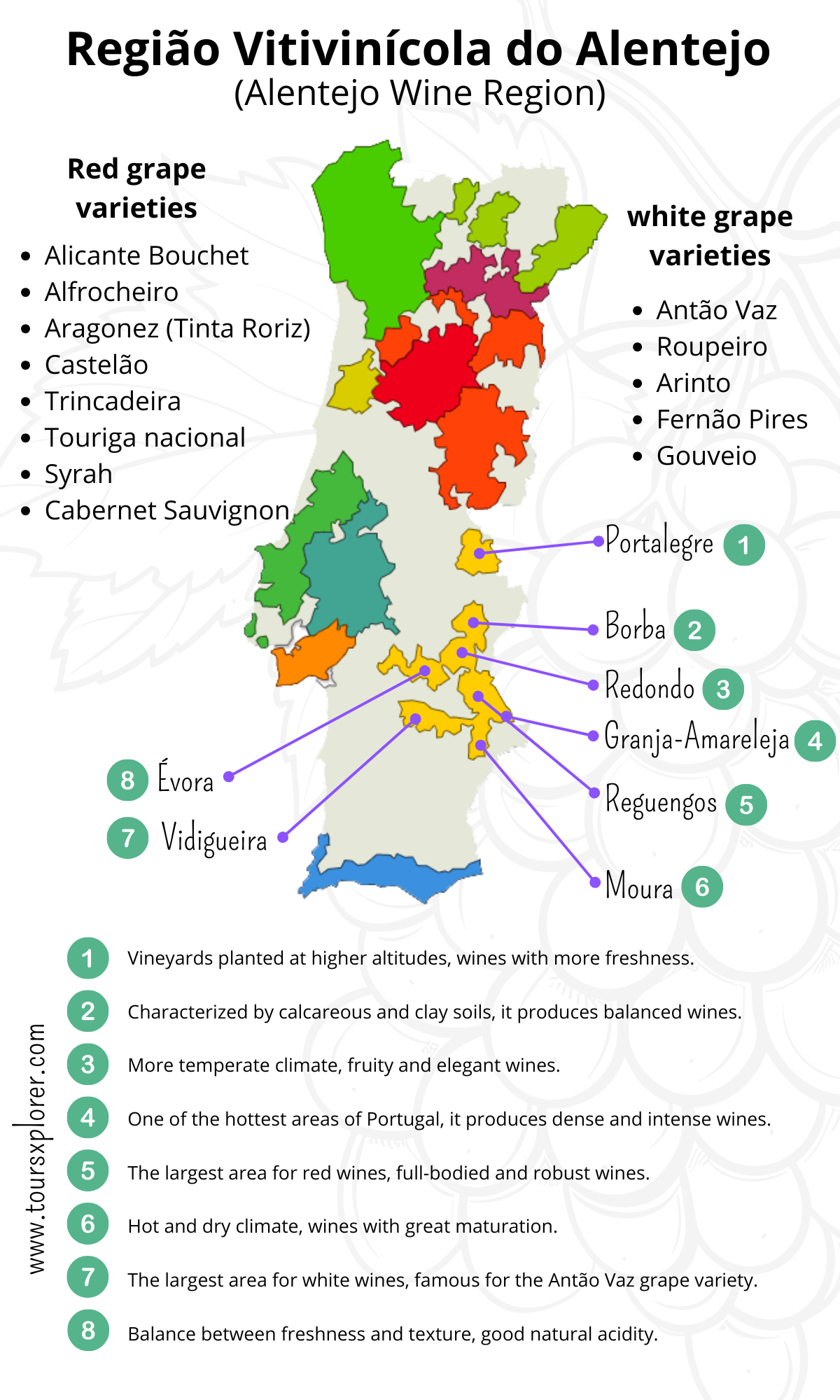
A comprehensive map outlining the diverse wine-producing sub-regions of Alentejo.
Planning Your Visit to Alentejo Wine Country
Best Seasons for Wine Lovers
If you're after green vineyards and sunshine, late spring (May–June) is a sweet spot. But fall (September–October) is the most exhilarating. Harvest season means full energy, fermenting cellars, and maybe even a chance to stomp grapes yourself if you ask nicely.
Summer (July–August) can be blazing hot, especially inland. But the long days, golden evenings, and local festivals make it worth it—just pack water and sunblock.
What a Typical Wine Tour Looks Like
- Warm welcome from the winemaker or host
- Guided tour through vineyards or talha cellars
- Tasting 3–6 wines, usually paired with cheese, olives, or cured meats
- Deep conversation about tradition, grape philosophy, maybe even life
Some tours include full meals, vineyard picnics, or blending workshops. Want to stay overnight in a vineyard farmhouse? Totally possible.
 Savoring the diverse flavors of Alentejo during a guided wine tasting tour.
How to Book Wine Experiences Easily
Don’t know where to start? Just head over to Toursxplorer.com. You can browse wine tours by region, duration, or level of exclusivity—whether you're after a full-day immersion or a short tasting break between sightseeing.
They’ve got partnerships w/ trusted local producers, and many tours come with added perks like hotel pickups, private guides, or access to vineyards not open to the public.
A Few Voices from the Vineyards
“I wasn’t a big wine person, but after tasting talha wine straight from the amphora, I get it now. It’s wild, ancient, and kind of life-changing.” – Julie S., traveler from Manchester
“The winemaker gave me his grandmother’s fig cake recipe while we were tasting. That’s how it is here. Personal. Intimate. Delicious.” – Diego R., guest from Buenos Aires
You’ll leave not just with bottles, but with stories. Maybe even a few inside jokes and handwritten notes from a winemaker scribbled on a label.
Why Alentejo is Worth the Journey
This isn’t wine tourism—it’s immersion. You’re not just visiting vineyards, you’re stepping into homes, traditions, rituals. You slow down. You listen. You learn that good wine isn't about labels or trends—it's about connection.
Your Invitation to Explore
If your heart is tugging toward something slower, richer, and real—follow it to Alentejo. Taste the clay-aged reds, sip under cork oak shade, share a laugh with a winemaker who still crushes grapes by foot.
Head over to Toursxplorer.com and start planning your wine tasting journey. The vineyards of Alentejo are ready to welcome you—with open arms and full glasses. ?