




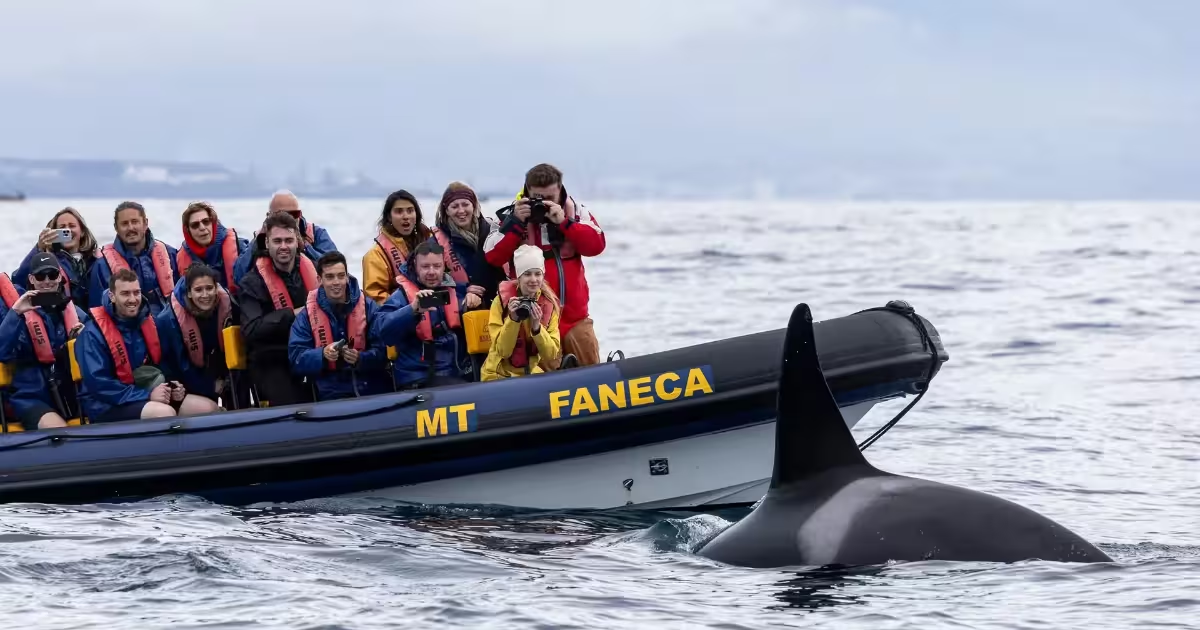
Whale Watching in the Azores: The Honest Guide (Tours, Season & Species)
From blue whale migrations in April to resident sperm whales year-round, here is what you actually need to know before booking.
The Azores sit at a biological crossroads in the mid-Atlantic, where the warm Gulf Stream meets cold, nutrient-rich upwellings roughly 1,500 kilometres west of Lisbon. This convergence attracts more than 28 cetacean species, more than almost any other place on Earth. Tours depart from multiple islands year-round, but the species you encounter, and the experience you have, depend heavily on when and where you go.
What is the Azores whale watching season, and which species appear when?
The Azores archipelago is one of the few places on the planet where whale watching is genuinely a year-round activity, though the cast of species shifts dramatically with the seasons. The resident sperm whale (Physeter macrocephalus), known locally as the cachalote, is the anchor of every season. Family units of females and juveniles remain in the deep submarine canyons around Pico and Faial throughout the year, making them the most reliably sighted large cetacean in the islands.
The headline event, however, is the spring migration. From late March through June, blue whales (Balaenoptera musculus) and fin whales (Balaenoptera physalus) pass through Azorean waters on their northward journey toward Arctic feeding grounds. Blue whales, the largest animals ever to have lived on Earth, reaching up to 30 metres in length, are most frequently seen between April and May. This narrow window is the most sought-after period for serious cetacean observers.
"The spring passage is not a guarantee. It is an appointment that the ocean keeps on its own schedule. Some days you find a blue whale within 20 minutes; other days you return with nothing but a deep respect for how large and unknowable the Atlantic truly is."
Common dolphins (Delphinus delphis) and bottlenose dolphins (Tursiops truncatus) are present virtually every month. Risso's dolphins (Grampus griseus), false killer whales, and pilot whales appear regularly from spring through autumn. Humpback whales (Megaptera novaeangliae) pass through primarily between February and April. In summer, striped dolphins (Stenella coeruleoalba) join the resident populations, occasionally in groups exceeding 500 individuals.
In practical terms: April to June offers the greatest species diversity. July to September offers the calmest sea conditions. October to March is quieter for diversity but remains productive for sperm whales, and sea conditions are more variable.
Is São Miguel (Ponta Delgada) or Pico Island better for whale watching?
This is the most debated question among first-time visitors, and the honest answer is that the two islands offer genuinely different experiences rather than one being objectively superior.
Ponta Delgada on São Miguel Island is the easiest entry point. It has the largest airport in the Azores, with direct flights from Lisbon, London, and Frankfurt, and the widest range of accommodation at every price point. Tours depart from the Marina de Ponta Delgada, typically traveling 10 to 20 kilometres offshore. The continental shelf around São Miguel is shallower than around the central group, which means sperm whales are somewhat less predictable here, though the species diversity during spring migration is comparable. For families, first-timers, or travellers combining whale watching with land-based sightseeing such as Sete Cidades or Furnas, São Miguel is the pragmatic choice.
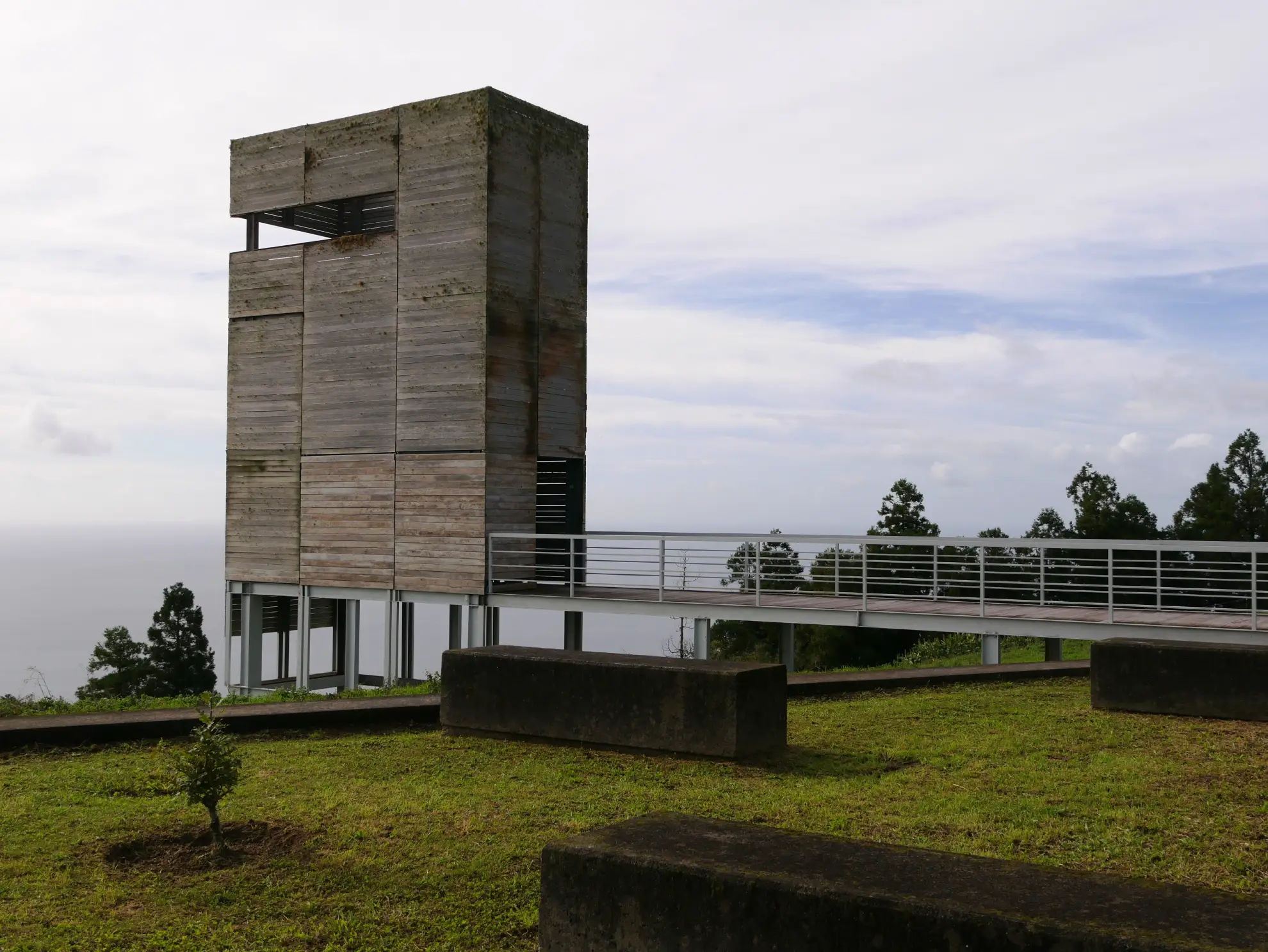
Pico Island, in the central group alongside Faial, is regarded by many marine biologists and experienced observers as the premier whale watching location in the archipelago. The reason is geological: the island rises from one of the deepest sections of the Atlantic, with submarine slopes dropping to over 1,000 metres within a few kilometres of the coast. Sperm whales feed in these deep channels, meaning boats from Madalena on Pico or Horta on Faial reach productive water in under 30 minutes. The central group also preserves the greatest concentration of historic vigias, the clifftop lookout stations from which spotters once guided whalers and now guide eco-tour vessels.
"Pico is where the shelf falls away almost directly from the shoreline. You can watch the volcano from the boat, and below you the water is already 800 metres deep. That proximity to the deep ocean is what makes the experience different."
Terceira Island offers a middle path, with departures from Praia da Vitória and Angra do Heroísmo and a growing range of half-day and full-day cetacean tours. It is a strong option for travellers who are already visiting the island for its UNESCO-listed old town.
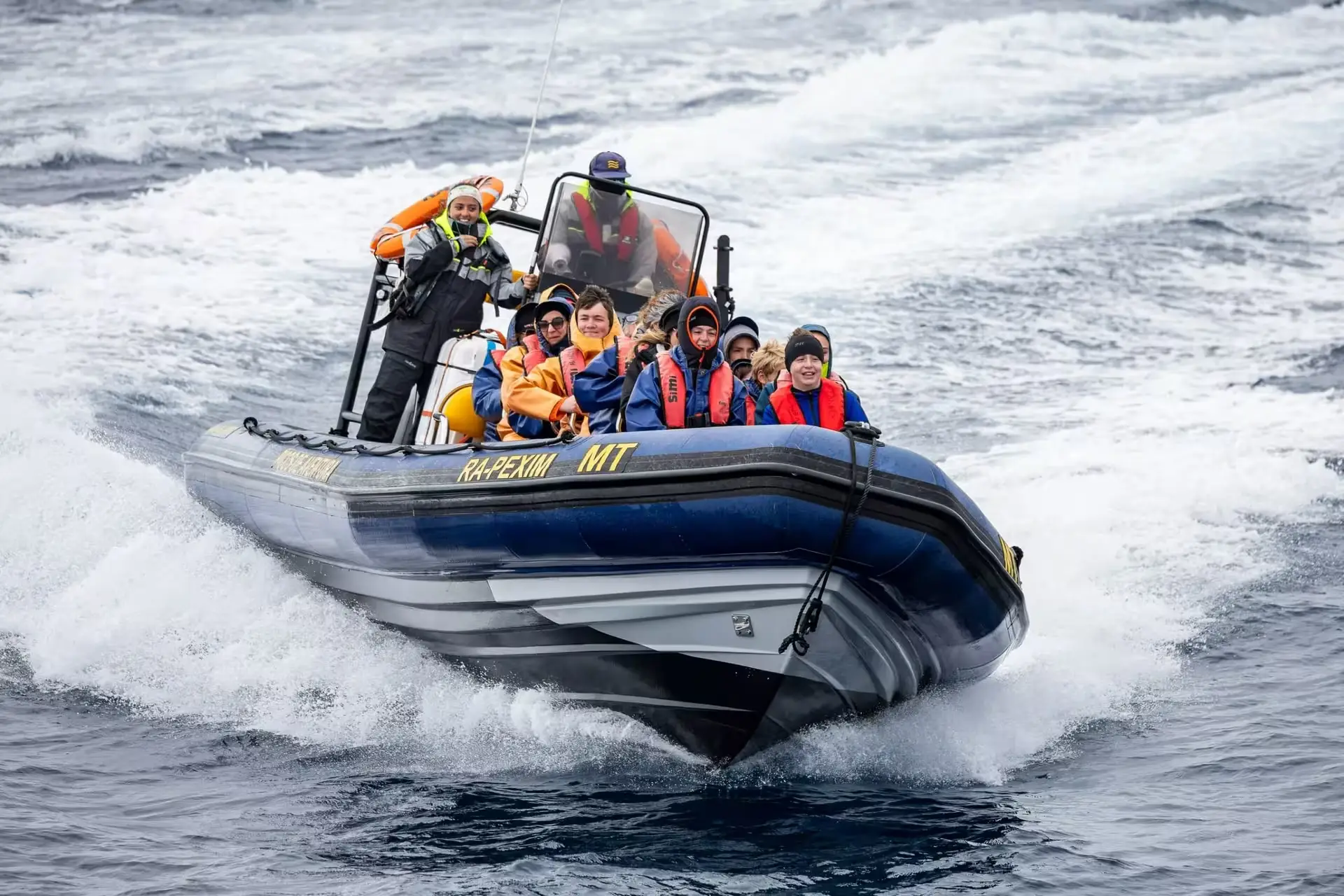
Zodiacs vs. catamarans: which boat type is right for your whale watching tour?
Most Azorean whale watching operators offer two distinct vessel types, and choosing between them materially affects your experience.
Rigid inflatable boats (RIBs or Zodiacs) carry between 8 and 12 passengers and sit low to the waterline, typically around 30 to 40 centimetres above sea level. Their speed, usually 30 to 45 knots, allows them to cover large distances quickly when a lookout spots a blowing whale on the horizon. The absence of a roof means unobstructed photography from any angle, and the physical proximity to the water creates an immediacy that larger vessels cannot replicate. The trade-off is comfort: passengers are exposed to spray, the ride is firm over swell, and there are no toilets on board. RIBs are not recommended for travellers with back problems, young children under approximately 8 years of age, or those with significant seasickness concerns.
Catamarans and schooners carry between 20 and 60 passengers, offer covered decks, seating, and usually a toilet. They are significantly more stable in choppy water, making them the preferred choice for families, older travellers, or anyone who has found small boats uncomfortable in the past. The compromise is speed and agility: catamarans take longer to reach the whales and cannot reposition as quickly when an animal dives. Many operators combine Zodiac and catamaran options within the same company, allowing you to match the vessel to your comfort level.
Whatever vessel you choose, Azorean operators are required by Portuguese maritime law to maintain a minimum distance of 50 metres from cetaceans, and no more than three vessels may approach a single animal or pod simultaneously. Engines must be cut to idle speed within 300 metres of a whale, and vessels may not pursue a diving animal. These rules, enforced since the early 2000s and tightened progressively through 2024, are among the strictest cetacean protection regulations in Europe.
What is the 'vigia' tradition, and why does it still matter in 2026?
Few aspects of Azorean whale watching are as culturally distinctive as the vigia system. During the 19th and early 20th centuries, the Azores were a major hub of the global sperm whale hunting industry, with American whaling fleets operating out of Faial and Pico. Shore-based lookouts, the vigias, stationed themselves in small stone huts on clifftops and promontories, scanning the horizon with telescopes and communicating sightings to the rowing boats below using coded flag signals.
Commercial whaling from the Azores ended in 1987, when Portugal banned the practice, but the vigia huts and the skills associated with them survived. Today, trained spotters, employed by licensed tour operators, still occupy many of the same clifftop positions around Pico and Faial, now using high-powered binoculars and VHF radios. They maintain continuous radio contact with the boats at sea, directing captains toward surfacing animals in real time. This live coordination means Azorean tours find whales with a reported sighting success rate of around 95 percent across the main season, a figure that reflects not just the abundance of cetaceans but the accumulated local knowledge embedded in the landscape itself.
Several of the original vigia stations are now heritage sites open to visitors. The Vigia da Queimada on Pico Island is among the best preserved, offering a direct physical connection to the island's whaling history and a spectacular vantage point over the Faial Channel.
Whale Watching Tours in the Azores: Curated Picks from ToursXplorer
Ready to book your whale watching tour in the Azores? Browse all certified cetacean tours departing from São Miguel, Terceira, and the central group islands on ToursXplorer and filter by date, boat type, and group size.
Click herePractical advice before you book: what honest whale watching looks like in 2026
The 95 percent sighting success rate cited by most Azorean operators is genuinely supported by long-term observation data, but it applies across the full season and across all cetacean species combined. On any individual departure, sightings are not guaranteed. The Atlantic between April and October can produce swells of 2 to 3 metres even on days that begin calmly, and departures are cancelled when sea state exceeds safe operating limits, typically anything above Beaufort Force 5. Most operators offer a full refund or rescheduling for weather cancellations.
Bring layers regardless of the air temperature on shore. Ocean conditions 15 kilometres offshore are consistently cooler and windier than in Ponta Delgada or Madalena. Polarised sunglasses significantly improve your ability to spot blowhole plumes and fins on the water surface. Binoculars with 7x50 or 10x42 magnification are useful, though guides will direct your attention to surfacing animals. Motion sickness medication, if you are prone to nausea, should be taken at least one hour before departure.
ToursXplorer lists tours that operate under current Portuguese Maritime Authority licensing and comply with the cetacean watching regulations set out in Portaria 1102-B/2000 and subsequent amendments through 2023. When comparing operators, look for RIME certification (Registo de Identificação de Meios de Embarcação) and membership in the WhaleSafe quality programme, which audits approach behaviour and time-on-site limits independently.
Finally, consider the broader context. The Azores transition from a whaling economy to a whale-watching economy between the 1980s and 1990s is one of the more studied examples of conservation-driven economic transformation in Europe. The Museu dos Baleeiros in Lajes do Pico, opened in 1988, documents this history with original harpoons, whaleboats, and oral history recordings. Visiting it before or after a tour adds a dimension to the experience that purely marine-focused itineraries tend to overlook. ToursXplorer recommends pairing a Pico whale watching departure with at least half a day in Lajes for exactly this reason.
Frequently Asked Questions
April and May are the peak months for blue whale sightings in the Azores. During this period, blue whales (Balaenoptera musculus) migrate northward through the mid-Atlantic on their way to Arctic feeding grounds, passing through the deep waters surrounding the archipelago. Fin whales also transit during this window. Outside of April to June, blue whale sightings are rare to absent.
Pico Island is generally considered superior for sperm whale reliability because the ocean floor drops to over 1,000 metres within a few kilometres of shore, providing ideal deep-water habitat. São Miguel (Ponta Delgada) is more accessible, with more flights and accommodation options, and offers comparable species diversity during the spring blue whale migration. Families or first-timers often find São Miguel more convenient.
Yes, with some caveats. Catamaran-style tours are the most family-friendly option, offering covered decks and stable conditions. Rigid inflatable Zodiacs are faster and closer to the water but are not recommended for children under approximately 8 years old or those prone to seasickness. Most operators in Ponta Delgada offer both vessel types. Booking a morning departure usually means calmer sea conditions.
Half-day tours generally run between 2.5 and 4 hours on the water, including transit time to cetacean habitat. Full-day combination tours, such as those pairing whale watching with a land visit to Lagoa do Fogo crater lake, typically last 7 to 9 hours in total. Tour length varies by operator and island. Check departure and return times carefully when combining with flights or ferry connections.
Some licensed tours in the Azores offer supervised in-water encounters with wild dolphins, typically common dolphins or bottlenose dolphins in open ocean. Participants must be competent swimmers. The activity is subject to dolphin behaviour on the day and weather conditions, and operators follow strict no-pursuit protocols. This differs from captive swim programmes and depends entirely on wild animal cooperation.
Sperm whales (Physeter macrocephalus) are the most reliably resident large species, present year-round particularly around Pico and Faial. Common dolphins (Delphinus delphis) and bottlenose dolphins (Tursiops truncatus) are also seen throughout the year. Migratory species including blue whales, fin whales, and humpback whales are seasonal visitors, primarily from February to June depending on the species.