There are places that look exactly as extraordinary in real life as they do in photographs. Sintra is one of them. Perched in the forested hills of the Serra de Sintra, just 30 kilometres west of Lisbon, this UNESCO World Heritage town has been casting a spell on visitors for centuries. Lord Byron called it a "glorious Eden." Robert Southey described it as "the most blessed spot on the whole inhabitable globe." Once you arrive, you will understand why.
This guide covers everything a first-time visitor needs to know: which palaces to prioritise, how to get there, when to go, and the practical details that make the difference between a chaotic day and a genuinely memorable one.
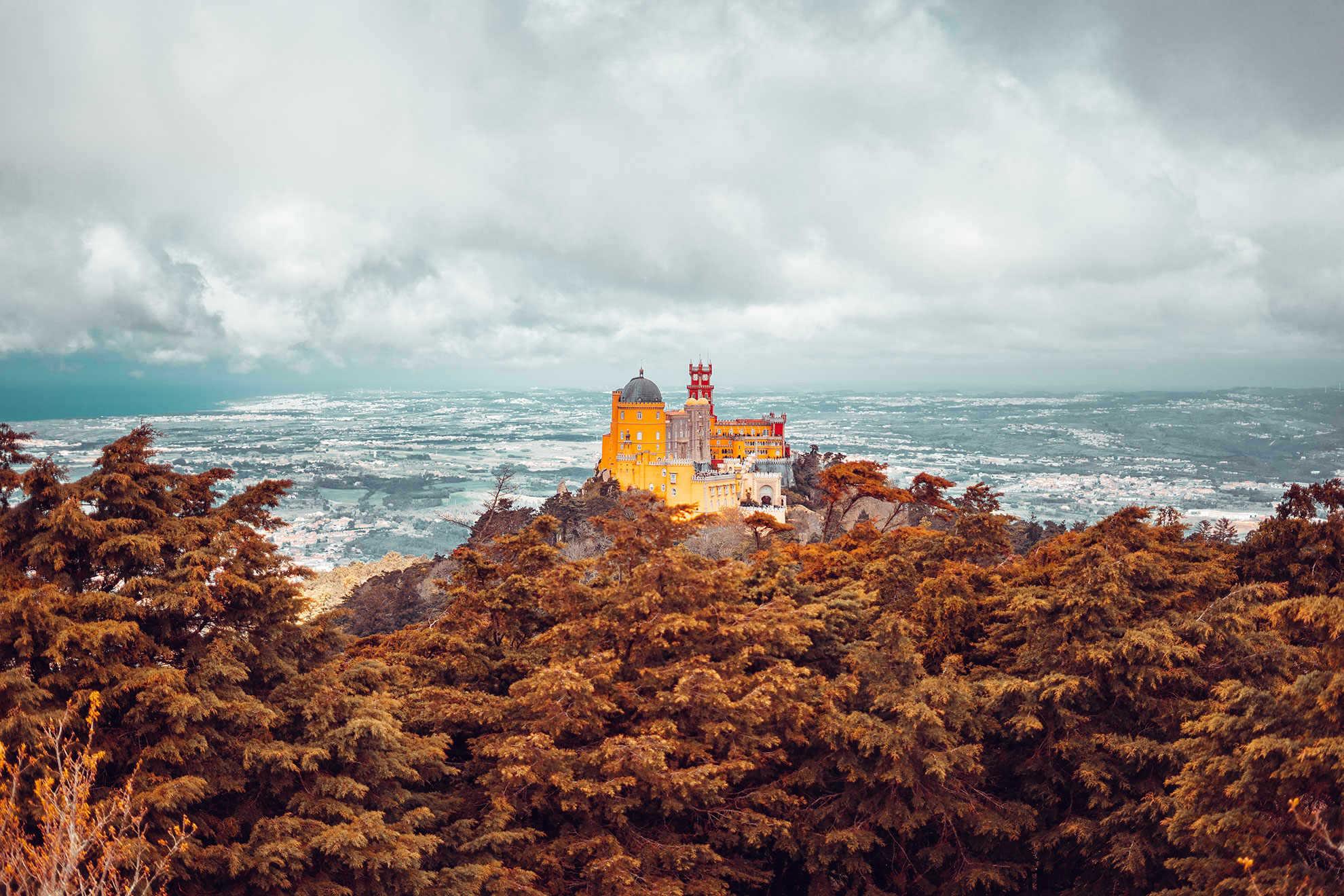
Sintra is a fairytale town that looks like a fantasy kingdom or an enchanted forest. It has bewitched visitors and poets throughout history. This is where the Celts worshipped the moon, the Moors built their great wall, and royalty erected their dream palaces. Together, these constructions resulted in Europe's first centre of Romantic architecture, and it is now a World Heritage Site — the first cultural landscape in Europe to receive UNESCO listing.
Due to its high elevation and microclimate, Sintra is always 2 to 5 degrees cooler than Lisbon. It can also be quite foggy in the mornings and evenings, while it is clear and sunny elsewhere in Portugal. Pack a light layer even in summer.
Sintra has more palaces than most visitors can cover in a single day. Here is an honest guide to each one.
Palácio Nacional da Pena is the unmissable centrepiece. The most spectacular of Sintra's palaces, it looks like a Disney extravagance but was an actual royal residence from the 1800s. The vivid yellow and red exterior sits high on a rocky peak above the town, visible from miles around. Tickets to the interior state rooms are sold as timed entry in 30-minute blocks, and these slots sell out quickly during high season from Easter to October. Book in advance and do not miss your entry time, as it is strictly enforced. The full ticket to the palace and park costs €20 for adults.

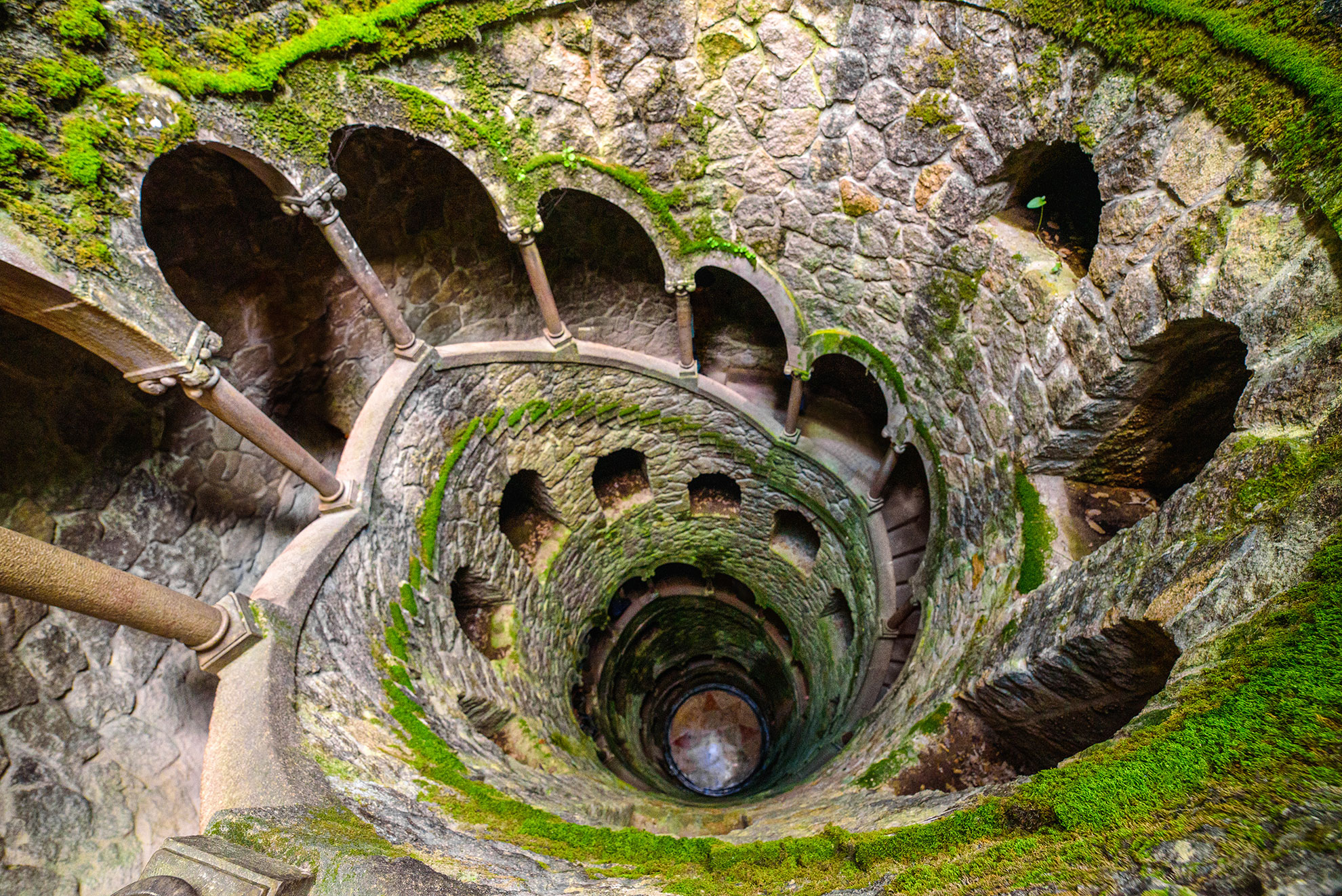
Quinta da Regaleira is the most mysterious of the group and a favourite among first-time visitors for good reason. The grounds were designed as a symbolic journey through mythology and ancient orders, and the famous Initiation Well — a spiral staircase descending 27 metres into the earth — is one of the most photographed spots in Portugal. Purchase your ticket online in advance to save the wait in the ticket line. Allow 2 to 3 hours to explore Quinta da Regaleira, including not only the palace but the mysterious gardens as well.
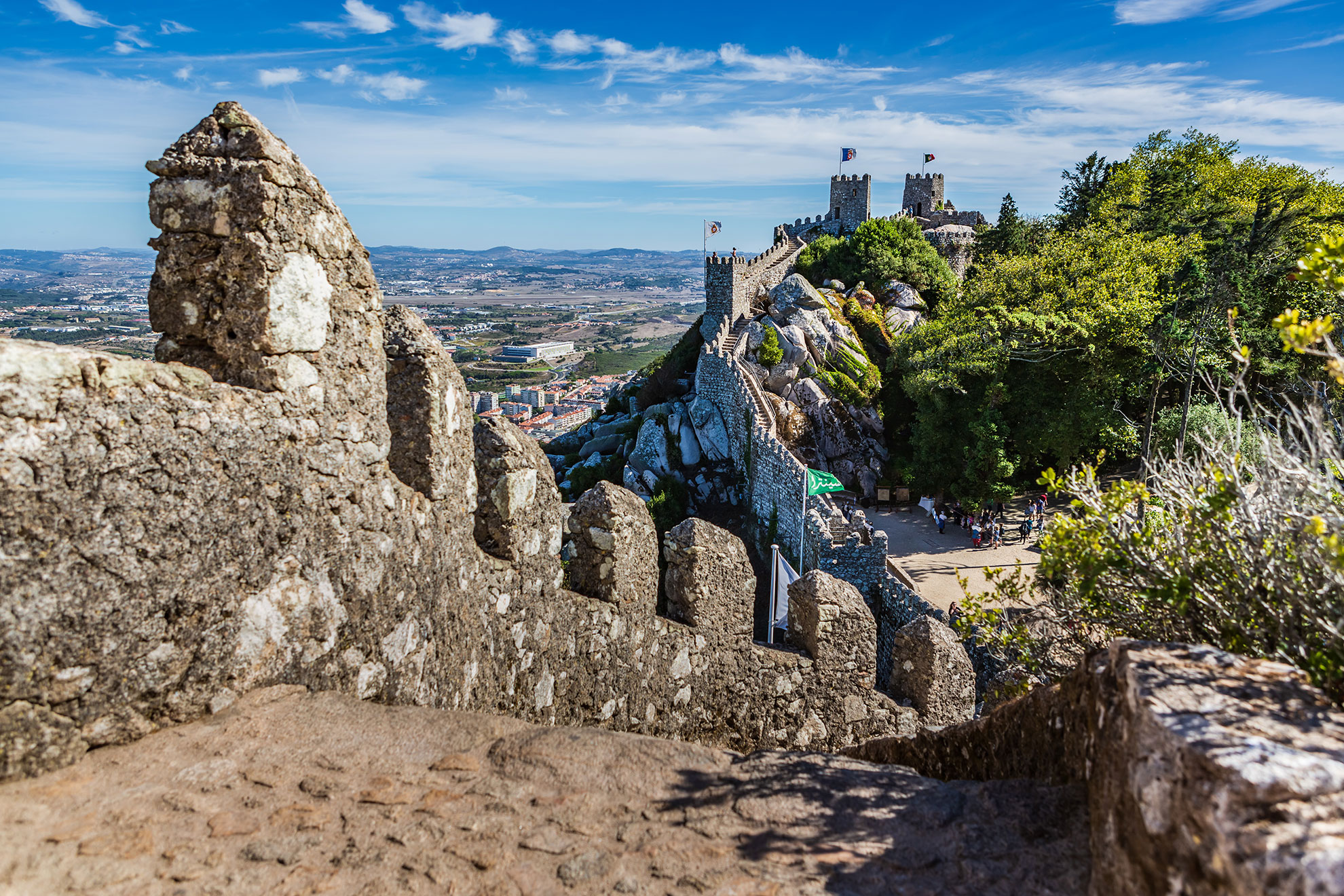
Castelo dos Mouros is for those who want height and history in equal measure. These 9th-century ruins snake over a high rocky ridge and offer a fantastic walk along the ancient battlements, with outstanding views of Pena Palace and the historic town below. It is less crowded than Pena and connects naturally with it via a 10-minute walk through the forest.
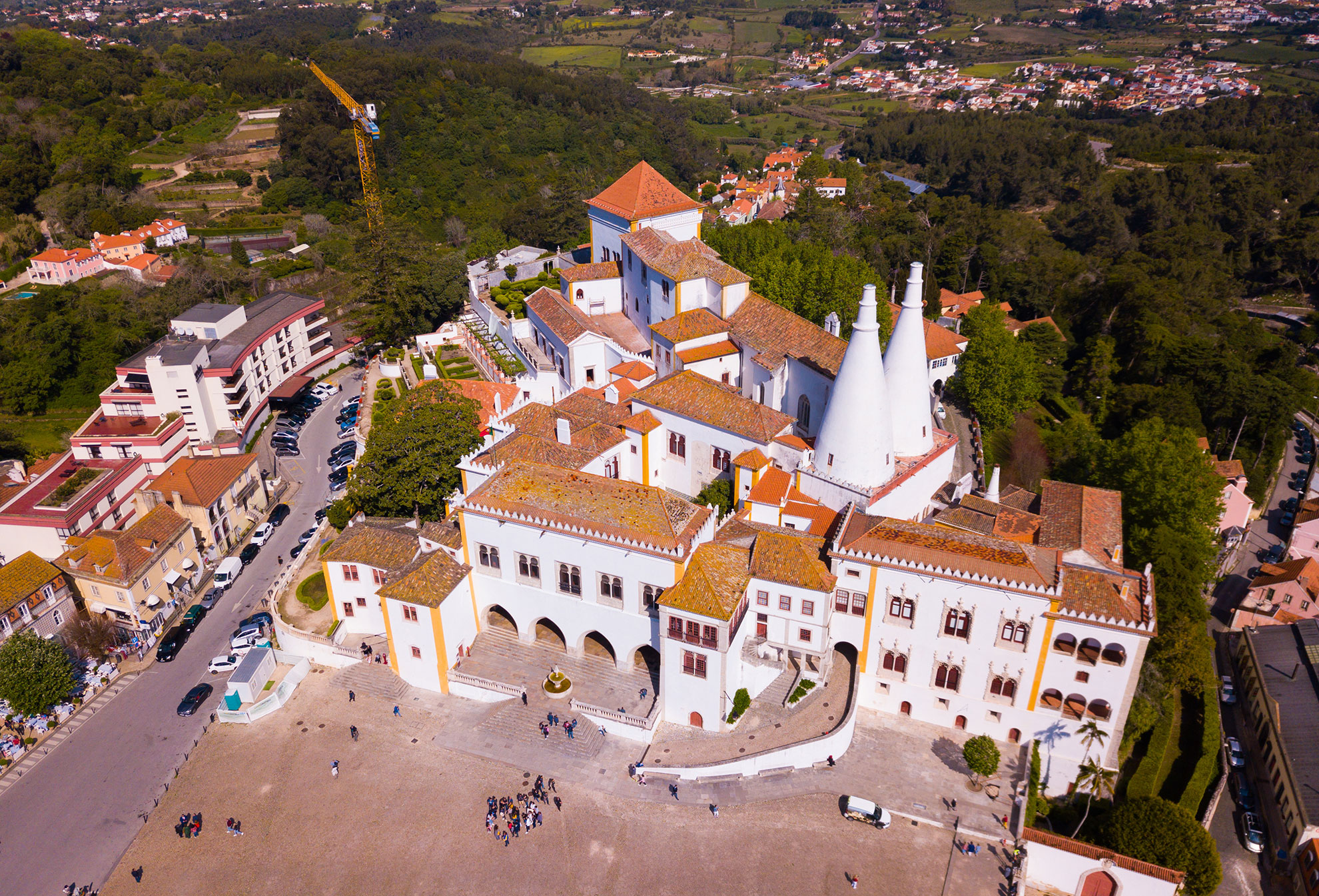
Palácio Nacional de Sintra sits right in the heart of the old town and is instantly recognisable by its two giant cone-shaped kitchen chimneys. It is the best-preserved medieval royal palace in Portugal and was continuously used by the monarchy from the 15th to the 19th century. Save this one for the afternoon, when the hilltop crowds have thinned and you are already back in town.
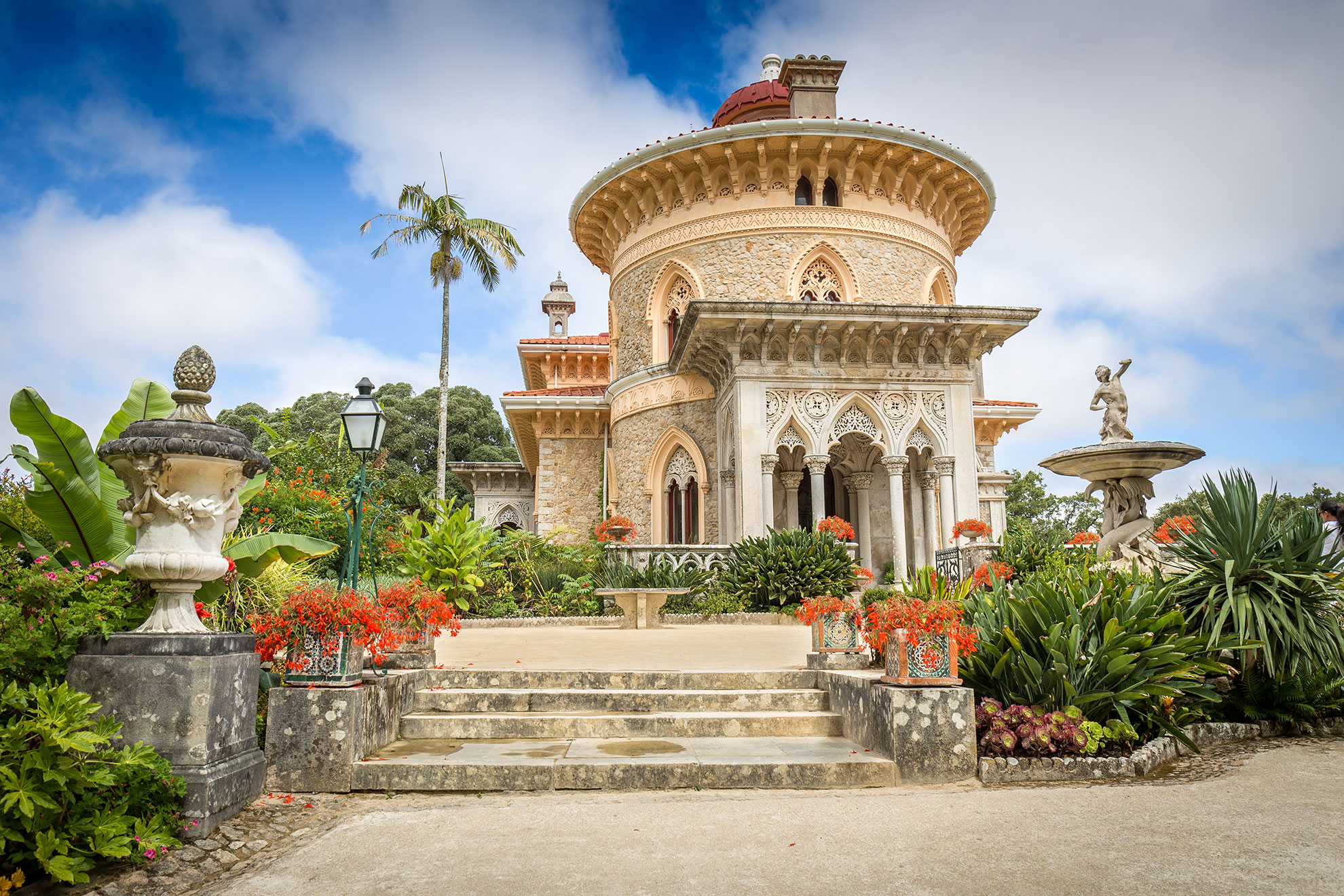
Palácio de Monserrate is the hidden gem of the group. This exquisite villa combines Gothic, Indian, and Moorish architectural styles to create a truly unique building, and it is an excellent choice for those looking to explore a less crowded yet equally fascinating Sintra attraction.
Getting to Sintra is straightforward, with a regular train service from Lisbon making it a hassle-free excursion suitable for all ages. The best option is the train from Rossio Station in central Lisbon, with departures every 20 minutes and a journey time of approximately 40 minutes. The ticket is inexpensive and the train drops you directly at Sintra station, a short walk from the historic centre.
Once in Sintra, the 434 tourist bus connects the train station to Pena Palace and the Moorish Castle. The 435 bus serves Quinta da Regaleira and Monserrate. Both buses run frequently but fill up quickly in summer. The 3-kilometre walk from the historic centre to Pena Palace is up a very steep hill and is not suitable for most visitors, especially in the heat of summer. Use the bus or take a tuk-tuk.
The best times to visit Sintra are May, June, and September. The days are longer and sunnier, but without the bigger summer crowds. Spring also brings the rhododendrons and camellias into bloom across the palace gardens, which adds another layer of beauty to the visit.
Avoid mid-July and August if possible. The combination of heat, crowds, and sold-out tickets makes for a stressful experience. If you must visit in summer, arrive at the train station before 9am.
Morning: Take the first or second train from Lisbon and head straight up to Pena Palace before the crowds arrive. Explore the palace and gardens, then walk down to the Moorish Castle for the views.
Midday: Return to the historic centre for lunch. The streets around Praça da República have plenty of cafes and restaurants. This is also the moment to try Sintra's famous local pastries.
Afternoon: Walk to Quinta da Regaleira, which is about 15 minutes from the town centre, for the Initiation Well and gardens. End the day at the Palácio Nacional de Sintra, which is right on your route back to the train station.
On a day trip you will only have time to see two or three of the palaces. If you want to see everything, consider staying overnight.
No visit to Sintra is complete without trying the town's two signature pastries. The queijada is a cheese tart, and the place to get one is at Piriquita, a shop on a pedestrian street close to the National Palace. There you will also find the travesseiro, a crumbly almond pastry. Both are best eaten warm, straight from the counter.
Book palace tickets in advance. Pena Palace timed-entry slots sell out days ahead during peak season. Quinta da Regaleira and the Moorish Castle also benefit from advance booking.
Start early. The first train from Rossio leaves around 7am. Arriving at Pena Palace at opening time makes a significant difference to the experience.
Wear comfortable shoes. Sintra involves a lot of walking on steep cobbled paths. This is not a sandals day.
Bring a layer. The microclimate means it can be cool and misty even on a warm Lisbon day.
Check the weather. Morning fog is common. It usually burns off by mid-morning but can occasionally linger all day, which affects the views from the hilltop palaces.
If you have a second day, the coastline west of Sintra is exceptional. Cabo da Roca is the westernmost point of continental Europe, and the beaches at Praia da Adraga and Praia da Ursa are among the most dramatic on the Portuguese coast. The town of Cascais, about 30 minutes by bus, makes a pleasant contrast to Sintra's forested hills with its seafront promenade and relaxed atmosphere.
Planning a guided day trip to Sintra from Lisbon? Browse our curated tours, including private options that combine Sintra with the Cascais coastline, designed to make the most of your time.