




20 Things to Do in Porto in 2026: Your Definitive Local Guide
From granite church towers and azulejo-tiled train stations to terraced Douro vineyards and late-night petiscos, Porto rewards every kind of curious traveller.
Porto is Portugal's second city, but it has never played second fiddle to Lisbon. Built across granite hills that tumble down to the Douro River, this UNESCO-listed city of roughly 240,000 inhabitants blends baroque church towers, Beaux-Arts railway stations, and contemporary concert halls within walking distance of each other. In 2026, it remains one of Europe's most walkable and texturally rich urban destinations.
What makes Porto worth visiting in 2026?
Porto, known to locals as Invicta (the unconquered city), earned its nickname from a prolonged resistance during the Liberal Wars of the early 19th century. That stubborn, self-reliant character still shapes the way the city feels: unhurried, direct, and deeply proud of its own traditions. The historic centre, classified as a UNESCO World Heritage Site in 1996, covers a compact area that stretches from the Sé Cathedral down through the labyrinthine alleys of the Ribeira quarter to the riverfront.
The city's topography is not incidental to its character. Porto sits on a series of steep granite ridges, and navigating it on foot means constant ascent and descent, rewarded at every crest by a view of terracotta rooftops, the glittering river, or a tiled church facade catching the afternoon light. Tram Line 22, still running vintage cars along a loop through the Batalha and Carmo neighbourhoods, offers a practical and nostalgic alternative when the calves give out.
"Porto is a city you understand with your feet. Every cobbled climb ends with a panorama that makes the effort feel like a bargain." — ToursXplorer Editorial Team
In practical terms, the city is served by Francisco Sá Carneiro Airport, 11 kilometres northwest of the centre, with the Metro's Violet Line (E) connecting it to Trindade station in roughly 30 minutes. The historic core is compact enough that most of the 20 experiences listed here lie within 2 to 3 kilometres of each other.
What are the top landmark experiences in Porto?
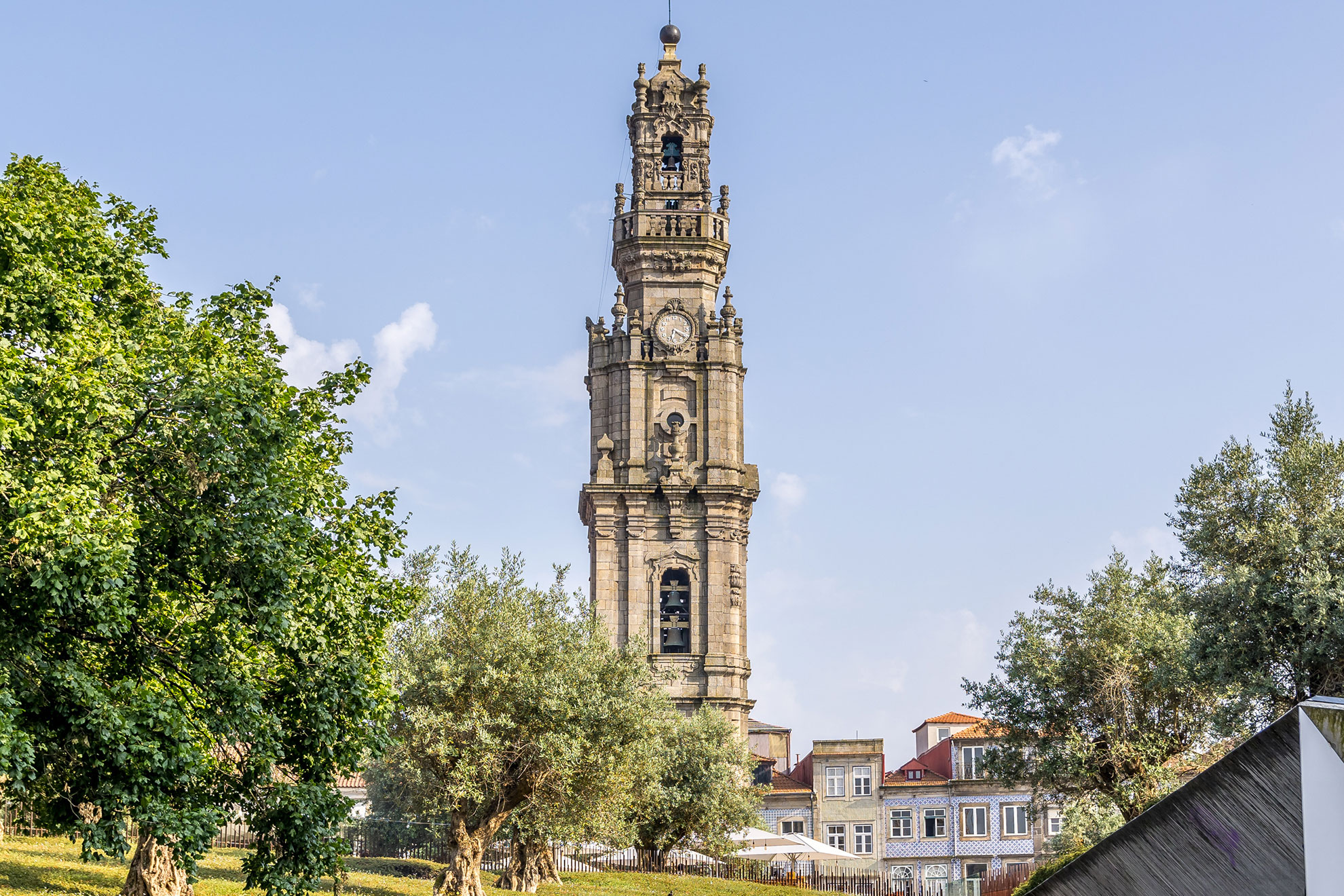
1. Climb the Clérigos Tower. The Torre dos Clérigos, designed by the Italian-born architect Nicolau Nasoni and completed in 1763, stands 75 metres tall and was the tallest building in Portugal for over a century. The 240-step spiral staircase opens onto a circular balcony with a 360-degree view over the city's roofscape. Entry costs around €6 in 2025, and the ticket includes access to the adjoining church.
2. Spend an hour at São Bento Station. The grand hall of the Estação de São Bento, inaugurated in 1916, is lined with approximately 20,000 blue-and-white azulejo tiles painted by Jorge Colaço. The panels depict scenes from Portuguese history, including the Battle of Valdevez (1140) and the entry of João I into Porto in 1387. The station is free to enter and remains a working railway hub.
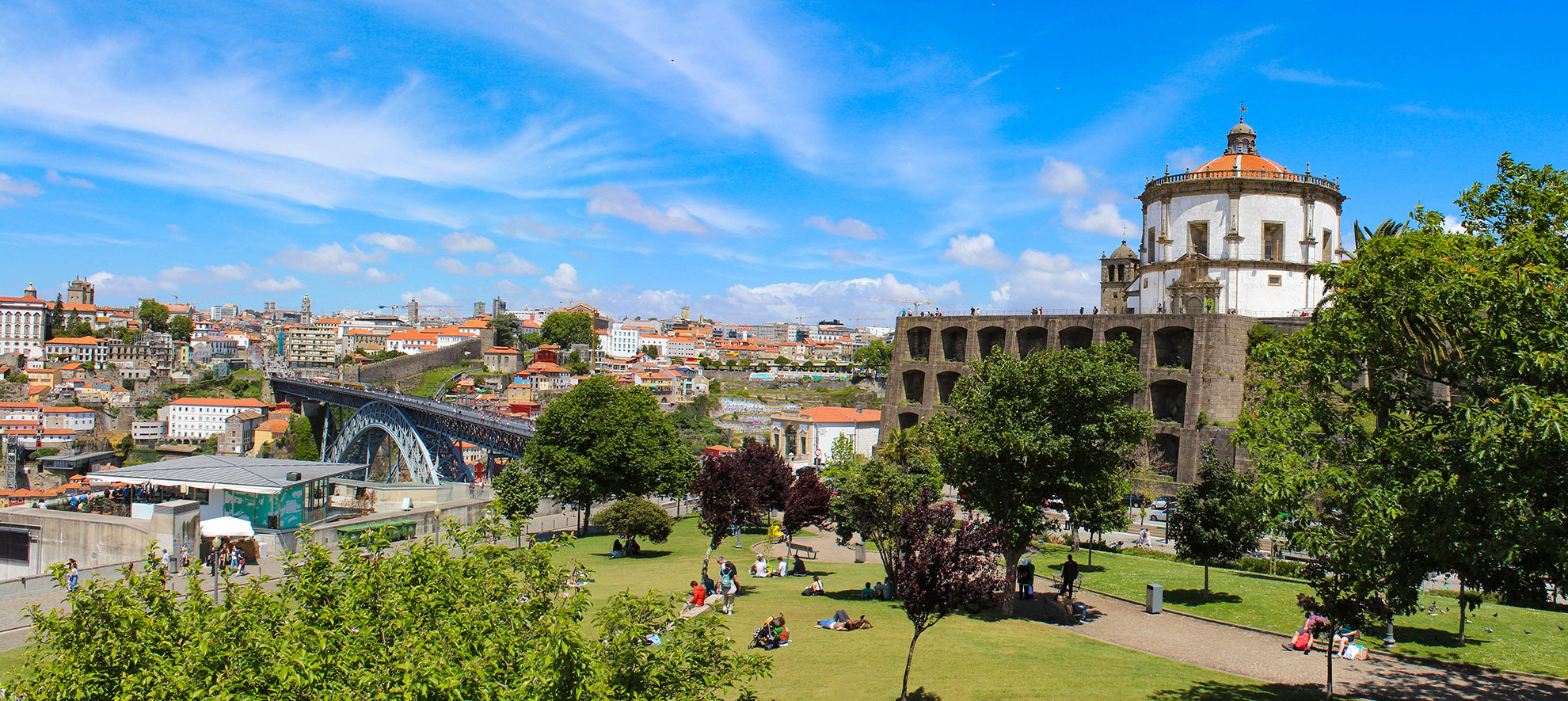
3. Cross the Dom Luís I Bridge on foot. Completed in 1886 and designed by Théophile Seyrig, a collaborator of Gustave Eiffel, this double-deck iron arch bridge spans 172 metres across the Douro. The upper deck, used by the Metro, offers an unobstructed pedestrian walkway at 45 metres above the river. The lower deck connects the Ribeira directly to Vila Nova de Gaia.
4. Visit the Sé Cathedral. Porto's Romanesque cathedral dates to the 12th century, making it one of the oldest buildings in the city. Its Gothic cloister, added in the 14th century, features blue-and-white azulejo panels illustrating scenes from Ovid's Metamorphoses. The terrace in front of the cathedral offers one of the most unobstructed views over the Ribeira rooftops.
5. Explore Livraria Lello. Opened in 1906 and designed in a Neo-Gothic style by Xavier Esteves, this bookshop on Rua das Carmelitas is frequently cited among the most beautiful bookshops in the world. The carved wooden staircase and stained-glass ceiling have made it a significant draw; timed entry tickets (currently around €5, redeemable against book purchases) are essential to avoid long queues.
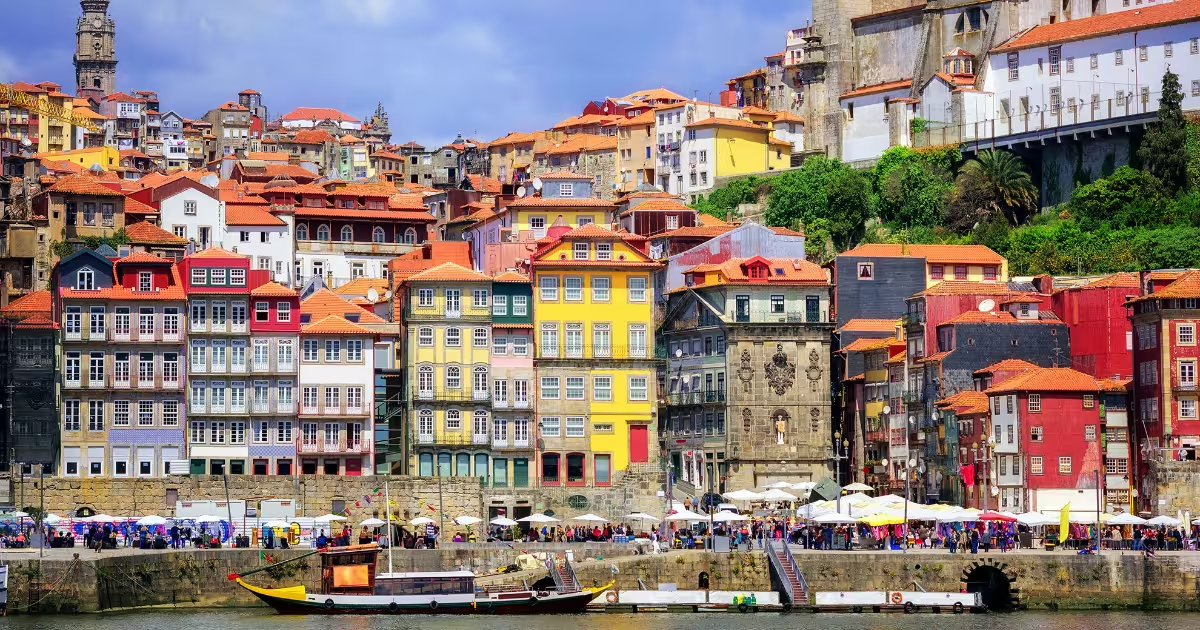
6. Walk the Ribeira waterfront. The riverside promenade of the Ribeira quarter, a UNESCO-listed sector in its own right, lines the north bank of the Douro with coloured townhouses, fishermen's taverns, and outdoor tables. The cobbled Cais da Ribeira runs from the Infante D. Henrique Bridge westward and is most atmospheric in the early morning before tour groups arrive.
Where is the best place for Port wine tasting in Porto?
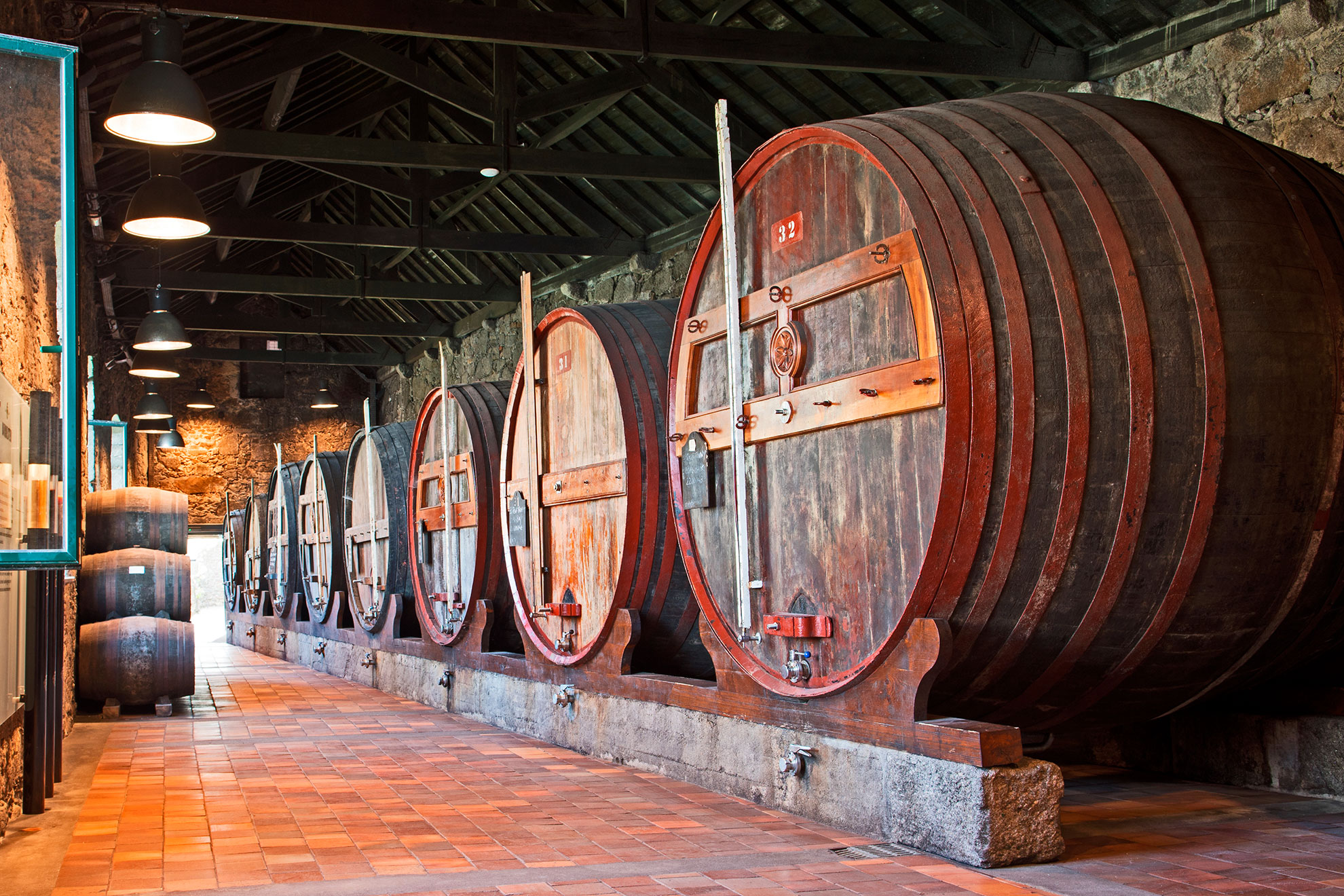
The answer is technically across the river. The great Port wine lodges (Gaia lodges) are located in Vila Nova de Gaia on the south bank, where the Douro's cooler, more humid microclimate was found centuries ago to be ideal for aging fortified wines. The major houses include Graham's, Taylor's, Sandeman (founded 1790), Ferreira, and Quinta do Crasto, all of which offer guided cellar tours followed by structured tastings. A standard tour with two wine samples typically costs between €15 and €25.
7. Tour the Gaia wine lodges. Most lodges open between 10:00 and 18:00, with some extending hours during summer. Graham's Lodge, perched high on the Gaia hillside, offers a particularly clear view over the Porto skyline from its terrace. For those preferring to stay in the city centre, a growing number of modern wine bars along Rua da Flores and Rua do Almada pour Ports by the glass alongside still wines from the Douro Valley.
"Port wine is not a footnote to a Porto visit. It is the reason the city exists in its current form. The lodges on the Gaia bank have been trading with British merchants since the 17th century." — ToursXplorer Editorial Team
8. Learn to distinguish Tawny from Ruby. A basic literacy in Port wine styles enhances any tasting considerably. Ruby Port is aged for shorter periods in large vats, preserving fruit character. Tawny Port is aged in small oak casks for 10, 20, 30, or 40 years, developing nutty, oxidative notes. Late Bottled Vintage (LBV) and Vintage Ports represent the category's top tier and are aged in bottle rather than cask. Many guided tours on ToursXplorer include this tasting education as part of the experience.
9. Explore the emerging Vinho Verde wine culture. While Port dominates Porto's wine identity, the Minho region to the north produces Vinho Verde, a light, slightly effervescent white wine with relatively low alcohol (typically 8.5 to 11 percent). Day trips from Porto into the Minho countryside combine vineyard visits with tastings at family quintas, offering a contrast to the formal lodge experience in Gaia.
What food experiences should you not miss in Porto?
10. Eat a Francesinha. Porto's emblematic sandwich, the Francesinha, consists of layers of cured ham, linguiça sausage, and steak or pork, covered in melted cheese and a spiced tomato-and-beer sauce. Its origin is attributed to Daniel da Silva, a Portuguese emigrant who returned from France in the 1950s inspired by the croque-monsieur. Local references for the definitive version include Café Santiago on Rua Passos Manuel and Restaurante Lado B near the Bonfim neighbourhood.
11. Eat fresh fish in Matosinhos. The coastal town of Matosinhos, roughly 6 kilometres northwest of Porto's historic centre and reachable by Metro Line A (Blue), is Portugal's most active fishing port. Rua Heróis de França and the surrounding streets contain dozens of restaurants serving grilled dourada (gilt-head bream), robalo (sea bass), and linguado (sole) landed the same morning. A full fish lunch with wine rarely exceeds €20 per person.
12. Taste petiscos across the city. Petiscos are Portugal's version of tapas: small plates designed for sharing and exploring. Classic examples include pataniscas de bacalhau (salt-cod fritters), alheira (a smoked sausage with breadcrumb base), and sardinhas marinadas. The bohemian corridor of Rua de Miguel Bombarda and the adjacent Rua do Rosário host a concentration of wine bars and contemporary tasca restaurants combining petiscos with natural wines.
13. Try a Pastel de Nata in the right context. While the custard tart is associated primarily with Lisbon's Belém neighbourhood, Porto has its own distinguished pastry tradition. The Pastel de Chaves, a flaky pastry filled with spiced minced veal, and the Tripas à Moda do Porto (tripe stew, the dish that gave locals the nickname tripeiros) are expressions of the city's distinct culinary identity.
What are Porto's best contemporary and cultural experiences?
14. Visit the Serralves Museum of Contemporary Art. The Museu de Arte Contemporânea de Serralves, designed by Álvaro Siza Vieira and opened in 1999, sits within an 18-hectare park in the residential Foz do Douro district, roughly 3 kilometres west of the historic centre. The permanent collection focuses on work produced from the 1960s onward, with particular strength in Portuguese and international conceptual art. The Art Deco Villa Serralves within the same grounds is equally worth a visit.
15. Attend a performance at Casa da Música. Rem Koolhaas and the OMA studio designed this asymmetric concert hall, which opened in 2005 in the Rotunda da Boavista area. It serves as the home of the Orquestra Nacional do Porto and hosts an eclectic programme ranging from baroque music to fado and electronic concerts. Guided architectural tours run daily and cost approximately €10; performance tickets vary by event.
16. Walk Rua de Miguel Bombarda for gallery culture. This street in the Santo Ildefonso neighbourhood has become Porto's informal gallery district, with independent contemporary art spaces, design studios, and concept stores occupying the ground floors of early 20th-century residential buildings. The area intensifies on the first Saturday of each month, when galleries coordinate open evenings.
17. Sit at Jardins do Palácio de Cristal at dusk. The Crystal Palace Gardens, elevated above the Douro on the western edge of the historic centre, contain a collection of century-old trees, peacocks that roam freely, and a series of miradouros (viewpoints) facing south across the river toward Gaia. The gardens are free to enter and open until late. The original Crystal Palace building was demolished in 1951 and replaced by the domed Pavilhão Rosa Motta sports arena, but the grounds retain their Victorian-era planting.
18. Watch sunset from Jardim do Morro. On the Gaia side of the Dom Luís I Bridge, the Jardim do Morro terrace sits directly above the cable car (Teleférico de Gaia) terminal and offers an unobstructed north-facing view across the rooftops of the Ribeira. It is the most photographed angle of Porto's skyline. The garden fills with locals in the hour before sunset, particularly on warm evenings between May and October.
What off-the-beaten-path experiences does Porto offer?
19. Follow the Unique 19th Century Metal Portrait Walking Tour. Porto's Cemitério do Prado do Repouso and several of its older churches and civic buildings contain a remarkable concentration of oval metal portrait medallions embedded in tombstones and memorial plaques. These tintype or ferrotype portraits, produced between roughly 1850 and 1920, constitute a photographic record of the city's bourgeois and working-class residents at a moment of industrial transformation. Specialist walking tours explore this overlooked archive as a form of urban history.
20. Ride Tram Line 18 to the sea. The heritage tram network still operates three lines in Porto. Line 18 runs from Infante station near the Ribeira west along the Douro riverbank to the Foz do Douro neighbourhood, where the river meets the Atlantic Ocean. The 30-minute journey aboard a restored wooden tram car from the early 20th century passes riverside warehouses, fishermen's associations, and the Castelo do Queijo fortress (originally built in the 17th century) before terminating at the ocean promenade. A single ticket costs €3.50.
For those planning their visit with ToursXplorer, the platform consolidates a curated selection of guided experiences across all of these categories, from private Douro cruises to specialist food tours, allowing travellers to combine multiple priorities in a single itinerary. The search page lists all available Porto experiences with real-time availability.
Essential Porto City Tours
Douro Valley & Wine Tours from Porto
Vinho Verde Wine Experiences
Morning Porto Tours
Ready to explore Porto in 2026? Browse all available guided tours, private excursions, and wine day trips on ToursXplorer and book with flexible cancellation.
Click herePractical tips for visiting Porto in 2026
Porto's historic centre is compact but steep. The main concentration of landmarks, from the Clérigos Tower to the Ribeira waterfront, spans a vertical drop of roughly 60 metres within a 1.5-kilometre radius. Comfortable shoes with grip are not optional. The city's pavements are predominantly cobbled with calçada portuguesa, the traditional hand-laid limestone mosaic that becomes slippery when wet.
The best time to visit is between late April and early June, or in September and October, when temperatures range from 16 to 24 degrees Celsius and the city has not yet reached its summer peak of roughly 3 million annual visitors. July and August bring reliable sunshine but also the densest crowds, particularly around Livraria Lello and the Ribeira waterfront.
Public transport covers most of the city effectively. The Metro network has six lines (A through F plus the new Pink Line opened in 2023) connecting the airport, historic centre, and coastal areas including Matosinhos. The ANDANTE card, rechargeable and transferable across Metro, bus, and tram services, costs €0.60 and reduces per-journey fares considerably. The heritage tram lines (18, 22, and 25) are covered by a separate ticket.
For travellers wanting to cover multiple experiences efficiently, ToursXplorer's Porto search page aggregates all available guided options with real-time availability calendars, allowing a full itinerary to be assembled in a single session. The platform includes morning walking tours, full-day Douro excursions, evening food tours, and specialist experiences such as the metal portrait walking tour, all with standardised cancellation policies.
A note on one-day visits: Porto's 20 essential experiences cannot be fully covered in a single day, but a focused 8-hour itinerary can realistically combine a morning walking tour of the historic centre (São Bento, Clérigos, Ribeira), an afternoon in the Gaia lodges for Port wine tasting, and an evening petiscos dinner in the Bonfim neighbourhood. Sunset at Jardim do Morro requires approximately 20 minutes extra from the Gaia side after the lodge visits.
Is one day enough to see the top things in Porto?
One day is enough to build a meaningful impression of Porto, but not to exhaust it. The city rewards repeat visits because its character shifts substantially between the early morning market hours, the midday heat on the granite terraces, and the evening bar scene in the Cedofeita and Bonfim neighbourhoods.
A realistic single-day structure for a first-time visitor would begin at 09:00 with the Porto Morning Walking Tour, covering São Bento Station, the Sé Cathedral, and the Miradouro da Vitória before crowds thicken. A late morning crossing of the Dom Luís I Bridge leads naturally into a Gaia cellar visit and tasting lunch. The afternoon can absorb a riverside walk back along the lower deck and an exploration of the Ribeira backstreets. An evening food tour covering petiscos and viewpoints completes the day before a late dinner with a Francesinha.
Travellers with two days gain access to the Douro Valley, Serralves, and Matosinhos, which together represent a qualitatively different layer of the city's identity. Three days allows the addition of a Vinho Verde day trip into the Minho, the Casa da Música, and the slower neighbourhood exploration of Rua de Miguel Bombarda that the city's contemporary culture deserves.
Frequently Asked Questions
The essential Porto experiences in 2026 include climbing the 75-metre Clérigos Tower, visiting São Bento Station's 20,000 azulejo tiles, crossing the Dom Luís I Bridge on foot, tasting Port wine in the Vila Nova de Gaia lodges, eating a Francesinha, and taking a Douro River boat tour. The Serralves Museum and a sunset from Jardim do Morro round out the list for those with two or more days.
The major Port wine lodges are in Vila Nova de Gaia, directly across the Douro from Porto's historic centre, accessible via the lower deck of the Dom Luís I Bridge. Houses including Graham's (founded 1820), Sandeman (founded 1790), and Taylor's offer guided cellar tours with tastings for €15 to €25 per person. Modern wine bars on Rua das Flores in the Porto city centre also pour Port by the glass.
One focused day can cover the historic centre highlights including São Bento Station, Clérigos Tower, the Ribeira waterfront, and a Gaia wine lodge visit, plus a petiscos dinner. Two days adds the Douro Valley and Serralves Museum. Three days allows a Vinho Verde trip north into the Minho region or a full-day Douro River excursion to the beaches and mills further east.
Porto's historic centre spans a 60-metre vertical drop across roughly 1.5 kilometres. The heritage tram network (Lines 18, 22, and 25) covers several of the steepest routes. The Funicular dos Guindais connects the Ribeira waterfront to the Batalha area in under 2 minutes. The Metro covers wider distances efficiently. Most guided walking tours are structured to minimise unnecessary ascents by planning routes directionally downhill where possible.
Late April to early June and September to October offer the best combination of mild temperatures (16 to 24 degrees Celsius), manageable crowd levels, and long daylight hours. July and August are the sunniest months but also the busiest, with the city receiving roughly 3 million visitors annually. Winter months are mild but frequently rainy, though the city's indoor attractions including Casa da Música and the wine lodges remain fully operational.
Yes. The Douro Valley wine region begins approximately 80 kilometres east of Porto, with the main production area around Pinhão and Régua reachable in roughly 90 minutes by car or 2.5 hours by train from São Bento Station. Full-day guided tours departing from Porto include two quinta visits, a traditional lunch, and structured tastings of both Douro DOC still wines and Port, returning to the city by early evening.