The Soul of Cork: Tradition, Sustainability, and Community in the Algarve and Alentejo
Introduction: The Heartbeat of a Living Tradition
In the quiet early hours of summer, deep in the forests of the Algarve and Alentejo, a skilled worker known as a Descortiçador swings his axe with precision. With each careful cut, the thick outer bark of the cork oak peels away, revealing a reddish-brown layer beneath. It’s a craft that has been passed down for generations—one that connects man, tree, and land in a delicate dance of sustainability.
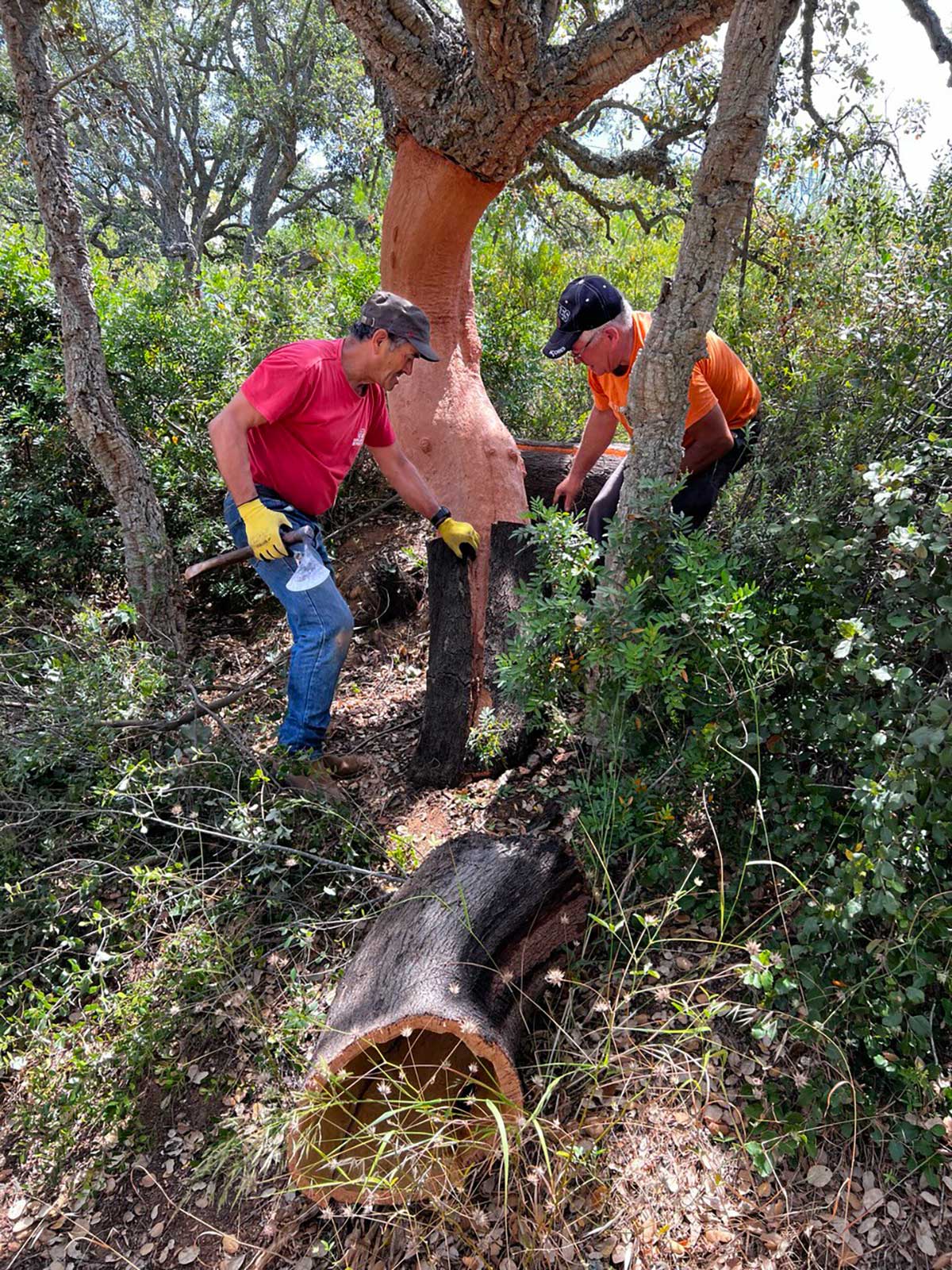 With generations of honed expertise, the "Descortiçador" delicately removes the renewable cork from the resilient Cork Oak, ensuring the longevity of both the tree and the cherished "Montado" landscape.
The cork industry in southern Portugal is not just about the material itself; it is a way of life. From the ancient Montado ecosystem that nurtures these trees to the modern innovations that transform cork into luxury goods, the journey of cork is one of resilience, cultural heritage, and ecological stewardship. Let’s explore the rich legacy of cork in the Algarve and Alentejo, diving into its traditional harvesting, environmental significance, economic impact, and artistic innovations.
The Traditional Harvest: An Art Passed Down Through Generations
The "Descortiçadores": Guardians of the Cork Oak Forests
Harvesting cork is no ordinary task. It requires an expert hand, patience, and a deep respect for nature. The Descortiçadores, the traditional cork strippers of Portugal, have perfected this craft over centuries. Their primary tool is the machado, a specialized axe designed for making precise cuts without harming the tree.
Unlike logging, cork stripping does not involve cutting down the tree. Instead, the bark is carefully removed, allowing the tree to regenerate and be harvested again every nine years. This sustainable method ensures that the trees, some of which are over 200 years old, continue to thrive.
The Ritual and Rhythm of the Harvest
The cork harvest is an event deeply rooted in tradition. Taking place in the warmer months of May through August, it follows a strict process:
- Identification – Experienced harvesters identify trees ready for stripping by examining the thickness of the bark.
- Incision – The Descortiçadores make precise vertical and horizontal cuts, careful not to harm the inner layers.
- Peeling – With practiced skill, they pry the bark away, revealing the fresh layer beneath.
- Marking – The year of the harvest is marked on the tree, ensuring it isn’t stripped again too soon.
- Restoration – The tree is left to regenerate, with its new bark growing back stronger.
This process is not just work; it is a heritage, a legacy carried forward by skilled hands that understand the rhythms of the land.
The "Montado" Ecosystem: Nature’s Silent Guardian
A Unique Ecological Wonderland
The Montado is more than just a forest; it is a finely balanced ecosystem found mainly in Portugal and Spain. Characterized by rolling landscapes of cork oaks (Quercus suber), these forests provide habitat for a diverse range of flora and fauna.
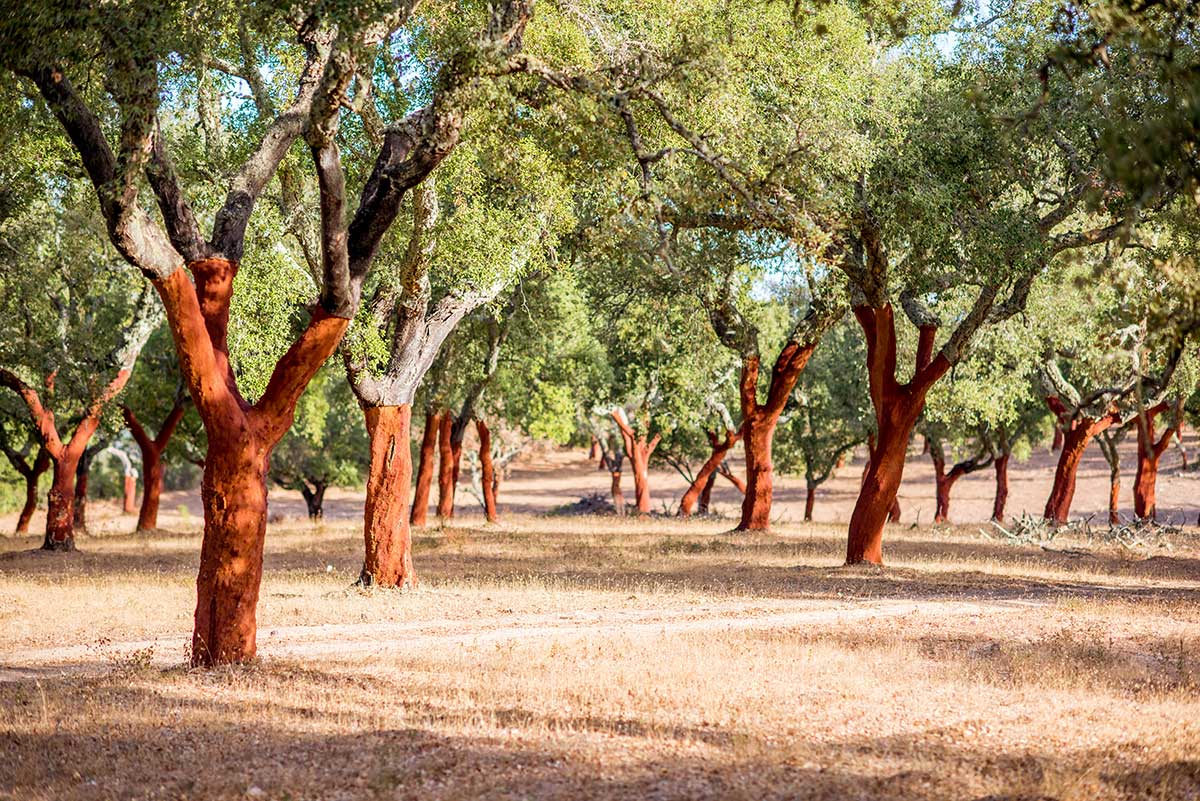 The "Montado," a biodiverse and culturally rich agroforestry system, transcends the typical forest definition, serving as a vital carbon sink, supporting local economies through sustainable cork harvesting, and preserving a unique ecosystem in the Iberian Peninsula.
Among its inhabitants are the Iberian lynx, wild boars, deer, and countless bird species. The Montado is a sanctuary, offering food and shelter to wildlife while supporting biodiversity on a grand scale.
Environmental Benefits of Cork Oak Trees
Cork oaks play a vital role in combating climate change. They act as natural carbon sinks, absorbing vast amounts of CO₂ from the atmosphere. Their extensive root systems also prevent soil erosion and desertification, particularly in the dry regions of Alentejo.
Furthermore, sustainable cork harvesting does not require deforestation. In fact, a harvested cork oak tree absorbs more carbon dioxide than an unharvested one, making cork one of the most eco-friendly materials available today.
Modern Applications: Cork’s Evolution Beyond Tradition
Innovations in Design and Fashion
 Cork's natural durability and eco-friendly harvesting make it a prime material for sustainable fashion, offering stylish, biodegradable alternatives in accessories and footwear, reducing environmental impact while supporting traditional craftsmanship.
Cork is no longer just for wine stoppers. In recent years, designers and entrepreneurs have discovered its versatility, using it in:
- Sustainable fashion – Cork is now a popular material for handbags, wallets, shoes, and accessories.
- Interior design – From flooring and wall coverings to furniture, cork’s lightweight and durable nature make it a sought-after choice.
- Automobile and aerospace industries – Its fire-resistant and insulating properties have made it an ideal material for vehicle interiors and even spacecraft.
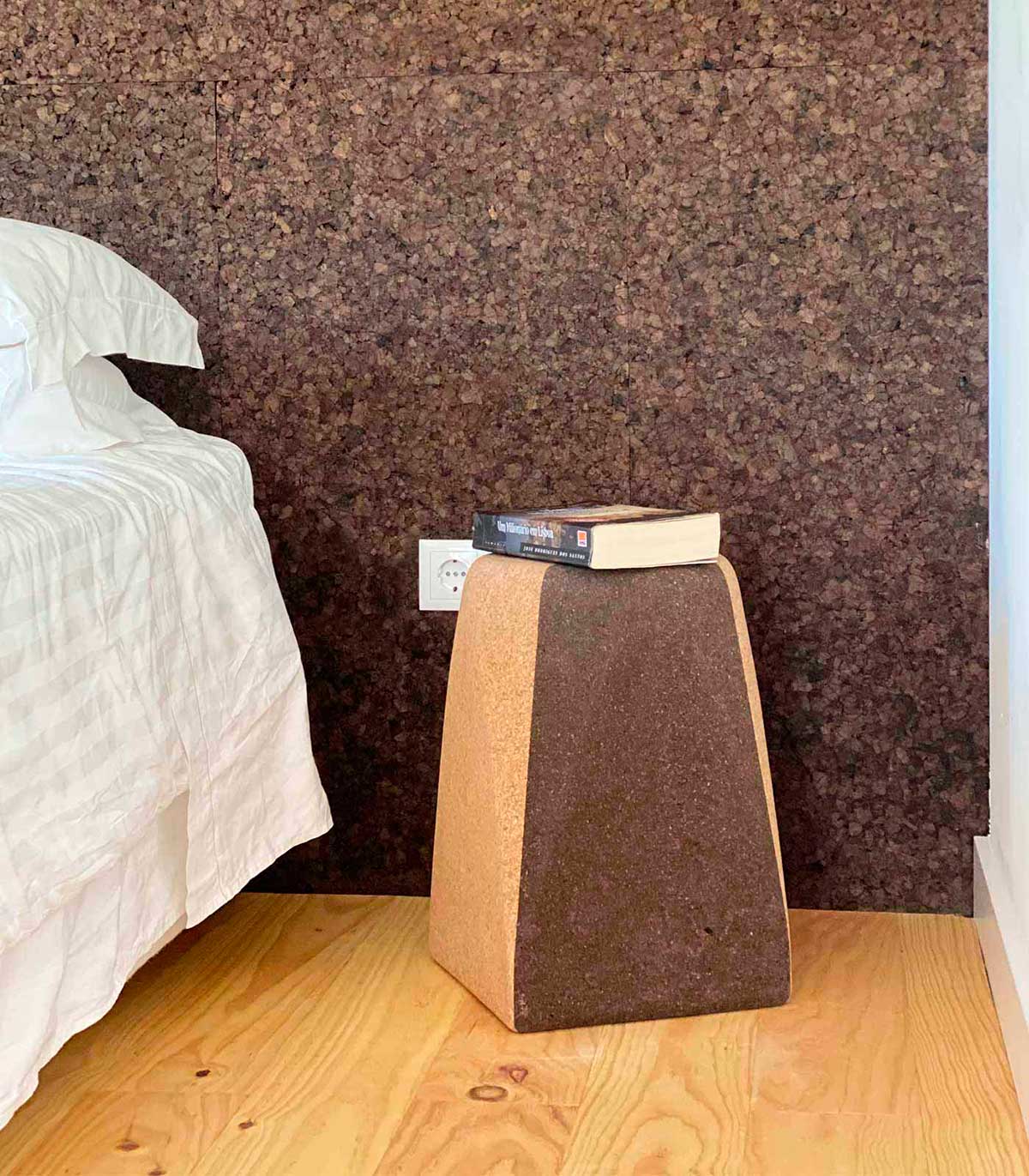 In contemporary interior design, cork's warm texture and sustainable properties are increasingly valued, providing acoustic insulation, natural aesthetics, and eco-conscious solutions for flooring, wall coverings, and decorative elements.
Handcrafted Cork Products: Blending Tradition with Modernity
Local artisans continue to craft beautiful, handmade cork goods, ensuring that traditional skills remain relevant. Visitors to the Algarve and Alentejo can find markets and workshops where these artisans showcase their work, creating one-of-a-kind pieces that honor Portugal’s rich cork heritage.
Economic and Social Impact: The Lifeline of Local Communities
Cork as an Economic Powerhouse
Portugal is the world’s leading producer of cork, responsible for around 50% of global supply. The industry supports thousands of jobs, particularly in rural areas where employment opportunities can be limited.
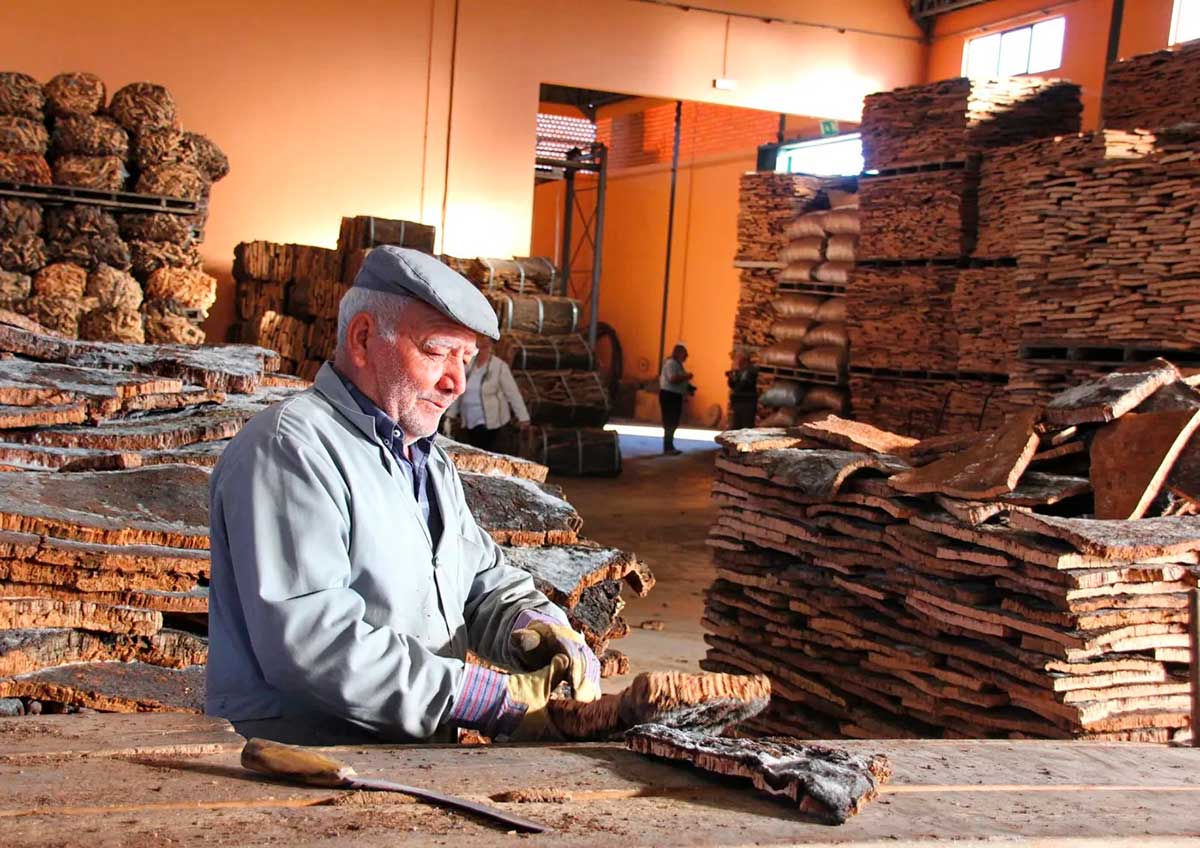 Portugal, boasting vast "Montado" landscapes and generations of skilled "Descortiçadores," stands as the world's premier cork producer, supplying approximately 50% of the global market with its high-quality, sustainably harvested cork.
From harvesters and factory workers to designers and entrepreneurs, cork provides financial stability to many. Its sustainable and renewable nature ensures that these jobs remain viable for future generations.
The Role of Women in the Cork Industry
While men have traditionally dominated the harvesting process, women have played crucial roles in cork processing and craftsmanship. Many female artisans specialize in cutting, shaping, and assembling cork products, keeping the industry diverse and inclusive.
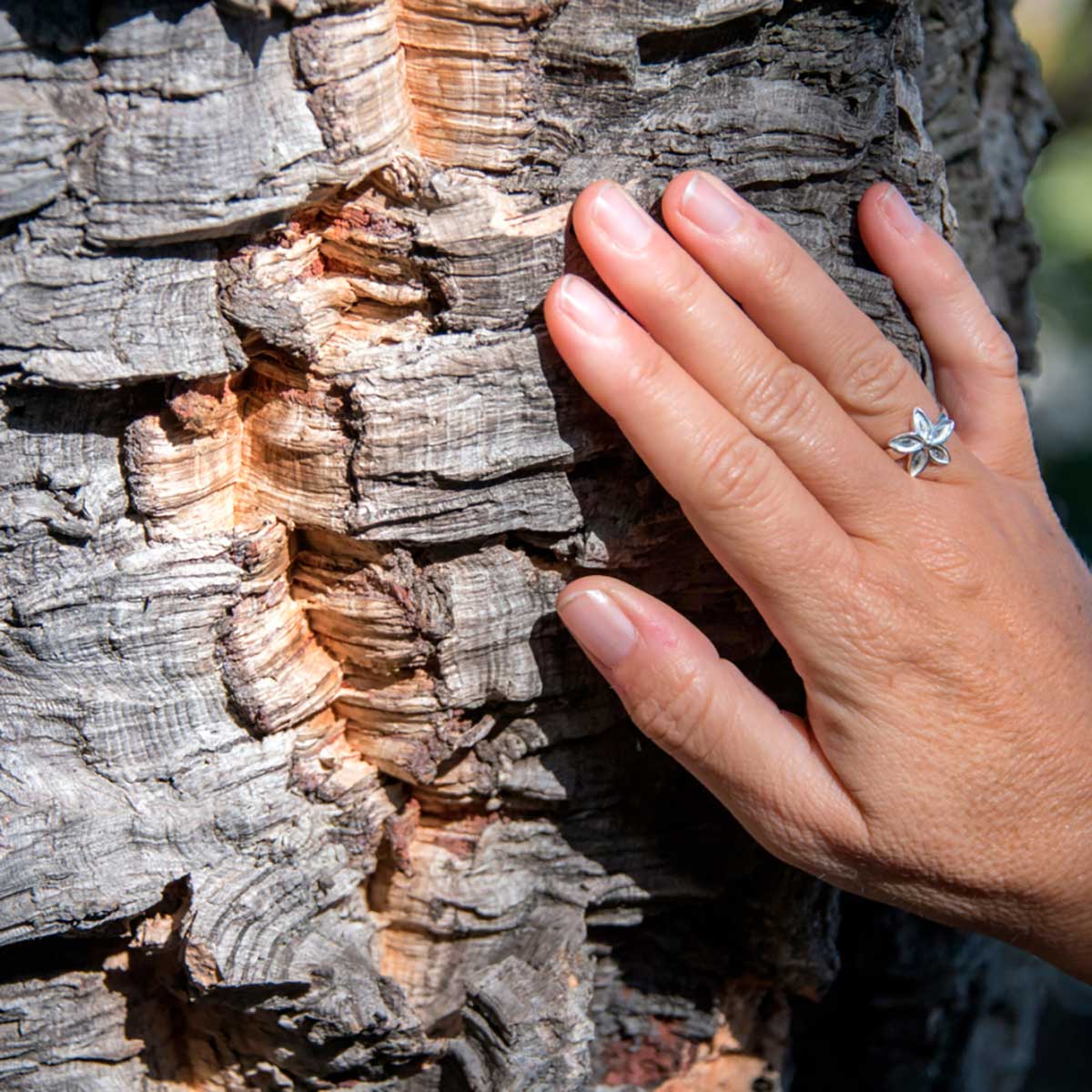 Within the cork industry, while the "Descortiçador" role is typically male, women are essential to its vitality, contributing significantly to cork processing, artisan craftsmanship, and the creation of diverse cork products, ensuring both economic and creative inclusivity.
Community Traditions and Festivals
The cork harvest is often accompanied by celebrations and social gatherings. In some villages, festivals mark the beginning or end of the harvest season, bringing communities together to honor their shared heritage. Traditional music, dancing, and feasts highlight the deep cultural significance of this ancient practice.
Cultural Heritage: A Legacy Worth Preserving
Generational Knowledge and Skills
The knowledge required to harvest cork properly has been passed down through families for centuries. Fathers teach their sons the delicate balance of cutting the bark without harming the tree, ensuring that the craft remains alive.
Local Festivals Celebrating Cork
Throughout the Algarve and Alentejo, festivals celebrate the cork industry, including:
- Festa da Cortiça – A festival honoring cork and its impact on local culture.
- Cork-themed exhibitions – Showcasing the art, science, and history of cork.
- Workshops for tourists – Where visitors can experience cork crafting firsthand.
These cultural celebrations not only preserve traditions but also introduce a new generation to the significance of cork.
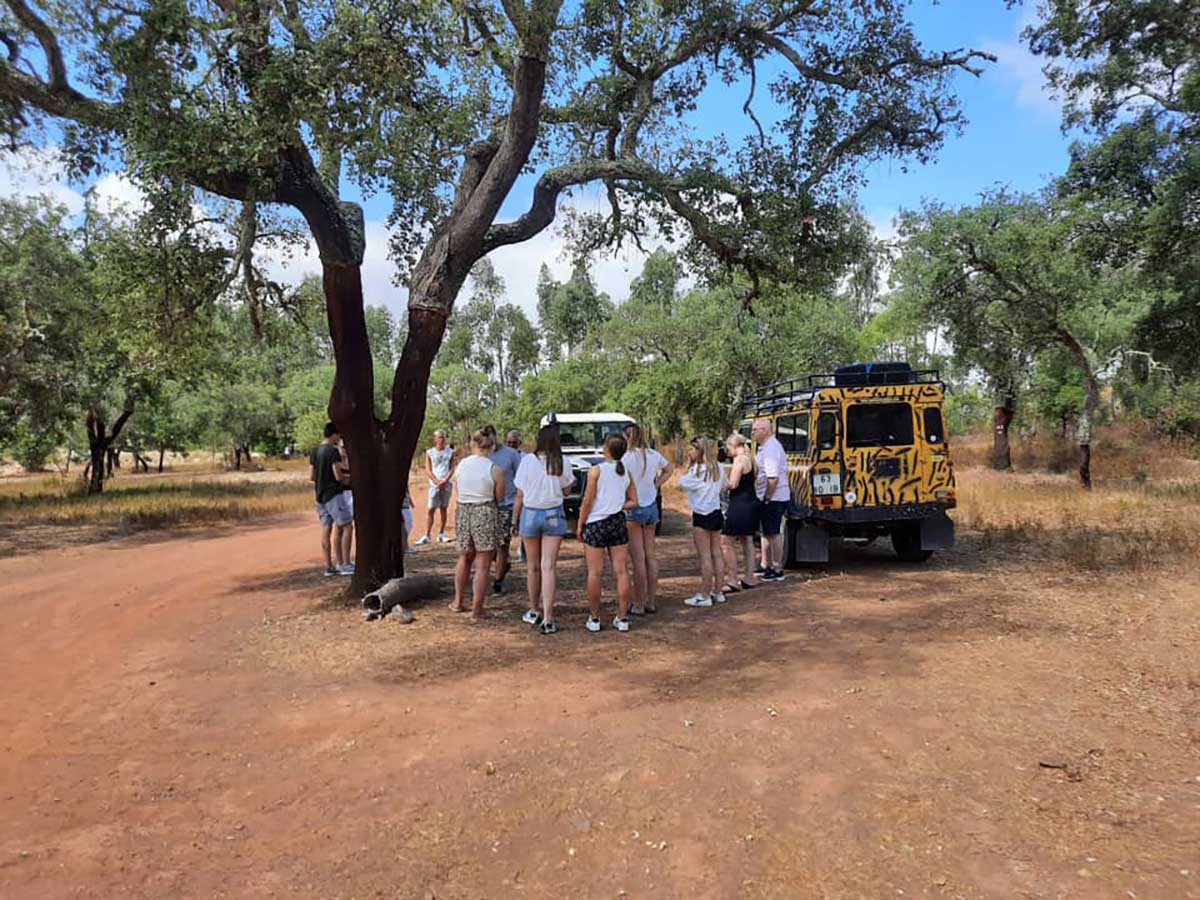 Tourist workshops in Portugal's cork-producing regions offer immersive experiences, allowing visitors to engage in hands-on cork crafting, learning traditional techniques and creating personalized souvenirs, fostering a deeper understanding of the "Montado" heritage.
Conclusion: The Future of Cork in the Algarve and Alentejo
As the world moves towards sustainable materials, cork stands as a beacon of ecological responsibility and cultural preservation. The Algarve and Alentejo regions remain at the heart of this thriving industry, blending tradition with innovation.
From the skilled hands of the Descortiçadores to the bustling workshops of artisans, the story of cork is one of resilience, sustainability, and deep-rooted community values. It is a testament to the balance between human craftsmanship and nature’s generosity—a balance that, if preserved, will continue to shape the identity of southern Portugal for generations to come.
FAQs
1. How long does a cork oak tree live?
A cork oak tree can live for over 200 years, with some trees reaching up to 300 years. Throughout its lifetime, it can be harvested multiple times, making it one of the most sustainable resources in the world.
2. Why is cork considered an eco-friendly material?
Cork is biodegradable, recyclable, and renewable. The harvesting process does not harm the trees, and cork oaks actively help combat climate change by absorbing CO₂.
3. What are some unique cork products available today?
Beyond wine stoppers, cork is used in fashion accessories, furniture, flooring, yoga mats, and even NASA spacecraft components.
4. Can tourists visit cork oak forests in Portugal?
Yes! Many regions in the Algarve and Alentejo offer eco-tours where visitors can witness cork harvesting and learn about the industry firsthand.
5. How does cork harvesting benefit local communities?
Cork production provides stable employment, supports local economies, and helps preserve cultural traditions that have existed for centuries.
Book now your cork experience!
Stay Updated:
 |
 |
 |
||
 |
 |
 |
||