




Tavira & Olhão: The Best Boat Tours and Island-Hopping Experiences in the Eastern Algarve
A practical guide to exploring Ria Formosa's barrier islands, coastal lagoons, and nature-rich waters from two of the Algarve's most rewarding eastern gateways.
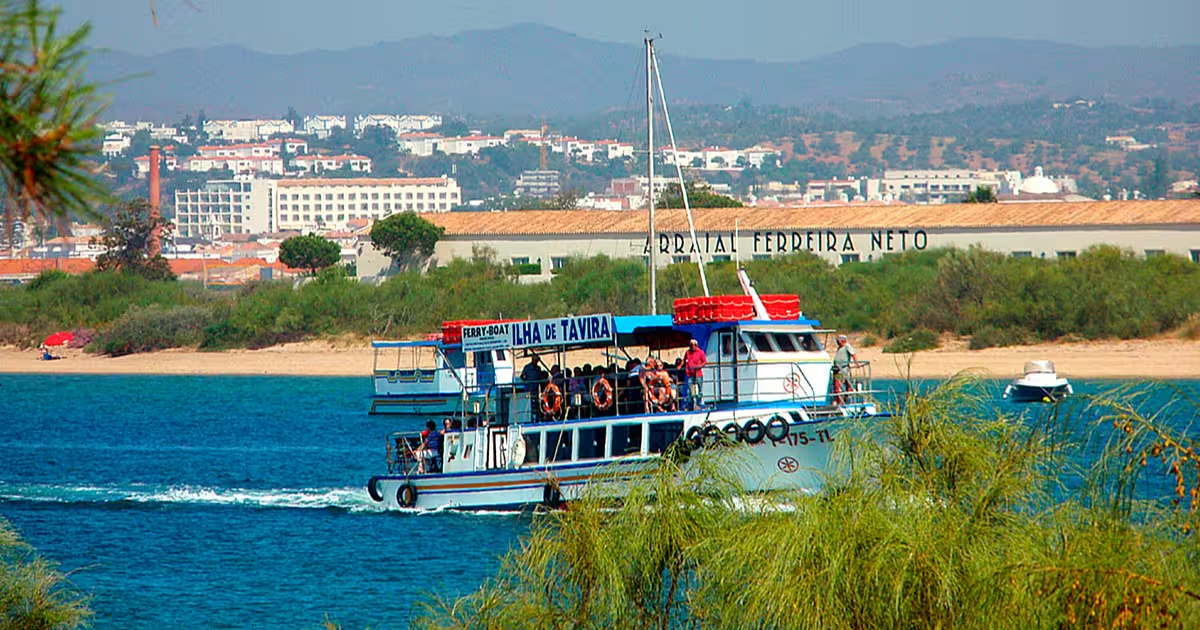
Tavira and Olhão sit at the heart of the eastern Algarve, serving as the primary departure points for the Ria Formosa Natural Park's barrier islands. From the working fishing port of Olhão and the cobblestoned waterfront of Tavira, travellers can reach Ilha da Armona, Ilha da Culatra, and Ilha de Tavira in under 20 minutes by ferry, or join guided boat tours that layer in wildlife encounters, seabird surveys, and sport fishing along one of Europe's most ecologically rich coastal lagoon systems.
What makes Tavira and Olhão the best bases for exploring Ria Formosa?
The Ria Formosa Natural Park stretches approximately 60 kilometres along the Algarve coast, from Manta Rota in the east to Ancão in the west. Within that arc, Tavira and Olhão function as the two most practical eastern entry points. Olhão, a city of around 45,000 residents, maintains an active fishing fleet and operates scheduled ferry services to Ilha da Armona and Ilha da Culatra from its municipal pier on the Avenida 5 de Outubro. Tavira, smaller and architecturally notable for its 37 Roman-influenced church towers, runs ferries to Ilha de Tavira from the town pier on the Rio Gilão and, seasonally, from Quatro Águas, just 2 kilometres east of the town centre.
The geography rewards island-hopping without elaborate logistics. A standard day allows a morning crossing to one island, an afternoon on a second, and a return to the mainland in time for dinner at the market halls of either town. Ferry crossings typically take between 10 and 20 minutes and run at regular intervals throughout the day from April through October, with reduced winter services. For travellers seeking structured itineraries, guided boat tours add ecological commentary, access to sandbank channels inaccessible to ferries, and in some cases birdwatching expertise.
Ria Formosa was designated a Natural Park in 1987 and covers 18,400 hectares, supporting over 200 bird species including the vulnerable roseate tern (Sterna dougallii) and the charismatic but uncommon purple gallinule (Porphyrio porphyrio).
The broader context matters for trip planning. Travellers using Tavira or Olhão as a multi-day base, typically across 2 to 5 nights, will find the barrier islands most rewarding in June through September for swimming and beach use, while spring months (March to May) offer the most productive conditions for birdwatching and wildflower observation along the lagoon edges.
Which barrier islands are accessible from Tavira and Olhão, and how do they differ?
Three islands form the practical island-hopping circuit from these two towns. Each has a distinct character and best-suited visitor profile.
Ilha de Tavira is the largest of the three, running roughly 11 kilometres in length. Its lagoon-facing shores offer calm, shallow water suitable for children and weaker swimmers, while the ocean-facing Atlantic beach draws surfers and those seeking longer stretches of open sand. The island has basic café and restaurant infrastructure, particularly around the ferry landing at Pedras d'el Rei, but no permanent residential community beyond seasonal workers.
Ilha da Armona, accessible from Olhão in approximately 15 minutes, is roughly 8 kilometres long. It supports a small community of holiday homes concentrated around the ferry pier, but large sections of its Atlantic shoreline remain undeveloped. The island has no motor vehicles, making it unusually quiet for a destination with regular visitor traffic.
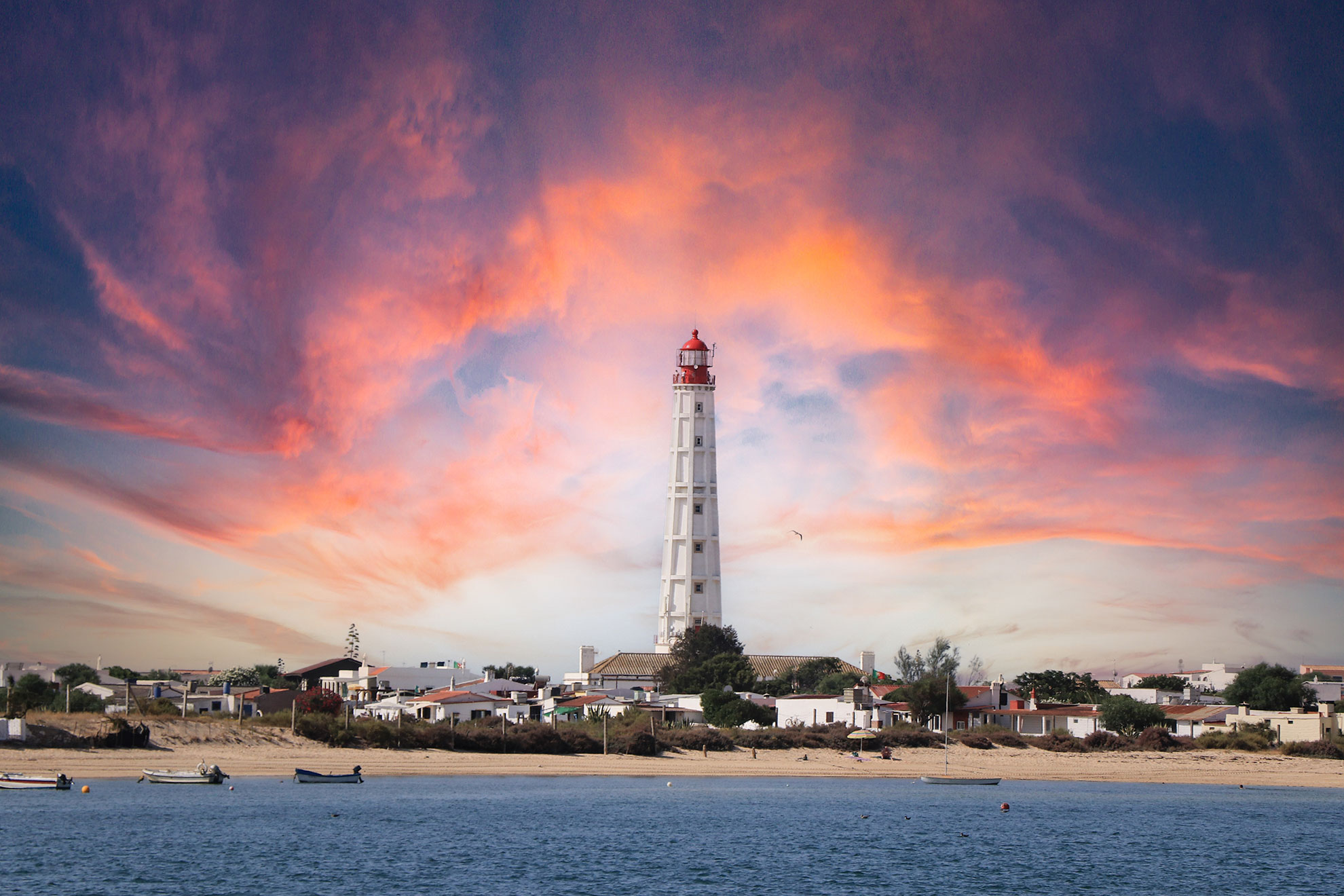
Ilha da Culatra is the only inhabited island in this group, home to the fishing community of Culatra village and the more beach-resort-oriented settlement of Farol, named for its 19th-century lighthouse standing 46 metres tall. The Atlantic-facing beach at Farol is considered among the least crowded of any major Algarve beach during peak season, partly due to the ferry-only access. Journey time from Olhão is around 45 minutes to Farol or 30 minutes to Culatra village.
Ilha da Culatra's Farol lighthouse was constructed in 1885 and automated in 1985. Its beam is visible for 27 nautical miles offshore and has guided vessels into the Faro channel for over a century.
For travellers with limited time, a practical approach is to combine Armona (morning) and Culatra (afternoon) in a single day from Olhão, or to take a guided boat tour that links multiple sandbank stops and intertidal channels between the two islands in a single circuit.
What wildlife and birdwatching opportunities exist on these boat tours?
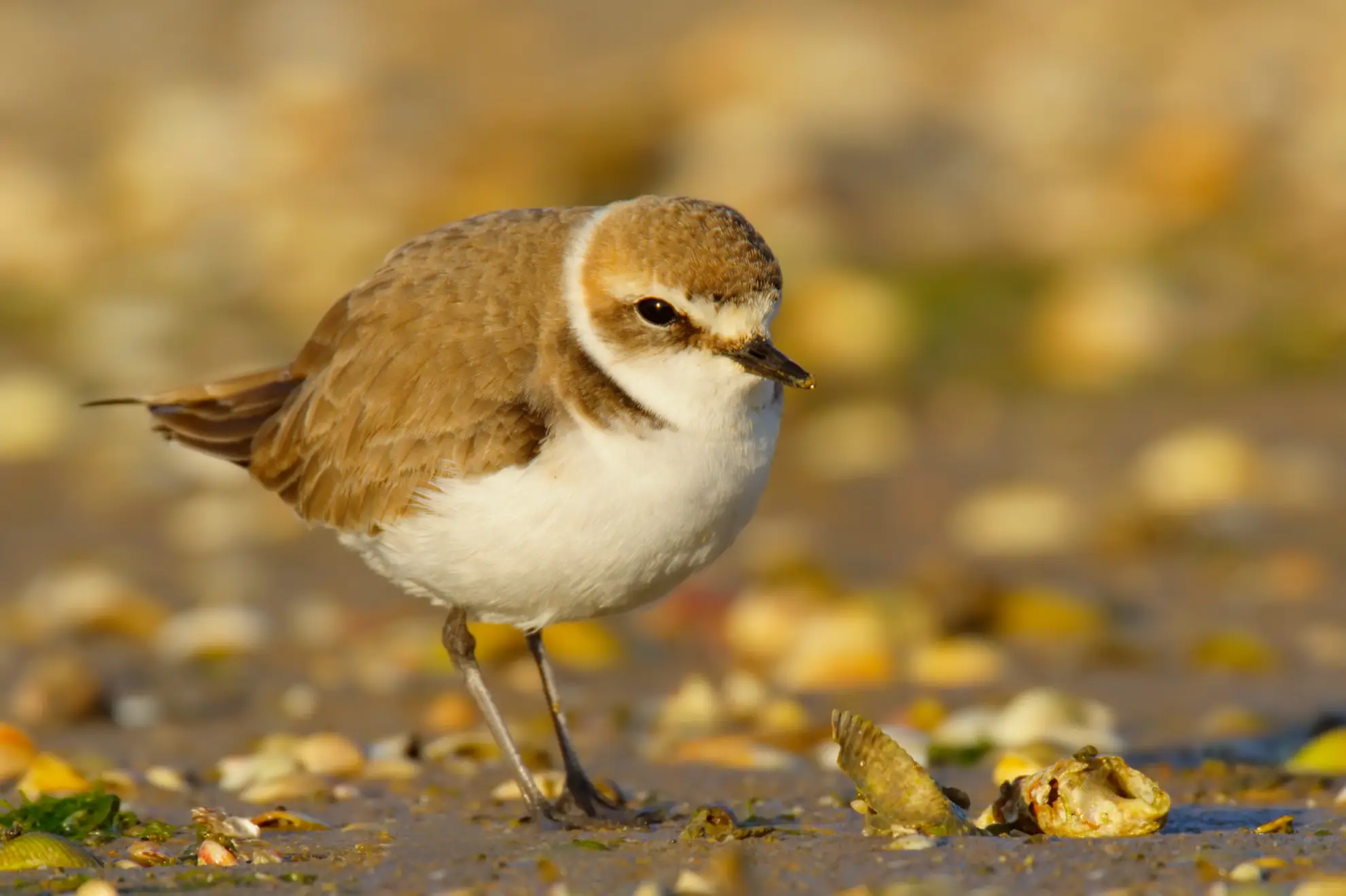
Ria Formosa is one of the most significant waterbird habitats in the Iberian Peninsula. The lagoon system supports breeding colonies of little tern (Sternula albifrons), Kentish plover (Charadrius alexandrinus), and Audouin's gull (Larus audouinii), a species listed as near-threatened globally. During winter months, the mudflats host tens of thousands of wading birds including black-tailed godwit (Limosa limosa), dunlin (Calidris alpina), and grey plover (Pluvialis squatarola).
Dedicated seabird watching boat tours operate from Olhão and are structured around tidal schedules that bring feeding birds to accessible shallows. These tours typically depart at low tide and follow intertidal channels through the salt marsh zones where predator-prey activity is highest. Experienced local guides provide species identification, and some tours use hydrophones to demonstrate acoustic monitoring techniques used in conservation research.
Beyond birds, the lagoon channels support populations of European eel (Anguilla anguilla), sea bass (Dicentrarchus labrax), and gilt-head bream (Sparus aurata), which attract both recreational anglers and wading egrets. Bottlenose dolphins (Tursiops truncatus) are occasionally observed near the tidal inlets, though their presence is not guaranteed on any given day. ToursXplorer lists guided wildlife boat tours that cover both the lagoon interior and the ocean-side channels near the island perimeters, giving participants a cross-section of the park's habitats in a single outing.
| Species | Common Name | Best Season | Typical Habitat |
|---|---|---|---|
| Sterna dougallii | Roseate Tern | May–August | Sandy island edges |
| Porphyrio porphyrio | Purple Gallinule | Year-round | Reed beds, lagoon margins |
| Larus audouinii | Audouin's Gull | March–September | Open water, sandbanks |
| Tursiops truncatus | Bottlenose Dolphin | June–October | Tidal inlets, offshore |
| Charadrius alexandrinus | Kentish Plover | Year-round | Bare sand, dune edges |
Boat Tours from Olhão and Tavira
Algarve Coastal and Land-Based Excursions from the Eastern Algarve
Ready to explore Ria Formosa from the water? Browse all available boat tours and island experiences from Tavira and Olhão on ToursXplorer and book your preferred date directly.
Browse all Tavira & Olhão tours on ToursXplorerHow to plan a 3-day itinerary from Tavira or Olhão
Travellers spending three to five days in the eastern Algarve can structure their time to cover both the water-based and land-based options available through ToursXplorer without feeling rushed. A practical three-day framework distributes the main experiences across different landscapes and activity types.
Day 1: Arrive in Tavira or Olhão and take the afternoon ferry to Ilha de Tavira or Ilha da Armona for an orientation swim and first encounter with the lagoon. The ferry from Tavira town pier to Ilha de Tavira costs approximately 2 euros each way. Evening back in town, with dinner at the Olhão market building on the waterfront, a covered hall originally built in 1912.
Day 2: Join the Armona and Culatra Islands Boat Tour from Olhão for a guided circuit of both islands, or the Seabird Watching Boat Tour if wildlife observation is the priority. These tours cover channels and sandbanks unreachable by ferry and typically last between 3 and 4 hours. Afternoon free for independent exploration of Tavira's Roman bridge (originally constructed in the 1st century BCE and rebuilt in its current form in the 17th century) or the Moorish-influenced architecture around Rua da Galeria.
Day 3: Full-day sport fishing from Cabanas de Tavira for those wanting an active on-water experience with a different focus, or one of the Vicentina Natural Park off-road tours for travellers preferring a land-based counterpoint to the previous days. The half-day off-road option leaves the afternoon free for a final lagoon walk or ferry crossing before departure.
ToursXplorer's search tool allows filtering by category and location, making it straightforward to build a mixed itinerary of boat tours and land excursions departing from Algarve region gateways.
Practical information: seasons, logistics, and what to bring
The Ria Formosa boat tours and island ferries operate most reliably between April and October. Peak season runs from late June through August, when water temperatures reach 22 to 24 degrees Celsius and ferry queues can extend significantly at Olhão pier on weekend mornings. Arriving at the pier before 9:30 on summer weekend days is advisable for the first departures.
For guided boat tours, advance booking through platforms like ToursXplorer is recommended from June onwards, as small-group departures fill quickly. Seabird watching tours in particular have limited capacity, typically 8 to 12 participants, to avoid disturbing nesting colonies within the protected zones of the natural park.
Items to bring on any lagoon or island outing: sun protection rated SPF 30 or higher (the lagoon surface reflects UV radiation significantly), a refillable water bottle (facilities on the barrier islands are limited), and waterproof footwear or sandals suitable for wading across intertidal channels when landing by boat. Birdwatching tours benefit from bringing binoculars; 8x42 magnification is the most versatile specification for open coastal habitats.
For the off-road Vicentina tours, a light layer is recommended year-round as Atlantic coastal winds can be cool even in summer. The Parque Natural do Sudoeste Alentejano e Costa Vicentina is the least-developed coastline in mainland Western Europe and has no commercial services along most of its length, so all provisions should be packed before departure.
Frequently Asked Questions
Regular ferry services depart from Olhão's municipal pier on Avenida 5 de Outubro. Crossings to Ilha da Armona take approximately 15 minutes and to Culatra village around 30 minutes, with Farol taking roughly 45 minutes. Ferries run several times daily from April to October, with reduced winter schedules. One-way tickets cost approximately 2 euros per adult.
June through September offers the warmest water temperatures (22 to 24 degrees Celsius) and most reliable weather for swimming and island-hopping. Spring (March to May) is preferable for birdwatching, as migratory species pass through and breeding activity peaks. Guided tours run April to October; some wildlife-focused departures are available year-round on request.
Ilha de Tavira is generally considered the most family-friendly option. Its lagoon-facing shores are shallow and calm, making them suitable for young children and weaker swimmers. The ferry from Tavira town pier or Quatro Águas takes under 20 minutes. Basic café facilities operate near the ferry landing during the main season from June through September.
Yes, most guided boat tours in Ria Formosa last 3 to 4 hours and depart in the morning, leaving the afternoon free for a complementary activity. Half-day off-road tours in the Algarve, or an afternoon ferry crossing to a second island, pair well with a morning boat tour. ToursXplorer lists both categories, making it straightforward to build a combined itinerary.
Both the half-day and full-day off-road tours in Parque Natural do Sudoeste Alentejano e Costa Vicentina are vehicle-based 4x4 excursions, not walking tours. Participants remain in the vehicle for most of the route, with stops for viewpoints and photography. No fitness requirements apply, making them accessible for a wide age range including older travellers and families.
The full-day sport fishing trip from Cabanas de Tavira provides all equipment and requires no prior fishing experience. Cabanas is situated approximately 8 kilometres east of Tavira town and the trip targets sea bass, gilt-head bream, and bluefish in the waters between the Ria Formosa barrier islands and the open Atlantic. Guides assist with technique throughout the day.