Sustainable Travel – A Guide to Responsible and Eco-Friendly Tourism
1. Understanding Sustainable Travel
What is Sustainable Travel?
 Explore the world responsibly—sustainable travel allows you to discover breathtaking destinations while protecting the planet.
Sustainable travel, also known as responsible tourism, is an approach to traveling that minimizes negative environmental, social, and economic impacts. Instead of simply visiting a place, sustainable travelers make conscious choices that protect nature, preserve cultures, and support local economies.
The goal is to leave a positive impact rather than contributing to over-tourism, pollution, or cultural exploitation. This means choosing destinations, activities, and accommodations that align with sustainability principles.
Key Principles of Sustainable Tourism
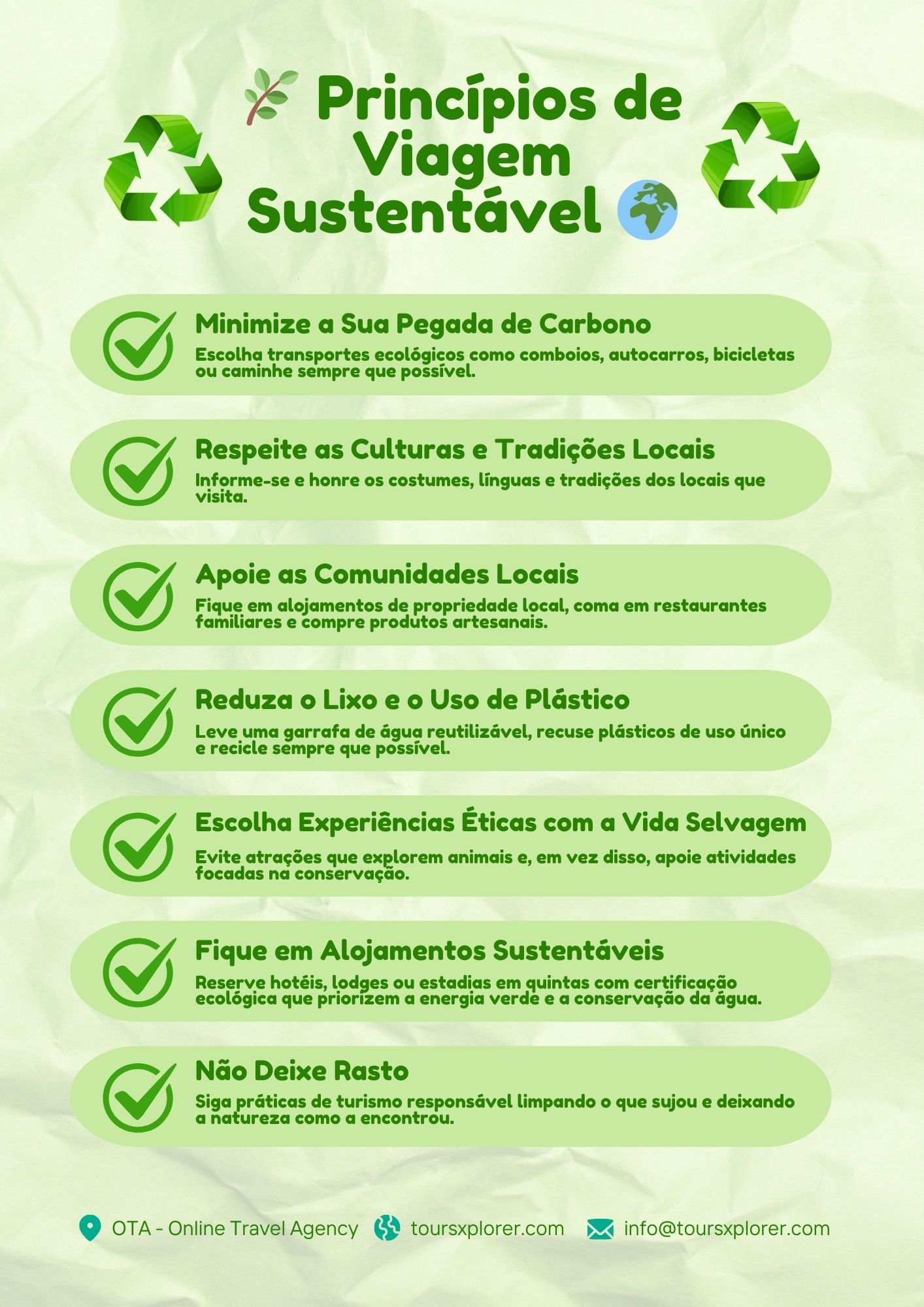
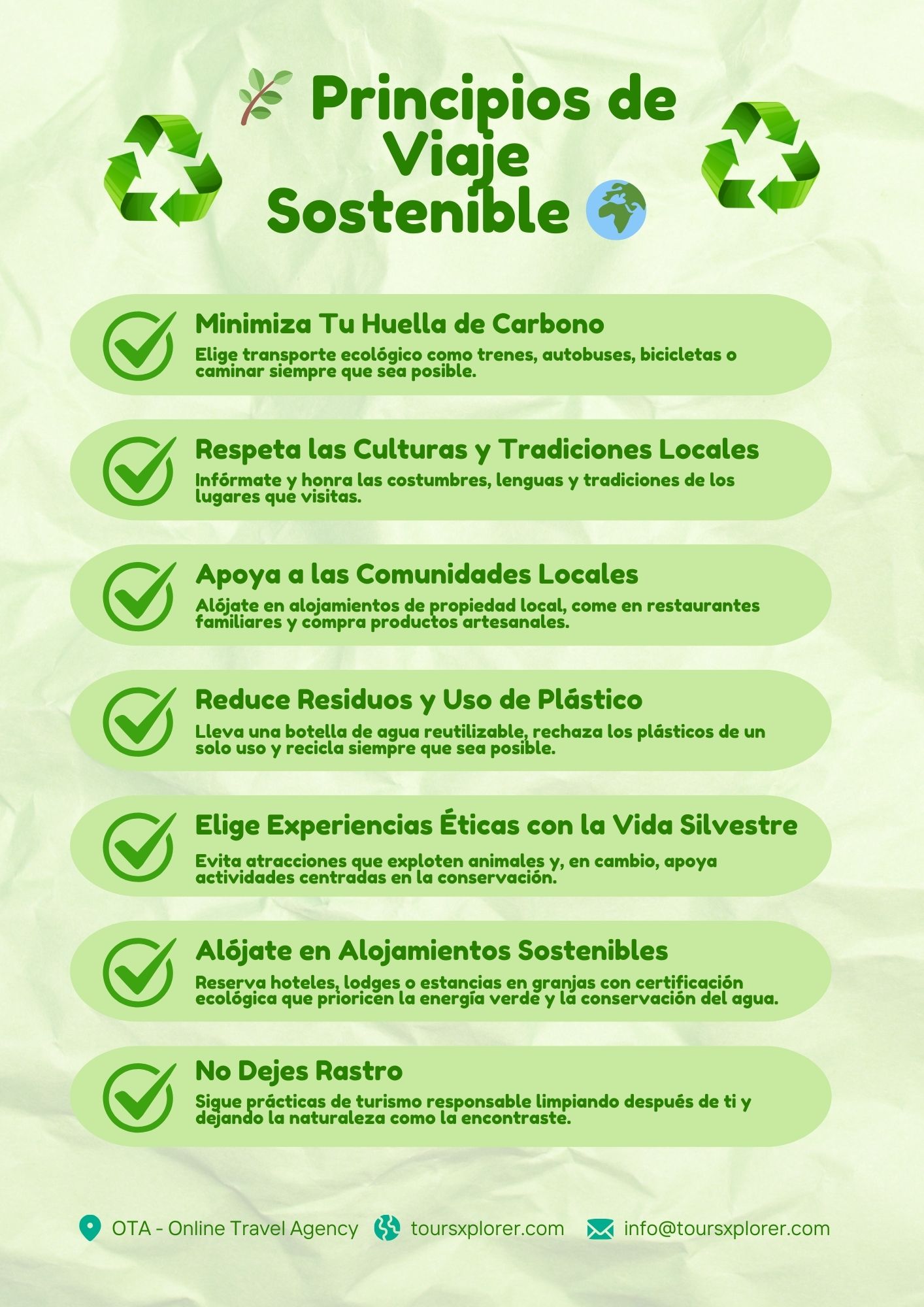

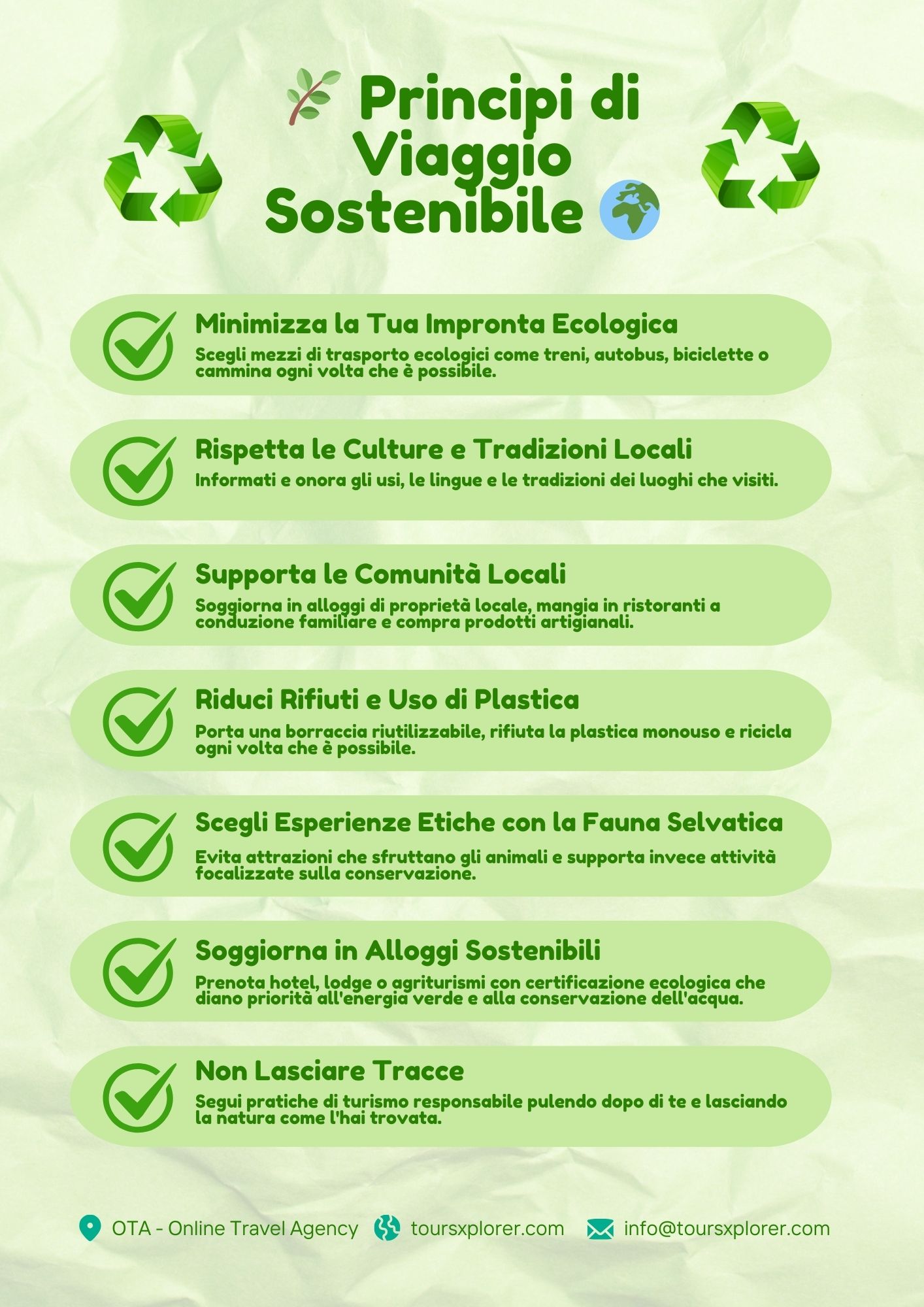
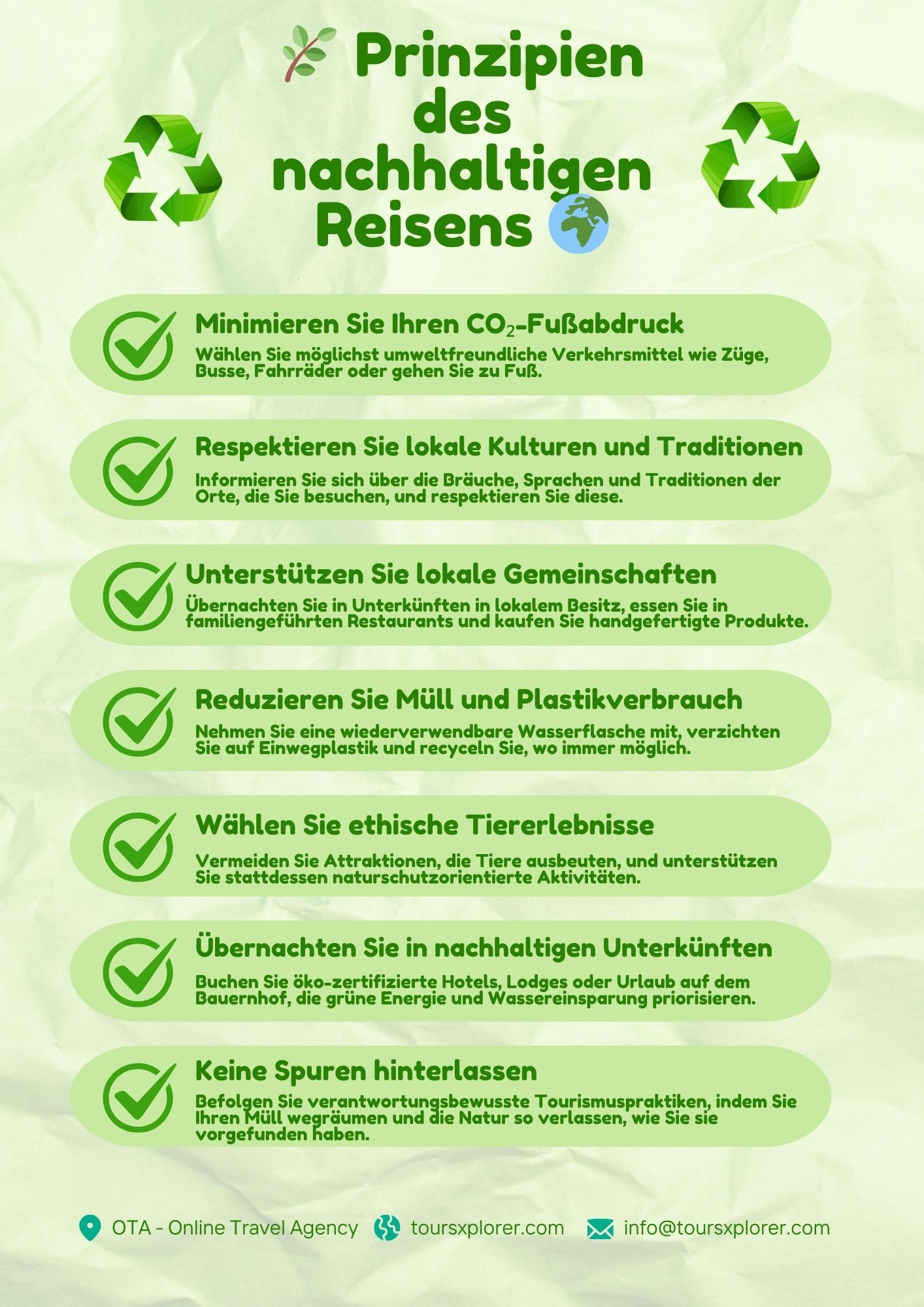
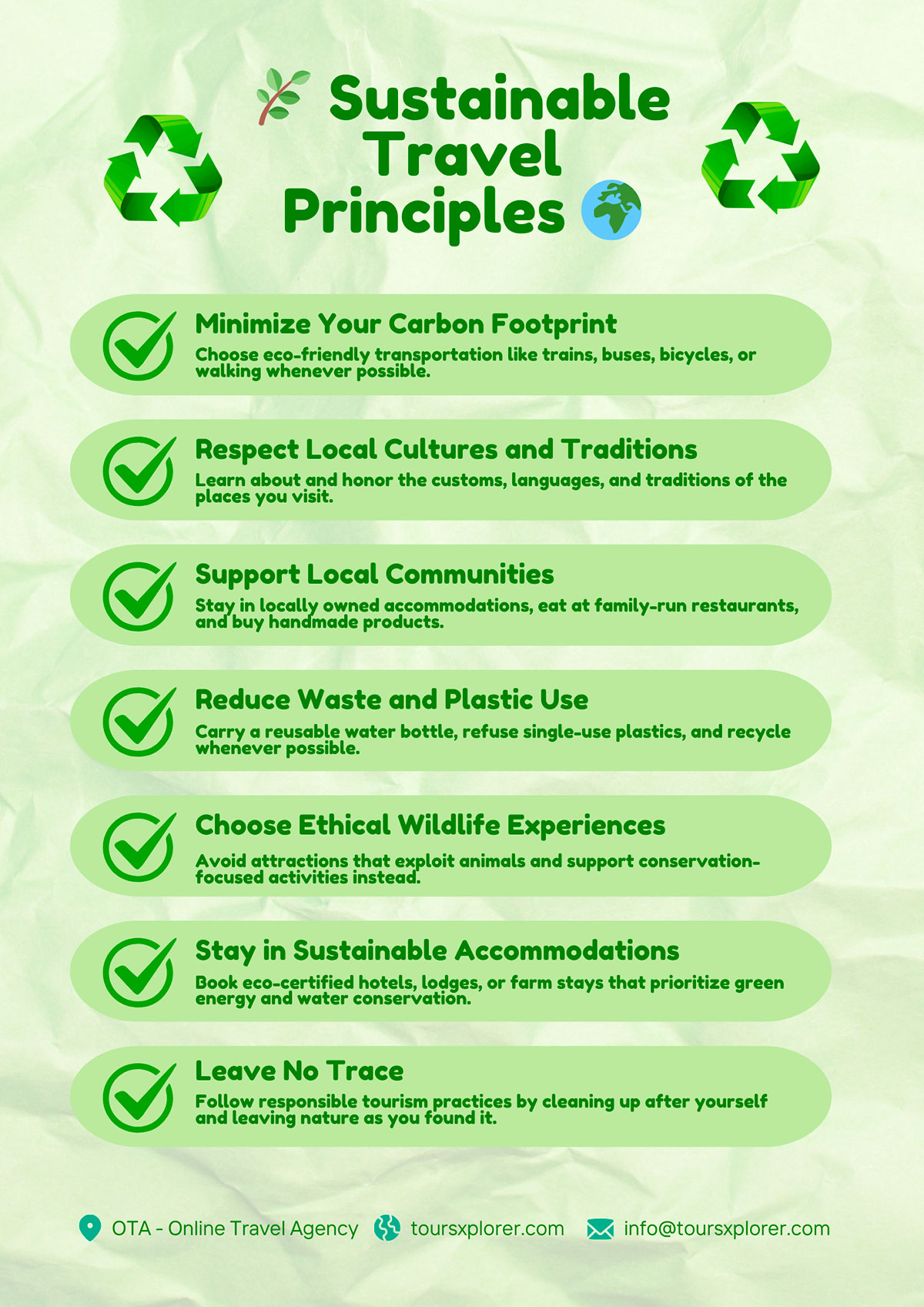
A simple guide to sustainable travel principles
How Sustainable Travel Differs from Traditional Travel
Traditional tourism often prioritizes convenience, comfort, and price over sustainability. Mass tourism can lead to deforestation, excessive waste, water shortages, and cultural degradation. Sustainable travel focuses on long-term benefits rather than short-term gains, ensuring destinations remain beautiful and thriving for generations.
2. Why Sustainable Travel Matters
Environmental Benefits
Tourism contributes to around 8% of global carbon emissions, primarily through flights, transportation, and energy consumption in hotels. Sustainable travel helps:
✅ Reduce carbon footprints by promoting alternative transport.
✅ Conserve biodiversity by supporting eco-tourism initiatives.
✅ Reduce waste by encouraging plastic-free travel habits.
Social and Cultural Impact
Sustainable tourism ensures that travel doesn't harm local communities but instead empowers them. It promotes:
✅ Cultural preservation by valuing traditions and supporting local artisans.
✅ Fair wages by prioritizing businesses that treat workers ethically.
✅ Community-driven tourism that benefits local people rather than large corporations.
Economic Advantages
When tourism is managed sustainably, it boosts local economies without exploiting resources. This leads to:
✅ Job creation in ethical tourism sectors.
✅ Increased economic independence for local communities.
✅ A thriving, self-sufficient tourism industry that doesn’t rely on foreign investors.
3. How to Minimize Your Environmental Impact While Traveling
Pack Light to Reduce Carbon Emissions
Many people don't realize that the heavier a plane, the more fuel it burns. Packing light helps reduce your travel footprint. Try to:
✅ Use a carry-on instead of large luggage to avoid excess weight.
✅ Pack versatile, sustainable clothing made from organic or recycled materials.
✅ Bring multi-use travel gear like a reusable water bottle, cutlery, and tote bags.
Use Reusable Travel Essentials
 Eco-conscious packing: Reusable bottles, bamboo utensils, and tote bags help minimize waste while traveling.
Single-use plastics are a major environmental issue. When traveling, make sure to pack:
✅ A reusable water bottle (filtered options for destinations with unsafe tap water).
✅ Bamboo utensils to avoid using plastic cutlery.
✅ Silicone travel bottles for toiletries instead of disposable plastic ones.
✅ A tote bag to replace plastic shopping bags.
Eat Sustainably While Traveling
Food choices have a huge impact on sustainability. Try these tips:
✅ Eat local, organic food to reduce the carbon footprint of imported goods.
✅ Choose plant-based meals more often to lower environmental impact.
✅ Avoid chain restaurants and opt for small, family-owned eateries.
4. Eco-Friendly Travel Practices for Conscious Travelers
Responsible Waste Management
 Small actions matter—following 'Leave No Trace' principles keeps natural spaces pristine for future generations.
Sustainable travelers follow the "Leave No Trace" principle, ensuring they leave places as they found them. Some ways to minimize waste include:
✅ Carrying a reusable coffee cup instead of using disposable cups.
✅ Using digital tickets and guides to reduce paper waste.
✅ Composting biodegradable waste when possible.
Leave No Trace Principles
The Leave No Trace movement promotes responsible outdoor ethics:
✅ Plan ahead to minimize impact on natural areas.
✅ Dispose of waste properly by recycling and composting.
✅ Leave what you find (avoid taking shells, rocks, or plants).
✅ Respect wildlife by keeping a safe distance and never feeding animals.
Ethical Wildlife Encounters
Many popular tourist attractions, like elephant riding, tiger petting, and dolphin shows, harm animals. Instead, choose:
✅ Ethical wildlife sanctuaries that focus on rehabilitation and conservation.
✅ Wildlife safaris with companies that follow ethical guidelines.
✅ Marine conservation tours that protect coral reefs and sea life.
5. Supporting Local Communities Through Sustainable Tourism
Stay in Locally-Owned Accommodations
Instead of large hotel chains, choose eco-lodges, homestays, or locally-run hotels. This ensures your money directly supports local families rather than international corporations.
 Buying directly from local artisans helps preserve cultural heritage and supports community-based tourism.
Look for:
✅ Community-owned lodgings that reinvest profits locally.
✅ Sustainable Airbnb stays that align with ethical tourism.
✅ Farm stays and eco-villages for immersive local experiences.
Participate in Community-Based Tourism
This type of travel ensures that tourism benefits local communities by offering:
✅ Guided tours led by locals to support their knowledge and expertise.
✅ Cultural immersion programs, such as cooking or handicraft workshops.
✅ Fair-trade experiences, where artisans receive fair wages for their work.
Buy Local, Handmade Products
Supporting local artisans helps preserve cultural heritage and creates jobs. Instead of mass-produced souvenirs, purchase:
✅ Handwoven textiles from indigenous communities.
✅ Fair-trade handicrafts such as pottery and jewelry.
✅ Locally-made food products like spices, teas, or chocolates.
6. Choosing Sustainable Accommodations and Transportation
How to Find Eco-Friendly Accommodations
 Eco-lodges and green hotels use renewable energy, water conservation systems, and sustainable building materials.
Where you stay plays a huge role in sustainable travel. Traditional hotels consume large amounts of water and energy while producing significant waste. Instead, consider:
✅ Eco-lodges & Green Hotels – These prioritize sustainability through renewable energy, water conservation, and eco-friendly practices.
✅ Sustainable Airbnb Stays – Look for hosts that support local culture, reduce waste, and use green energy.
✅ Farm Stays & Community-Owned Lodgings – These provide immersive cultural experiences while directly benefiting local economies.
How to Identify a Truly Sustainable Stay:
- Look for certifications like Green Globe, LEED, EarthCheck, or Rainforest Alliance.
- Check if the accommodation uses solar power, rainwater harvesting, and composting systems.
- Read guest reviews to see if the hotel genuinely supports sustainability or if it's just "greenwashing."
Sustainable Transportation Options
 Opt for low-impact travel: Trains, bicycles, and public transport help reduce your carbon footprint.
Transportation is a major contributor to carbon emissions. Here’s how to travel sustainably:
✅ Trains over Planes – A train ride emits up to 80% less carbon than a short-haul flight.
✅ Public Transport & Walking – Reduces emissions while offering a more authentic experience.
✅ Electric Vehicle (EV) Rentals – More car rental companies now offer EVs or hybrid cars.
✅ Bicycle Touring – An eco-friendly, active way to explore new places.
Slow Travel: Consider staying in one location longer instead of hopping from place to place. This reduces the environmental impact of frequent flights and car travel.
7. Sustainable Destinations: Where to Travel Responsibly
Top Eco-Friendly Travel Destinations
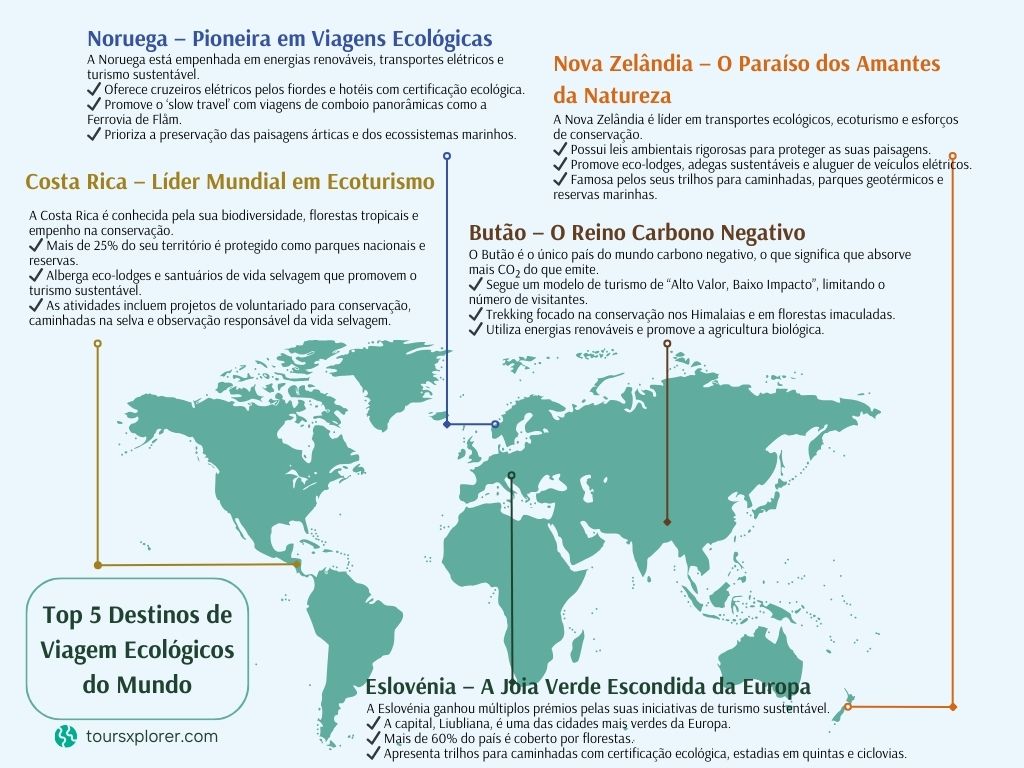
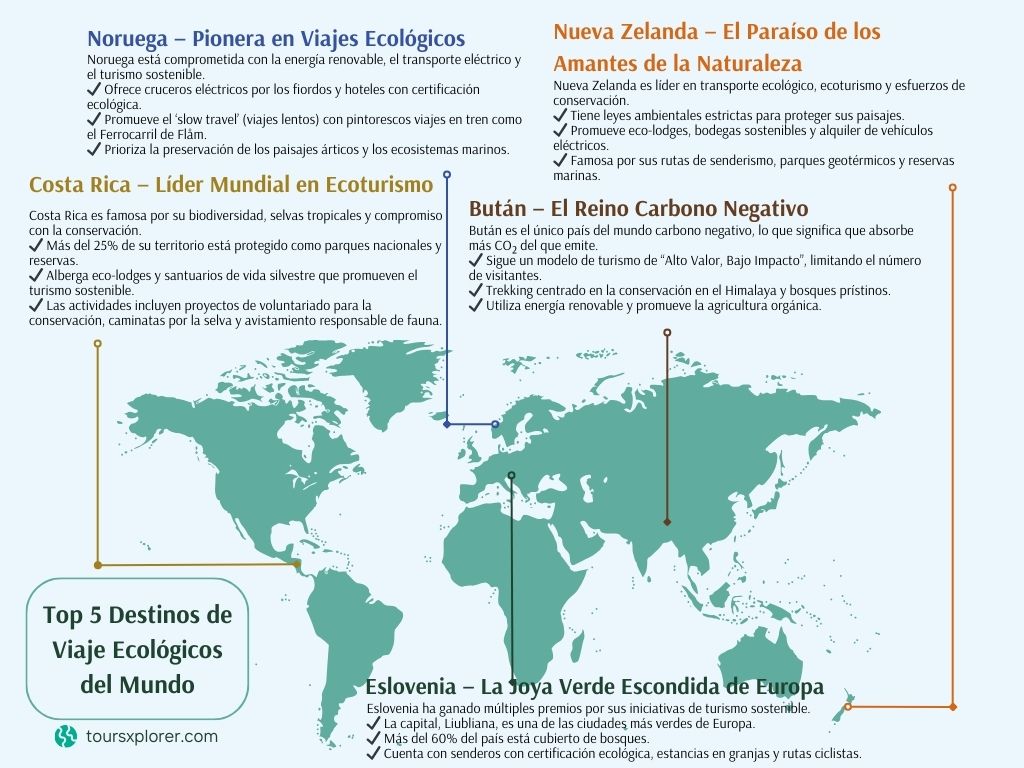
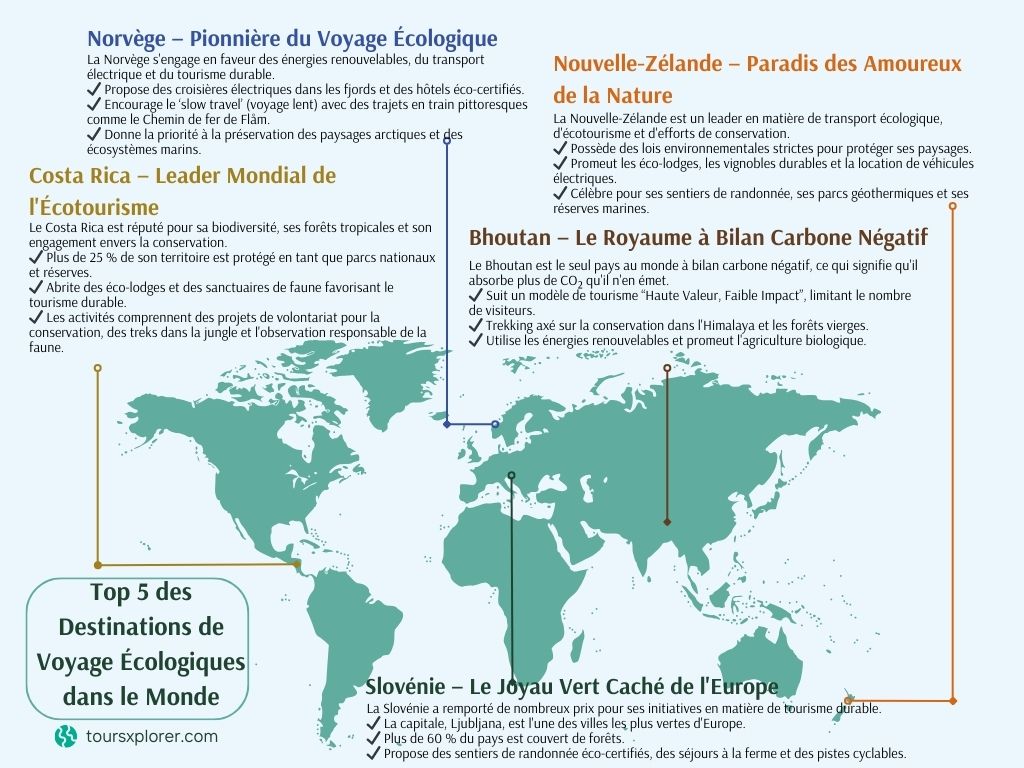
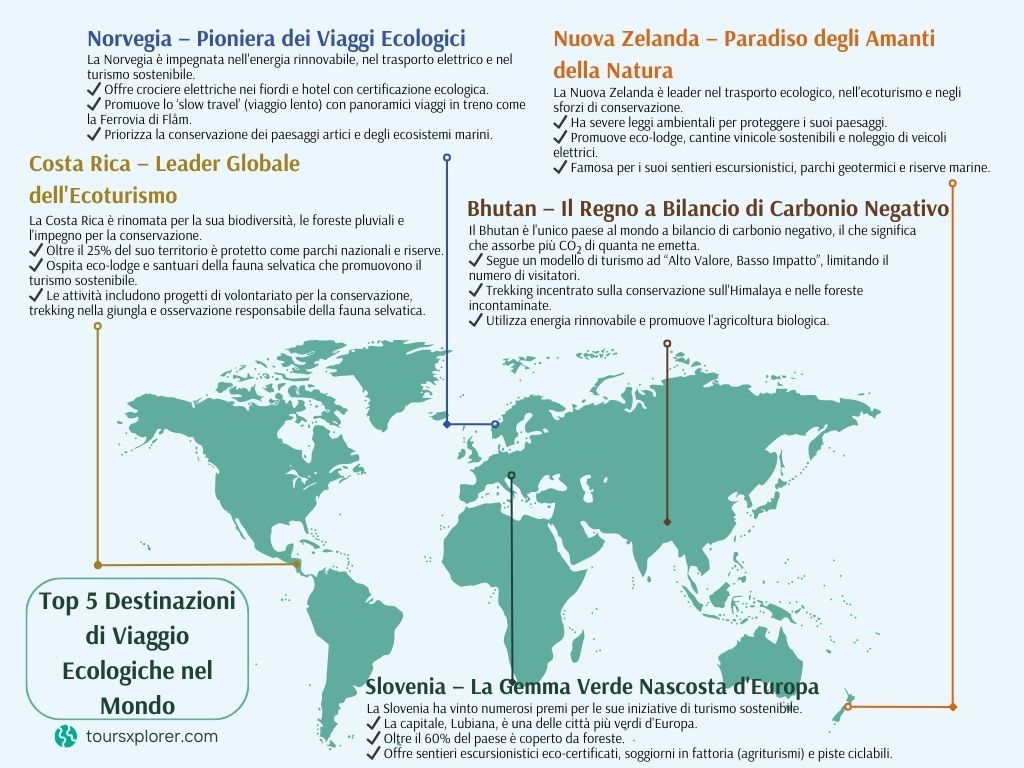
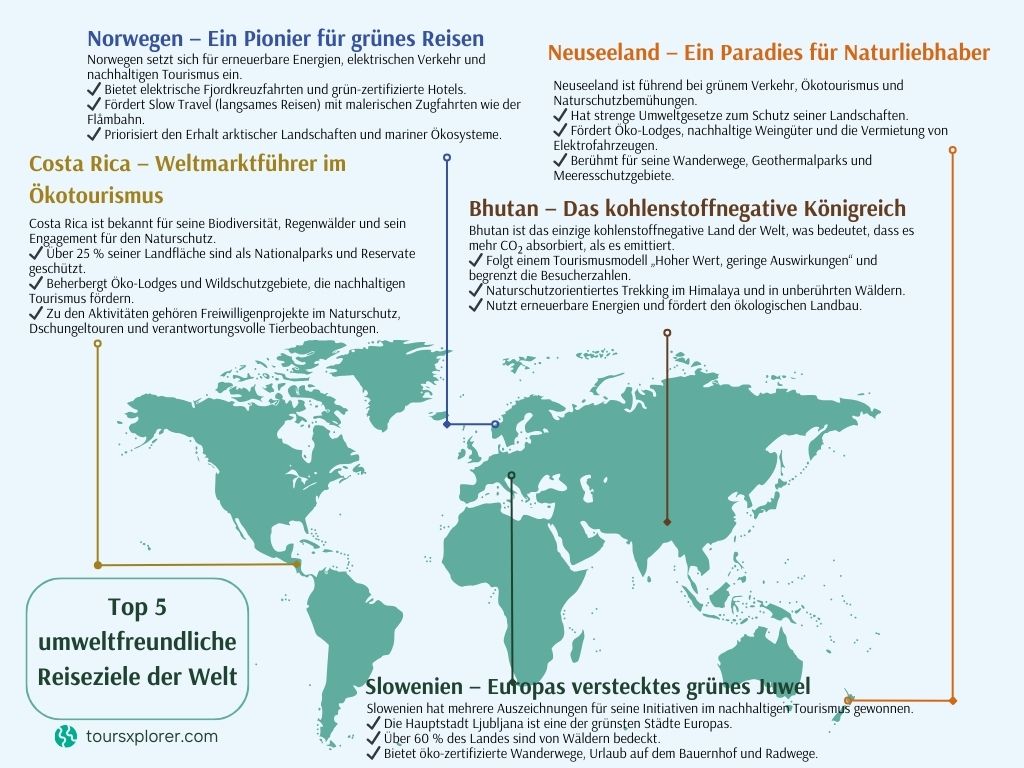
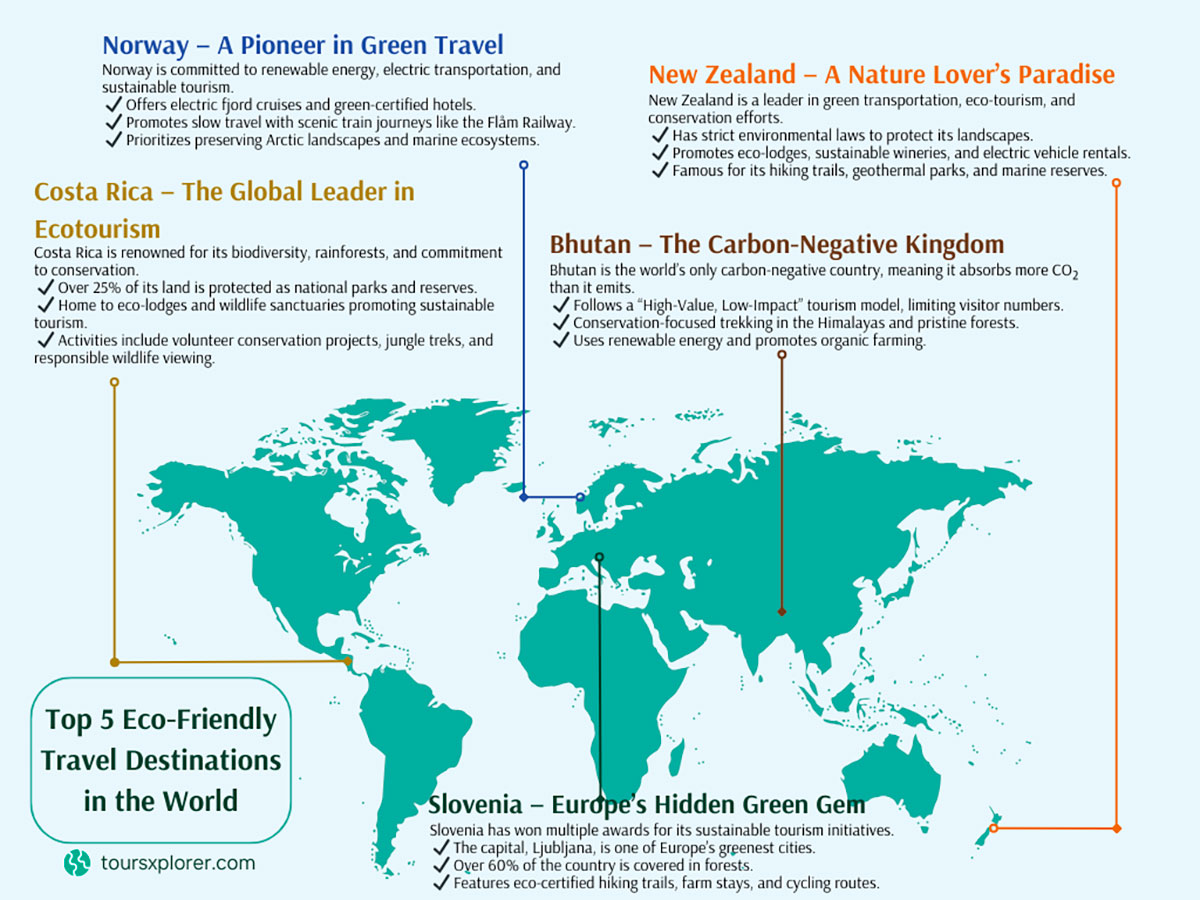
Discover the world’s top sustainable travel destinations—where nature and culture thrive in harmony.
Off-the-Beaten-Path Sustainable Travel Spots
✅ Faroe Islands – A model for responsible tourism, emphasizing low-impact travel.
✅ Rwanda – Focuses on conservation-led tourism, especially for gorilla trekking.
✅ Slovenia – A hidden eco-tourism gem known for green hotels and sustainable food.
To ensure responsible tourism, visit destinations that:
- Have strict sustainability policies
- Support wildlife conservation
- Engage in regenerative tourism, which restores local ecosystems
8. Ethical Travel and Cultural Preservation
Respecting Local Cultures and Traditions
Sustainable travelers don’t just observe cultures—they actively respect and support them. Here’s how:
✅ Learn Basic Local Phrases – Even a few words in the local language show respect.
✅ Follow Local Customs – Dress appropriately and be mindful of traditions.
✅ Support Indigenous-Led Tourism – Participate in tours and experiences run by indigenous communities to ensure they benefit directly.
Ethical Wildlife Tourism
 Observe wildlife responsibly—ethical tourism ensures animals are protected in their natural habitats.
Wildlife tourism can be harmful when animals are exploited for profit. Avoid:
❌ Elephant riding, tiger petting, or captive dolphin encounters
❌ Zoos with unethical breeding programs
❌ Attractions that allow direct animal interactions
Instead, choose:
✅ Wildlife sanctuaries that focus on rehabilitation and conservation.
✅ Eco-friendly safaris that support anti-poaching initiatives.
✅ Marine conservation tours to protect coral reefs and endangered species.
9. Practical Sustainable Travel Tips for Every Traveler
Before You Travel

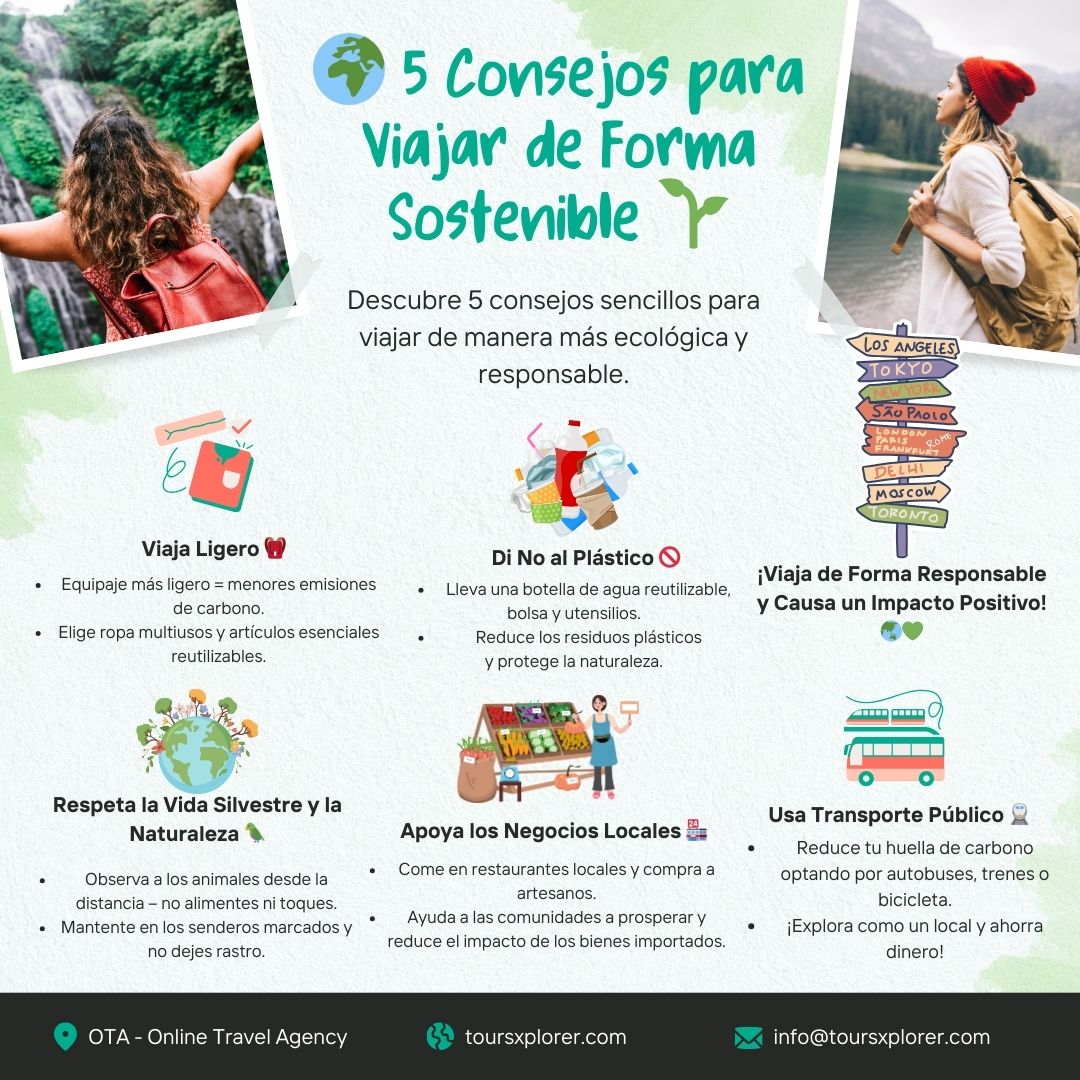

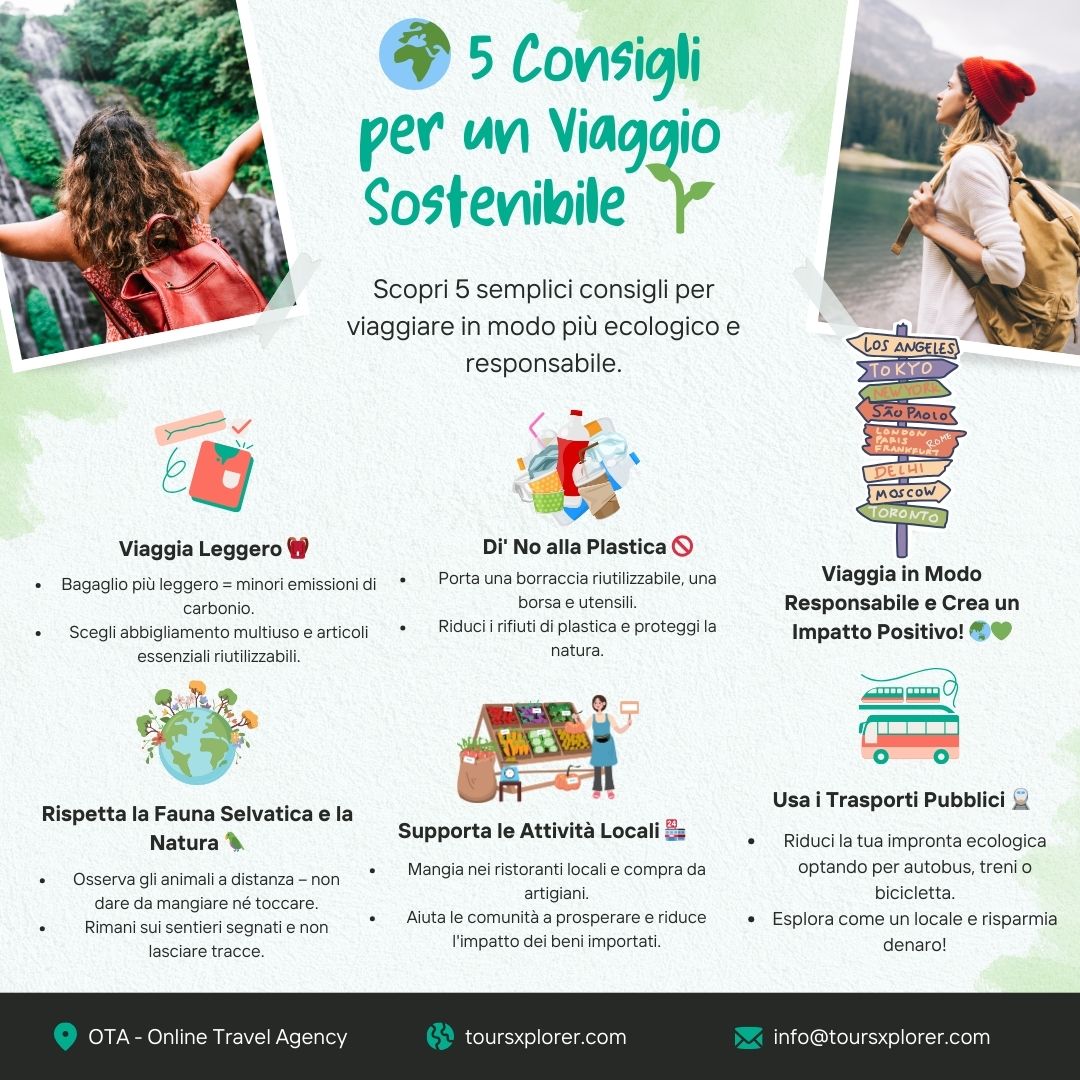

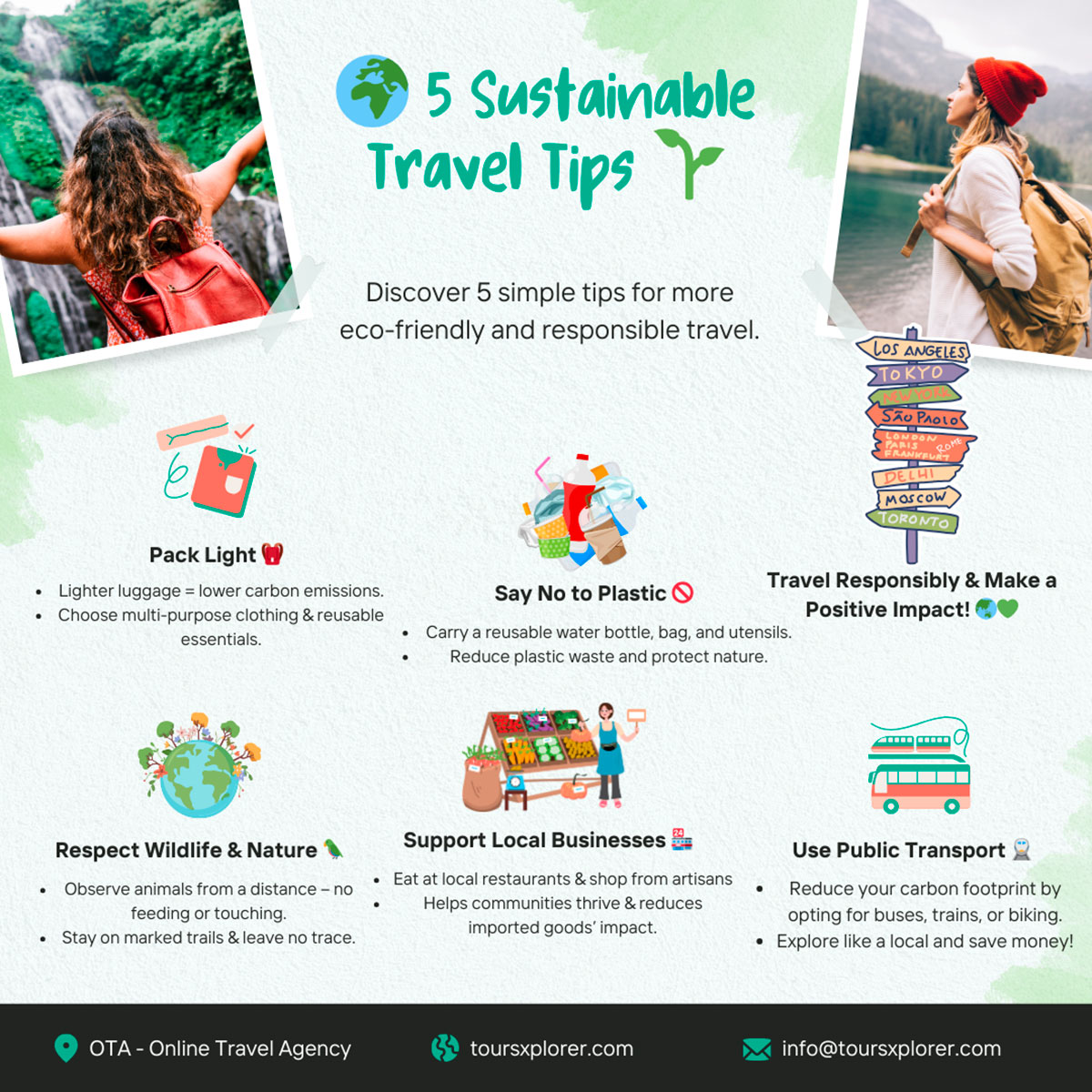
Simple yet impactful: Follow these five sustainable travel tips to reduce your environmental footprint.
✅ Research destinations with a strong focus on sustainability.
✅ Pack a zero-waste travel kit (reusable bottle, utensils, bags).
✅ Offset carbon emissions for flights by supporting reforestation projects.
During Your Trip
✅ Take shorter showers and reuse towels in hotels.
✅ Avoid single-use plastics by carrying your own refillable bottle.
✅ Choose ethical tour operators that pay fair wages and respect nature.
Eco-Friendly Travel Apps to Help You
✅ Ecosia Travel – Finds green hotels & flights.
✅ Too Good To Go – Helps reduce food waste.
✅ HappyCow – Finds vegan & vegetarian restaurants.
10. Case Studies: Real-Life Examples of Sustainable Travel in Action
Traveler Testimonials & Success Stories
 Travel with purpose: Eco-tourism experiences like tree planting and beach clean-ups make a real difference.
? A Backpacker’s Eco-Adventure in Bali
"I stayed at an eco-lodge that used solar power and rainwater collection. I also took part in a beach clean-up and learned about coral reef restoration!" – Jenna, USA
? A Carbon-Neutral Eurotrip
"I traveled through Europe using only trains and public transport. My stays were in certified eco-hotels, and I used a carbon offset program for flights." – Marco, Italy
? A Responsible Safari in Kenya
"Instead of a touristy game drive, I joined a conservation program in the Maasai Mara, helping with anti-poaching efforts and reforestation." – Anaya, India
11. The Role of Technology in Sustainable Travel
How Apps and Digital Tools Support Responsible Tourism
Technology has become a powerful tool in making sustainable travel more accessible. Here are some top digital solutions for responsible travelers:
✅ Carbon Footprint Calculators – Tools like MyClimate and CoolEffect help travelers measure and offset their carbon emissions.
✅ Eco-Friendly Accommodation Apps – Platforms like Ecolodges.com and Green Pearls highlight sustainable hotels.
✅ Public Transport and Ride-Sharing Apps – Apps like Moovit, Citymapper, and BlaBlaCar encourage low-impact travel.
✅ Plastic-Free Travel Apps – Apps like Refill help find free water refill stations to avoid plastic bottles.
Virtual and Augmented Reality in Travel
✅ Reducing the Need for Physical Travel – Virtual reality (VR) lets people explore places without flying (e.g., Google Earth VR).
✅ Educational VR Experiences – Some destinations now offer pre-visit VR tours to teach travelers about cultural heritage and sustainability before arrival.
✅ Augmented Reality (AR) for Sustainable Navigation – AR travel guides provide paper-free information and eco-friendly routes.
12. Overcoming Challenges in Sustainable Travel
Common Misconceptions About Eco-Travel
❌ "Sustainable travel is too expensive" – Many budget-friendly green hotels, hostels, and local experiences are more affordable than luxury resorts.
❌ "Eco-travel is inconvenient" – Sustainable travel apps and community-based tourism make responsible travel easier than ever.
❌ "One person’s efforts don’t matter" – Every small action (e.g., refusing plastic, using public transport) contributes to a larger movement.
Balancing Tourism Growth with Sustainability
As travel demand increases, destinations must balance economic growth with environmental conservation.
✅ Managing Overtourism – Implementing visitor caps and promoting off-season travel to reduce crowding.
✅ Eco-Tax Policies – Destinations like Venice and Bali have introduced eco-taxes to support sustainable tourism.
✅ Community-Led Solutions – Locals should have a voice in tourism planning to ensure sustainability.
13. Future Trends in Sustainable Tourism
The Rise of Regenerative Tourism
Instead of just "doing less harm," regenerative tourism actively restores natural and cultural ecosystems.
✅ Reforestation Travel Programs – Travelers plant trees to offset carbon emissions.
✅ Restorative Marine Tourism – Some destinations let travelers help rebuild coral reefs.
✅ Agritourism & Farm Stays – Tourists can join organic farming projects to support local food sustainability.
The Shift Towards Carbon-Neutral Travel
The travel industry is evolving toward carbon neutrality with new green innovations:
✅ Electric Airplanes – Companies like ZeroAvia and Airbus are developing hydrogen-powered planes.
✅ Carbon Offsetting for Flights – Airlines like KLM and Delta now offer passengers the option to offset their carbon footprint.
✅ Sustainable Aviation Fuels (SAFs) – Biofuels made from waste products reduce emissions by up to 80%.
14. Final Thoughts: Becoming a Conscious Traveler
Embracing a Sustainable Travel Mindset
Sustainable travel isn’t about being perfect—it’s about making better choices whenever possible. Even small changes, like choosing a local homestay over a chain hotel or using a refillable bottle instead of buying plastic, make a difference.
How Every Traveler Can Make a Difference
✅ Support businesses committed to sustainability
✅ Advocate for responsible tourism on social media
✅ Educate others about the impact of travel
Conclusion
Sustainable travel is more than just a trend—it’s a global movement that’s shaping the future of tourism. By choosing ethical accommodations, reducing waste, using eco-friendly transport, and respecting local cultures, travelers can ensure they leave a positive impact wherever they go.
Whether you're a seasoned eco-traveler or just starting your journey, the most important thing is to stay conscious and make thoughtful decisions. Every small step towards sustainable travel helps build a better, greener, and more responsible travel industry for the future.
Frequently Asked Questions (FAQs)
1. What is the difference between sustainable travel and ecotourism?
Sustainable travel minimizes negative environmental and social impacts, while ecotourism focuses specifically on nature-based, conservation-driven travel experiences.
2. How can I reduce my carbon footprint when traveling?
✅ Choose direct flights to reduce emissions.
✅ Use public transportation or bicycles instead of taxis.
✅ Stay in eco-friendly hotels and offset your emissions.
3. What are some examples of responsible tourism?
✅ Supporting local businesses and artisans.
✅ Avoiding exploitative wildlife attractions.
✅ Engaging in low-impact travel activities like hiking and cultural tours.
4. Are there any certifications to look for when booking sustainable accommodations?
Yes! Look for sustainability certifications like:
✅ Green Globe
✅ LEED (Leadership in Energy and Environmental Design)
✅ EarthCheck
✅ Rainforest Alliance Certified
5. Can sustainable travel still be affordable?
Absolutely! Many budget-friendly options exist, such as:
✅ Staying in eco-hostels and farm stays
✅ Using public transport instead of renting cars
✅ Eating at local markets instead of chain restaurants
? Be connected with Toursxplorer
Stay Updated:
 |
 |
 |
||
 |
 |
 |
||