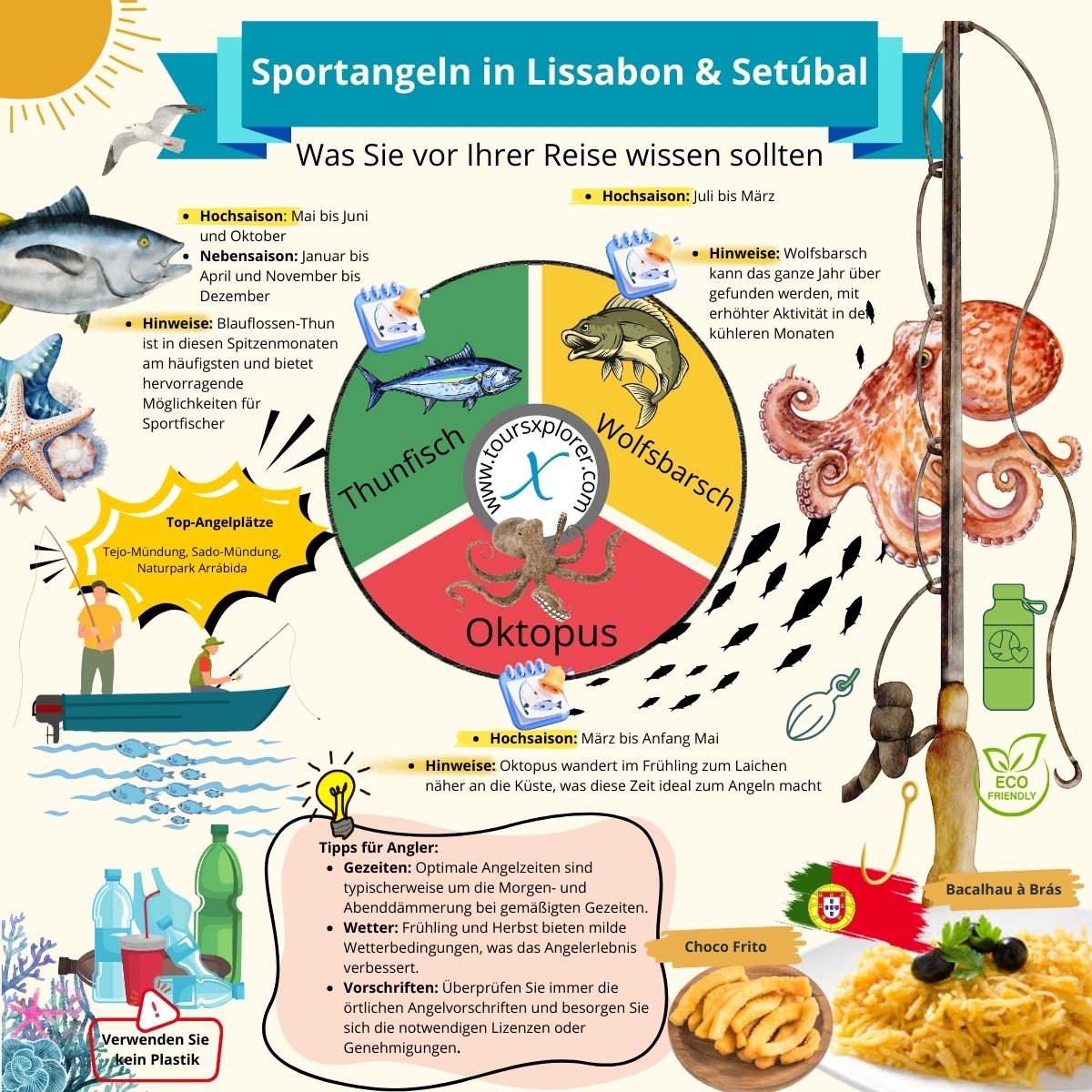
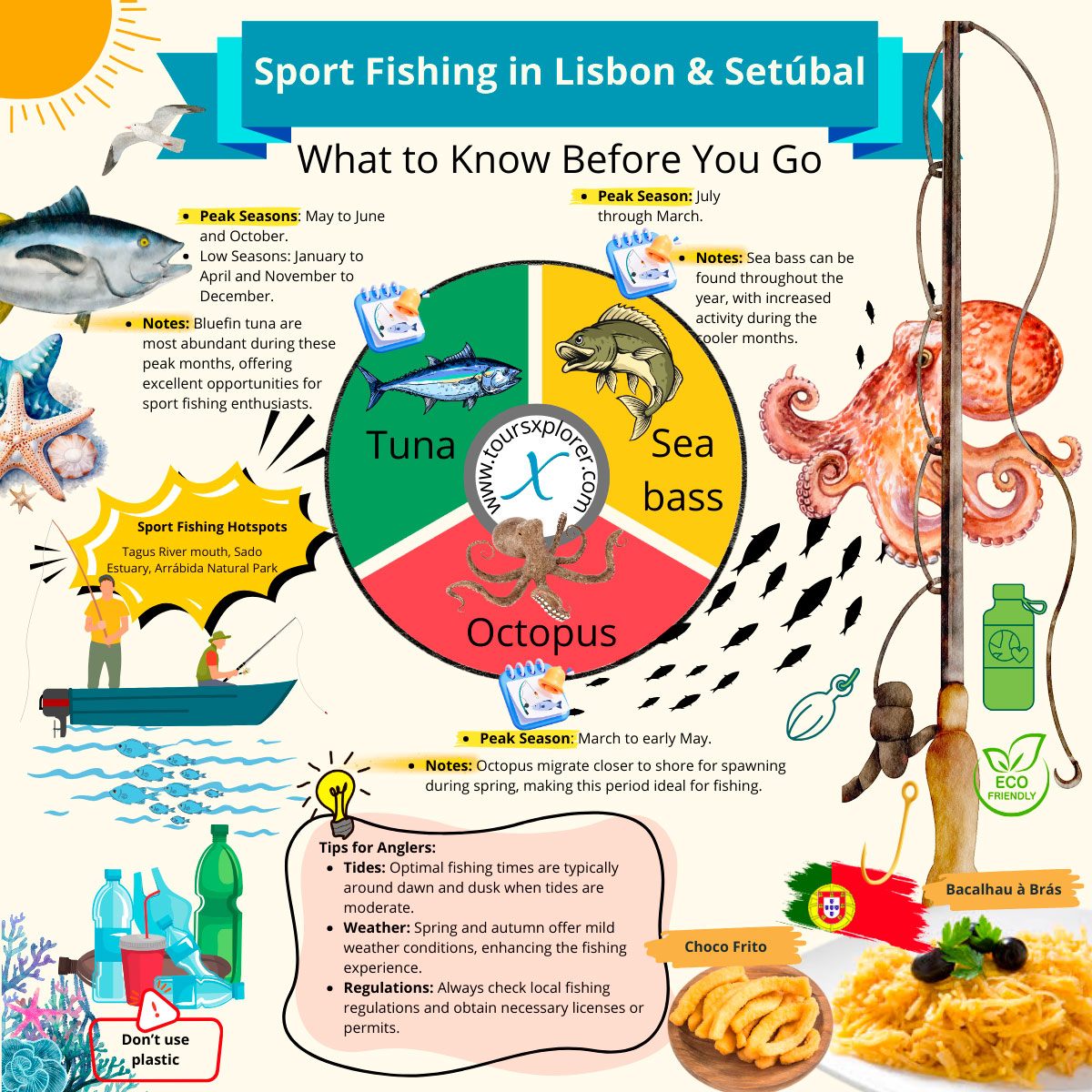
Lisbon and Setúbal, perched on Portugal’s sun-drenched western coastline, offer anglers some of the most diverse and rewarding fishing experiences in Europe. These two regions boast direct access to the Atlantic Ocean, providing deep waters teeming with marine life just a short boat ride from shore. From the Tagus River in Lisbon to the Sado Estuary in Setúbal, the natural habitats are ideal for a wide range of fish species, from bluefish and sea bass to tuna and even swordfish during peak seasons.
The geographical advantage doesn’t stop at proximity. Lisbon is uniquely situated where the Tagus River meets the Atlantic, creating nutrient-rich waters that attract schools of baitfish, which in turn draw in large predators—making it a paradise for sport fishing. Setúbal, on the other hand, benefits from the calm yet bountiful Sado River estuary and its closeness to the Arrábida Natural Park’s protected marine ecosystems. These areas ensure sustainable marine biodiversity, which is key for consistent sport fishing experiences.
This incredible biodiversity is enhanced by Portugal’s warm and temperate climate, which supports fishing activities nearly all year round. Whether you're a seasoned angler or a curious first-timer, the accessibility and richness of these waters promise an unforgettable adventure.
Year-Round Fishing Opportunities and Mild ClimateOne of the most enticing reasons to choose Lisbon and Setúbal for sport fishing is the region’s mild Mediterranean climate. Even in winter, temperatures rarely dip below 10°C (50°F), while summer days remain warm and inviting without becoming stifling. This pleasant weather ensures that fishing tours can run nearly every day of the year, allowing tourists to plan their trips flexibly without worrying about seasonal constraints.
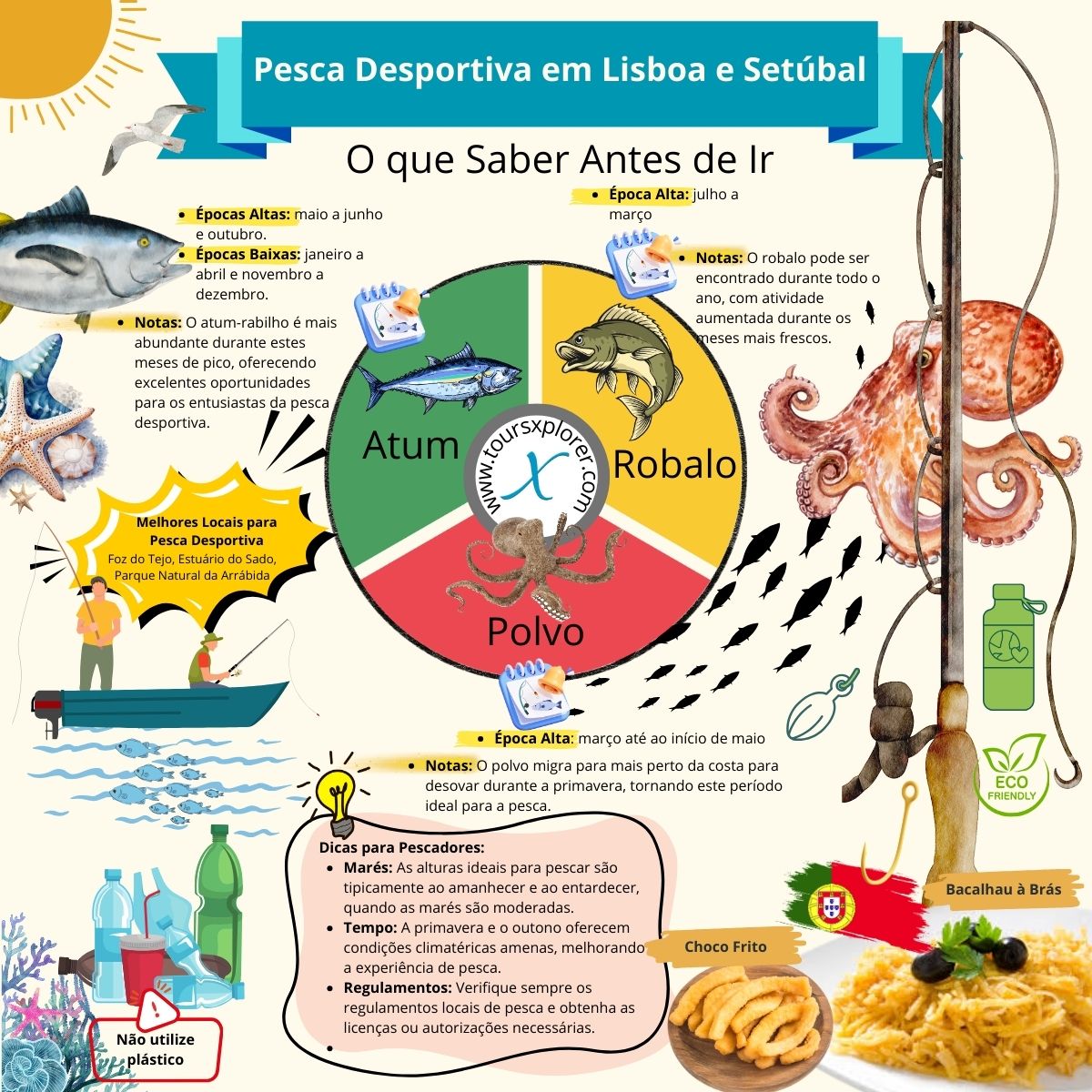
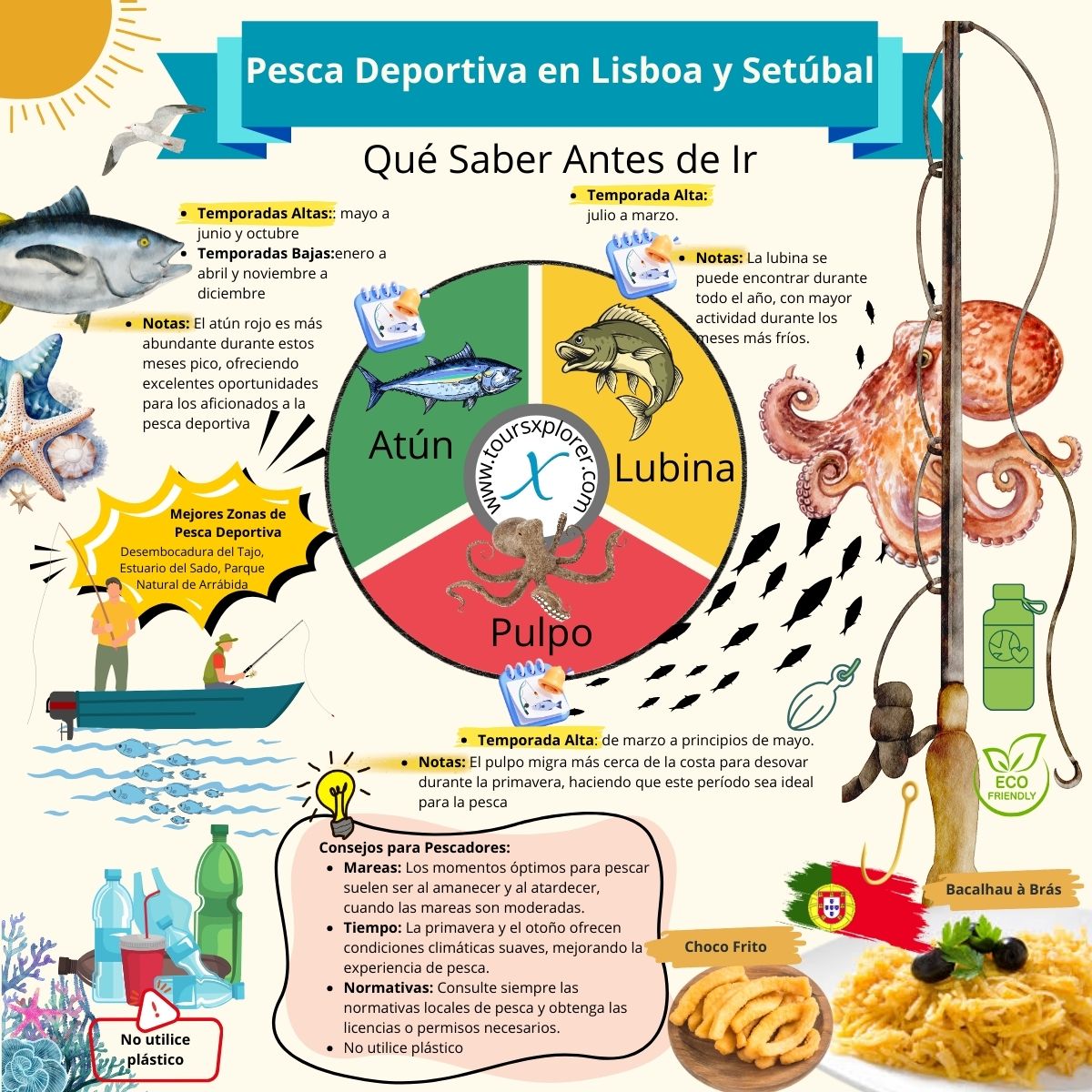
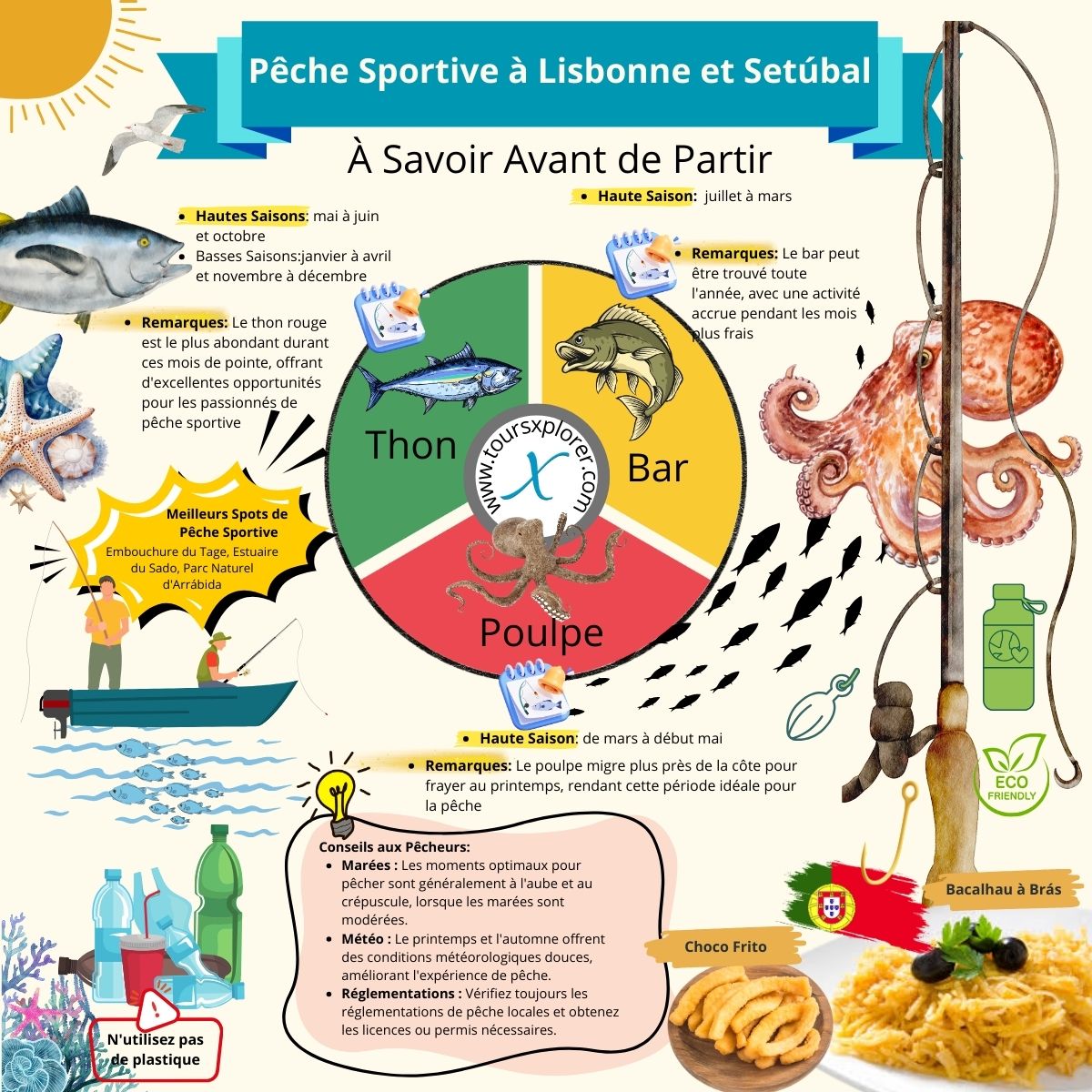
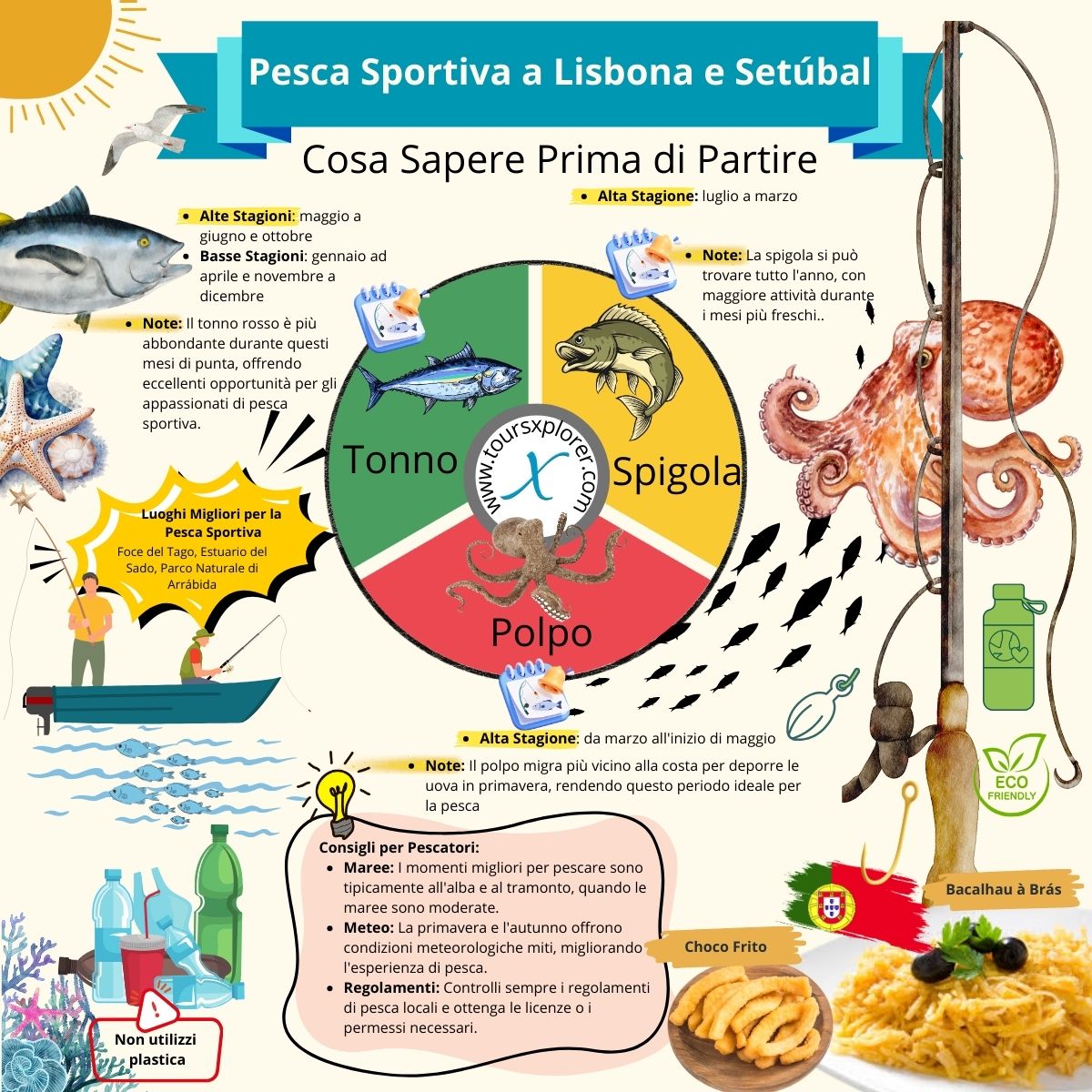
Each season brings its own fishing opportunities. Spring and summer are prime times for tuna, amberjack, and mahi-mahi, while autumn offers excellent conditions for sea bass and bluefish. Winter is ideal for targeting bottom-dwelling species such as conger eel, grouper, and snapper. The consistent availability of different species ensures that no matter when you visit, the sea always has something to offer.
Pair this with the stunning coastal backdrops, from Lisbon’s dramatic cliffs and beaches to Setúbal’s serene bay views and natural parks, and you’ve got a destination that not only provides thrilling sport fishing but also visual and emotional fulfillment. It’s more than just catching fish—it’s about the joy of being immersed in a marine-rich environment that feels both wild and welcoming.
ToursXplorer.com offers an impressive variety of fishing tours tailored to suit every level of experience and interest. Whether you're looking for an adrenaline-fueled big game offshore adventure or a relaxed inshore excursion for sea bream and bass, there's something for everyone.
Here are just a few types of fishing tours you can expect:
Deep Sea Fishing Tours: Venture several miles offshore targeting trophy species like tuna, swordfish, and marlin.
Inshore Fishing Tours: Perfect for beginners or families, these tours stay closer to the coast, focusing on popular species like sea bass, mackerel, and gilthead bream.
Estuary and River Fishing: Explore the calm and scenic waters of the Tagus or Sado rivers, where catfish, mullet, and perch abound.
Night Fishing Adventures: For those seeking something truly unique, night trips offer a chance to catch nocturnal species and enjoy the ocean under starlight.
Private Charter Experiences: Customize your day at sea with private boats, personalized itineraries, and tailored guidance.
Tours are led by knowledgeable local guides who not only know where the fish are biting but also understand the historical and ecological richness of the waters. This local expertise adds a deeper layer to the experience, transforming a simple day of fishing into a meaningful connection with the culture and nature of Portugal.
Personalized Adventures and Expert GuidesOne of the standout features of ToursXplorer.com is its dedication to creating highly personalized fishing experiences. You're not just booking a spot on a boat—you’re joining a curated adventure. The guides take time to understand your goals, whether it's targeting a specific fish, learning a new technique, or simply enjoying the scenery with a rod in hand.
Every trip is led by certified skippers and passionate anglers who combine years of hands-on fishing experience with in-depth knowledge of the local marine environment. They know the best spots to fish based on tide, season, and weather conditions. Even better? They're equally skilled at teaching beginners as they are at challenging seasoned pros.
From helping you handle gear to filleting your catch (or practicing catch-and-release with care), the crew ensures you're supported at every turn. The boats used are modern, well-equipped, and safety-certified, offering comfort and reliability so you can focus on the thrill of the catch.
This level of customization and expertise sets ToursXplorer.com apart, making each fishing trip a personal story rather than a one-size-fits-all outing.
Eco-Friendly Fishing: A Commitment to Sustainability Biodegradable Lines and Lead-Free GearSustainable tourism isn’t just a buzzword—it’s a necessity. And ToursXplorer.com proudly embraces eco-conscious fishing practices to protect the ocean’s fragile ecosystems while still delivering an incredible sport fishing experience. One of the most effective ways this is achieved is through the use of biodegradable fishing lines and lead-free gear.
Traditional fishing lines can take hundreds of years to degrade, posing a long-term threat to marine life when accidentally lost at sea. Biodegradable lines, on the other hand, break down much faster and more safely, reducing the risk of entanglement for dolphins, turtles, and seabirds. By using these environmentally friendly alternatives, ToursXplorer’s fishing tours are helping to safeguard the ocean for generations to come.
In addition to the lines, ToursXplorer avoids the use of lead sinkers and jigs, which are known to leach toxins into the water and pose serious ingestion risks to fish and birds. Instead, they opt for eco-friendly materials like tungsten or steel, which offer similar performance without the harmful side effects.
These small but significant changes reflect a deeper commitment to sustainability. They show that it’s possible to enjoy the thrill of the catch without compromising the health of the very waters that make sport fishing so magical.
The Catch and Release Ethic: Doing It RightCatch and release is a central philosophy for many of ToursXplorer’s outings, especially when targeting species that are protected, endangered, or out of season. But it’s not just about tossing the fish back into the sea—it’s about doing it correctly to ensure the fish survive and thrive.
That’s why the guides emphasize proper catch and release techniques, such as:
Using circle hooks to reduce gut hooking
Removing hooks gently and efficiently
Minimizing the time fish spend out of water
Using barbless hooks for easier and less damaging removal
Handling fish with wet hands or rubberized nets to protect their delicate slime coating
By following these steps, anglers can enjoy a fulfilling fishing experience while contributing to conservation efforts. It’s sport fishing with a conscience—a way to experience the excitement of the catch without taking from future fishers.
Moreover, these practices are not just recommended—they're actively taught and demonstrated during the tours. This educational aspect helps tourists go home with more than just memories and pictures—they take valuable knowledge that they can apply wherever they fish next.
Responsible Waste Management at SeaAnother often-overlooked element of eco-friendly fishing is how waste is managed on board. ToursXplorer takes pride in ensuring their vessels maintain a zero-litter policy, meaning all waste, including fishing lines, packaging, and food scraps, is either recycled or properly disposed of on land.
Waste bins on deck are clearly labeled for sorting recyclables and trash, and guides remind guests throughout the trip about best practices. This approach not only keeps the sea clean but also reinforces a culture of responsibility among visitors.
Additionally, oil spills, fuel leaks, and bilge discharges are carefully prevented through proper boat maintenance and the use of environmentally friendly marine products. Every detail—from biodegradable cleaning agents to reusable water bottles—is thoughtfully considered to reduce the ecological footprint of each fishing adventure.
These small actions collectively have a big impact. And when tourists see them in action, it inspires deeper respect for the ocean and a greater commitment to preserving its beauty.
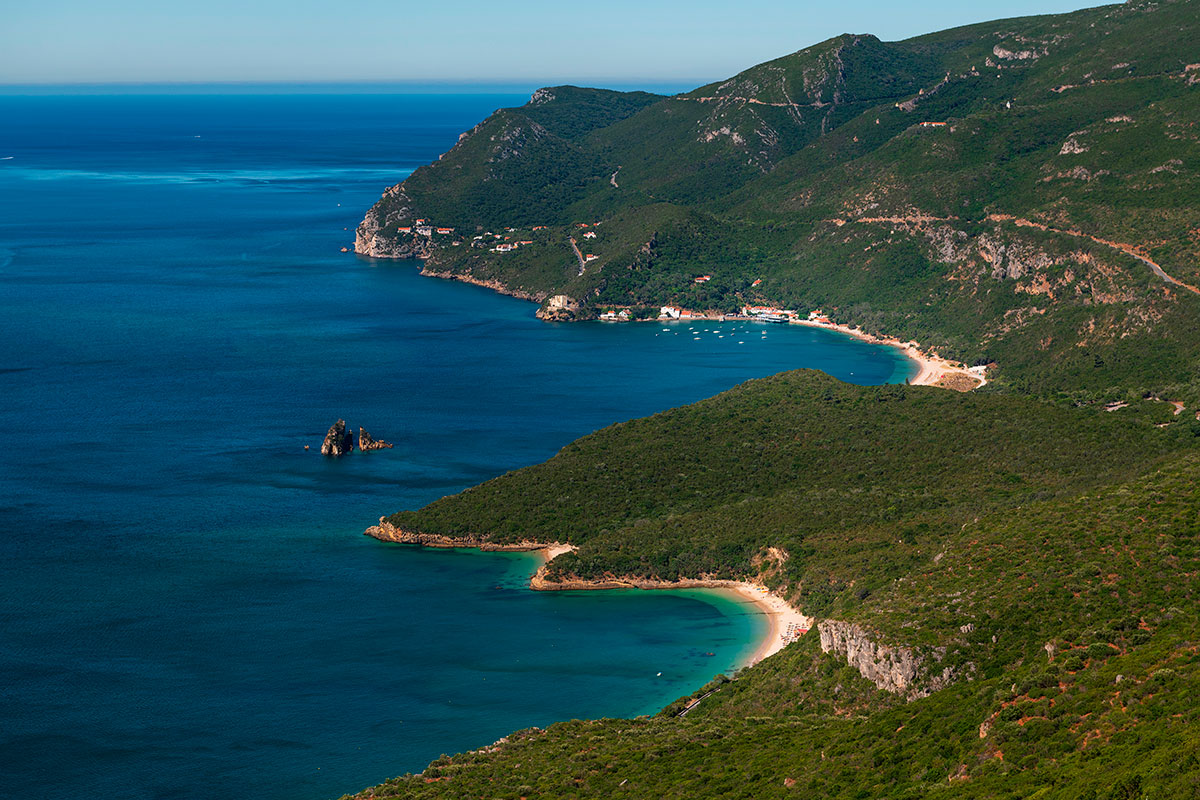
Nestled between Setúbal and the Atlantic Ocean, the Arrábida Natural Park is more than a postcard-perfect destination—it’s a biodiversity hotspot and a key player in marine conservation. With its emerald cliffs, limestone hills, and aquamarine coves, this protected area offers a safe haven for marine species and a rich playground for responsible sport fishers.
Fishing in or near marine protected zones like Arrábida is tightly regulated, ensuring that local fish populations can reproduce and replenish naturally. ToursXplorer.com works closely with park authorities to ensure that all tours respect these boundaries, avoiding sensitive breeding areas and complying with seasonal restrictions.
What’s particularly special about Arrábida is its unique underwater landscape, which includes seagrass beds, coral-like reefs, and natural caves that support a wide array of life—from octopuses and lobsters to rare species of wrasse and sea horses. Anglers fishing near the park can witness the benefits of marine protection firsthand: healthier fish, greater diversity, and more frequent catches.
It’s living proof that when nature is given room to thrive, everyone benefits—especially those who love to fish.
Community-Led Marine Conservation EffortsBeyond government regulations, the fishing communities of Lisbon and Setúbal are increasingly taking conservation into their own hands. Local angler associations and eco-conscious fishing operators like ToursXplorer.com are playing a critical role in protecting marine life.
These efforts include:
One particularly inspiring initiative is the promotion of citizen science, where tourists can log their catches, tag fish, or even submit underwater photos for species identification. This data helps scientists better understand fish behavior, migration, and health, creating a more complete picture of ocean ecosystems.
By involving the community—and visitors—in conservation, Lisbon and Setúbal are setting an example for how tourism and nature can coexist. It turns a day of fishing into a meaningful act of stewardship, and that’s something truly worth celebrating.
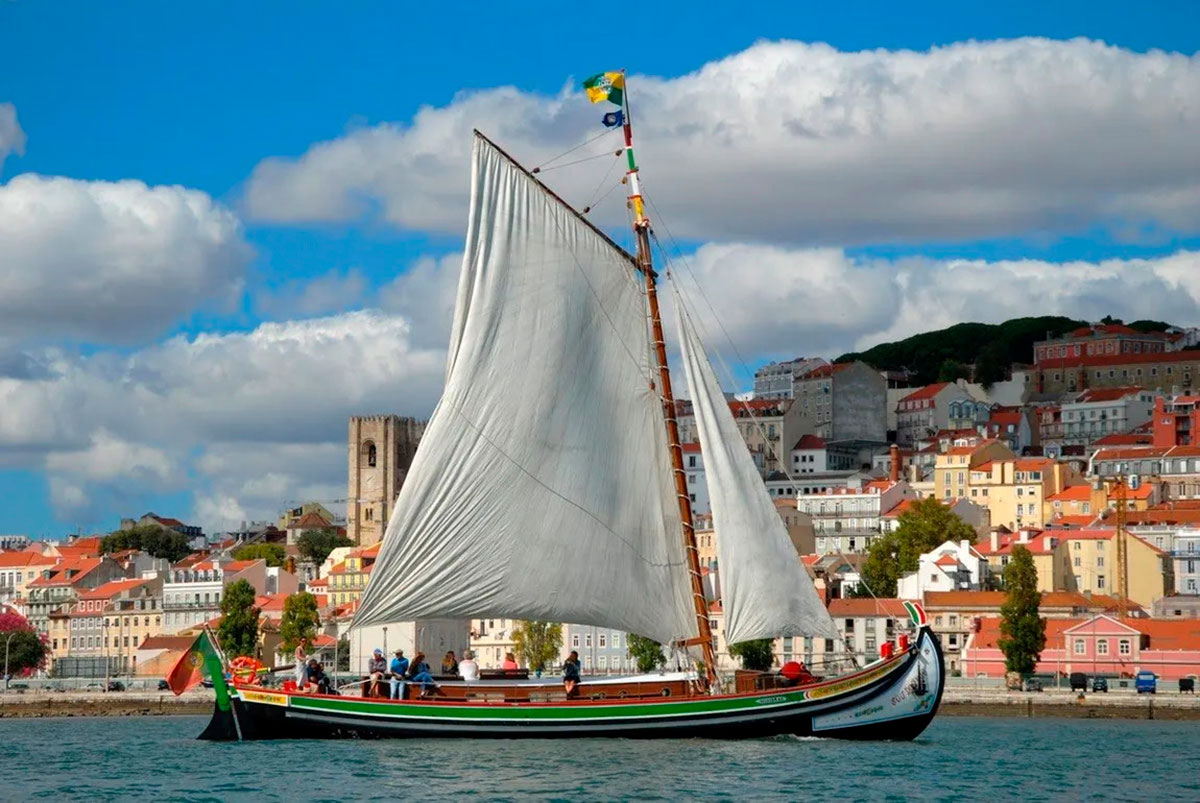
Traditional Fishing Methods Still Alive Today The Historic Canoa Boats of the Tagus RiverLong before the sleek fiberglass fishing boats of today, the waters of Lisbon’s Tagus River were ruled by the elegant and practical Canoa. These traditional wooden boats, easily recognizable by their long, narrow frames and vibrant painted designs, were once the lifeblood of Lisbon’s fishing and transport industries.
Used primarily from the 18th to early 20th centuries, the Canoa boats were masterfully adapted to the Tagus’s variable tides and winds. Their shallow drafts allowed them to navigate both estuarine waters and open sea, making them versatile for everything from sardine fishing to ferrying goods between docks. While they may not dominate the river today, a few lovingly restored Canoa vessels still sail—many of them now used for tourist excursions and cultural preservation efforts.
These boats symbolize the ingenuity and maritime resilience of the Portuguese people. ToursXplorer.com, in collaboration with local heritage groups, sometimes includes visits or even short rides on these historic crafts as part of their cultural experience offerings. Imagine gliding across the Tagus with a rod in hand, aboard a boat built in the same way as it was centuries ago—it’s a journey back in time with the added thrill of the catch.
These living relics connect modern anglers with their ancestors, giving context to how fishing has evolved in Lisbon while honoring its traditional roots.
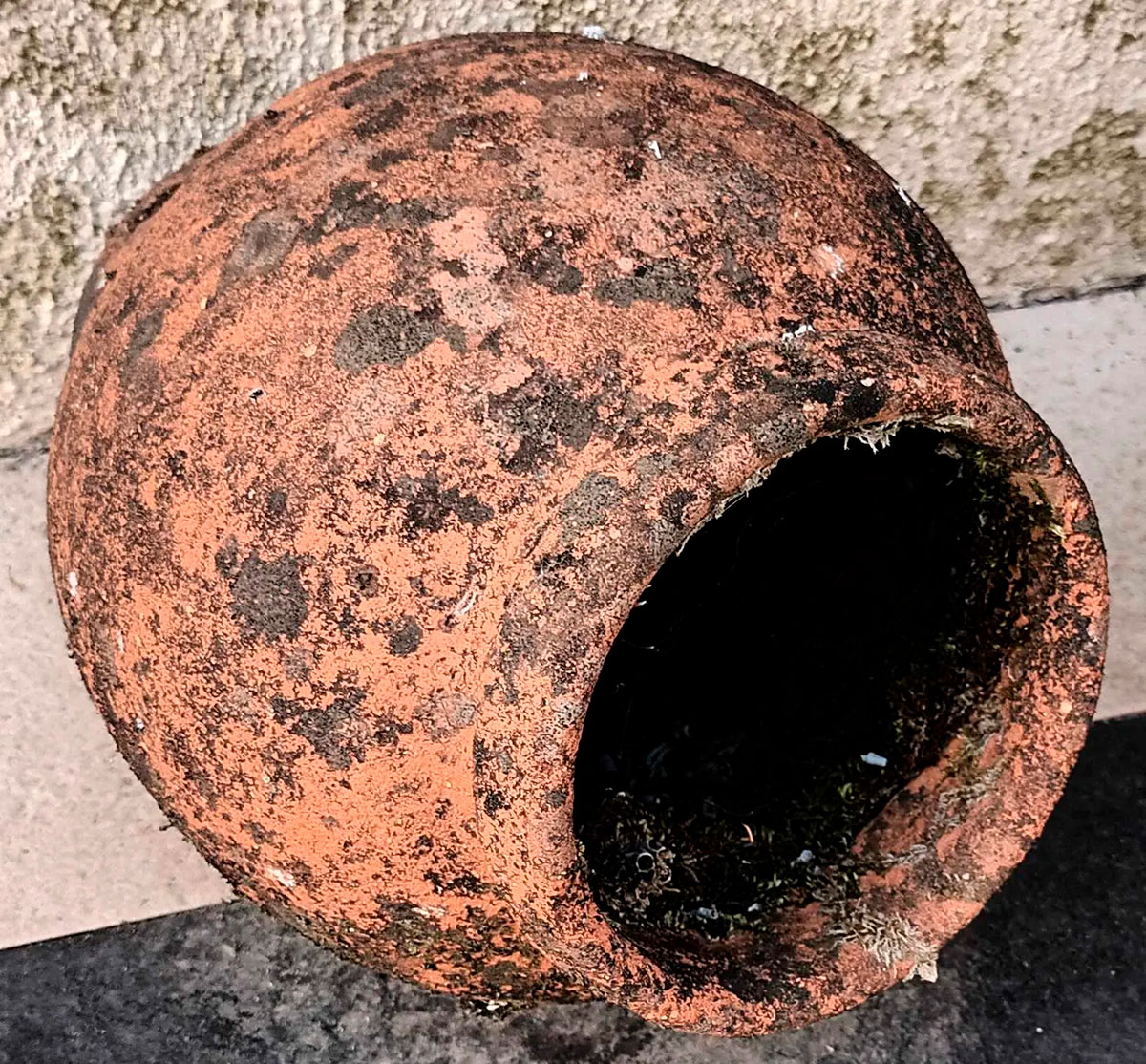
Pot and Trap Fishing in Setúbal for OctopusIn Setúbal, tradition isn’t just preserved in museums—it’s actively practiced by local fishers. One standout example is the age-old technique of pot and trap fishing for octopus. This sustainable and selective method involves placing clay or plastic pots on the seafloor, which mimic natural hiding places. Octopuses, being naturally curious and territorial, crawl inside and settle in, only to be gently retrieved later by fishers.
Unlike trawling or net fishing, this method causes minimal disruption to the marine environment. It also allows for live catches, which are preferred in local markets and restaurants for their superior freshness. Best of all, it’s a low-bycatch method, meaning non-target species are rarely harmed.
Many ToursXplorer guides love to share stories and even demonstrate how these traps work during their tours. Guests often get to see the pots being hauled aboard, with live octopuses wriggling inside—a fascinating and hands-on way to learn about local fishing culture.
This intimate method of harvesting the sea has remained largely unchanged for centuries. It reflects a harmony with nature that modern fishing often lacks, and it’s part of what makes fishing in Setúbal feel authentic and grounded in real maritime heritage.
A Glimpse into Ancient Garum ProductionIf you’ve ever wondered just how far back Lisbon and Setúbal’s fishing legacy goes, look no further than the remnants of garum production in the region—an ancient Roman delicacy made from fermented fish guts.
Back in the Roman Empire, garum was prized across Europe and even North Africa as a rich, umami-packed sauce used in everything from stews to salads. The Setúbal Peninsula was a major production center for this savory export, with archaeological remains of garum factories still visible today in places like Troia and Cetóbriga.
These sites reveal complex fish-processing workshops complete with salting tanks, drainage systems, and amphorae used for shipping. It's a testament to how deeply fishing—and seafood processing—are embedded in the region's DNA. For travelers with a love of history and food, these ruins offer a captivating stopover that ties in beautifully with a modern fishing tour.
By showcasing this ancient legacy, ToursXplorer.com adds a rich historical layer to its adventures. Guests don’t just cast lines—they trace the roots of fishing back to millennia-old practices, deepening their connection to the places they visit.
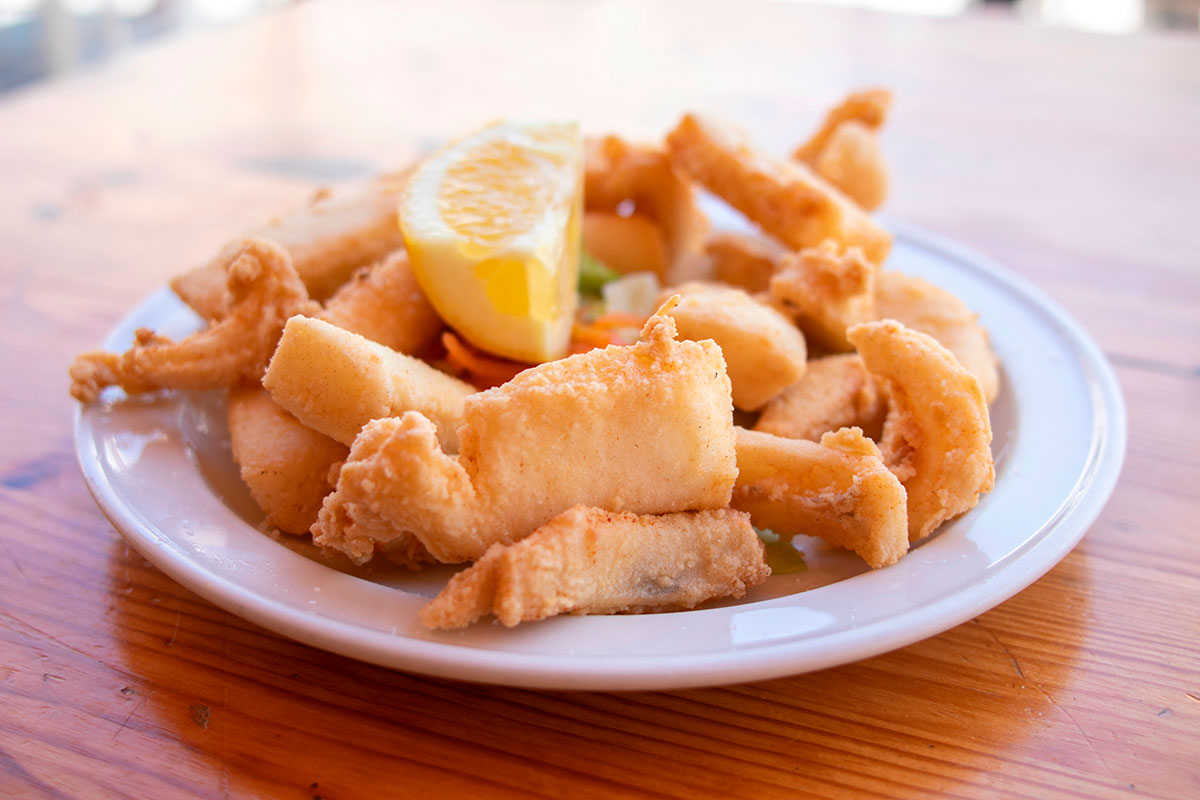
When it comes to iconic regional dishes, Choco Frito tops the list in Setúbal. This mouthwatering specialty features marinated cuttlefish—similar to squid but meatier—coated in seasoned flour and deep-fried to golden perfection. Served with a side of lemon wedges, fries, and sometimes rice, it’s a crunchy, savory celebration of the sea.
What makes Choco Frito so special isn’t just its irresistible taste—it’s the story behind it. The dish originated from the daily catches of local fishermen who would bring home “choco” not sold at the market. Over time, this humble ingredient evolved into a beloved street food and restaurant staple, now enjoyed by locals and tourists alike.
Setúbal’s proximity to rich cuttlefish grounds makes the dish incredibly fresh. Restaurants often source directly from nearby fish markets, where the choco is landed just hours earlier. This commitment to fresh, local ingredients is what gives the dish its superior flavor and texture.
Visitors can try Choco Frito at traditional eateries like Casa Santiago or casual waterfront spots that line the Avenida Luísa Todi. Some fishing tours even end with a stop at a seaside restaurant where you can sample the very species you spent the day targeting. It’s the perfect way to cap off a day of sport fishing: a golden plate of crispy Choco Frito, a cold beer, and the ocean breeze on your face.
Caldeirada de Peixe à Setubalense: A Hearty Fish StewAnother standout in Setúbal’s maritime cuisine is the Caldeirada de Peixe à Setubalense, a hearty, slow-cooked fish stew that brims with coastal character. This one-pot wonder typically combines several types of freshly caught fish—monkfish, skate, sardines, and more—simmered with onions, garlic, tomatoes, potatoes, and bell peppers in a fragrant broth enriched with olive oil and white wine.
It’s the kind of dish that warms the soul and fills the belly after a long day at sea. The layering of fish and vegetables allows the juices to meld beautifully, creating a rich, complex flavor that reflects the diversity of the day’s catch. Traditionally served family-style, it’s a communal experience that speaks to the close-knit nature of fishing communities.
What’s especially appealing about Caldeirada is its adaptability. No two versions are quite the same, as cooks adjust ingredients based on the freshest available seafood. Some even add shellfish like clams or mussels for extra brininess.
Many local chefs still use recipes handed down from their grandparents, preserving the dish’s authenticity. Whether you enjoy it at a rustic tavern or a fine-dining venue overlooking the marina, Caldeirada offers a true taste of Setúbal’s sea-to-table lifestyle.
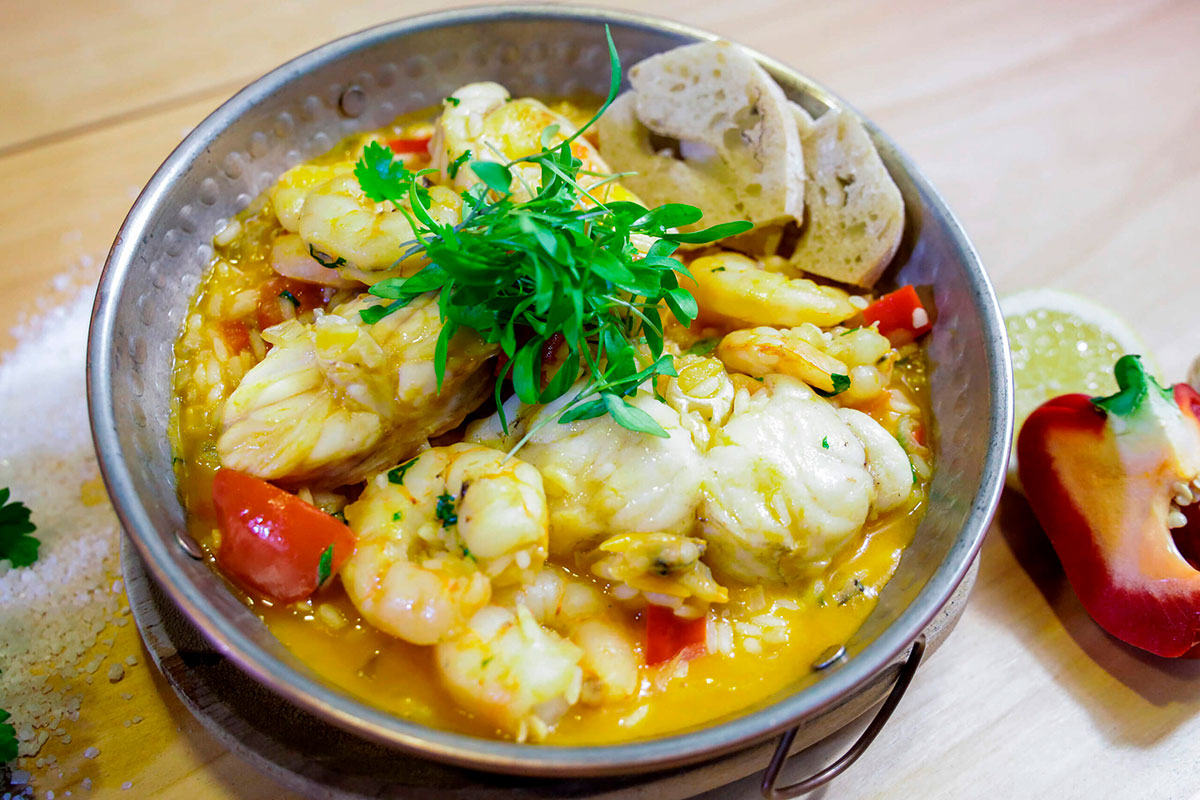
Arroz de Tamboril: Monkfish Rice, Lisbon StyleLisbon’s cuisine is a love letter to the sea, and few dishes capture that romance better than Arroz de Tamboril—a rich, risotto-style rice dish made with monkfish. Known for its firm, lobster-like texture, monkfish (“tamboril” in Portuguese) is the star of this hearty yet elegant meal, which blends the bold flavors of the ocean with the warmth of home-cooked comfort food.
The preparation of Arroz de Tamboril starts with a flavorful base of onions, garlic, tomato, and bell pepper sautéed in olive oil. Arborio or Carolino rice is then simmered slowly in a fish broth, absorbing every bit of that ocean essence. The monkfish chunks are added mid-way to maintain their tenderness, while a dash of fresh coriander at the end brings brightness to the dish.
Unlike paella, this rice is meant to be moist—almost creamy—and is typically served steaming hot in a clay pot. Some variations include shrimp, clams, or mussels, but the monkfish always takes center stage.
You’ll find this dish in many of Lisbon’s marisqueiras (seafood restaurants), particularly in neighborhoods like Alfama and Belém where the maritime spirit of the city feels especially alive. At restaurants such as Cervejaria Ramiro or Solar dos Presuntos, Arroz de Tamboril is often paired with a chilled white Vinho Verde or a crisp Portuguese rosé.
Arroz de Tamboril isn’t just a meal—it’s a story of Lisbon’s bond with the sea, told in every savory, saffron-tinted bite.
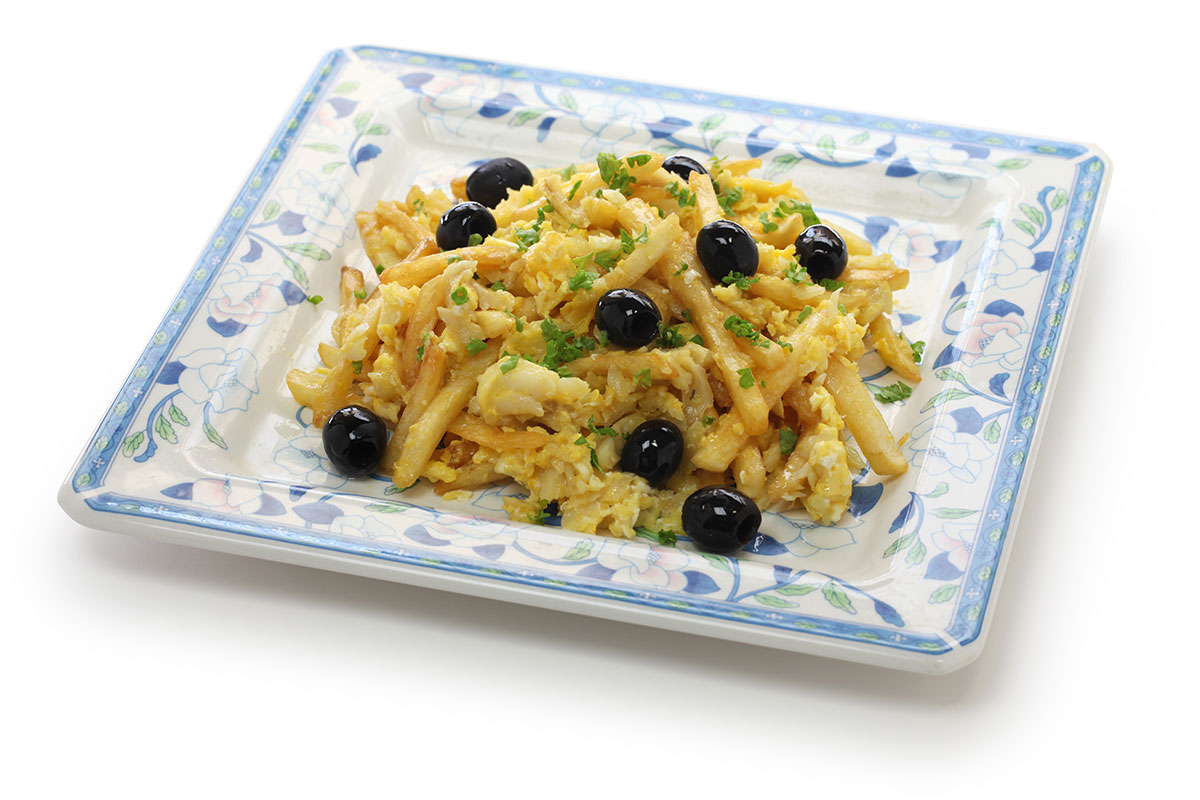
Bacalhau à Brás: A Cod Classic with a TwistNo discussion of Portuguese seafood would be complete without bacalhau, the beloved dried and salted codfish that holds an almost sacred place in the country’s culinary heart. Among the many ways to prepare it, Bacalhau à Brás is one of the most inventive and comforting.
Originating in the Bairro Alto district of Lisbon, this dish is a flavorful jumble of shredded bacalhau, finely cut straw potatoes, and scrambled eggs, all sautéed together until creamy and golden. It’s topped with black olives and chopped parsley for contrast, both visually and in taste.
The dish is celebrated not only for its rich taste but also for its humble origins. It was likely created by a tavern owner named Brás (or Braz) who wanted to make use of leftover cod in a way that was both frugal and filling. What he created, though, turned into a national favorite—served everywhere from homestyle diners to upscale restaurants.
For tourists, Bacalhau à Brás offers a perfect entry point into Portugal’s bacalhau obsession, which is said to include over 365 different recipes—one for each day of the year. The dish’s unique texture—a blend of creamy eggs and crispy potato—surprises and delights first-time eaters, making it a must-try during any Lisbon culinary adventure.
You can find authentic versions in classic spots like A Licorista O Bacalhoeiro or Adega da Tia Matilde, where it’s prepared the traditional way, using soaked and desalted bacalhau and locally grown potatoes. For a truly immersive experience, combine a day of fishing with a cooking class where you can learn to prepare Bacalhau à Brás using your own catch.
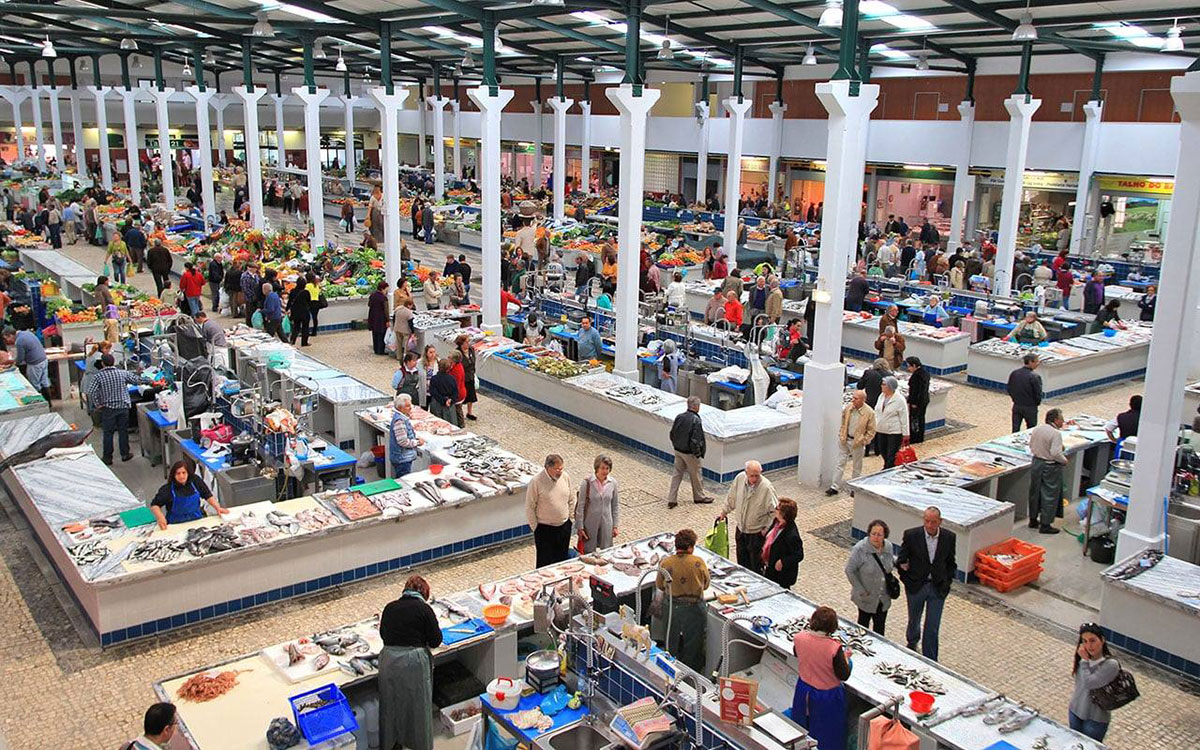
One of Europe’s most dazzling seafood markets, Mercado do Livramento in Setúbal is a destination in itself. More than just a market, it’s a cultural institution—a vibrant blend of commerce, tradition, and community spirit that captures the essence of the region’s fishing heritage.
Step inside, and you’ll be greeted by a colorful array of the freshest seafood imaginable: gleaming sardines, monstrous monkfish, octopuses curled over crushed ice, and piles of glistening shellfish. Everything here is caught by local fishermen, many of whom sell their catch directly to buyers, creating an intimate, transparent chain from ocean to plate.
But what makes Mercado do Livramento even more special is its stunning architecture and interior design. The market walls are adorned with over 5,000 hand-painted azulejos (traditional Portuguese tiles), depicting the lives of fishermen and farmers in intricate blue-and-white scenes. It’s a visual love letter to Setúbal’s working class, and a reminder of how deeply fishing is woven into the region’s identity.
For foodies, the market is heaven. Beyond the fish stalls, you’ll find vendors offering local wines, cheeses, olive oils, and spices—everything you need for a gourmet picnic. Some stalls even serve ready-to-eat seafood dishes, giving you a chance to sample freshly grilled fish or octopus salad right on the spot.
ToursXplorer.com often includes guided visits to this market in their tour packages, especially for groups interested in cooking or gastronomy. It’s a hands-on way to connect with the culture, meet the people behind the products, and appreciate the art of choosing the perfect catch.
Mercado da Ribeira in LisbonIn Lisbon, the legendary Mercado da Ribeira—also known as Time Out Market—offers a more contemporary take on the fish market experience. Located in the Cais do Sodré district, this historic market has been transformed into a bustling food hall where top chefs and traditional vendors coexist under one massive roof.
While the modernized market features gourmet food stalls and Michelin-starred pop-ups, it still retains its roots as a fresh market. In the mornings, the eastern wing is alive with local vendors selling freshly caught fish, crustaceans, and mollusks. The range is impressive, from glistening seabass and sole to plump clams and razor-sharp percebes (gooseneck barnacles).
For travelers, it’s the perfect opportunity to observe how local chefs and home cooks shop, selecting fish with a practiced eye and bargaining with trusted vendors. It’s also a place to discover new tastes—perhaps sampling an oyster shucked in front of you, or watching as a whole fish is expertly filleted on the spot.
After a morning of fish gazing, head to the food hall for a meal crafted by some of Lisbon’s best culinary minds. From sardine toast to sea urchin tacos, the offerings are as diverse as they are delicious.
Mercado da Ribeira bridges the gap between Lisbon’s seafaring past and its culinary future, making it a must-visit for anyone curious about the city’s gastronomic evolution.
Educational and Citizen Science Opportunities for Tourists Learning Through Fishing ToursA fishing trip in Lisbon or Setúbal isn’t just about the adrenaline rush of a catch—it’s also a chance to learn about marine life, fishing techniques, and sustainable practices from knowledgeable guides. ToursXplorer.com integrates education seamlessly into their excursions, offering guests a deeper understanding of the ocean environment and how we can protect it.
Guides explain not only what types of fish are being targeted but also their life cycles, habitats, and ecological roles. You might learn, for instance, why certain species are more abundant at different times of the year, or how tides influence feeding behavior. Children and adults alike benefit from this immersive approach, turning a fun outing into a meaningful educational experience.
Guests can also participate in hands-on demonstrations of gear usage, knot tying, and the proper techniques for handling and releasing fish. These practical skills are valuable not only for responsible fishing in Portugal but also for applying sustainable habits back home.
In some cases, fishing tours include marine wildlife spotting, allowing guests to observe dolphins, seabirds, or jellyfish in their natural environments. These bonus sightings further enrich the experience and enhance tourists' appreciation for the delicate balance of ocean ecosystems.
By the end of a tour, visitors walk away with more than just fish tales—they gain a newfound respect for marine biodiversity and the role they play in its preservation.
Contributing to Marine Research as a VisitorOne of the most innovative aspects of sport fishing in Lisbon and Setúbal is the integration of citizen science programs, where tourists can actively contribute to marine research. ToursXplorer.com partners with local universities and conservation organizations to turn everyday fishing experiences into data collection opportunities that support long-term ocean health.
Anglers may be asked to record:
Species caught and their measurements
Location data using GPS
Water conditions such as temperature and clarity
Catch-and-release outcomes, including signs of stress or recovery
This data helps scientists monitor fish populations, detect environmental changes, and identify the impacts of human activity on marine life. Over time, these insights contribute to better regulations and more effective conservation strategies.
Participants don’t need to be marine biologists—just curious, observant, and willing to log a few details during their trip. Not only does this foster a deeper connection to the environment, but it also gives travelers a chance to leave a positive legacy in the places they visit.
In some instances, visitors may even receive updates on how their data contributed to ongoing research projects, giving them a sense of pride and involvement in protecting the waters they came to enjoy.
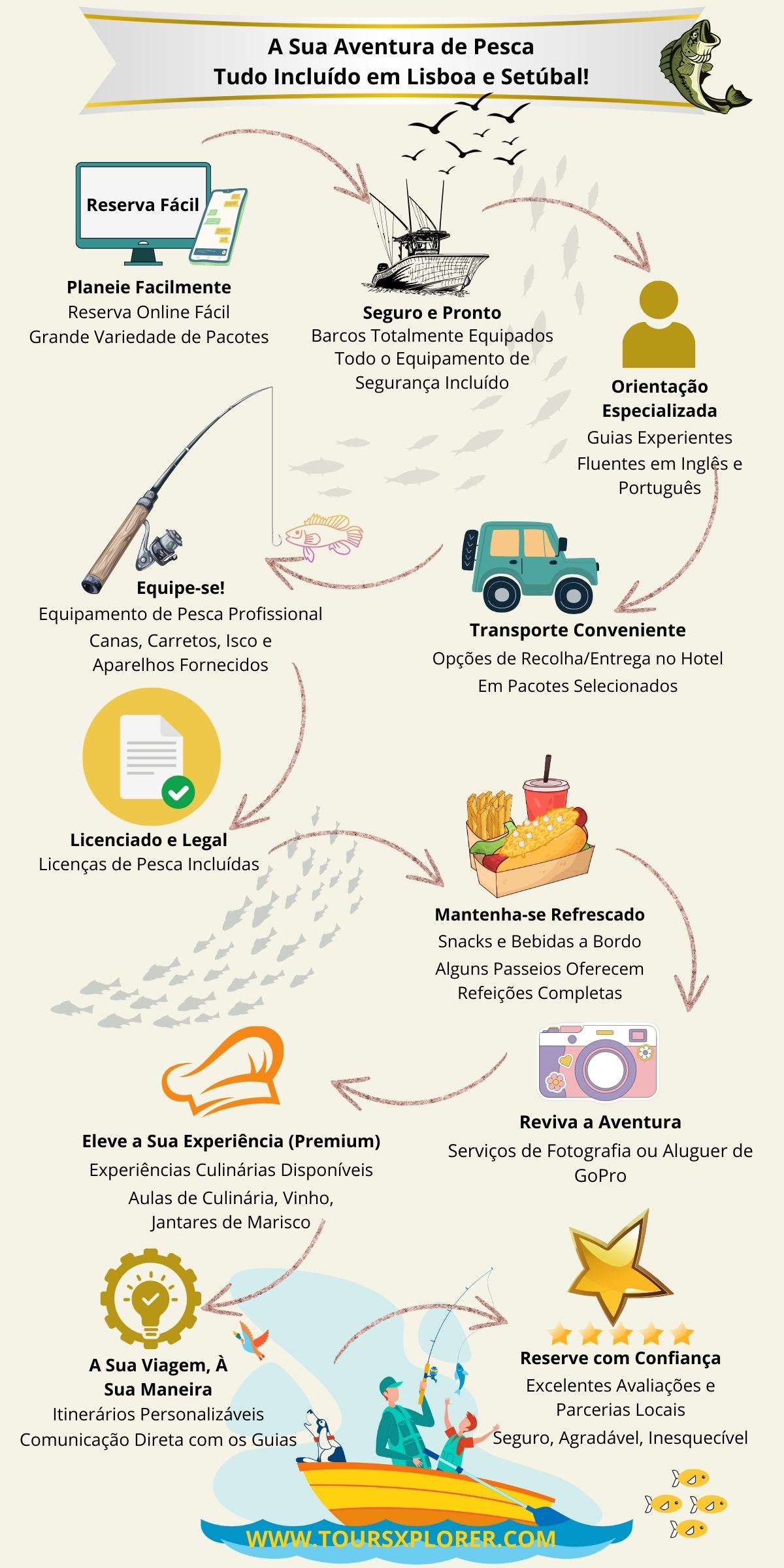
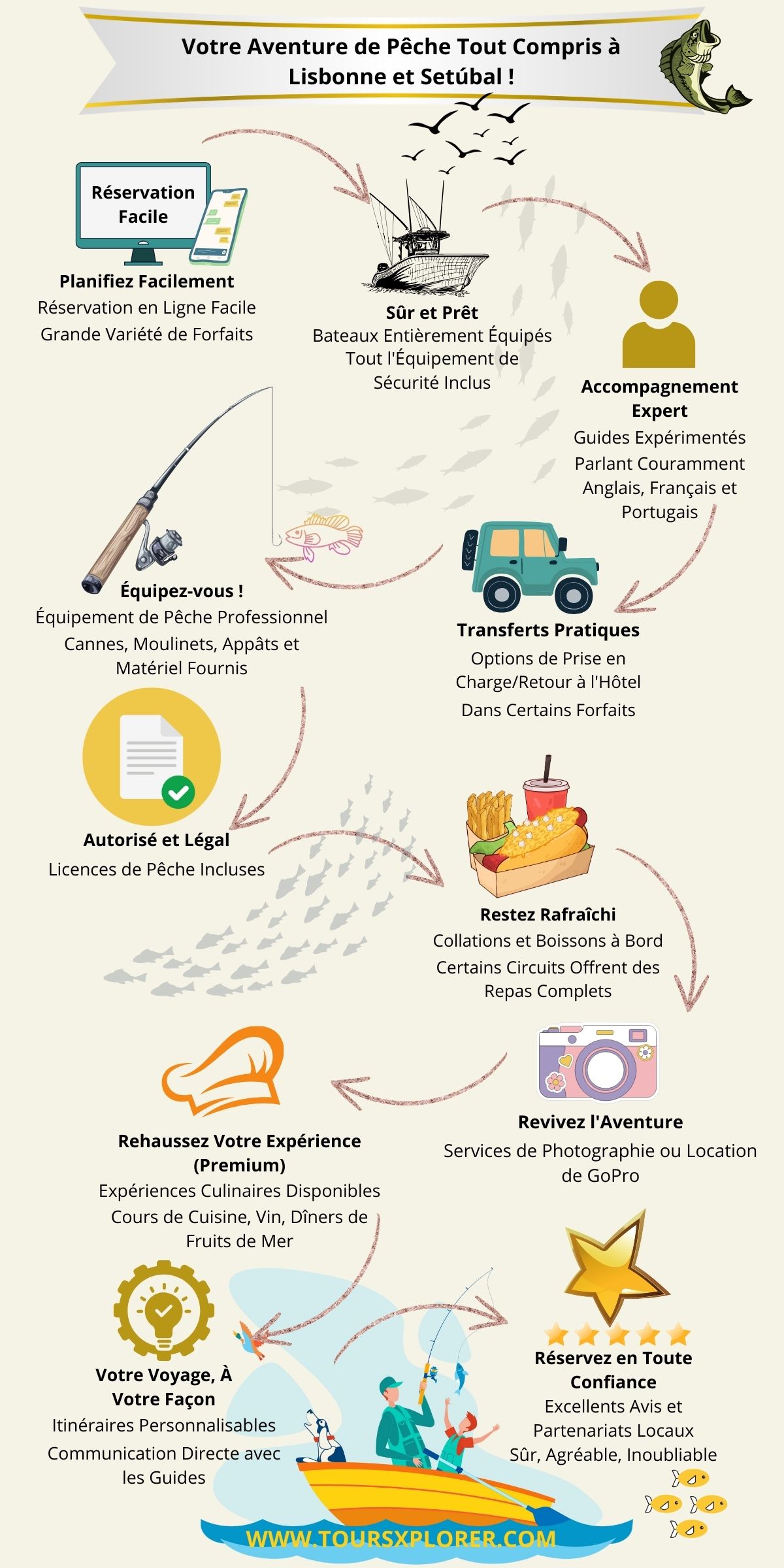
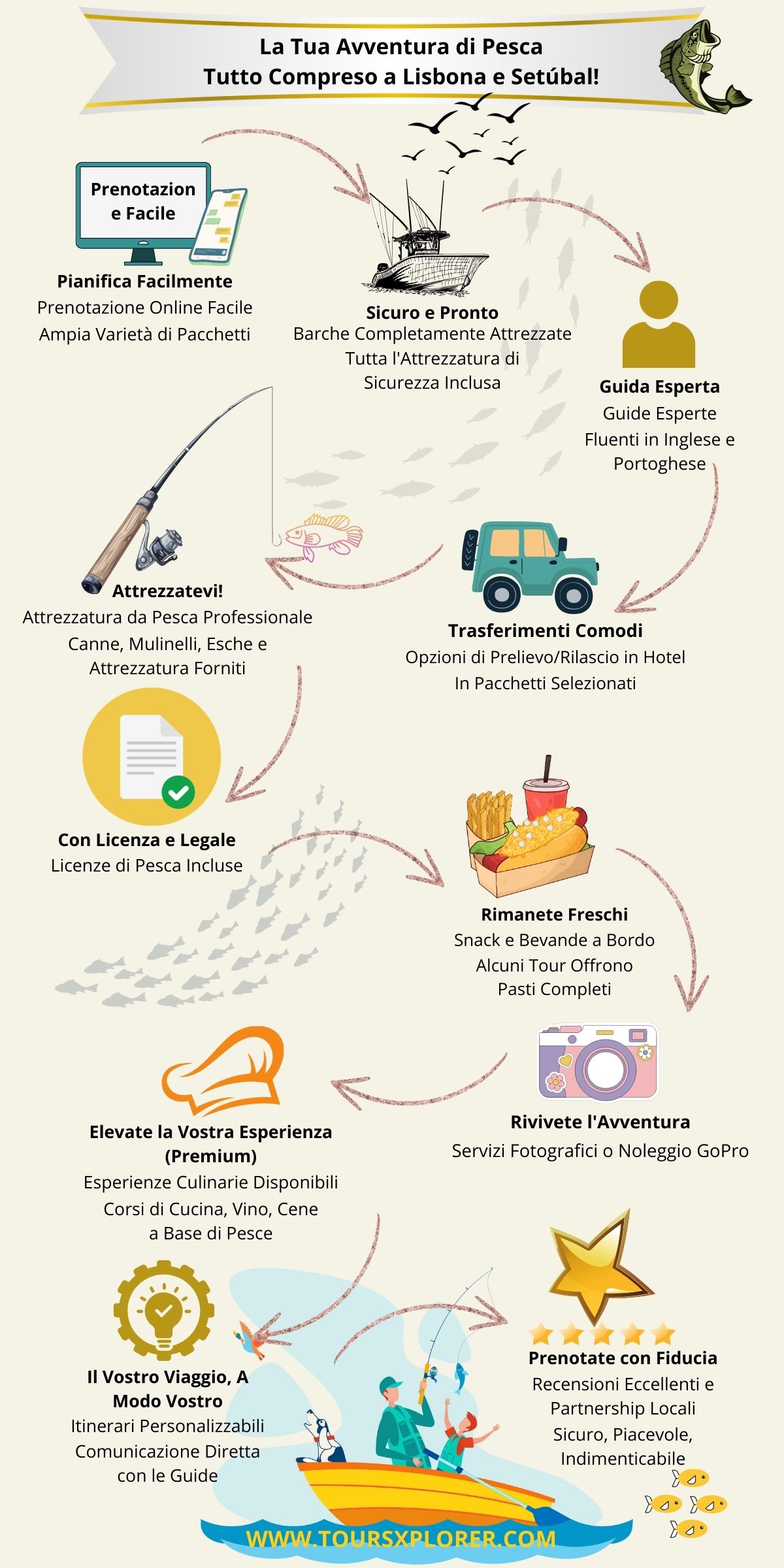
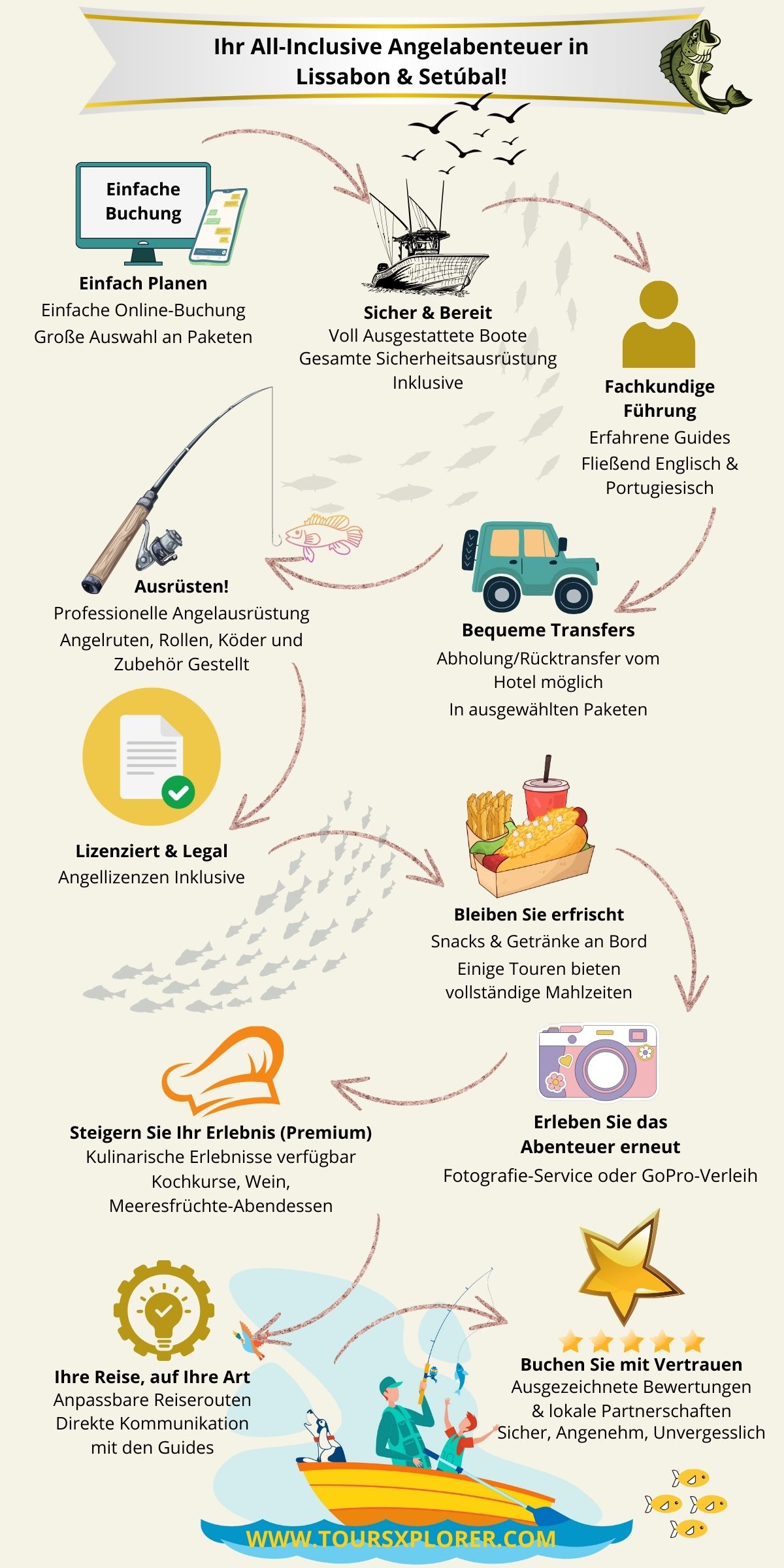
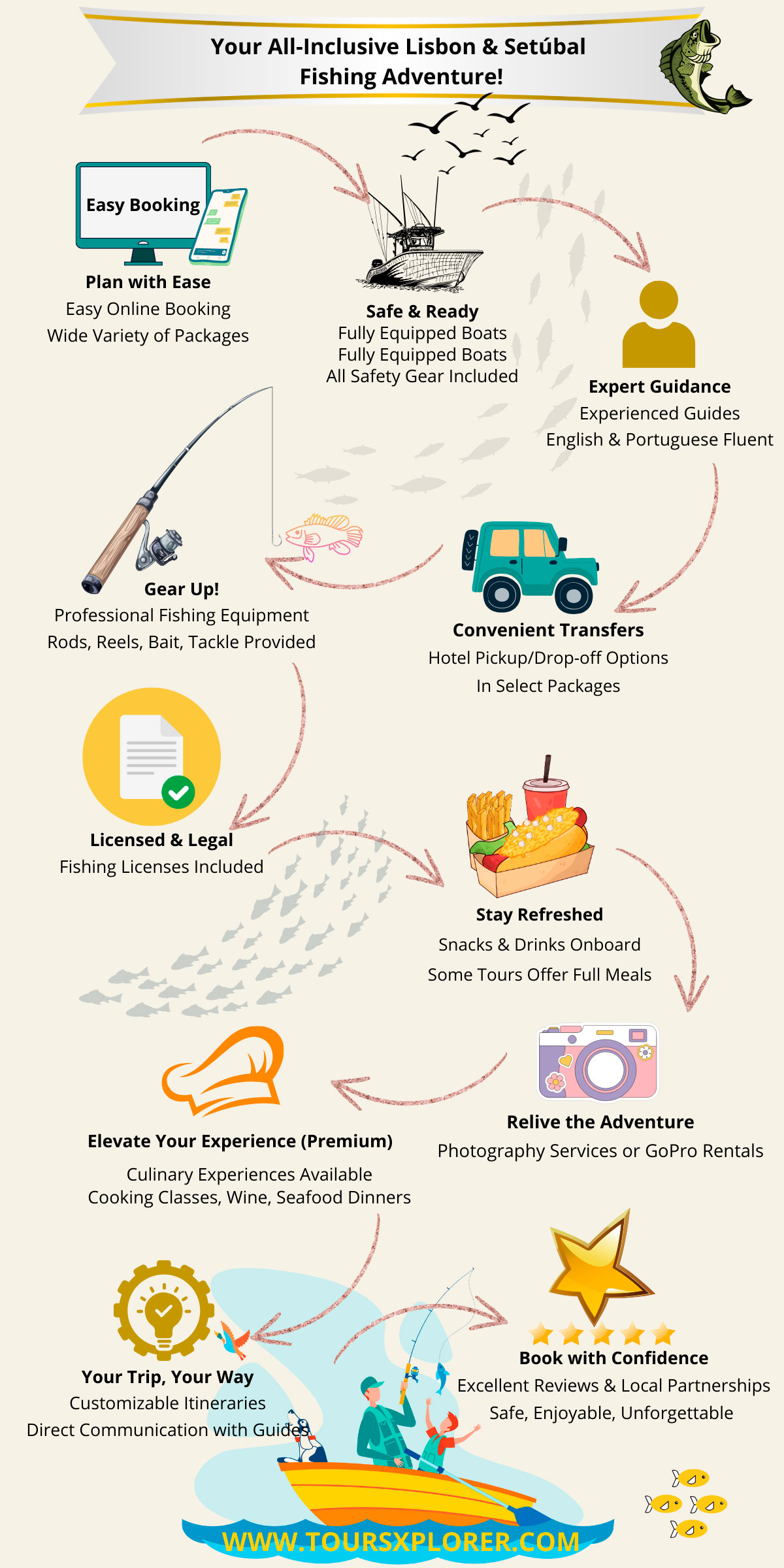
Planning your dream fishing trip in Lisbon or Setúbal is incredibly easy with ToursXplorer.com, which offers a wide variety of all-inclusive packages designed to suit every angler—from total beginners to die-hard enthusiasts.
Here’s what you can typically expect from a standard tour:
Fully equipped boats with all safety gear
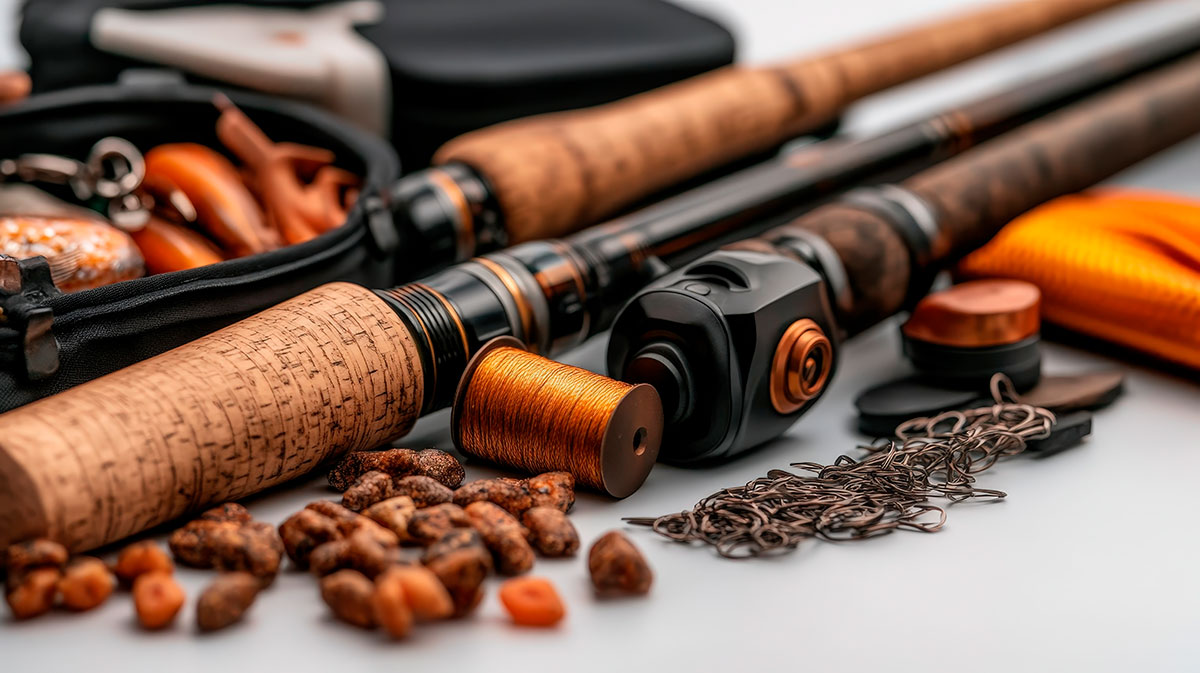
Professional fishing equipment, including rods, reels, bait, and tackle
Experienced guides fluent in English and Portuguese
Snacks and drinks onboard (with some tours offering full meals)
Fishing licenses included for all guests
Hotel pickup/drop-off options in select packages
Photography services or GoPro rentals to capture your adventure
Some premium tours also include culinary experiences, such as cooking classes, wine tastings, or seafood dinners at local restaurants using your fresh catch. Whether you want a half-day family outing or a full-day offshore expedition, ToursXplorer.com ensures everything is handled with professionalism and personal flair.
The site also allows for easy online booking, transparent pricing, and direct communication with guides to customize your itinerary. Their excellent reviews and local partnerships further guarantee that your experience will be safe, enjoyable, and unforgettable.
Best Times to Visit and What to ExpectWhile fishing is possible year-round in Portugal, certain times of the year offer better conditions depending on what species you hope to catch:
Spring (March to May): Ideal for sea bass, mackerel, and black bream.
Summer (June to August): Peak season for tuna, marlin, and dorado.
Autumn (September to November): Great for bottom-feeders like grouper and snapper.
Winter (December to February): Perfect for conger eel, and other cold-water species.
Weather conditions are generally mild throughout the year, but always check with your tour operator about sea conditions before booking. In summer, sea breezes and warm waters make for idyllic fishing weather, while winter offers calm, crowd-free experiences for those seeking tranquility.
When preparing for your trip, bring sunscreen, a hat, comfortable shoes, and a sense of adventure. ToursXplorer provides the rest, including any necessary fishing permits and safety instructions.
Fishing in Lisbon and Setúbal with ToursXplorer.com is more than a recreational activity—it’s an unforgettable fusion of sport, sustainability, and cultural immersion. Whether you’re reeling in a powerful tuna off the coast, learning about traditional fishing pots in Setúbal, or enjoying a sizzling plate of Choco Frito at a seaside café, every moment connects you more deeply with the ocean and the people who live by it.
The commitment to eco-friendly practices, support for local communities, and focus on cultural heritage make these fishing adventures not only enjoyable but also responsible. It’s travel with intention—where your fun supports conservation, education, and sustainable tourism.
So whether you're a seasoned angler or just someone who loves the sea, pack your curiosity and your spirit of adventure. Let the waters of Lisbon and Setúbal show you the thrill of the catch, the richness of local traditions, and the joy of fishing with purpose.
1. Do I need a fishing license to join a sport fishing tour in Lisbon or Setúbal?
Yes, when you book through ToursXplorer.com, all necessary fishing licenses are arranged before you start the fishing tour.
2. What happens if the weather is bad on the day of my tour?
In the case of poor weather, ToursXplorer will either reschedule your trip or offer a full refund, depending on your preference and availability.
3. Is sport fishing suitable for children and beginners?
Absolutely! Many ToursXplorer trips are family-friendly and beginner-oriented. Guides provide all the necessary instruction and equipment.
4. Can I keep the fish I catch?
In many cases, yes—especially for non-protected species. However, some tours practice catch and release for sustainability reasons, especially in marine protected areas.
5. What should I bring for my fishing tour?
Wear comfortable, weather-appropriate clothing, and bring sun protection like hats and sunscreen. Everything else—gear, bait, snacks, and more—is provided by the tour operator.