




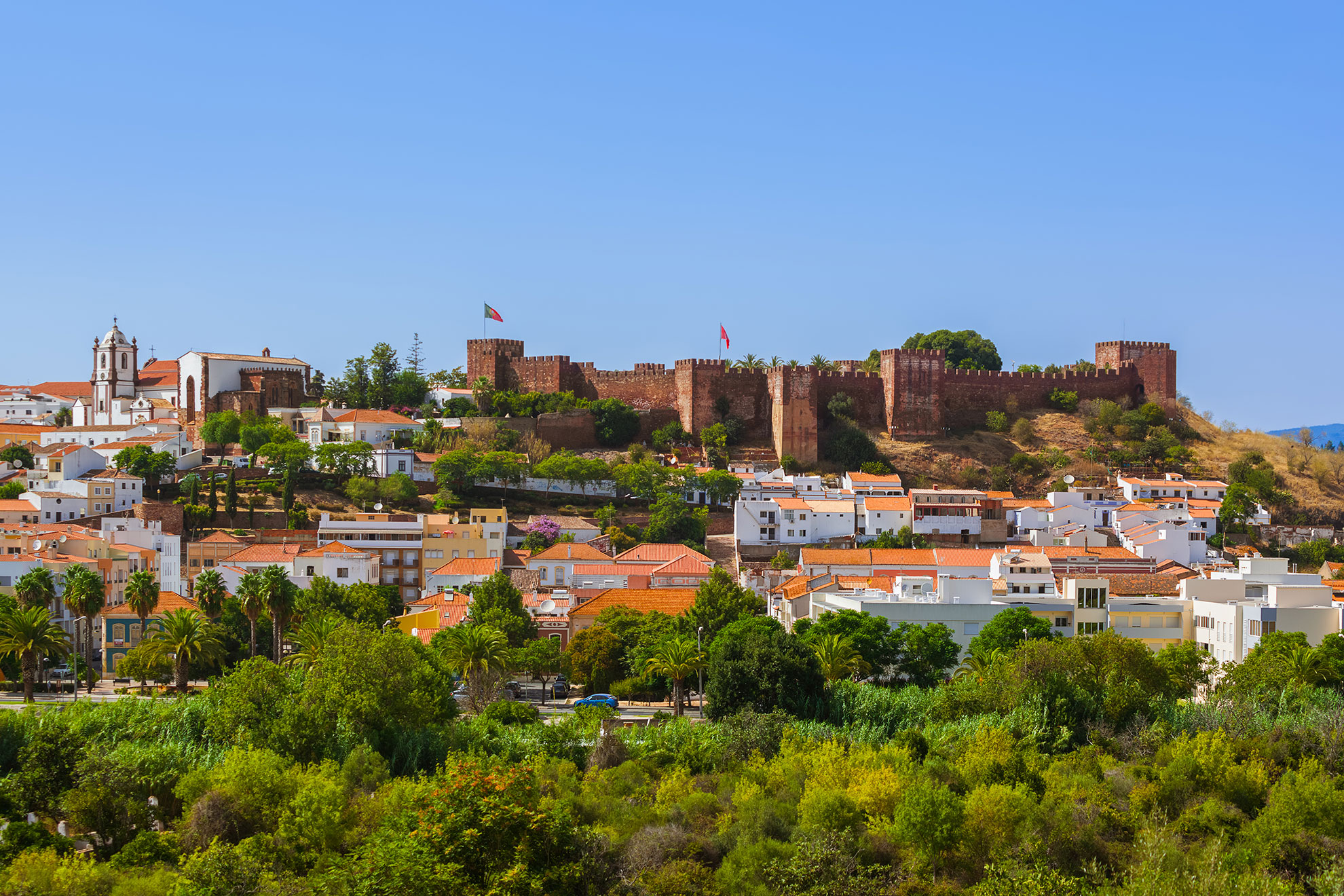
The terracotta ramparts of Castelo de Silves rise above the citrus-scented Arade valley — the best-preserved Moorish fortification in Portugal.
The Moorish Capital
Crimson Castles and River Rhythms: Unveiling the Timeless Charms of Silves
Where terracotta ramparts, a slow river passage, and the scent of vine-covered valleys conspire to tell the Algarve's oldest story.
Thirty kilometres inland from the bleached shoreline of the Algarve, where the citrus groves begin and the tourist coaches grow sparse, Silves sits on a hillside as it has for three thousand years — fortress above, river below, the smell of carob and wild thyme drifting through its narrow lanes. Once the opulent capital of a Moorish kingdom wealthier than Lisbon, today the city is the Algarve's most persuasive argument for looking inland.
The contrast with the coast is immediate and intentional. Silves rewards patience. Its red sandstone castle — the Grés de Silves, that distinctive iron-rich stone quarried from the surrounding hills — glows amber in the morning and deep copper at dusk. The Gothic cathedral beside it, the Sé de Silves, carries the scars of conquest: built over a mosque, rebuilt after the earthquake of 1755, its rough-hewn nave still carries a solemnity that no restoration has erased. Walking between the two, along streets that pitch and turn without logic, you understand why historians have called Silves the Algarve's open-air museum. Nothing here is reconstructed for tourists. It simply persisted.
"The Moors called it Chelb, and at its height it rivalled Seville in scholarship, poetry, and trade — a city where the Arade River delivered silk, copper, and carved ivory to a hillside court."
The Arade River is still the most atmospheric way to arrive in Silves, as the Phoenicians and the Moors did before modern roads made the journey prosaic. Departing from Parchal, near Portimão, a flat-bottomed boat threads past reed beds and salt marshes where little egrets stand perfectly still in the shallows. The river narrows as it curves northward, the landscape shifting from coastal estuary to a valley dense with orange and lemon trees. When the castle towers finally appear above the treeline, the effect is genuinely arresting — a fortified grandeur that no road approach quite prepares you for.
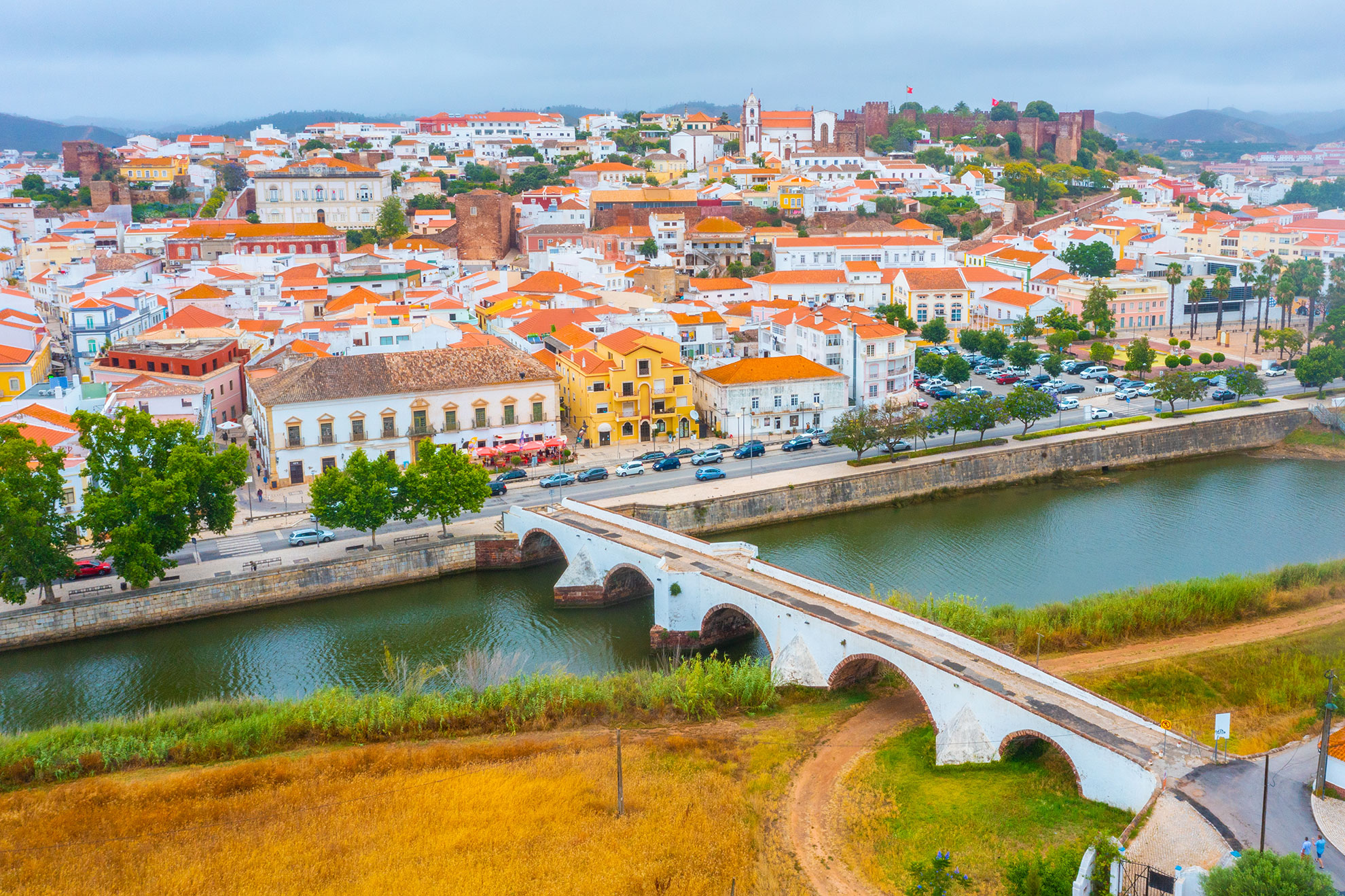
The Arade River approach to Silves mirrors the ancient Phoenician and Moorish trading routes — reed beds and citrus groves give way to the castle's copper silhouette.
A City Built to Endure
The Castelo de Silves is not merely the largest Moorish fortification surviving in Portugal — it is among the most structurally coherent in the Iberian Peninsula. The circuit walls, reinforced with rectangular towers at regular intervals, enclose an area large enough to suggest the scale of the medieval medina that once sheltered within them. Archaeologists have uncovered cisterns, wells, and a Moorish-era dungeon still visible beneath a protective canopy. The views from the battlements take in the entire Arade valley, the Serra de Monchique rising blue and forested in the distance, and on clear days, the coast glittering at the horizon. Entry is affordable and the site rarely crowded before ten in the morning.
Immediately below the castle walls, the Cathedral of Silves occupies a plot of geological and spiritual importance. Its foundation stones rest on the remains of the principal mosque of the Moorish city, which itself was likely built over a Visigothic church. The nave's stone is the same red grés as the castle, lending the interior an unusual warmth for a Gothic space. Several of the tombs belong to crusaders who died during the 1189 siege of Silves — knights from Northern Europe who came south with Dom Sancho I and never returned home. Their epitaphs, worn smooth by centuries, are among the quieter forms of history the city keeps.
Arriving on the Arade — River Tours to Silves
The Wine Country Behind the Walls
Silves sits at the geographic and cultural heart of the Algarve's wine-producing region, a fact that surprises many visitors accustomed to associating Portugal's viticulture exclusively with the Douro or Alentejo. The soil here — a mix of schist and clay, moderated by Atlantic breezes funnelled inland through the Arade valley — produces grapes with notable freshness and aromatic complexity. The local red varieties, particularly Negra Mole and Castelão, yield wines with the kind of earthy, sun-dried character that suits slow afternoons on terracotta terraces. White and rosé expressions from the region have been gaining consistent recognition at national competitions over the past decade.
"The Algarve's wine country is its best-kept culinary secret — the same sea breeze that cools the beaches keeps the Silves vineyards from the excesses of inland heat."
The quintas — estate farms — around Silves tend to be family-run operations where the winemaker is often the person pouring your glass. Cellar visits typically include a walk through the fermentation room and barrel store before settling at a shaded table for a structured tasting of four to six wines, sometimes paired with local cheeses, fig preserve, and carob-based sweets. The experience has none of the choreographed efficiency of larger wine regions; time moves differently here, and that is precisely the point.
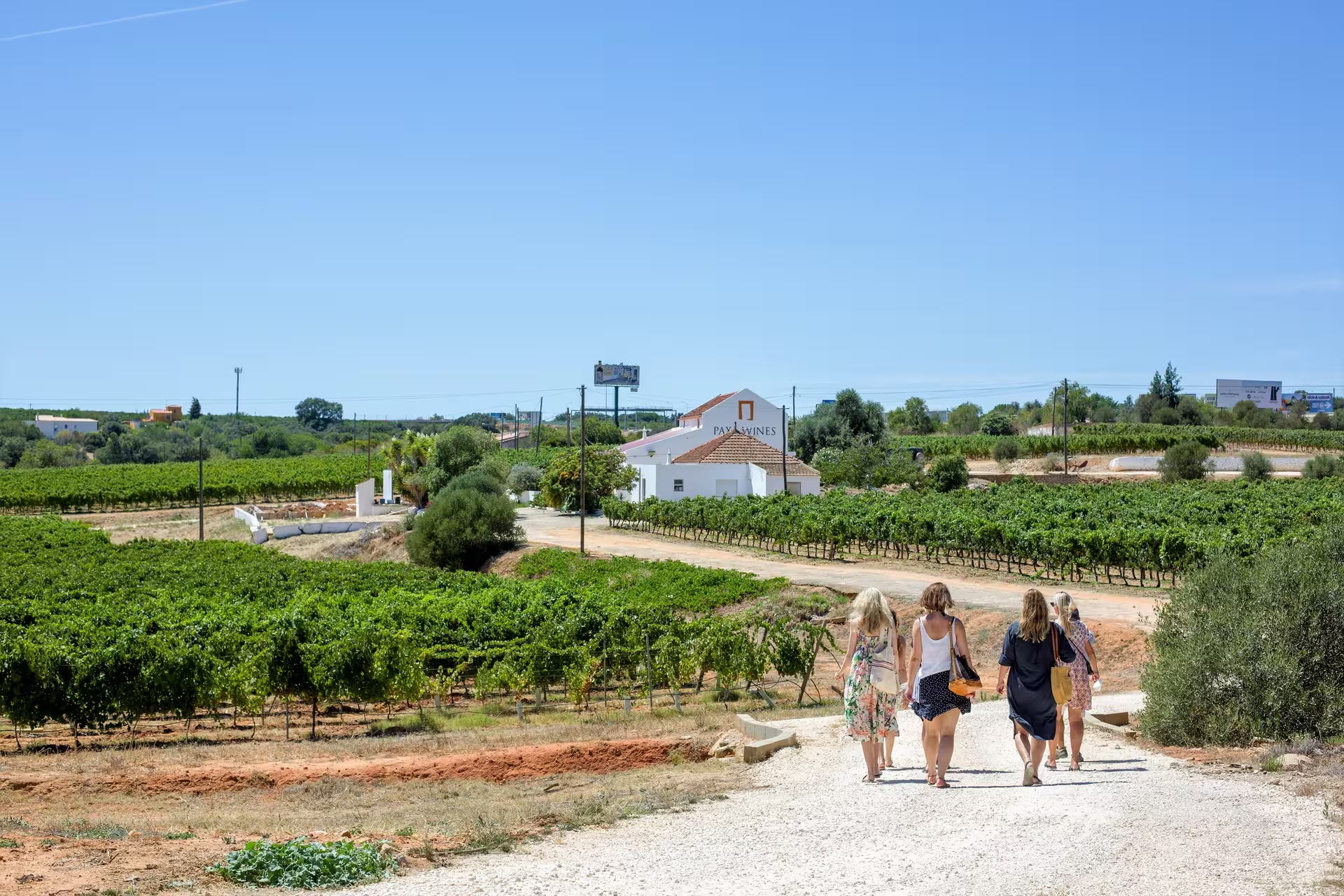
The vineyards around Silves benefit from fertile alluvial soil and Atlantic-moderated temperatures — conditions that produce aromatic whites and structured reds with genuine regional character.
Vineyard & Wine Experiences Near Silves
Silves rewards exploration beyond the castle gates — river journeys, vineyard afternoons, and the Serra de Monchique all within reach. Browse every available tour and experience departing from or visiting Silves.
Explore all Silves tours →The Serra and the Summit: Escaping Higher Still
For those inclined to push further into the Algarve interior, the Serra de Monchique begins just north of Silves, its eucalyptus and pine forests climbing to Foia Peak at 902 metres — the highest point in the entire Algarve. The road up is sinuous and genuinely scenic, passing through the spa village of Caldas de Monchique, where ferruginous spring water has been bottled since the 17th century and the streets retain a faded thermal-resort elegance. A full-day excursion combining Silves and Monchique gives a complete cross-section of the Algarve that most coastal visitors never encounter: from the Moorish river city to the mist-edged mountain summit, with lunch somewhere in the middle involving medronho — the local strawberry-tree brandy — if the day calls for it.
Inland Day Trip — Silves, Cathedral & Monchique
When to Visit and How to Move Around
Silves is a year-round destination, but the shoulder seasons — late March through May, and September through November — offer the most comfortable conditions for walking the castle ramparts and touring vineyards. Summer temperatures in the Algarve interior regularly exceed 35°C by mid-afternoon; visiting in the cooler months also means the city's lanes and monuments are noticeably quieter. The annual Medieval Fair, held each August, transforms the historic centre into a period market with jousting, craft demonstrations, and open-air theatre, drawing crowds from across the region. If your visit coincides, it is worth planning for — but book accommodation well in advance.
Silves is accessible by train from Lagos and Faro on the regional Algarve line, with the station sitting at the foot of the hill, a ten-minute walk from the castle. By car from the EN125 coastal road, the journey takes around 20 minutes from Portimão. Most river tours depart from Parchal or Portimão quayside and include transfer arrangements, making a boat-and-walk combination perfectly manageable without a rental car.
Whether you arrive by river, road, or rail, Silves has a tour to suit the pace you want to set. View the full selection of guided experiences, from private boat charters to vineyard tastings and mountain day trips.
See all Silves experiences →Frequently Asked Questions About Silves
Is Silves Castle worth visiting if you have already seen other Moorish sites in Portugal?
Yes, meaningfully so. The Castelo de Silves is structurally distinct from the Moorish remains at Sintra or Mértola — its construction in local red sandstone gives the walls a colour and texture found nowhere else in Portugal. The interior archaeological site, including the cistern and dungeon, adds depth that purely decorative restorations lack. Allow 90 minutes to two hours for a thorough visit.
How long does the Arade River boat trip take, and is it suitable for children?
The upstream journey from Parchal to Silves typically takes between 60 and 90 minutes depending on the vessel and tide conditions. The river is calm, sheltered from open-sea swell, and the wildlife sightings — herons, egrets, and occasionally kingfishers — tend to hold children's attention well. Most operators offer shaded seating and refreshments on board. Check individual tour listings for age restrictions, which vary by operator.
Do I need prior wine knowledge to enjoy a vineyard tour near Silves?
None at all. The estate tours at Paxa and similar quintas are designed for visitors at any level of familiarity with wine. Guides explain regional grape varieties, winemaking methods, and tasting notes in accessible terms. The atmosphere is informal — these are working family farms, not prestige houses. Curiosity is sufficient preparation.
Can I combine a river tour and a castle visit in a single day?
Comfortably. Most Arade River boat tours arrive at the Silves quayside with two to three hours of free time before the return journey. That is sufficient to walk up to the castle and cathedral, have lunch in the old town, and return to the boat with time to spare. Some operators include a brief guided introduction to the town as part of the package — check the tour details before booking.
What is the best base for visiting Silves if I am staying on the coast?
Portimão and Lagos are the most convenient coastal bases — both are within 30 minutes by car and well-connected by the regional train line, which stops at Silves station. Albufeira is also manageable. River tours departing from Parchal effectively solve the transport question by making the river itself the journey, eliminating the need to drive into the old town entirely.
Is the Silves and Monchique day trip tiring, and is it suitable for older travellers?
The day is full but not physically demanding — most of the movement between sites is by vehicle, with short walks at each stop. The castle ramparts involve some uneven cobblestones, and the Foia summit area requires a brief walk from the car park. Travellers with limited mobility should enquire with the specific operator about the level of walking required at each stop. The tour is generally manageable for older visitors in reasonable health.