




Rome Walking Tours & Cultural Guided Experiences: The Complete 2026 Guide
From ancient forums and sacred pilgrimage routes to cobblestone neighbourhood walks and street-food tastings, Rome rewards every curious walker.
Rome packs more than 2,700 years of layered history into a walkable city centre roughly five kilometres across. On foot, travellers move between Republican-era temples, Baroque piazzas, medieval alleyways, and neighbourhood markets in a single morning. A knowledgeable guide adds the dates, the dynasties, and the local knowledge that turns a pleasant stroll into an informed encounter with one of the world's most complex urban landscapes.
Why is Rome best explored on foot with a guide?
Rome's historic centre was built before the automobile and remains most legible at walking pace. The distance from the Pantheon to the Colosseum is roughly 1.5 kilometres, passing through layers of Imperial, medieval, Renaissance, and Baroque architecture with almost no transition. A guide contextualises that compression, explaining why a 2nd-century temple sits beside a 16th-century church or why a stretch of the ancient Aurelian Wall still defines a neighbourhood boundary.
Group tours follow fixed itineraries timed to 90-minute or two-hour windows. Private guided formats, by contrast, allow flexible pacing: longer stops at sites that genuinely interest the group, spontaneous detours into courtyards or markets, and real-time answers to questions that arise. For first-time visitors, a structured introduction to the Roman Forum and Palatine Hill provides chronological grounding. For repeat visitors, thematic walks focusing on the seven basilicas of the Christian pilgrimage circuit, neighbourhood food culture, or Baroque fountain design offer entirely different readings of the same city.
Rome is not one city but several cities built on top of each other. The street you walk today may follow the line of a Roman road laid down in the 3rd century BC, cross a medieval market square, and terminate at a 17th-century fountain commissioned by a pope seeking to outshine his predecessor.
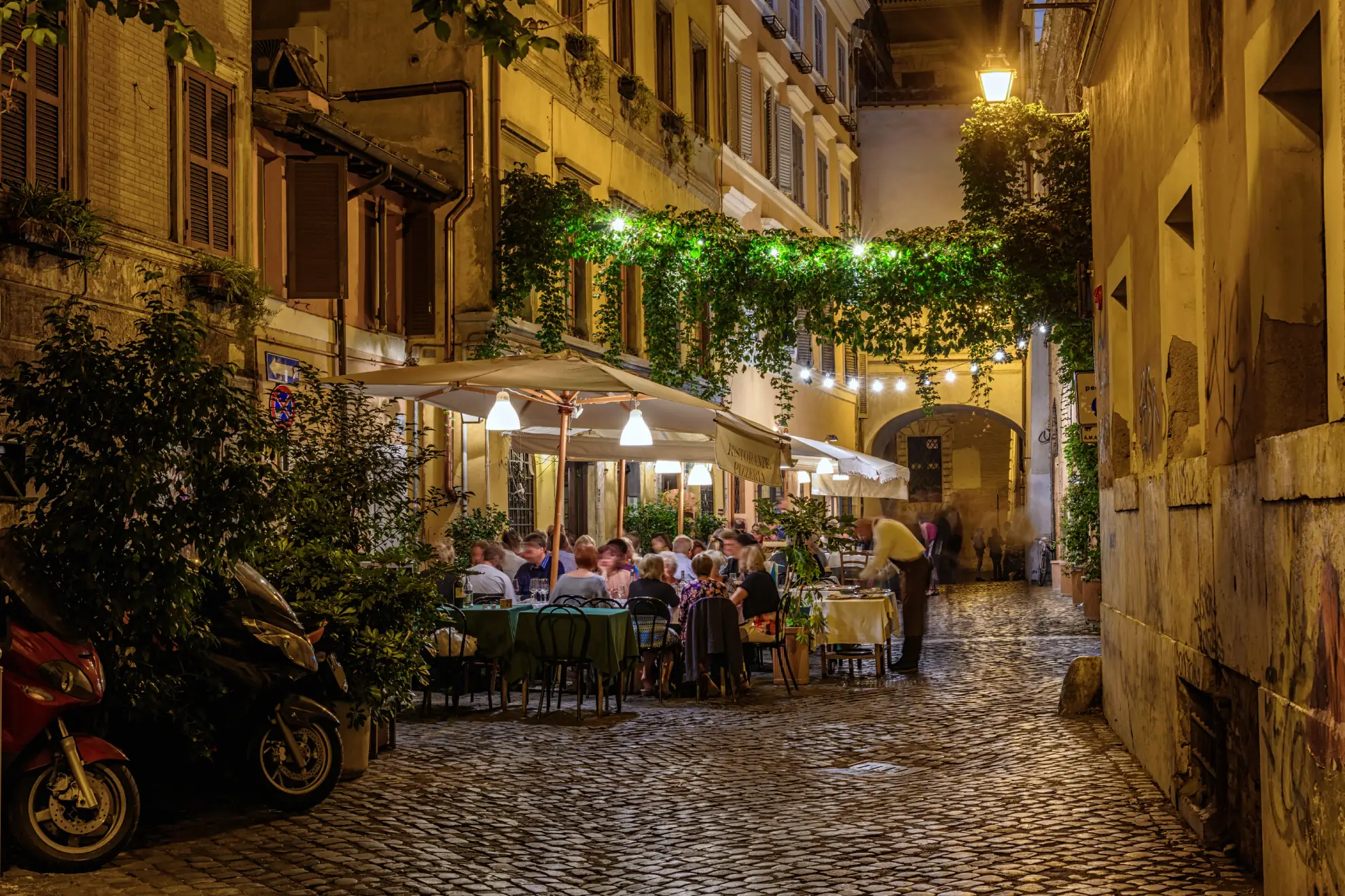
ToursXplorer lists walking experiences across Rome's core historic districts, including the Centro Storico, Trastevere, Testaccio, the Aventine Hill, and the Vatican neighbourhood. Each district has a distinct character and a distinct set of sites that repay a guided approach.
Private & Group Walking Tours in Rome
Browse all Rome walking tours on ToursXplorer and filter by private, group, food, or cultural theme to find the experience that matches your itinerary and group size.
Browse all Rome tours on ToursXplorerHow to Choose the Right Rome Walking Tour for Your Visit
The right walking tour depends on three variables: available time, thematic interest, and group composition. A two-hour group tour of Rome's fountains and squares suits travellers with a half-day window who want an efficient orientation to the city's Baroque street furniture without committing to a full-day programme. A private food tour suits small groups of two to six people who prefer a slower pace with substantive tastings and neighbourhood context over monument-to-monument progression.
Thematic focus is worth prioritising over geography. Rome's sites are dense enough that any guided walk of 90 minutes or more will pass multiple layers of history. A food-focused walk through Testaccio and the Centro Storico will still cross Roman-era ruins and medieval churches; the guide's framing determines whether those become incidental scenery or integral stops. Similarly, the seven holy churches route is simultaneously an art history tour, a walk through Early Christian topography, and a lesson in how the Counter-Reformation reshaped Rome's religious landscape between 1550 and 1650.
The seven basilicas of Rome's traditional pilgrimage circuit span a walking distance of roughly 22 kilometres when completed in full. Saint Philip Neri popularised the overnight version in 1552, turning what had been a penitential march into a social and devotional event that drew thousands of Roman citizens annually.
Travellers visiting Rome for the first time should consider a general orientation walk before booking specialist tours. Understanding where the Capitoline Hill sits relative to the Forum, or how the Aurelian Wall (built between 271 and 275 AD) defines the boundary of the ancient city, makes subsequent independent exploration significantly more productive. ToursXplorer's listings cover both introductory and specialist formats, and the private tour options allow itineraries to be adjusted based on prior knowledge and interest.
| Tour | Duration | Format | Best For | Key Highlights |
|---|---|---|---|---|
| Private Guided Tour of the 7 Holy Churches | Half or full day | Private | Religious heritage, art history, pilgrimage culture | San Giovanni in Laterano, Santa Croce in Gerusalemme, San Sebastiano al Palatino |
| Private Food Walking Tour | 3-4 hours | Private | Culinary travellers, small groups, neighbourhood culture | Testaccio market, supplì, pecorino tastings, historic bakeries |
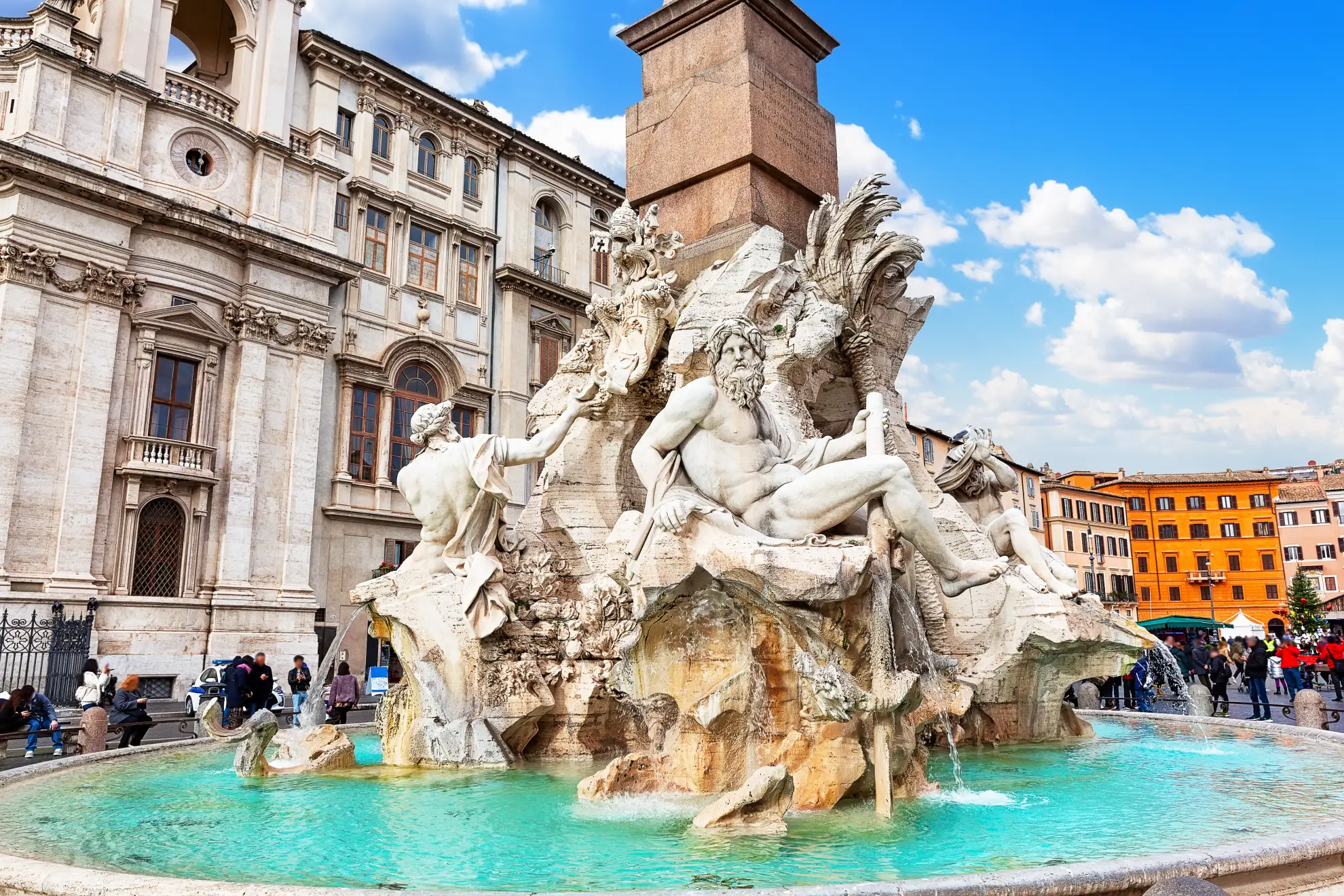
| Rome Fountains & Squares 2-Hour Tour | 2 hours | Group | First-time visitors, Baroque architecture fans, short itineraries | Trevi Fountain, Piazza Navona, Piazza di Spagna, Aqua Virgo aqueduct |
What to Know Before Your Rome Walking Tour
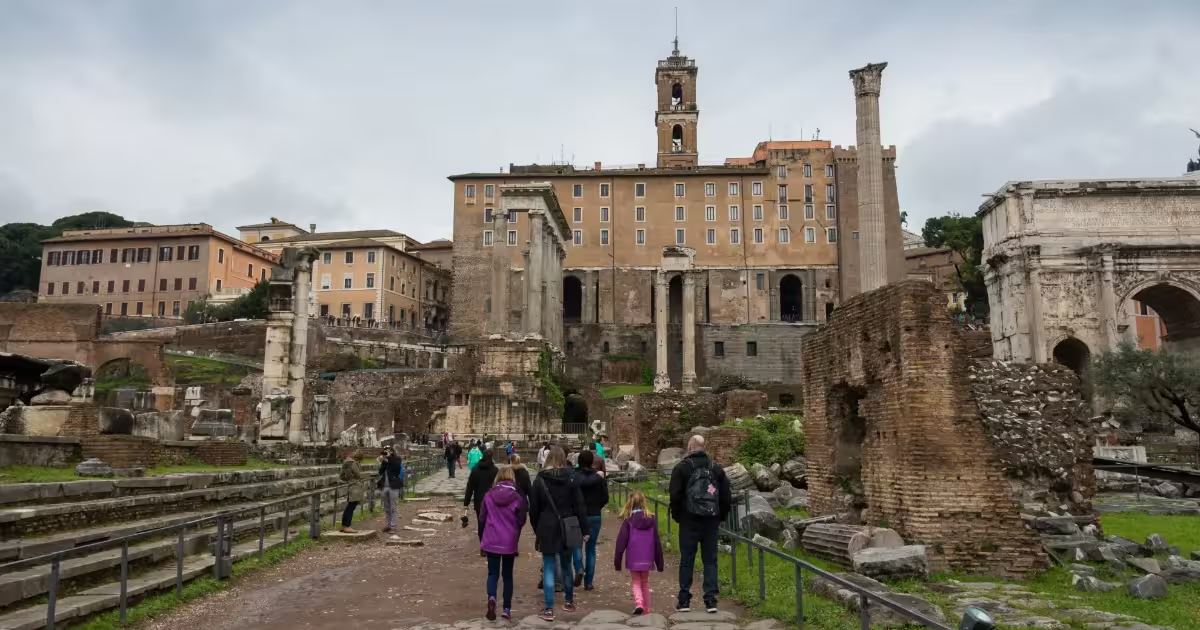
Rome's cobblestone streets and uneven ancient paving require comfortable, flat-soled walking shoes. Many of the city's most-visited sites, including the area around the Roman Forum (opened to systematic excavation in 1803) and the Palatine Hill, involve significant elevation changes over short distances. Summer temperatures in Rome regularly exceed 32 degrees Celsius in July and August, making early-morning starts preferable for multi-hour walks.
Dress codes apply at Rome's major basilicas, including San Giovanni in Laterano and the Basilica di San Paolo fuori le Mura. Shoulders and knees should be covered for entry. Most guides will brief participants in advance, but carrying a light scarf resolves the issue regardless of the season.
Private tour formats booked through ToursXplorer allow meeting points to be confirmed directly with the guide, which matters in a city where landmarks have multiple access points and peak-hour crowding around the Trevi Fountain or Piazza Navona can complicate rendezvous. Group tour meeting points are typically fixed at a clearly described location near the first stop.
Advance booking is recommended for all Rome walking tours, particularly between April and October when visitor numbers in the Centro Storico are at their highest. Private tours with a maximum of six to eight participants fill quickly during Easter week, when the seven holy churches route sees particular demand from travellers combining pilgrimage and cultural tourism.
Frequently Asked Questions
The area around the Roman Forum, Palatine Hill, and Circus Maximus covers the core of Imperial Rome within a walkable one-kilometre radius. Private guided tours that focus on this zone provide archaeological context that audio guides cannot replicate, explaining the chronological sequence of Republican and Imperial construction from roughly the 6th century BC through the 4th century AD. Booking a private format allows pacing suited to your level of interest.
Duration varies by tour type. The Rome Fountains and Squares guided tour runs two hours, covering major Baroque landmarks including Piazza Navona and the Trevi Fountain. Private food walking tours typically run three to four hours to allow time for tastings at multiple stops. The seven holy churches route can be completed as a half-day or full-day private experience depending on the pace and number of interior visits.
Private tours allow flexible pacing, personalised stops, and one-to-one interaction with the guide, which adds significant value in Rome where individual interests vary widely between visitors. A group of two to four people split the cost of a private tour, making the per-person difference modest. For thematic itineraries such as the seven holy churches or a food-focused neighbourhood walk, private formats allow the depth of engagement that group schedules cannot accommodate.
April through June and September through October offer the most comfortable walking conditions, with temperatures between 15 and 25 degrees Celsius and moderate visitor numbers. July and August bring heat above 32 degrees Celsius and large crowds at major sites. Winter tours from November through February have the advantage of shorter queues and lower prices, though some outdoor sites have reduced hours.
Advance booking is strongly recommended, particularly for private tours between April and October. Tours during Easter week, when the seven holy churches route is in particular demand, can fill several weeks ahead. Group tours like the two-hour Fountains and Squares walk have more availability but also sell out during peak periods. Booking through ToursXplorer confirms your guide and meeting point directly.
Flat, comfortable shoes are essential given Rome's cobblestone streets and uneven ancient paving. Visits to basilicas including San Giovanni in Laterano require covered shoulders and knees, so a light scarf or layer is practical year-round. In summer, a hat and water bottle are advisable for morning tours that extend past 10am, when temperatures begin to rise significantly in open piazzas and along exposed archaeological sites.