Peloponnese: A Journey Through History, Culture, and Adventure
Introduction: Discovering the Soul of Peloponnese
Welcome to the Peloponnese, a land where ancient history, rich culture, and breathtaking landscapes come together to create an unforgettable travel experience. Whether you’re a history enthusiast eager to walk in the footsteps of legendary warriors, a culture lover seeking authentic Greek traditions, or an adventure seeker yearning for rugged landscapes, this southern Greek gem has something for everyone.
Imagine standing before the mighty ruins of Mycenae, exploring the medieval castles of Monemvasia, indulging in a spread of meze at a local horio (village), or trekking through the dramatic landscapes of Mani—this is Peloponnese in all its glory.
Let’s embark on a journey through this fascinating region, uncovering its past, embracing its traditions, and venturing into the wild beauty that defines its soul.
1. A Timeless Tapestry: The Historical Significance of Peloponnese
1.1 Mycenae: The Land of Legends
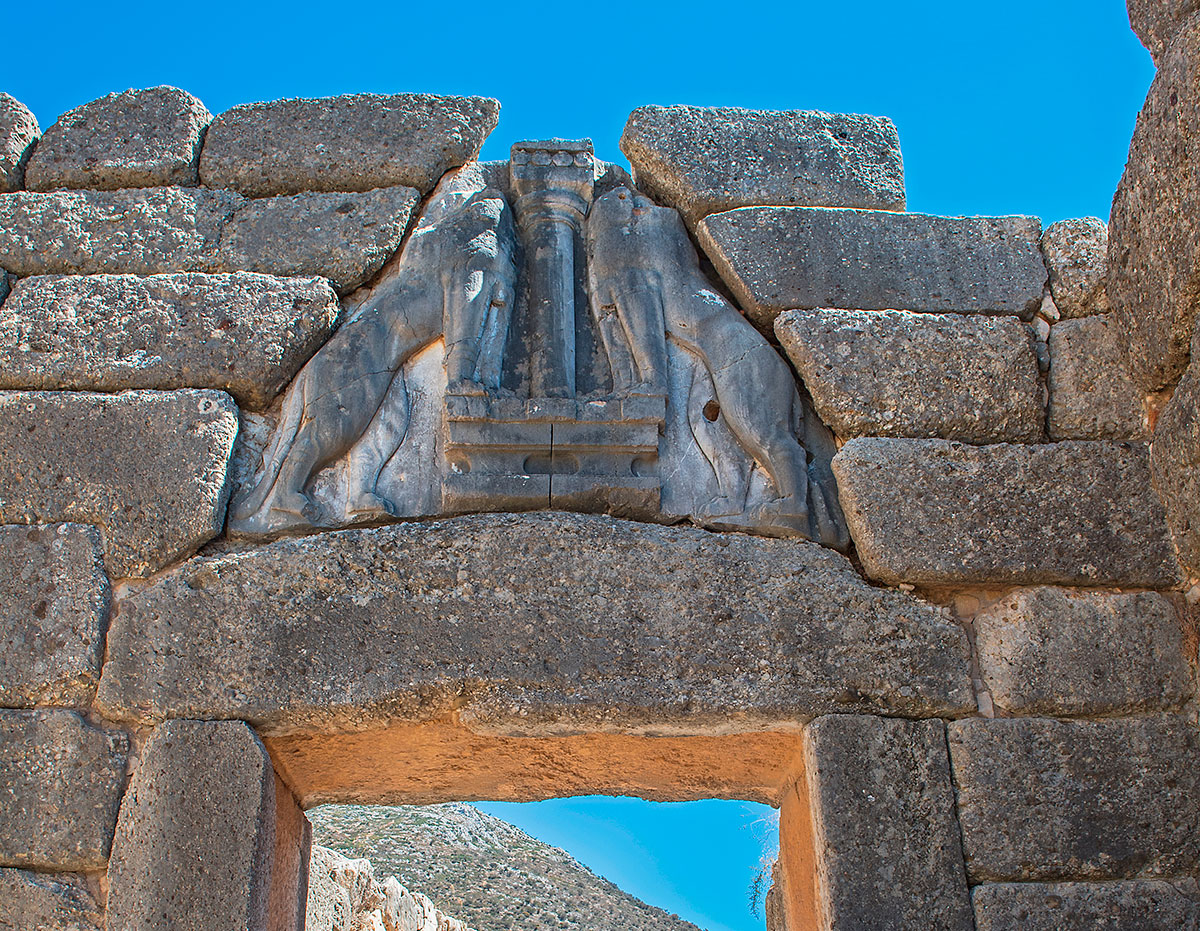 The iconic Lion Gate at Mycenae, once the heart of the Mycenaean civilization.
Peloponnese is home to some of Greece’s most iconic historical sites, and Mycenae is where ancient legends come to life. This UNESCO-listed site, once ruled by the mighty King Agamemnon, is one of the most important archaeological locations in Greece.
As you pass through the famed Lion Gate, you can almost hear the echoes of Homer’s Iliad whispering through the ruins. The cyclopean walls, Treasury of Atreus, and the royal tombs stand as a testament to the power and ingenuity of the Mycenaean civilization.
1.2 The Theater of Epidaurus: A Marvel of Ancient Acoustics
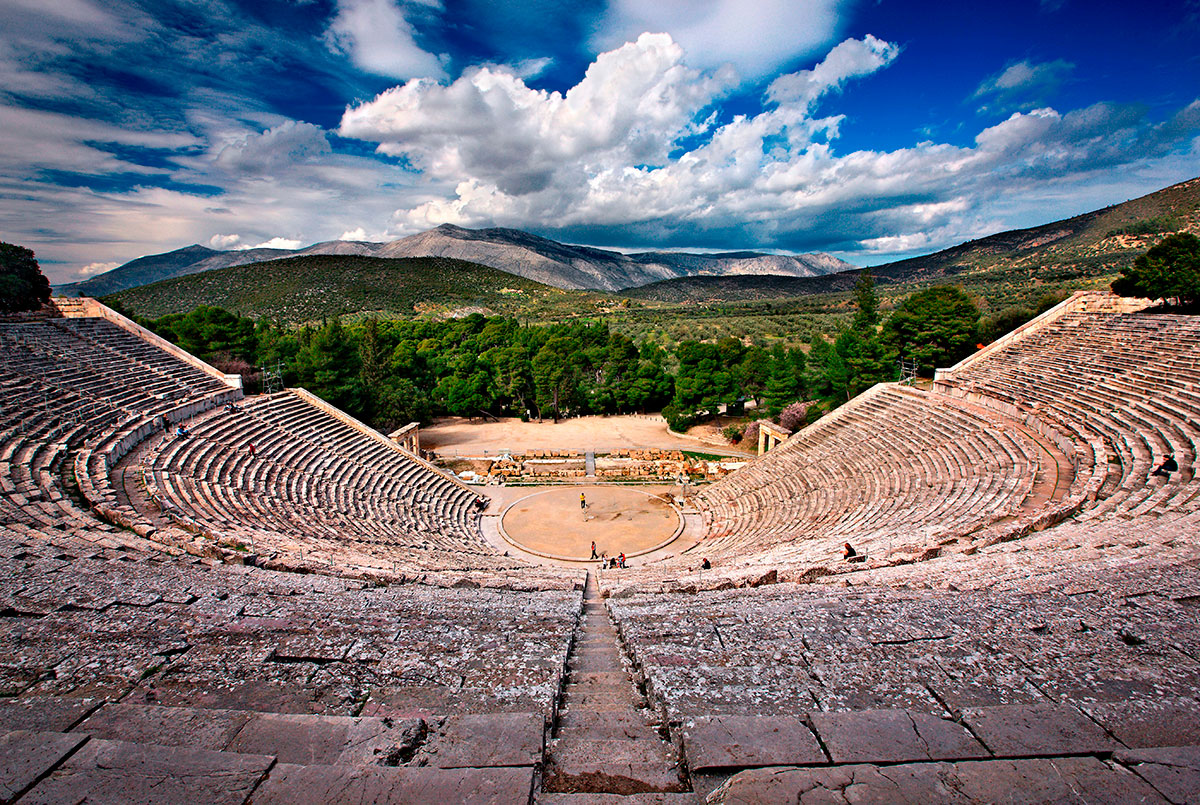 The well-preserved Epidaurus Theater, where performances continue to echo through time.
For culture lovers, the Epidaurus Theater is a must-visit. Built in the 4th century BC, this perfectly preserved amphitheater is renowned for its exceptional acoustics. Stand at the center, speak in a normal tone, and hear your voice travel flawlessly to the uppermost rows—an architectural wonder that continues to amaze.
1.3 Olympia: The Birthplace of the Olympic Games
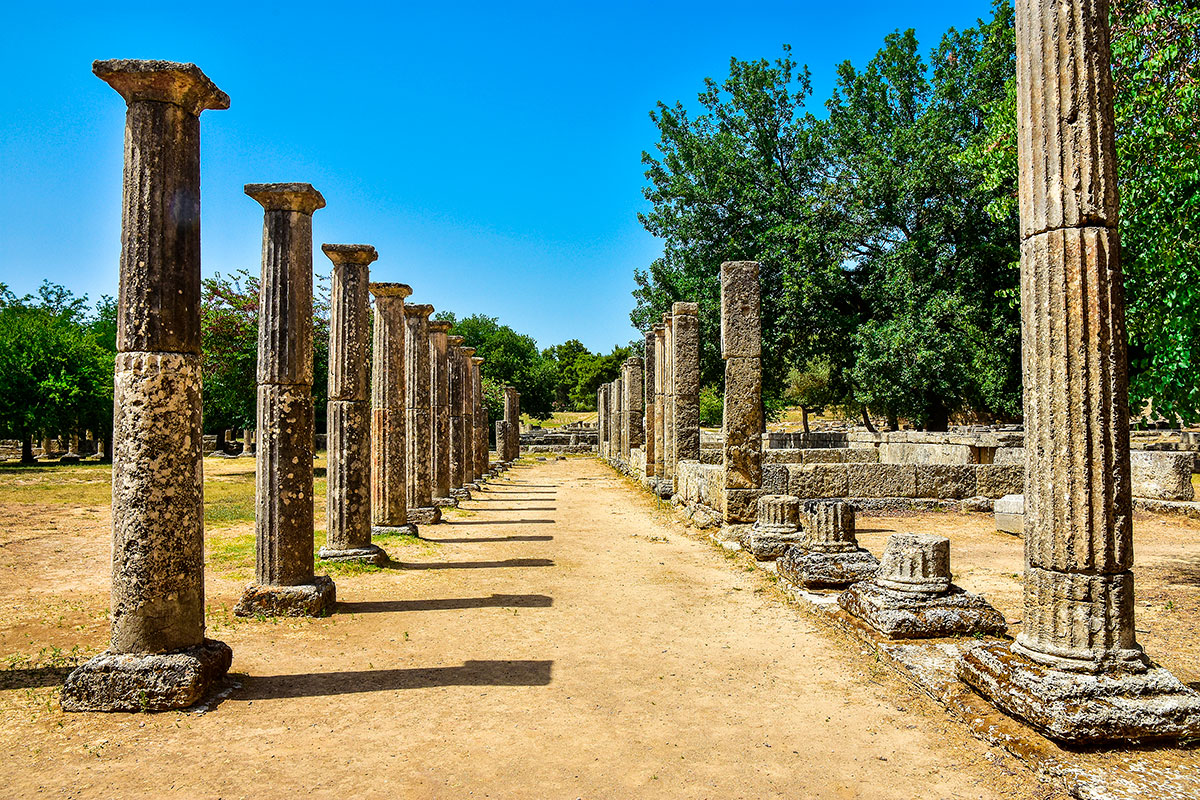 Walk through Olympia, where the first Olympic Games were held in 776 BC.
No historical journey through Peloponnese is complete without a visit to Olympia, where the first Olympic Games were held in 776 BC. Walk through the ancient stadium, explore the ruins of the Temple of Zeus, and imagine the roar of spectators as athletes competed for glory.
1.4 Mystical Monemvasia: A Castle Town Frozen in Time
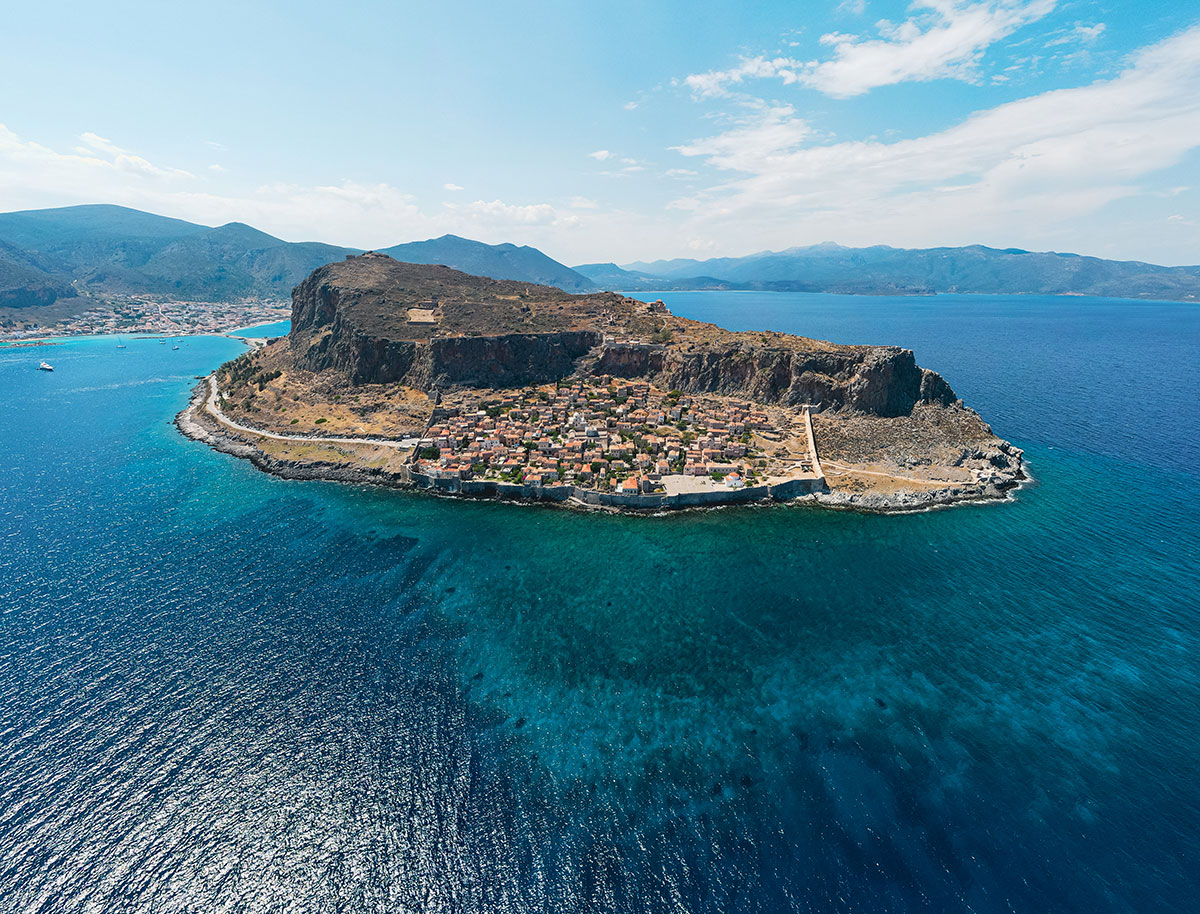 The medieval town of Monemvasia, a hidden gem frozen in time.
Nestled on a rocky island, Monemvasia is a medieval fortress that transports visitors to a bygone era. Strolling through its cobblestone streets, you’ll find Byzantine churches, Venetian mansions, and stunning sea views that make this one of Peloponnese’s most enchanting destinations.
2. Culture and Tradition: The Heartbeat of Peloponnese
2.1 Greek Village Life: The Charm of the Horio
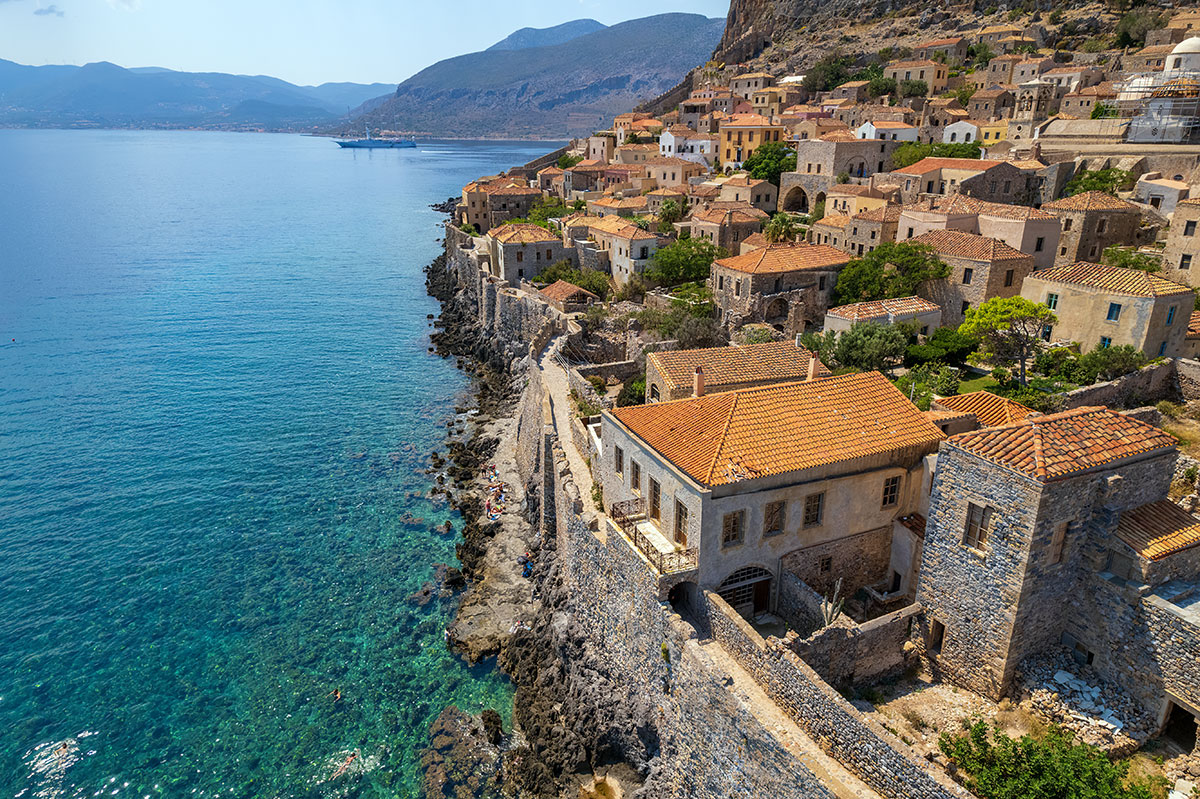 Experience the charm of a traditional horio, where Greek hospitality thrives.
To truly experience Greek culture, a visit to a traditional horio (village) is essential. Peloponnesian villages offer a glimpse into a slower, more authentic way of life. Locals greet you with a warm “Yiasas!” (hello), inviting you to share stories over a cup of Greek coffee.
2.2 Culinary Delights: The Art of Meze
 Enjoy authentic meze—a feast of small dishes bursting with Greek flavors.
Greek cuisine is at its finest in Peloponnese, with meze (small dishes) taking center stage. Enjoy fresh seafood in Nafplio, try handmade pasta in Arcadia, or savor the famous Kalamata olives straight from the source. Each bite tells a story of tradition, passion, and locally sourced ingredients.
2.3 The Spirit of Avtarkia: Self-Sufficiency in Mani
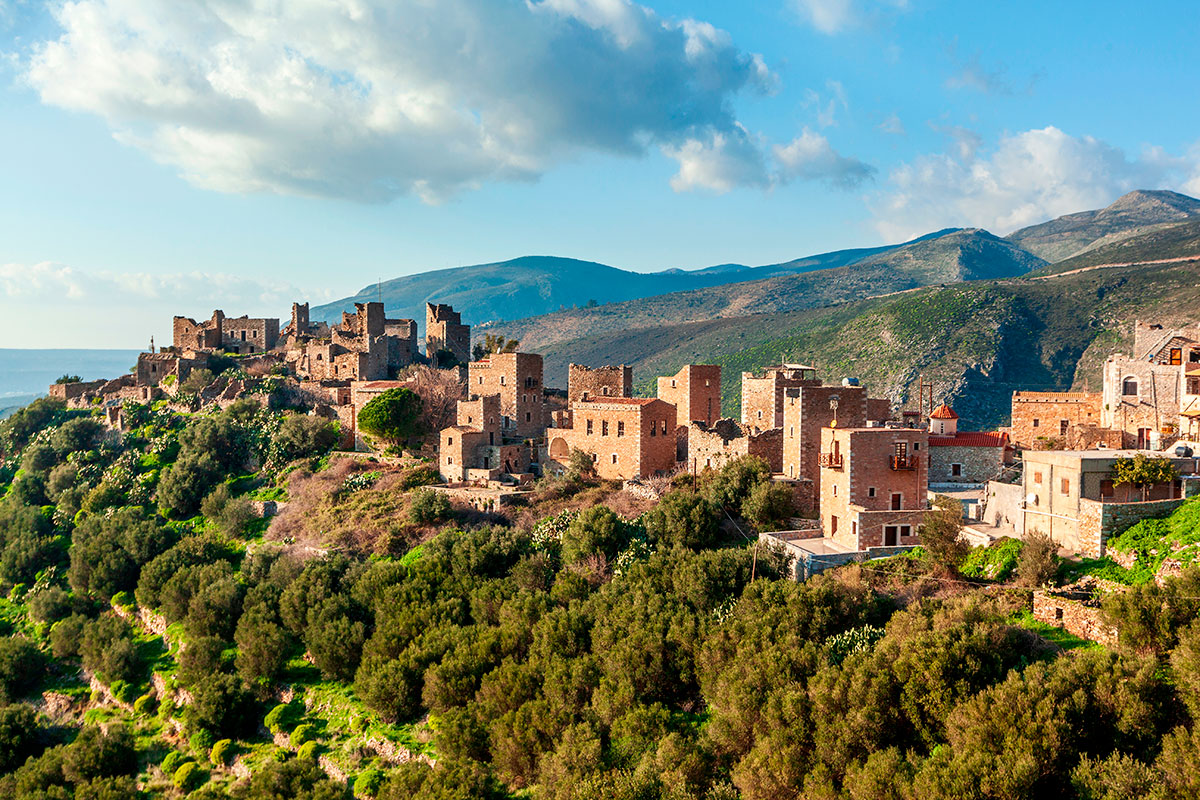 Mani’s unique tower houses reflect the region’s history of independence and avtarkia.
Mani, a rugged region known for its stone towers and wild beauty, embodies the Greek concept of avtarkia—self-sufficiency. Here, locals pride themselves on their independence, preserving age-old customs, and producing their own food and goods. A visit to Mani is a lesson in resilience and cultural preservation.
2.4 Artisan Crafts: A Legacy of Handmade Beauty
From handwoven textiles to intricately painted ceramics, Peloponnese is home to skilled artisans who keep traditional crafts alive. In villages like Dimitsana and Leonidio, you can watch local artists at work and even bring home a piece of authentic Greek craftsmanship.
3. Adventure in Peloponnese: Beyond the Beaten Path
3.1 Hiking Through the Lousios Gorge
For adventure seekers, the Lousios Gorge offers breathtaking trails through lush forests, stone bridges, and ancient monasteries clinging to the cliffs. The hike to the Monastery of Prodromos rewards travelers with stunning views and a sense of serenity.
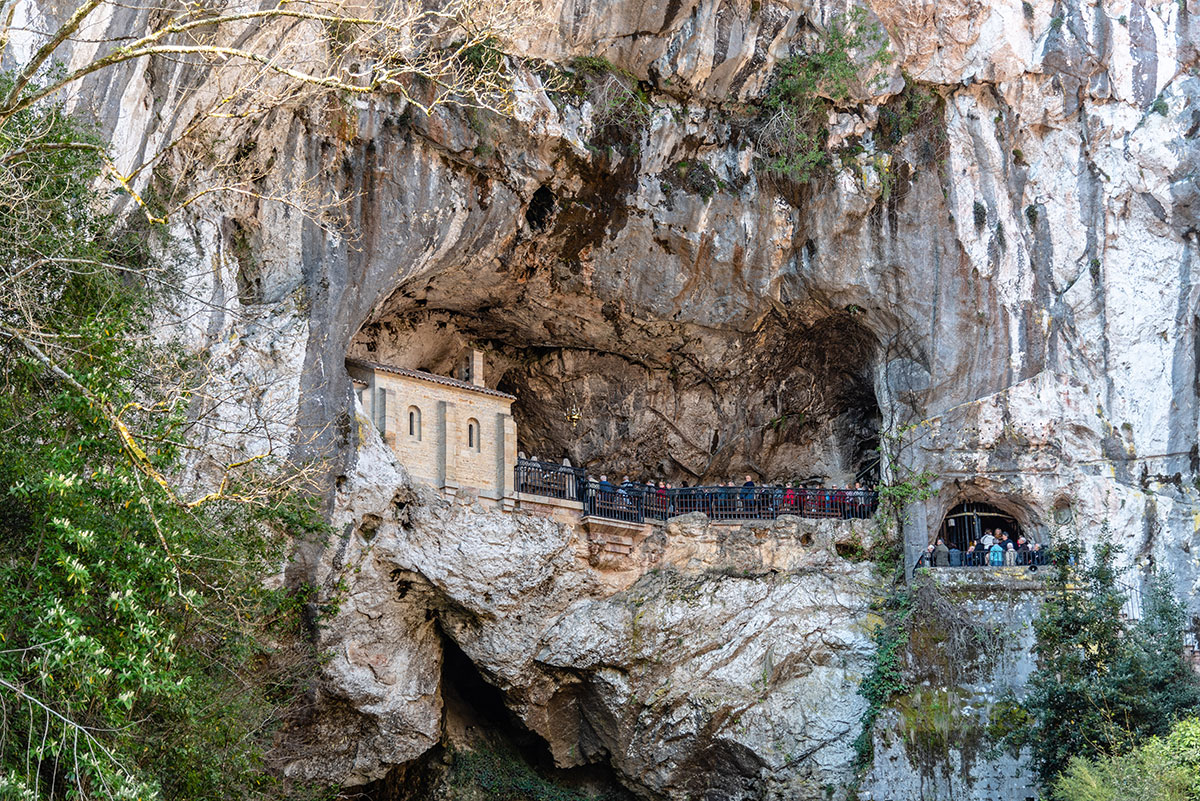 Hike through Lousios Gorge and discover stunning landscapes and ancient monasteries.
3.2 Coastal Explorations: The Hidden Beaches of Elafonisos
Elafonisos, an island off the coast of Peloponnese, boasts some of Greece’s most beautiful beaches. Simos Beach, with its turquoise waters and soft sand dunes, is a paradise for those looking to escape the crowds and connect with nature.
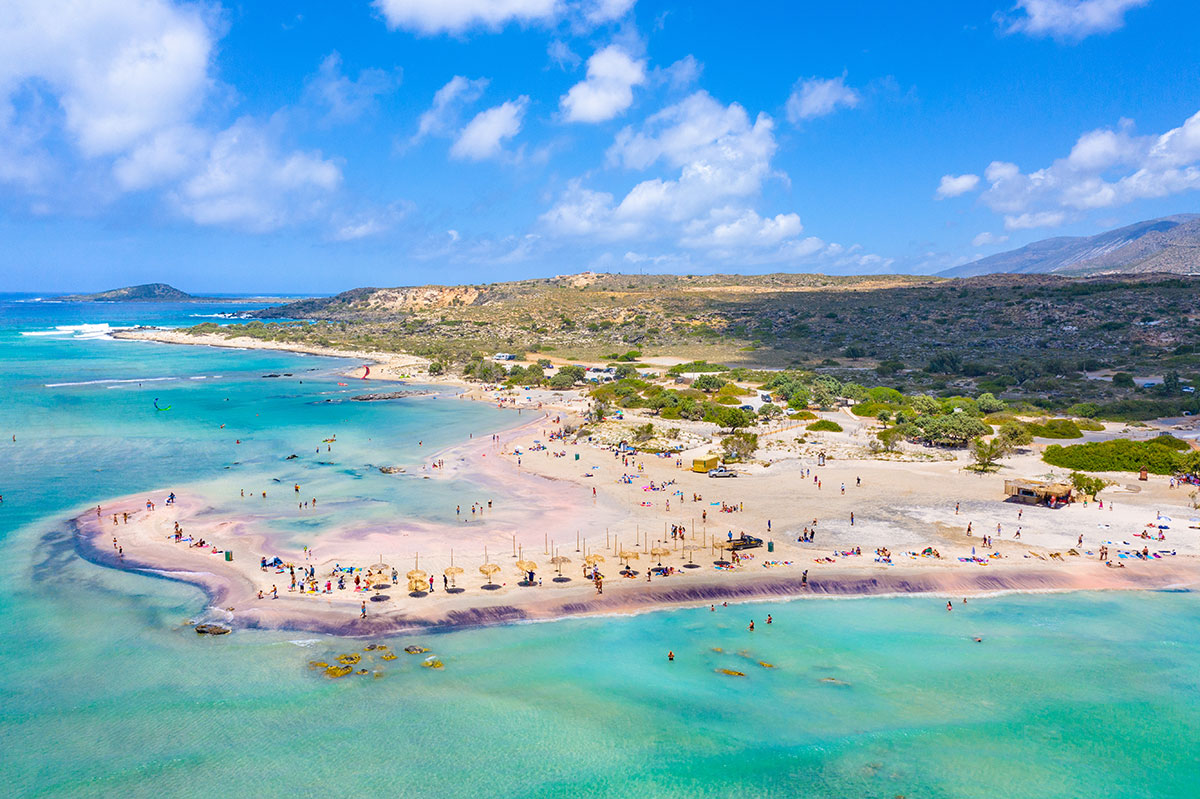 Elafonisos boasts some of Greece’s most stunning and secluded beaches.
3.3 Off-Road Adventures in Taygetos Mountains
The Taygetos Mountains offer rugged terrain perfect for off-road explorations. Whether by jeep or ATV, travelers can navigate winding mountain roads, uncover hidden monasteries, and enjoy panoramic views of the Peloponnesian landscape.
3.4 Sea Caves and Kayaking in Mani
For a truly unique experience, kayaking along the Mani coastline reveals hidden sea caves, dramatic cliffs, and crystal-clear waters. Paddling through these ancient formations, you’ll feel as if you’ve stepped into a Greek myth.
4. Why Peloponnese Should Be Your Next Travel Destination
4.1 A Destination for Every Traveler
Whether you’re drawn by the ancient ruins, charmed by the cultural traditions, or excited by the prospect of outdoor adventures, Peloponnese offers an experience that is both diverse and immersive.
4.2 Authenticity Without the Crowds
Unlike the bustling islands of Santorini and Mykonos, Peloponnese remains relatively untouched by mass tourism. This means you can explore its wonders at your own pace, without the crowds.
4.3 Easily Accessible from Athens
Just a short drive from Athens, Peloponnese is one of Greece’s most accessible regions, making it an ideal destination for travelers looking to explore beyond the capital.
4.4 Toursxplorer: Your Guide to an Unforgettable Journey
To make the most of your Peloponnesian adventure, let Toursxplorer be your guide. From expertly curated tours to off-the-beaten-path experiences, we help you uncover the magic of this legendary land.
Conclusion: Experience the Magic of Peloponnese
The Peloponnese is more than just a travel destination—it’s a journey through history, a celebration of culture, and an invitation to adventure. Whether you find yourself marveling at ancient ruins, indulging in traditional meze, or trekking through wild landscapes, one thing is certain: Peloponnese will leave you enchanted.
Ready to explore? Let Toursxplorer be your gateway to an unforgettable Greek odyssey.
FAQs
1. What is the best time to visit Peloponnese?
Spring (April–June) and autumn (September–October) offer pleasant weather and fewer crowds, making them ideal for exploration.
2. How do I get to Peloponnese from Athens?
Peloponnese is easily accessible by car, bus, or train from Athens. The drive takes around 1.5 to 3 hours, depending on your destination.
3. What are the must-visit historical sites in Peloponnese?
Mycenae, Olympia, Epidaurus, and Monemvasia are among the top historical attractions.
4. Is Peloponnese suitable for adventure travelers?
Absolutely! Hiking, off-road explorations, sea kayaking, and coastal adventures make Peloponnese a paradise for thrill-seekers.
5. Can I experience authentic Greek culture in Peloponnese?
Yes! Traditional villages, local festivals, artisan crafts, and regional cuisine provide a deep dive into Greek heritage.
Stay Updated:
 |
 |
 |
||
 |
 |
 |
||