




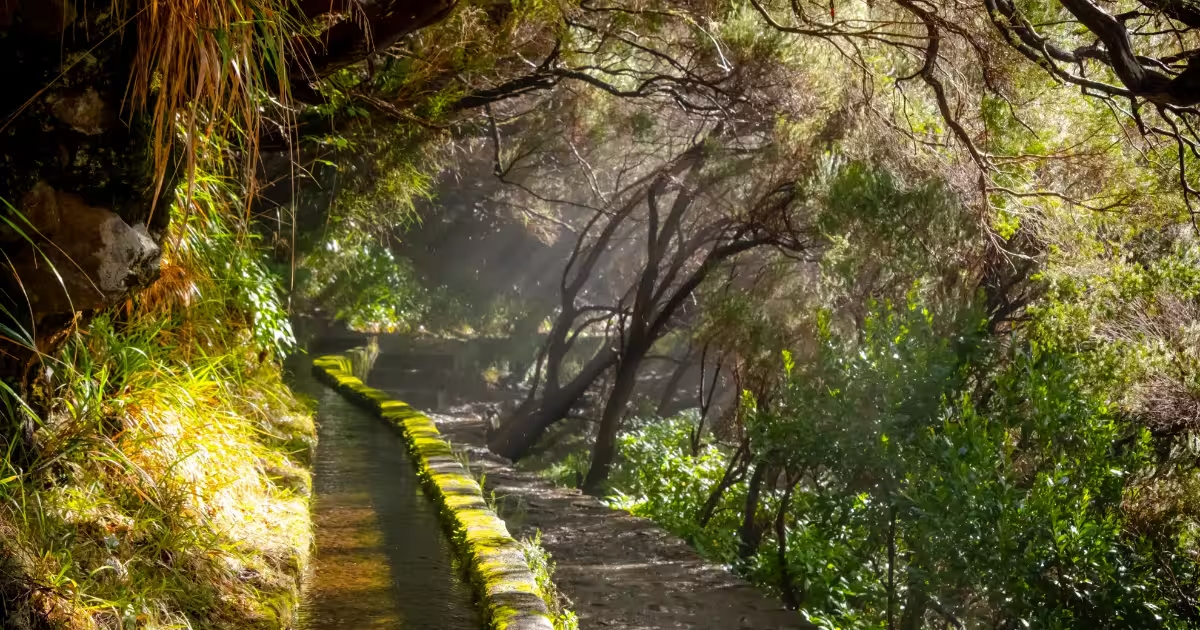
20 Best Things to Do in Madeira in 2026: A Complete Island Guide
From mist-shrouded levada trails and volcanic sea pools to centuries-old wine cellars and the rugged peaks above Funchal.
Rising from the Atlantic roughly 978 kilometres southwest of Lisbon, Madeira is a volcanic archipelago defined by dramatic topography, a UNESCO-protected laurel forest, and a coastline that swings between sheer basalt cliffs and sheltered fishing villages. Year-round mild temperatures, averaging between 17°C and 24°C, make the island one of Europe's most versatile destinations for walkers, divers, food lovers, and anyone seeking terrain that rewards curiosity.
What makes Madeira island worth visiting in 2026?
Madeira has been drawing visitors since Portuguese sailors first landed here around 1419, and the island's appeal has only grown more layered with time. The Laurissilva forest, a remnant of the subtropical woodland that once covered much of southern Europe, now occupies roughly 22 percent of the island's surface and carries UNESCO World Natural Heritage status, granted in 1999. Walking beneath its canopy of til, laurel, and heather trees more than 10 metres tall, you understand why naturalists describe it as a living fossil ecosystem.
In 2026, Madeira is also riding a quieter revolution. Ponta do Sol, a sun-drenched village on the island's south coast, has become one of Europe's most discussed digital nomad hubs, offering fast fibre connectivity, co-working spaces, and a community of remote workers that has brought fresh energy to its white-washed streets. Meanwhile, the regional government has expanded eco-tourism infrastructure across the island, adding signage, rest points, and ranger patrols along the most sensitive levada corridors.
"The island is small enough to cross in under two hours by car, yet complex enough to spend a week exploring without covering the same ground twice."
For those focused on Madeira island Portugal weather, the pattern is straightforward: the south coast, anchored by Funchal, is warm and relatively dry throughout the year. The north, including the village of São Vicente and the coast toward Porto Moniz, receives more rainfall and cloud cover, giving it a greener, wilder character. Spring, from March to May, and autumn, from September to November, offer the best balance of warmth, lower visitor numbers, and clear skies for hiking.
What are the classic things to do in Madeira Funchal?
Funchal, the island's capital and home to roughly 111,000 residents, is the natural starting point for any Madeira itinerary. The Mercado dos Lavradores, a covered market built in 1940 on Rua Brigadeiro Oudinot, remains the most vivid introduction to the island's produce. Flower sellers in traditional red-and-yellow costumes occupy the entrance hall, while the interior stalls carry everything from espada (scabbardfish) and limpets to passion fruit, custard apples, and the small, intensely sweet bananas unique to Madeira.
The Funchal Cable Car, operated by Teleférico da Madeira, runs 3.2 kilometres from the Zona Velha (Old Town) up to Monte, rising 560 metres in approximately 15 minutes. Monte itself is worth an hour: the Baroque Igreja de Nossa Senhora do Monte, dating to 1818, sits at the top of a 74-step staircase and contains the tomb of Emperor Charles I of Austria, who died in Funchal in 1922. From Monte, the famous toboggan ride, operated by carreiros wearing straw hats and white linen, covers 2 kilometres downhill to Livramento in around 10 minutes, steered by two men braking with rubber-soled boots against the cobblestones.
"The Zona Velha's painted doorways, each one a canvas commissioned since 2010 as part of the Arte das Portas Abertas project, stretch along Rua de Santa Maria for roughly 200 metres."
The Jardim Botânico da Madeira, established in 1960 on the grounds of a former private estate, holds over 2,000 plant species across 35,000 square metres of terraced gardens. On clear days, its upper paths offer unobstructed views across the terracotta rooftops of Funchal to the harbour below.
What are the best levada walks in Madeira?
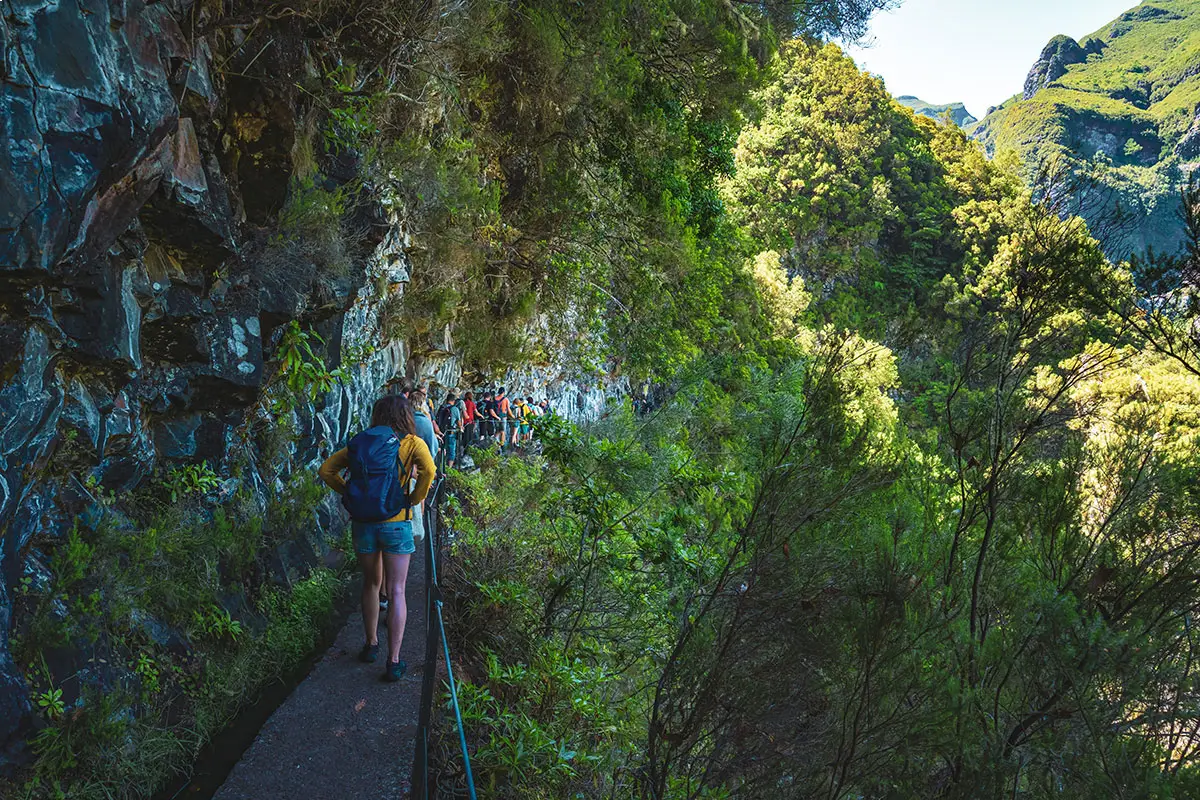
Madeira's levada network, a system of irrigation channels built between the 15th and 20th centuries to carry water from the wet northern mountains to the drier agricultural south, now doubles as one of Europe's most distinctive hiking infrastructures. There are more than 2,500 kilometres of levadas across the island, many with maintenance paths wide enough for single-file walking.
The Levada do Caldeirão Verde, starting from Queimadas in the municipality of Santana, covers approximately 8 kilometres each way through the Parque Natural da Madeira. The trail passes through four tunnels, the longest stretching 600 metres, before reaching the Caldeirão Verde waterfall, which drops into a circular pool surrounded by 100-metre rock walls. Headlamps are essential for the tunnel sections.
The ridge walk from Pico do Arieiro, Madeira's third highest peak at 1,818 metres, to Pico Ruivo, the island's highest point at 1,862 metres, covers around 11 kilometres and is considered the most scenic mountain route on the island. The path crosses exposed ridgelines, dips into cloud-level valleys, and passes through several short tunnels cut into the volcanic rock. Allow at least five hours for the full round trip. The ToursXplorer listing of the Levada do Norte Guided Tour from Câmara de Lobos to Ribeira Brava offers a lower-altitude alternative, tracing the levada through terraced banana and sugar cane farmland with a local guide.
For those seeking unusual things to do in Madeira, the Fanal Forest in the Paul da Serra plateau deserves attention. Located at around 1,200 metres elevation, its ancient til trees, some estimated to be over 500 years old, are frequently enveloped in Atlantic mist, creating an atmosphere that feels genuinely otherworldly. The forest is accessible by car via the ER209 road and has a small car park near the forestry station.
What unusual things to do in Madeira should you not miss?
Cabo Girão, on the south coast between Funchal and Câmara de Lobos, is one of the highest sea cliffs in Europe at 580 metres. A glass-floored skywalk platform extends over the edge, allowing visitors to look directly down at the Atlantic and the small cultivated fajas (flat ledges) below, which are still farmed using a cable car system for access. The viewpoint is free to enter and well signposted from the ER229 road.
Curral das Freiras, meaning "corral of the nuns," is a village set inside an extinct volcanic crater, surrounded by peaks that rise to over 1,400 metres. The Convent of Santa Clara nuns retreated here in 1566 to hide from pirate raids, and the village retained its isolated character well into the 20th century when a road tunnel finally connected it to Funchal in 1959. The local specialty is ginjinha (sour cherry liqueur) and chestnut-based foods sold at the village's small market.
The natural volcanic sea pools of Porto Moniz, on the island's northwestern tip roughly 45 kilometres from Funchal, are formed by ancient lava flows that created a series of interconnected basalt pools along the shoreline. The pools are managed by the local municipality, with changing facilities and entry fees, and offer swimming in Atlantic water that is sheltered from the open ocean swell. Porto Moniz is also home to a modern aquarium, the Aquário da Madeira, which focuses on native Atlantic species.
Top 4x4 and Off-Road Tours in Madeira
Levada Walks and Nature Hikes
Marine and Ocean Experiences
Farm Tours, E-Bike Routes, and Cultural Experiences
Ready to explore Madeira's rugged interior, Atlantic waters, and terraced wine country? Browse all tours on ToursXplorer and book your 2026 island experiences in a few clicks.
Click hereWhen is the best time to visit Madeira island, and what should you know before you go?
Madeira is genuinely a year-round destination, but the experience shifts significantly by season. From December to February, the island hosts the Madeira New Year fireworks, listed in the Guinness World Records as the largest fireworks display by a local council, with over 50,000 visitors typically arriving for the event. February brings the Madeira Carnival, a street celebration with roots in Portuguese and Brazilian traditions. Funchal's public garden, the Parque de Santa Catarina, transforms into a festival space during both events.
Spring, from March through May, is the season of the Madeira Flower Festival, held annually since 1954. Elaborate flower carpets are laid along Funchal's Avenida Arriaga, and processions of floats decorated with fresh blooms pass through the city over a long weekend. Hotel occupancy rises sharply during this period, so advance booking of at least six to eight weeks is advisable.
For hikers, the summer months of June through August bring the clearest skies on the plateau and ridge walks, though popular levadas such as the Levada das 25 Fontes and the route from Boca da Corrida can become congested by mid-morning. Starting before 8:00 am is standard practice among regular hikers. September and October, when temperatures remain above 20°C but crowds thin, are widely regarded as the most comfortable months for combining coastal activities with mountain walking.
Visitors should note that the Laurissilva forest trails within the Parque Natural da Madeira require visitors to stay on marked paths. Some sections, including the upper approach to Caldeirão Verde, are subject to temporary closure after heavy rainfall due to rockfall risk. The Madeira regional government maintains an updated trail status page at visitmadeira.pt, which is the recommended reference before any backcountry walk.
ToursXplorer lists tours with flexible cancellation policies suited to Madeira's sometimes unpredictable mountain weather, including fully refundable options for hiking and boat experiences that are weather-dependent.
Culture, food, and the history of Madeira island: what shaped the destination?
Madeira was uninhabited when Portuguese navigators João Gonçalves Zarco and Tristão Vaz Teixeira landed in 1419 under the commission of Prince Henry the Navigator. The island was formally colonised from 1425, with Funchal established as a town in 1508 and elevated to city status in 1514, making it one of the oldest European-founded cities in the Atlantic. The first settlers introduced sugarcane, which transformed Madeira into one of the world's leading sugar producers throughout the 15th century, before Brazilian competition pushed the island toward viticulture in the 16th century.
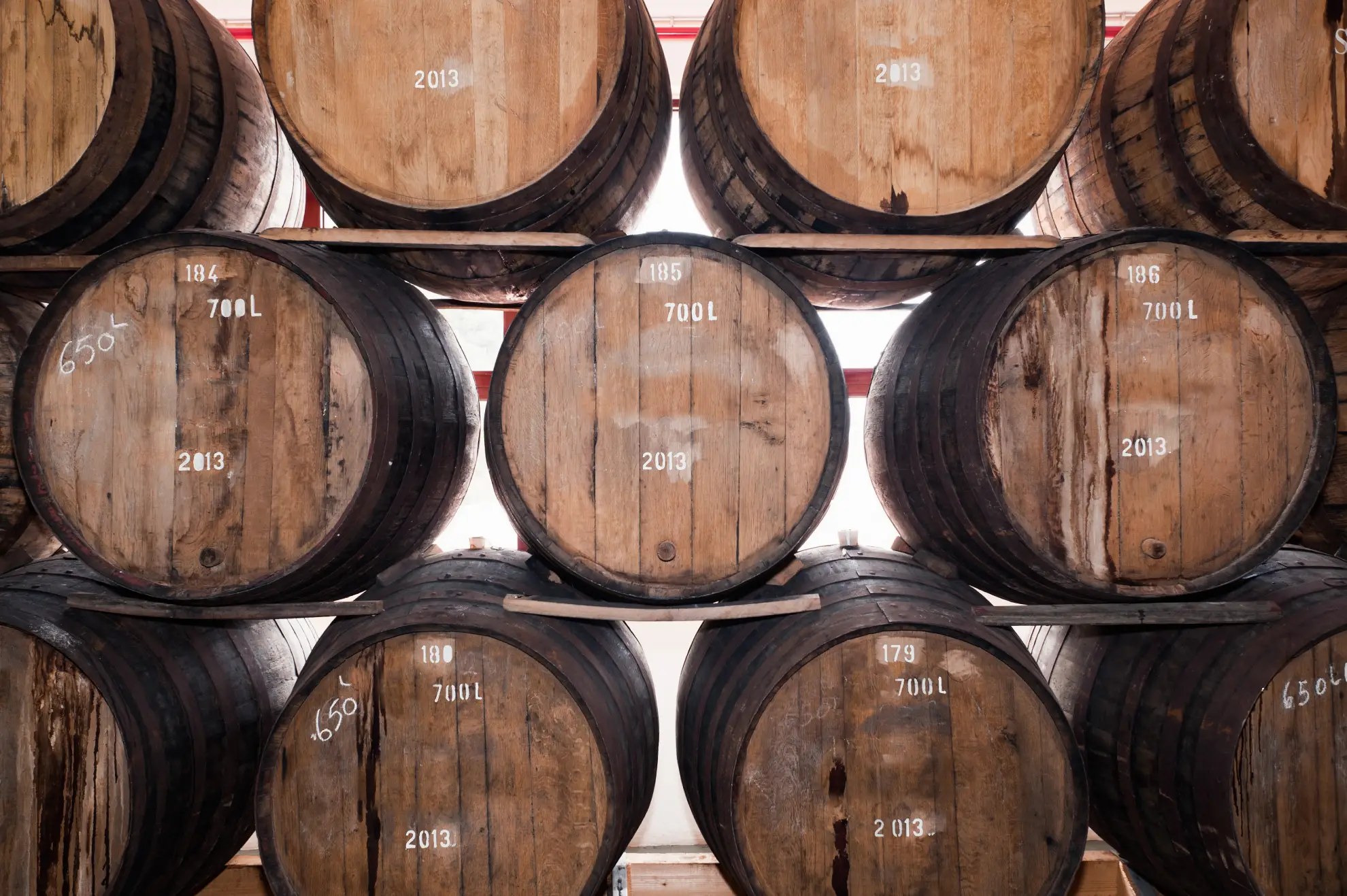
Madeira wine, produced under DOC regulations from grape varieties including Malmsey (Malvasia), Bual, Verdelho, and Sercial, became a global trade commodity largely because of its stability during long sea voyages. The wine's fortification with grape spirit and its deliberate oxidisation process, developed progressively from the 17th century onward, gave it a shelf life measurable in decades rather than years. A bottle of 1795 Malmsey Madeira was reportedly served at James Madison's inauguration dinner in 1809. Today, the Madeira Wine Company on Rua dos Ferreiros in Funchal offers guided tastings of wines from multiple decades.
The island's culinary identity extends well beyond wine. Espetada, cubes of beef seasoned with bay leaf and coarse sea salt, grilled over skewers of laurel wood and traditionally served hanging from metal hooks above the table, originates from the agricultural communities of the interior. Bolo do caco is a round flatbread made with sweet potato, cooked on a basalt stone griddle (the caco), and typically served with garlic butter. Both dishes are found island-wide, though the village of Santo António da Serra in the northeast is regarded as a traditional espetada heartland.
For gastronomy-focused travellers, ToursXplorer's farm tour and southwest circuit options provide structured access to producers and traditional kitchens that are not easily reached independently. The Full-Day Madeira Farm Tour, in particular, covers sugarcane fields and laurel honey production alongside a full lunch menu of regional dishes.
Discover guided levada walks, private boat charters, and farm-to-table tastings across Madeira. ToursXplorer lists curated experiences for every type of traveller, from first-time visitors to seasoned island explorers.
Frequently Asked Questions
Yes. Madeira's varied terrain, covering ocean experiences, mountain hikes above 1,800 metres, historic Funchal, and rural villages, provides enough content for seven to ten days without repetition. A week allows time for two or three levada walks, a full-day 4x4 tour into the interior, marine wildlife watching, and at least two days exploring Funchal's markets, cable car, and wine lodges.
Beyond the standard itinerary, the Fanal Forest on the Paul da Serra plateau offers ancient mist-covered til trees at 1,200 metres elevation. The glass-floored skywalk at Cabo Girão, 580 metres above the Atlantic, and the hidden village of Curral das Freiras inside an extinct volcanic crater are two further experiences that regular visitors highlight as distinctively Madeiran.
Durations vary widely. The Levada do Norte from Câmara de Lobos to Ribeira Brava covers around 11 kilometres and takes three to four hours at a moderate pace. The Caldeirão Verde trail involves 8 kilometres each way and typically requires five to six hours total. The ridge walk from Pico do Arieiro to Pico Ruivo, at approximately 11 kilometres, needs at least five hours allowing for stops.
The deep waters around Madeira, exceeding 3,000 metres within a few kilometres of shore, support year-round cetacean populations. Common dolphins and bottlenose dolphins are the most frequently sighted species. Sperm whales are present throughout the year due to the oceanic depth. Pilot whales, Bryde's whales, and loggerhead sea turtles are also recorded, with frequency varying by season.
The south coast, including Funchal, maintains average temperatures between 17°C in winter and 24°C in summer, with low annual rainfall. The north coast and mountain zones above 1,000 metres are considerably cooler and wetter year-round. The Paul da Serra plateau can experience fog and temperatures below 10°C even in July. Overall the island has no distinct dry season in its northern and central zones.
Yes. Many levadas run at low altitude with minimal elevation change, making them suitable for walkers of average fitness. The Levada do Norte guided tour from Câmara de Lobos is frequently recommended for beginners. Guided e-bike tours from Funchal use electric assist to manage hills. Beginner scuba diving sessions near Funchal require no prior certification and are conducted with certified instructors in controlled coastal conditions.