




Best Wineries in the Douro Valley: 12 Quintas Worth a Visit in 2026
From steep schist terraces in the Baixo Corgo to remote estates in the Douro Superior, these twelve quintas define what makes the Douro one of Europe's most rewarding wine regions.
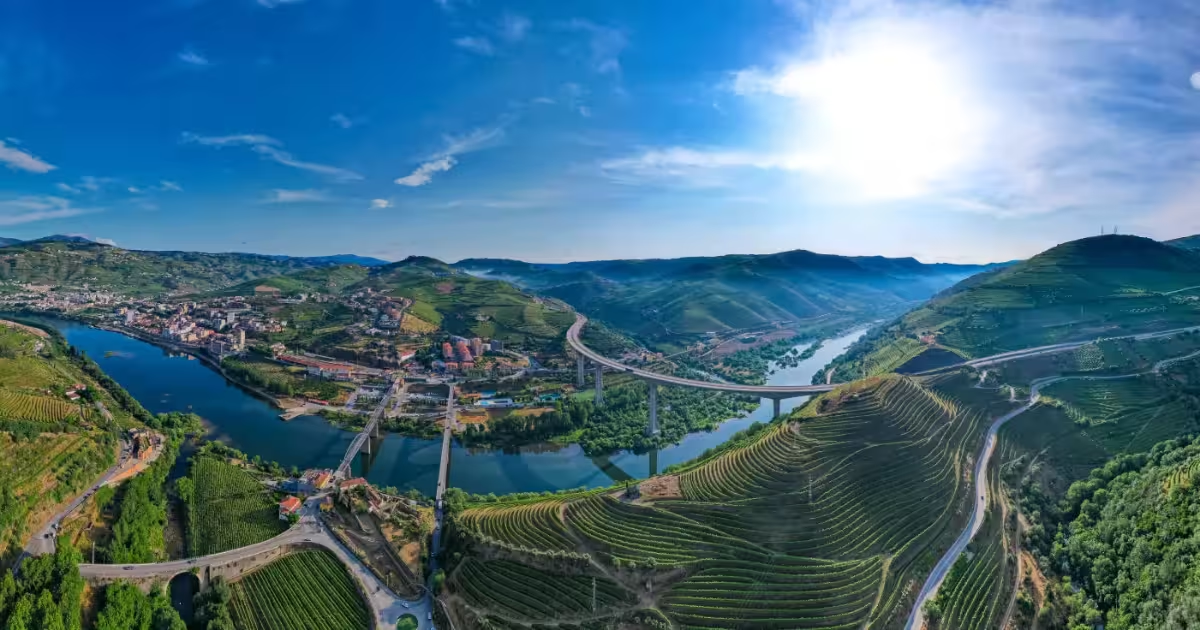
The Douro Valley, demarcated in 1756 and recognised as a UNESCO World Heritage landscape since 2001, stretches roughly 250 kilometres east from Porto to the Spanish border. Its steep schist terraces, some planted before the Marquis of Pombal drew the region's first boundaries, yield Port, Douro DOC reds, and increasingly celebrated white wines. These twelve quintas represent the full arc of that story, from grand historic estates to intimate family producers you will not find in any supermarket.
What makes the Douro Valley one of the world's most distinctive wine regions?
The Douro Valley owes its character to geology more than to any single winemaker. The dominant schist rock fractures vertically, allowing vine roots to push 10 to 15 metres down in search of water through near-waterless summers where temperatures routinely exceed 40°C. The result is low-yielding vines that concentrate flavour into small, thick-skinned grapes. Rainfall averages just 400 to 500 millimetres per year in the upper valley, making the Douro Superior in particular one of the driest wine-growing zones in Western Europe.
The region is divided into three sub-zones. The Baixo Corgo, the westernmost and most humid section, surrounds the town of Régua and produces the highest volume of wine. The Cima Corgo, centred on Pinhão 25 kilometres to the east, is considered the heart of premium Port and Douro DOC production. The Douro Superior, stretching to the Spanish frontier near Miranda do Douro, is the most remote and is gaining recognition for structured, age-worthy red wines made with minimal intervention.
"The Douro is not one valley but a conversation between three sub-zones, each speaking a different dialect of the same schist language." — ToursXplorer Editorial Team
Over 80 indigenous grape varieties are legally permitted in Douro wines, though five red varieties dominate Port production: Touriga Nacional, Touriga Franca, Tinta Roriz (known elsewhere as Tempranillo), Tinto Cão, and Tinta Barroca. Understanding this variety is essential before choosing which quinta to visit, because estates specialise differently and tasting rooms reflect those choices in what they pour.
Which are the most beautiful wineries to visit in the Douro Valley?
The twelve quintas below have been selected to cover the spectrum of the Douro experience: iconic names with centuries of unbroken production, architect-designed modern facilities, and small family estates where the owner is likely to pour your tasting personally. They are organised not by ranking but by what each does best.
1. Quinta do Bomfim (Pinhão, Cima Corgo)
Owned by the Symington family since 1896, Quinta do Bomfim sits directly on the N222 road in Pinhão, making it among the most accessible estates in the valley. Its visitor centre opened in 2014 and offers structured tastings of Dow's Vintage Port alongside Douro DOC reds. The estate's terraces, hand-built in the 18th century, face south over the Pinhão River confluence. The azulejo tile panels in the old adega, depicting harvest scenes, are among the most photographed in the Douro.
2. Quinta das Carvalhas (Peso da Régua, Baixo Corgo)
Perched on the ridge above Régua, Quinta das Carvalhas is operated by Real Companhia Velha, a company with trading roots dating to 1756. The 360-degree panorama from its upper terraces takes in both the Douro and Corgo rivers. The estate covers 262 hectares, making it one of the largest single-quinta properties in the valley, and it produces Vintage Port, Late Bottled Vintage, and a range of Douro table wines. The on-site restaurant serves traditional Transmontana cuisine with wine pairings.
3. Quinta Nova de Nossa Senhora do Carmo (Covas do Douro, Cima Corgo)
A wine hotel and estate combined, Quinta Nova was originally owned by the Ferreira family, the most celebrated dynasty in Douro history. The current owners, the Amorim family, have restored the 18th-century manor house into a 12-room boutique hotel. Tastings here follow a vertical format, allowing visitors to compare several vintages of the same wine side by side. The estate produces approximately 300,000 bottles annually.
4. Quinta do Crasto (Sabrosa, Cima Corgo)
Quinta do Crasto occupies a dramatic promontory above the Douro near Sabrosa, the birthplace of Ferdinand Magellan, whose family estate stood roughly 3 kilometres to the north. The Roquette family has invested heavily in the winery's infrastructure since the 1990s, and the single-vineyard wines, particularly Vinha Maria Teresa and Vinha da Ponte, consistently appear on international best-of lists. The infinity pool facing the river has become something of a symbol of the new, hospitality-focused Douro.
5. Quinta do Vallado (Peso da Régua, Baixo Corgo)
Founded in 1716, Quinta do Vallado is managed by descendants of Dona Antónia Adelaide Ferreira, the so-called "Ferreirinha" whose image appears on a range of wines sold throughout Portugal today. The estate's new winery, built entirely in schist stone in 2010 by architect Francisco Vieira de Campos, is frequently cited as one of the most architecturally coherent wine facilities in Portugal. Visits include a walk through the cellar's gravity-flow system, which requires no pumping during production.
6. Quinta do Seixo (Valença do Douro, Cima Corgo)
Operated by Sandeman, a Port house with origins in 1790, Quinta do Seixo is located near Valença do Douro and is best reached by boat from Pinhão, a 20-minute river crossing that makes the arrival itself part of the experience. The modern visitor pavilion, clad in local stone, overlooks 82 hectares of terraced vines. The estate specialises in Sandeman's premium single-quinta Ports.
"Arriving at Quinta do Seixo by boat rather than road changes the way you understand the Douro. The river is not a backdrop here. It is the reason everything exists." — ToursXplorer Editorial Team
7. Quinta da Popa (São João da Pesqueira, Cima Corgo)
One of the valley's most talked-about boutique producers, Quinta da Popa is owned by the Popa family and sits near São João da Pesqueira at approximately 500 metres of altitude. The elevation gives the wines a freshness rarely found in the hotter lower terraces. Production is small, around 80,000 bottles per year, and the tasting room operates by appointment only. This is one of the best options for a private Douro Valley wine tour with direct producer access.
8. Quinta do Jaleiro (Sabrosa, Cima Corgo)
Located in the hills behind Sabrosa, Quinta do Jaleiro is a family estate that produces wines entirely from old vines, some exceeding 80 years of age, using minimal intervention in the cellar. Group sizes are kept below eight visitors per session. The quinta also offers an olive oil tasting alongside the wine programme, pressing oil from its own 200-year-old olive trees each November.
9. Ramos Pinto – Quinta de Ervamoira (Foz Côa, Douro Superior)
Ramos Pinto established Quinta de Ervamoira in 1974 as a pioneering experiment in the then largely unexplored Douro Superior. The estate lies near the Côa Valley, close to the Foz Côa Archaeological Park, which contains rock engravings dating back over 20,000 years. The estate produces one of the Douro's most respected single-quinta 10-year-old Tawny Ports. Visits require advance booking and typically combine wine tasting with a tour of the archaeological interpretive materials on site.
10. Quinta do Porto – Graham's (Pinhão, Cima Corgo)
Graham's Quinta dos Malvedos is the brand's flagship single-quinta estate, but the company's smaller Pinhão winery, known locally as Quinta do Porto, offers one of the most structured visitor experiences in the valley. Symington-owned since 1970, the facility offers daily tastings and a self-guided vineyard walk that takes approximately 45 minutes on marked trails through old-vine terraces.
11. Niepoort – Quinta de Napoles (Cima Corgo)
The Niepoort family, Dutch in origin but established in Porto since 1842, operates several vineyards, with Quinta de Napoles serving as the primary estate for their celebrated Batuta and Redoma table wines. Dirk Niepoort is widely credited with accelerating the Douro's transformation from a Port-centric region into a source of world-class dry table wines through the 1990s and 2000s. Tastings at Quinta de Napoles are intimate, typically guided by members of the extended family, and bookings for 2026 fill quickly.
12. Quinta do Panascal – Fonseca (Tabuaço, Cima Corgo)
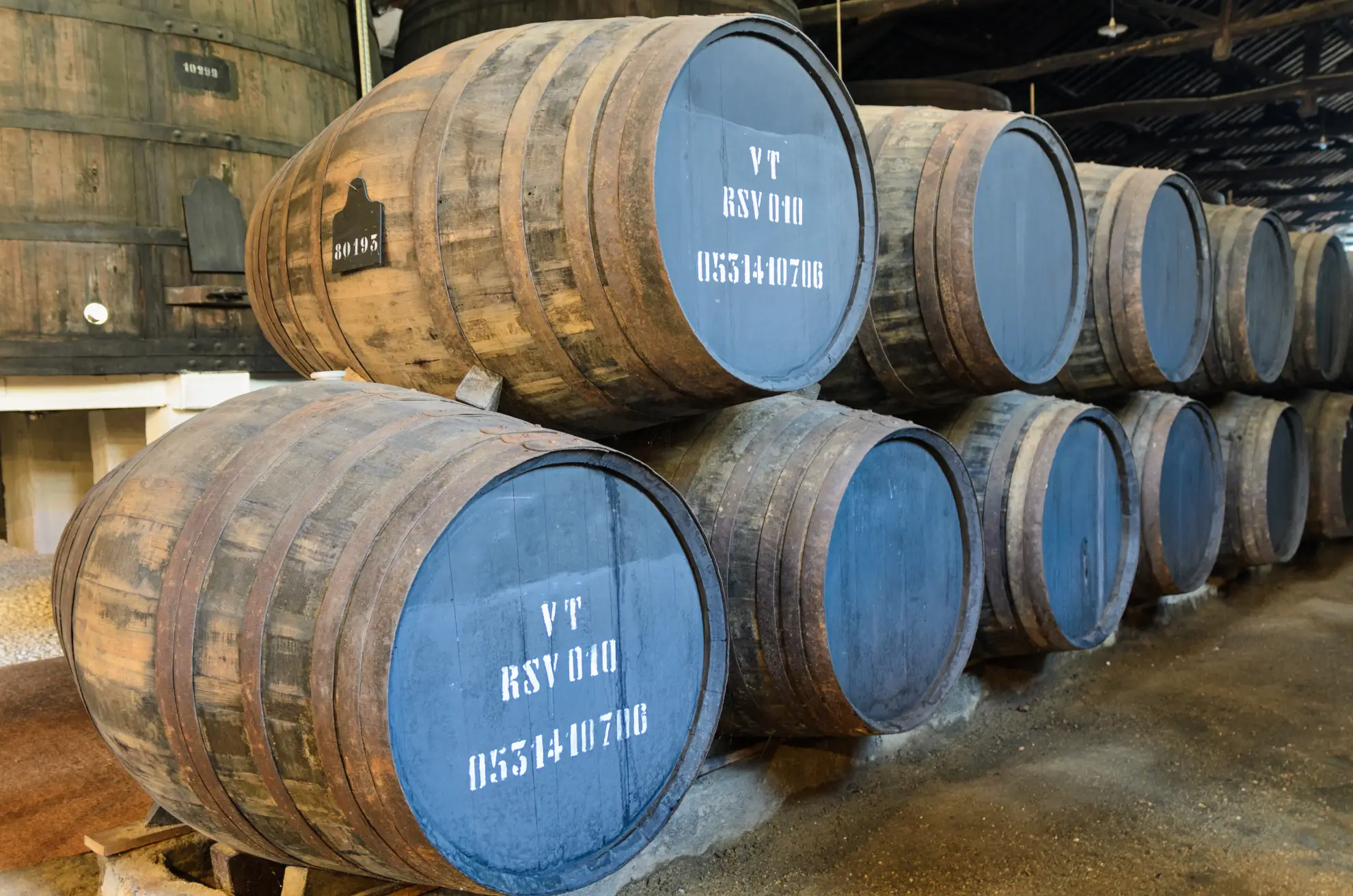
Fonseca's Quinta do Panascal, near Tabuaço in the Tavora tributary valley, is notable for offering a self-guided audio tour of the property, one of the few estates in the region to do so. The quinta specialises in Vintage Port and Bin 27, Fonseca's reserve ruby, and the tour route passes through the lagares, the traditional stone troughs where foot-treading of grapes still occurs during the October harvest. The property is accessible by car from the N222 in approximately 20 minutes.
Do I need to book wine tastings in the Douro Valley in advance for 2026?
For all twelve estates listed above, advance booking is not merely advisable but effectively mandatory for the 2026 season. Several factors have converged to tighten availability. First, post-pandemic wine tourism to the Douro has grown substantially, with the Portuguese Tourism Authority reporting a 34% increase in Douro wine tourism visits between 2019 and 2023. Second, many quintas have deliberately capped group sizes to protect the quality of the tasting experience, meaning even mid-week slots at estates like Quinta da Popa and Quinta do Jaleiro can fill six to eight weeks ahead.
The practical recommendation is to book a minimum of four to six weeks before your visit for smaller boutique estates, and two to three weeks ahead for the larger, better-staffed visitor centres like Quinta do Bomfim or Quinta das Carvalhas. During harvest season, which typically runs from mid-September through the first two weeks of October, all availability compresses sharply. If your travel dates overlap with the harvest, book three months in advance.
Joining an organised tour is the most reliable way to guarantee winery access, particularly for first-time visitors unfamiliar with the region's geography. ToursXplorer lists multiple guided and private Douro Valley wine tour options departing from Porto, which handle all quinta reservations as part of the booking. These tours typically include transport along the N222, the scenic riverside road designated as one of the world's best driving roads by National Geographic in 2015, as well as river boat segments that provide views of the terraces inaccessible by road.
What are the best boutique wineries near Pinhão?
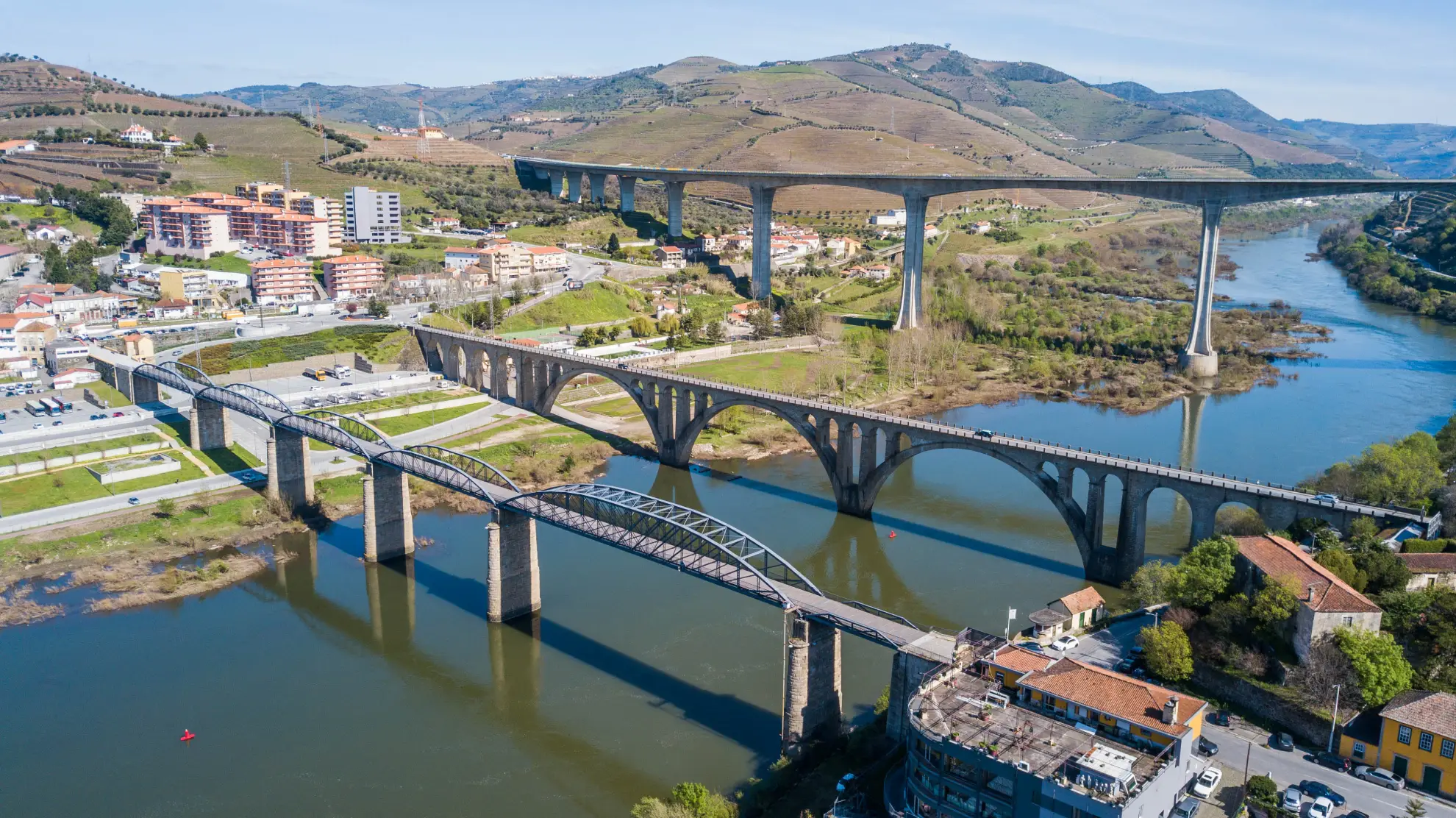
Pinhão sits at the confluence of the Pinhão and Douro rivers, approximately 25 kilometres east of Peso da Régua by road. The town's railway station, decorated with azulejo tile panels depicting Douro harvest traditions, serves as the de facto gateway to the Cima Corgo's most concentrated cluster of premium estates. Within a 10-kilometre radius of Pinhão's central bridge, visitors can reach Quinta do Bomfim (1.5 km), Quinta do Crasto (12 km), Quinta do Seixo (accessible by boat, approximately 8 km by river), and several smaller producers.
For those specifically seeking boutique producers within easy reach of Pinhão, Quinta da Popa (approximately 18 km by road via São João da Pesqueira) and Quinta do Jaleiro (approximately 22 km via Sabrosa) are the two most recommended options for intimate, appointment-only tastings. Both operate in the Cima Corgo at elevations that produce wines with noticeably more acidity and aromatic lift than estates on the valley floor.
ToursXplorer's portfolio includes dedicated small-group and private tours that concentrate specifically on the Pinhão area, combining boat travel on the Douro with visits to two or three estates in a single day. This format avoids the logistical complexity of self-driving on the valley's narrow, gradient-heavy roads while allowing time for a proper seated tasting at each stop rather than a rushed stand-up pour.
Guided & Private Douro Valley Wine Tours for 2026
Ready to visit the Douro Valley's finest quintas in 2026? Browse all available guided, small-group, and private Douro Valley wine tours on ToursXplorer and secure your winery reservations before peak-season slots close.
Click herePlanning your Douro Valley wine visit: practical notes for 2026
The Douro Valley is accessible from Porto in approximately 1 hour 40 minutes by car via the A4 motorway to Amarante, then the IP4 east toward Régua. The Alfa Pendular and regional train services from Porto's Campanhã station reach Peso da Régua in about 1 hour 50 minutes and continue to Pinhão in 2 hours 30 minutes total. Train travel is recommended for those planning to taste seriously, as it removes the driving constraint entirely.
Within the valley, road conditions on the schist road network above the river (the EN323 and smaller tracks) can be narrow and require confident driving. Several quintas above the 400-metre contour are more safely reached in a higher-clearance vehicle, which is the practical reason why the 4x4 private tour format exists as a specific product on ToursXplorer. Self-driving visitors should download offline maps before leaving mobile coverage areas, which occur regularly between Pinhão and the Douro Superior.
Temperatures in the Douro Superior regularly exceed 42°C in July and August, making spring (April to June) and autumn (September to November, overlapping with harvest) the most comfortable periods for extended tastings and vineyard walks. Morning visits, beginning before 11:00, allow tastings to conclude before the midday heat peaks. Many quintas build a shaded lunch component into their longer experiences for this reason.
For overnight stays, the cluster of wine hotels concentrated between Pinhão and Sabrosa, including Quinta Nova de Nossa Senhora do Carmo (12 rooms) and the Six Senses Douro Valley near Lamego (57 rooms), represent the premium end of the accommodation spectrum. Booking these properties 3 to 4 months ahead for the September and October harvest period is advisable for 2026.
Frequently Asked Questions
Yes. For boutique estates like Quinta da Popa or Quinta do Jaleiro, book at least four to six weeks ahead. Larger visitor centres such as Quinta do Bomfim accept shorter notice, but during harvest season (mid-September to mid-October) all availability compresses sharply. Booking via an organised tour, which handles quinta reservations, is the most reliable option.
Quinta da Popa, approximately 18 kilometres from Pinhão via São João da Pesqueira, and Quinta do Jaleiro, about 22 kilometres via Sabrosa, are the two most recommended intimate estates near the town. Both operate by appointment only, cap tasting groups below eight, and offer access to old-vine wines not available in retail. Quinta do Crasto, 12 kilometres from Pinhão, sits at a more elevated production level while still maintaining personal visits.
By car, the A4 motorway and then the IP4 toward Régua takes approximately 1 hour 40 minutes. By train from Porto Campanhã station, regional services reach Peso da Régua in about 1 hour 50 minutes and Pinhão in 2 hours 30 minutes. Organised tours from Porto include transport, removing the need to drive on the valley's narrow schist-road network.
April to June offers mild temperatures and green vines. September to early October brings the harvest, when foot-treading in stone lagares is still practised at several estates and the valley is at its most active. July and August temperatures regularly exceed 40°C in the Douro Superior, making early-morning visits advisable. Most quinta visitor centres operate year-round, with reduced hours in January and February.
Yes. The Porto-to-Pinhão train line runs along the river through Régua and reaches the valley's heart without a car. Several quintas, including Quinta do Bomfim, are within walking distance of Pinhão station. Alternatively, organised tours and private day trips from Porto include transport, which is particularly useful for accessing estates on the upper terraces that are unreachable by foot or public transport.
Expect Port wine in its main styles (Ruby, Tawny, Late Bottled Vintage, and Vintage) alongside Douro DOC dry red and white table wines. The principal red grape varieties are Touriga Nacional, Touriga Franca, Tinta Roriz, Tinto Cão, and Tinta Barroca. Boutique estates and producers like Niepoort increasingly pour Douro whites from Rabigato and Gouveio varieties, which have gained significant critical attention since the early 2010s.