Local Culture: Your Guide to Authentic and Respectful Travel
Introduction: The Value of Cultural Awareness in Travel
Travel is more than just visiting new places—it's about experiencing different cultures, traditions, and ways of life. However, immersing yourself in a new culture requires more than just excitement; it demands cultural awareness and sensitivity. Being respectful of local customs not only enhances your travel experience but also helps you build meaningful connections with locals while avoiding unintentional disrespect.
In this guide, we’ll explore essential cultural considerations for travelers and provide practical tips to help you navigate different customs with confidence. Whether you're exploring a bustling metropolis or a remote village, these insights will ensure you embrace local culture authentically and respectfully.
Why Cultural Sensitivity Matters
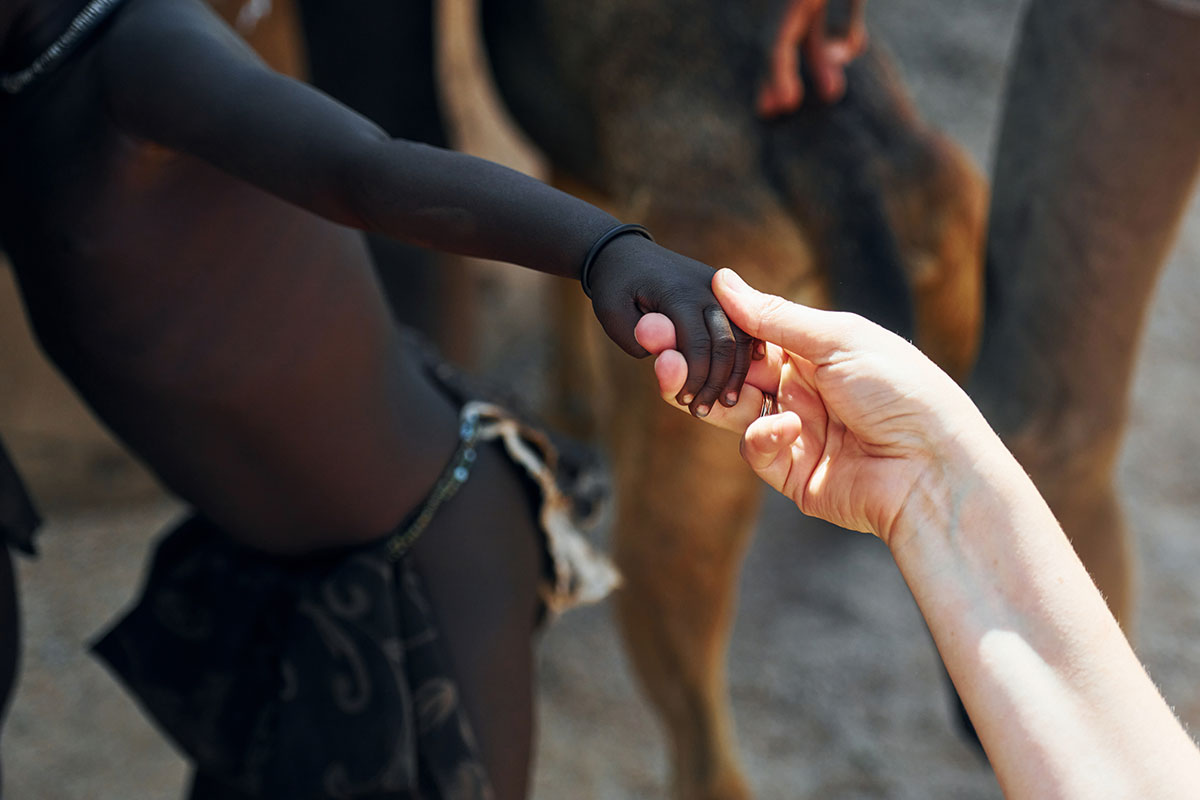 Respectful communication fosters deeper connections with locals.
Understanding and respecting different cultures is not just about following rules—it’s about fostering mutual respect, meaningful interactions, and responsible tourism. Here’s why cultural sensitivity is crucial for travelers:
1. Building Deeper Connections
Respecting local customs makes it easier to connect with people. Locals appreciate when visitors make an effort to understand their traditions, leading to more authentic and enriching interactions.
2. Avoiding Cultural Misunderstandings
What might be normal in your country could be offensive elsewhere. A simple gesture, word, or action can have vastly different meanings across cultures. Learning these differences prevents awkward or even disrespectful situations.
3. Enhancing Your Travel Experience
Being open to new customs, beliefs, and traditions makes travel more immersive. Instead of just sightseeing, you become part of the local rhythm, gaining deeper insights into different ways of life.
4. Promoting Responsible Tourism
Cultural awareness helps preserve local traditions and respect sacred practices. It ensures that tourism remains a positive force rather than one that disrupts or exploits local communities.
Key Cultural Considerations for Travelers
Cultural norms vary worldwide, but here are some fundamental aspects of culture that every traveler should be aware of:
1. Communication Styles: Verbal & Non-Verbal
Communication extends beyond language—it includes tone, body language, and gestures. Misinterpreting these can lead to confusion or offense.
- Direct vs. Indirect Communication: In some cultures, people are straightforward and value honesty (e.g., Germany, the Netherlands). In others, communication is more indirect and diplomatic to maintain harmony (e.g., Japan, Thailand).
- Hand Gestures: A friendly thumbs-up in Western countries may be offensive in the Middle East. Similarly, nodding may mean “no” instead of “yes” in places like Bulgaria.
- Eye Contact: In some cultures (e.g., the U.S.), eye contact conveys confidence, while in others (e.g., Japan, South Korea), too much direct eye contact is considered aggressive or disrespectful.




-
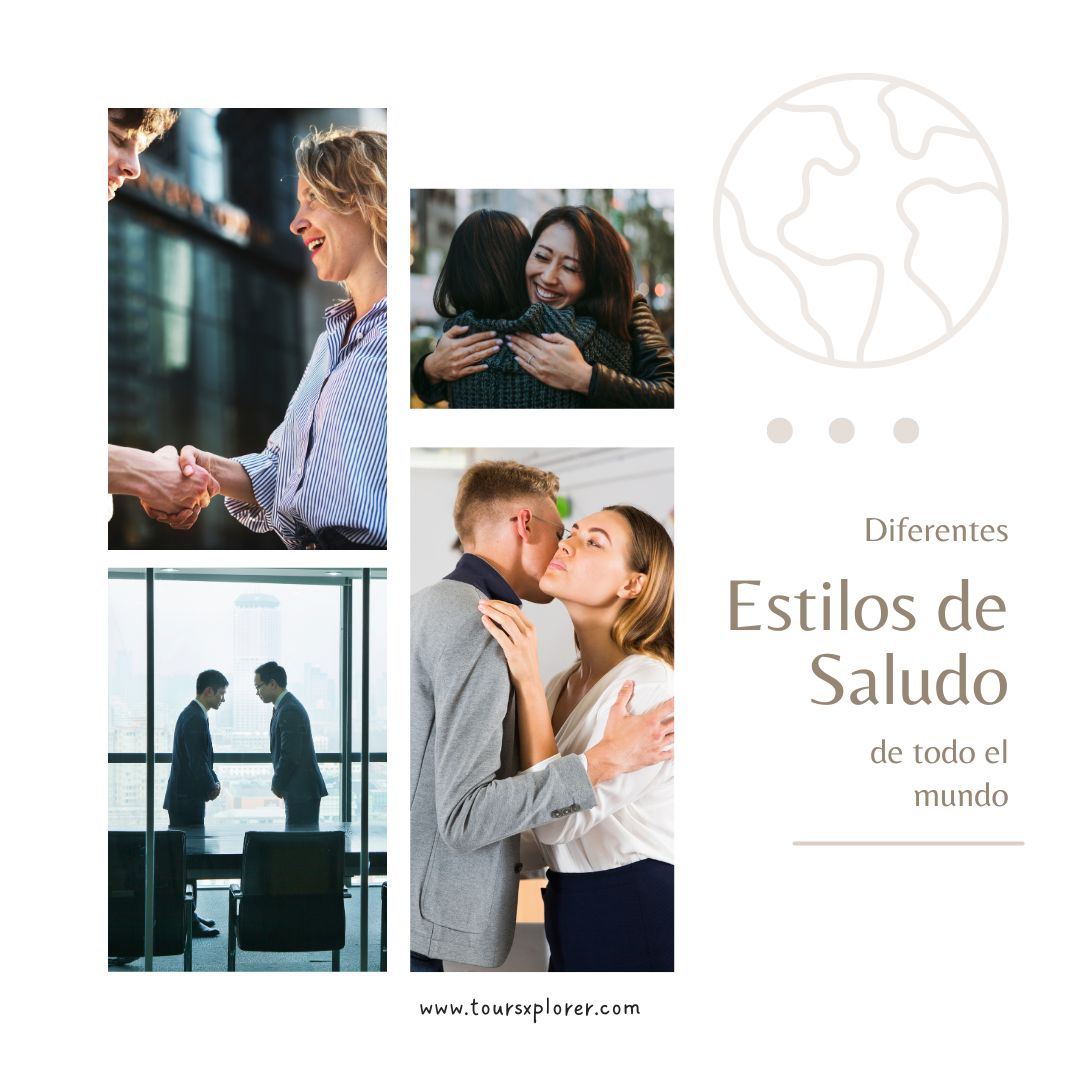
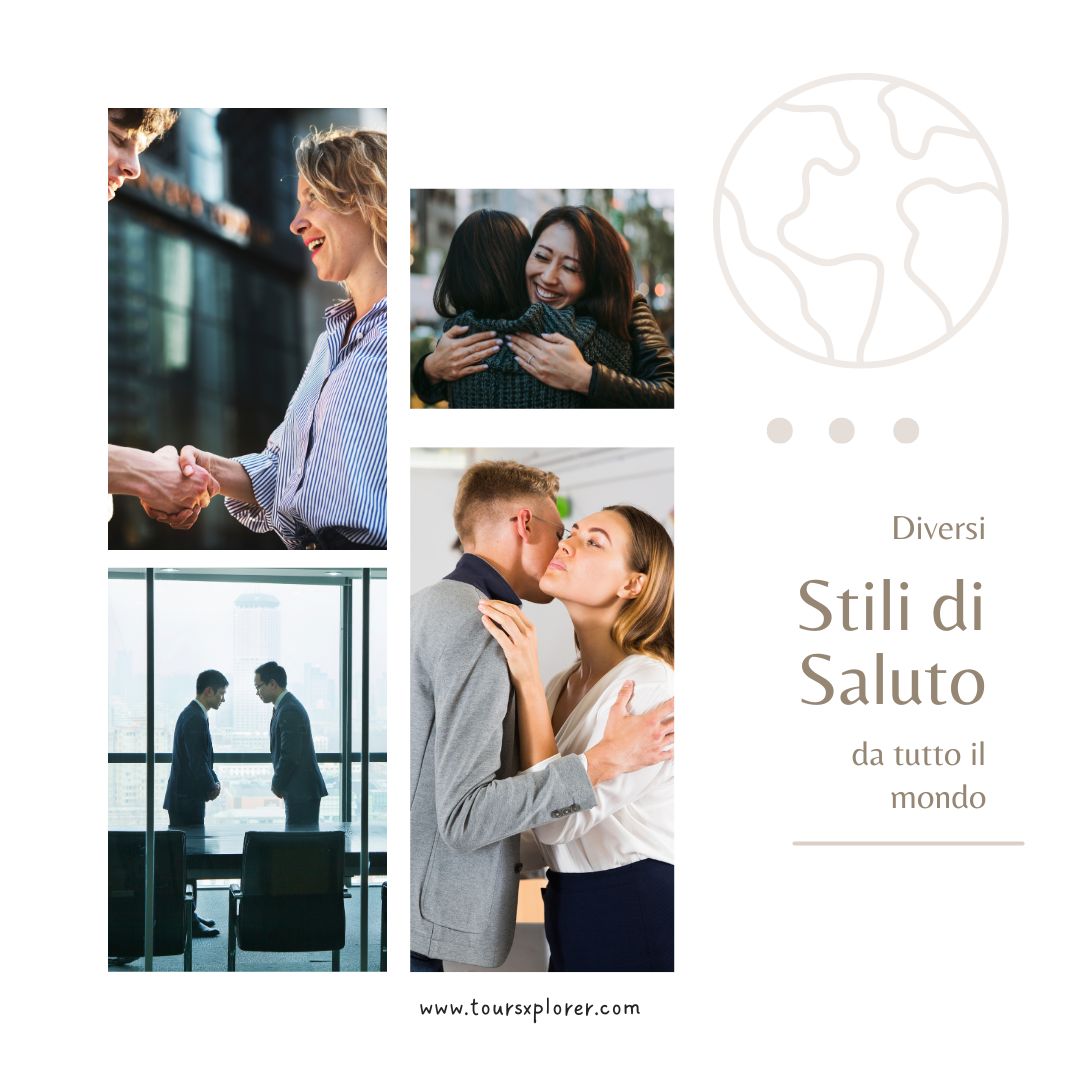
Different greeting styles: This is a fascinating aspect of culture! Greetings are often deeply ingrained in social norms and vary significantly around the world. Here's a breakdown of different greeting styles, keeping in mind that within each style, there can be nuances and regional variations:
Common Greeting Styles:
-
Handshake:
- Description: Grasping and shaking another person's right hand.
- Prevalence: Very common in Western cultures (North America, Europe), parts of Africa, and some Asian countries.
- Variations: Firmness of grip, duration, and whether the left hand is used (sometimes to show respect).
- Considerations: Eye contact is often expected in Western cultures.
-
Bow:
- Description: Bending the head or waist as a sign of respect.
- Prevalence: Prominent in East Asian cultures like Japan, Korea, and China.
- Variations: Depth and duration of the bow indicate the level of respect. In Japan, there are specific types of bows for different situations.
- Considerations: In some cultures, offering a handshake to someone expecting a bow can be seen as disrespectful.
-
Cheek Kiss:
- Description: Lightly touching cheeks together, sometimes with an accompanying kissing sound in the air.
- Prevalence: Common in many European countries (France, Italy, Spain, Portugal - where you are!), Latin America, and parts of the Middle East.
- Variations: The number of kisses varies significantly by region. For example, in Portugal, it's generally two kisses, starting with the right cheek. In Spain, it's also usually two. France can range from one to four depending on the region.
- Considerations: Gender often plays a role in who exchanges cheek kisses. It's usually between women, or between a man and a woman, but less often between two men (though this is changing in some places).
-
Hug:
- Description: Wrapping one's arms around another person.
- Prevalence: Common among friends and family in Western cultures, and increasingly in other parts of the world.
- Variations: Can range from a quick hug to a long embrace.
- Considerations: Hugging strangers or business acquaintances can be inappropriate in some cultures.
-
Nod:
- Description: Tilting the head up and down.
- Prevalence: Widely understood as a sign of acknowledgment or agreement, but can also be a simple greeting.
- Variations: Can be a slight nod or a more pronounced one.
-
Eye Contact:
- Description: Looking directly into another person's eyes.
- Prevalence: Important in many Western cultures as a sign of attentiveness and honesty.
- Considerations: In some Asian and African cultures, prolonged direct eye contact can be seen as disrespectful or challenging, especially towards elders or superiors.
-
Verbal Greetings with Gestures:
- Description: Combining spoken words with a physical gesture.
- Examples:
- Waving: Common in many parts of the world for informal greetings.
- Namaste (India): A slight bow with palms pressed together at the chest, accompanied by the word "Namaste."
- Hongi (New Zealand - Maori): Pressing noses and foreheads together.
- Sniffing/Rubbing Noses (Inuit and some other cultures): A traditional greeting.
-
Less Common or Region-Specific Greetings:
- Clapping: Used as a greeting in some parts of Africa.
- Spitting: In some cultures, a small amount of saliva might be spat as a sign of blessing or agreement (less common now).
- Foot Touching: A sign of respect in some South Asian cultures.
-
Important Considerations:
- Context is Key: The appropriate greeting often depends on the relationship between the people, the social setting, and the cultural norms of the region.
- Observe and Learn: When traveling or interacting with people from different cultures, pay attention to how they greet each other and try to follow suit.
- Don't Be Afraid to Ask: If you're unsure how to greet someone, it's often better to politely ask for guidance.
- Be Respectful: Even if you make a mistake, a genuine effort to be respectful is usually appreciated.
-
Understanding these different greeting styles can help you navigate social interactions more smoothly and show respect for cultural diversity.
2. Social Etiquette & Personal Space
Personal space varies significantly across cultures.
- In some countries, close proximity and physical touch are common in conversations (e.g., Latin America, Mediterranean regions).
- In contrast, in places like Japan or Scandinavia, people value personal space, and standing too close may make them uncomfortable.
- Public displays of affection (PDA) are acceptable in some cultures but considered inappropriate in others, particularly in conservative or religious regions.
3. Dress Codes & Religious Customs
What you wear can send a powerful message, and some destinations have strict dress codes due to religious or cultural beliefs.
- In many Middle Eastern, Southeast Asian, and African countries, modest clothing is expected, especially at religious sites.
- Removing shoes before entering homes or temples is a common practice in places like India, Japan, and Thailand.
- Head coverings or specific attire may be required in certain places of worship (e.g., mosques, churches, synagogues). Always check the local customs before visiting.
4. Tipping Practices & Financial Etiquette
Tipping etiquette varies worldwide—while tipping is expected in the U.S., it may be considered rude in Japan.
- In countries like France, Italy, and Australia, service charges are often included in the bill.
- In Southeast Asia, small tips are appreciated but not mandatory.
- When handling money, be mindful—passing money with one hand is considered impolite in Thailand and India, where both hands or the right hand should be used.
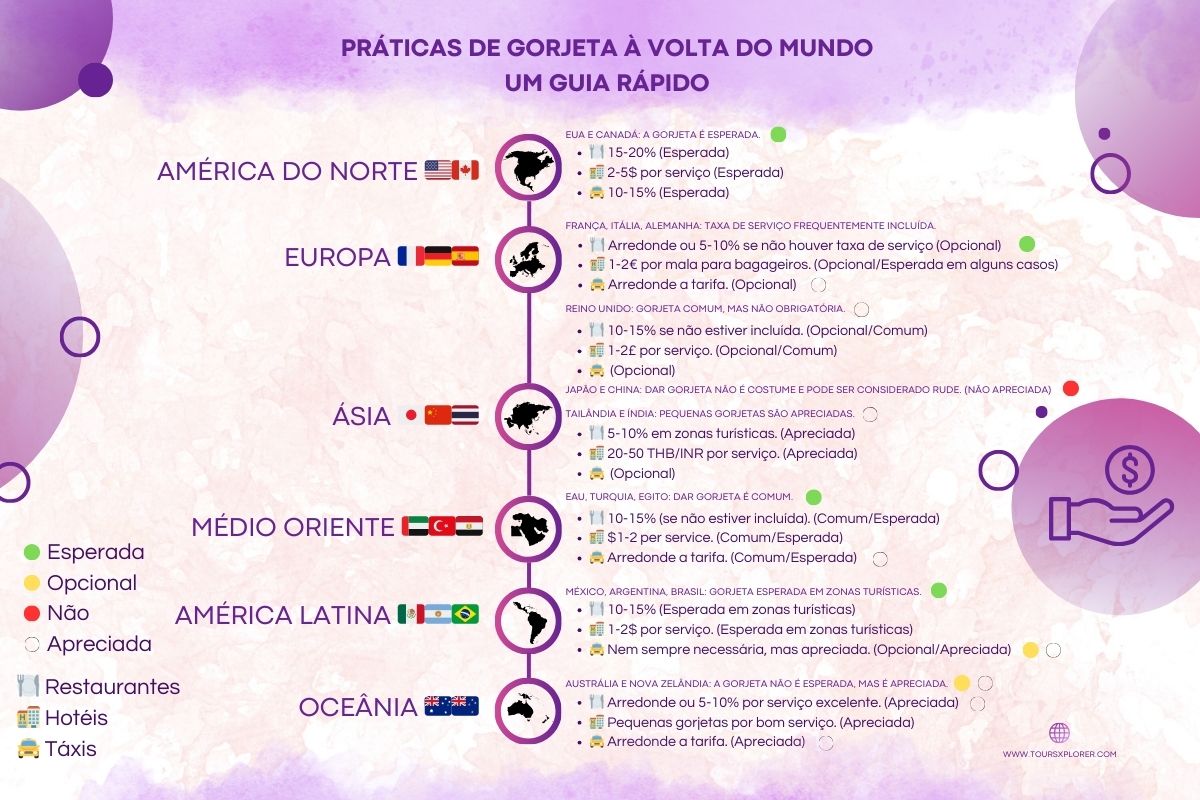
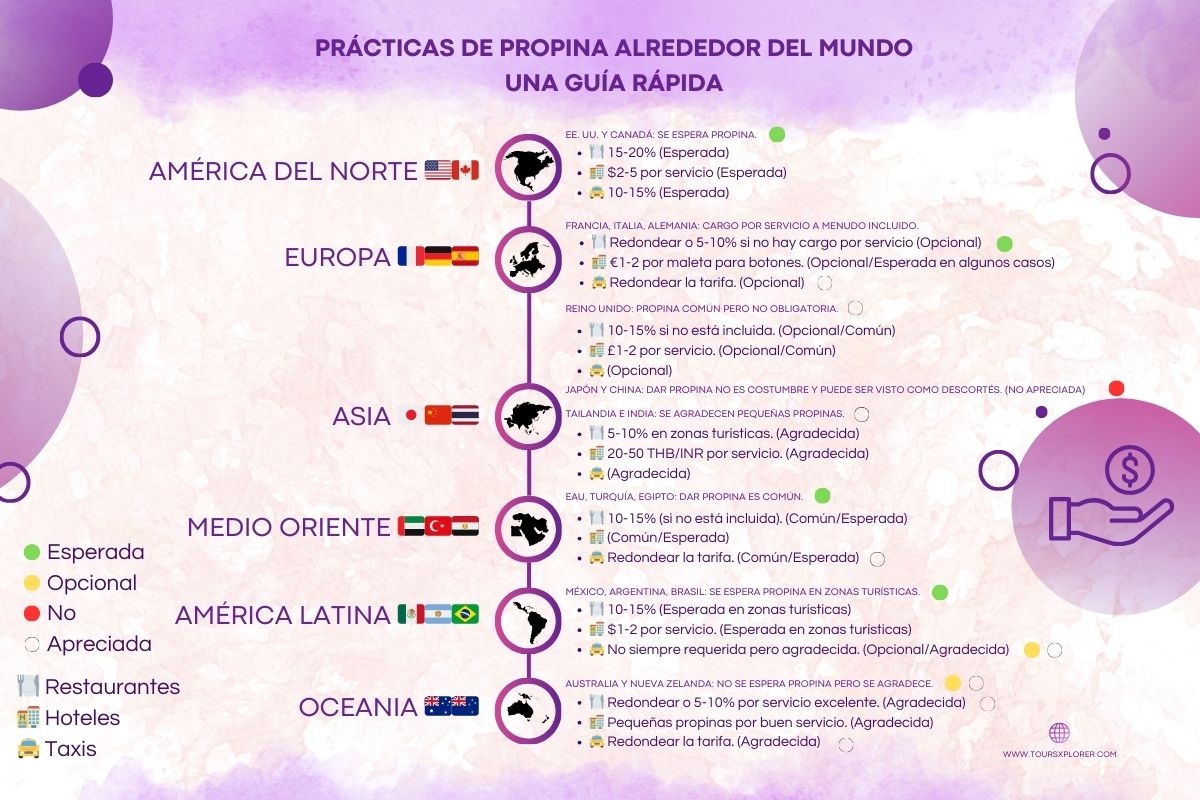
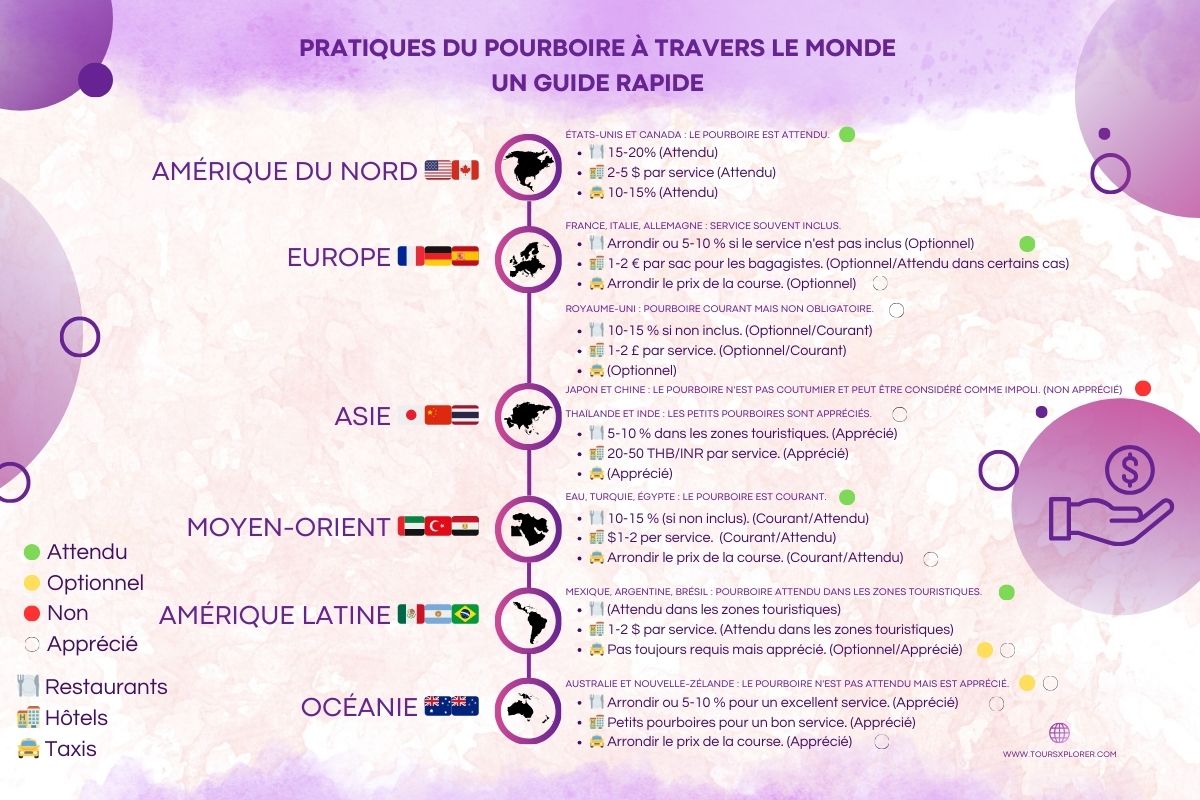
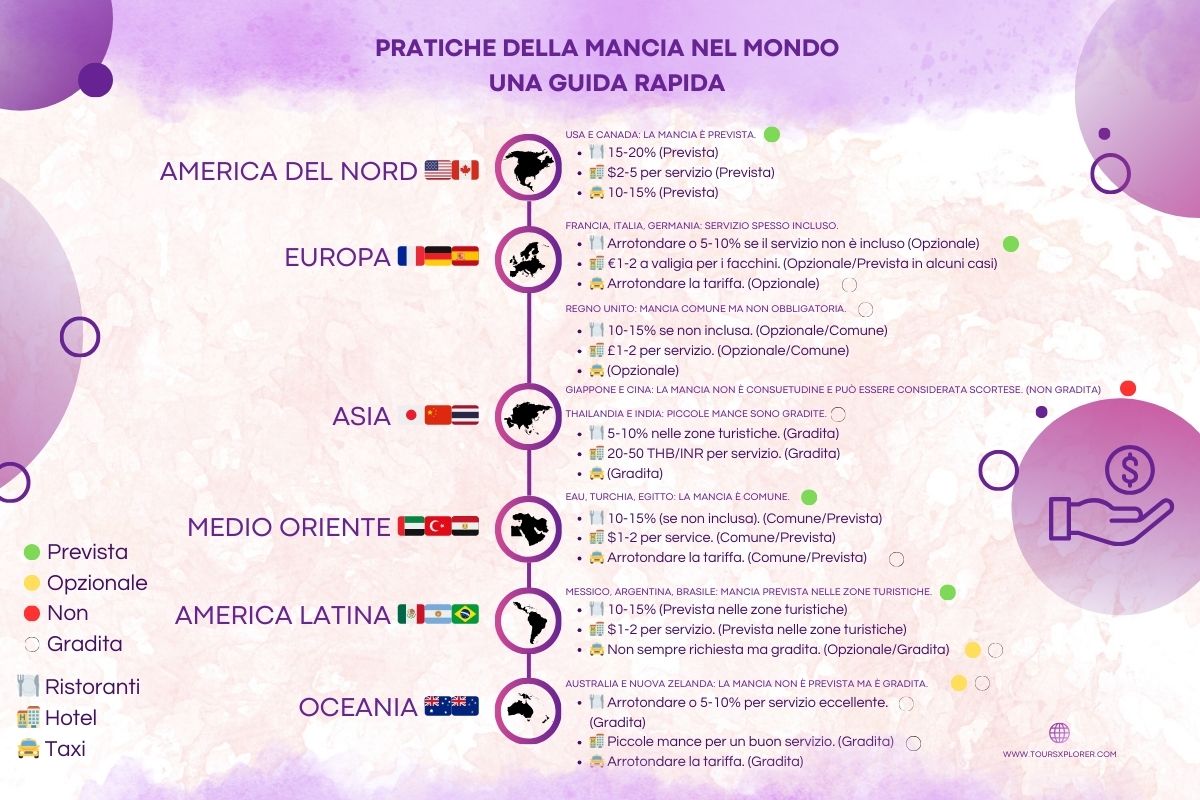
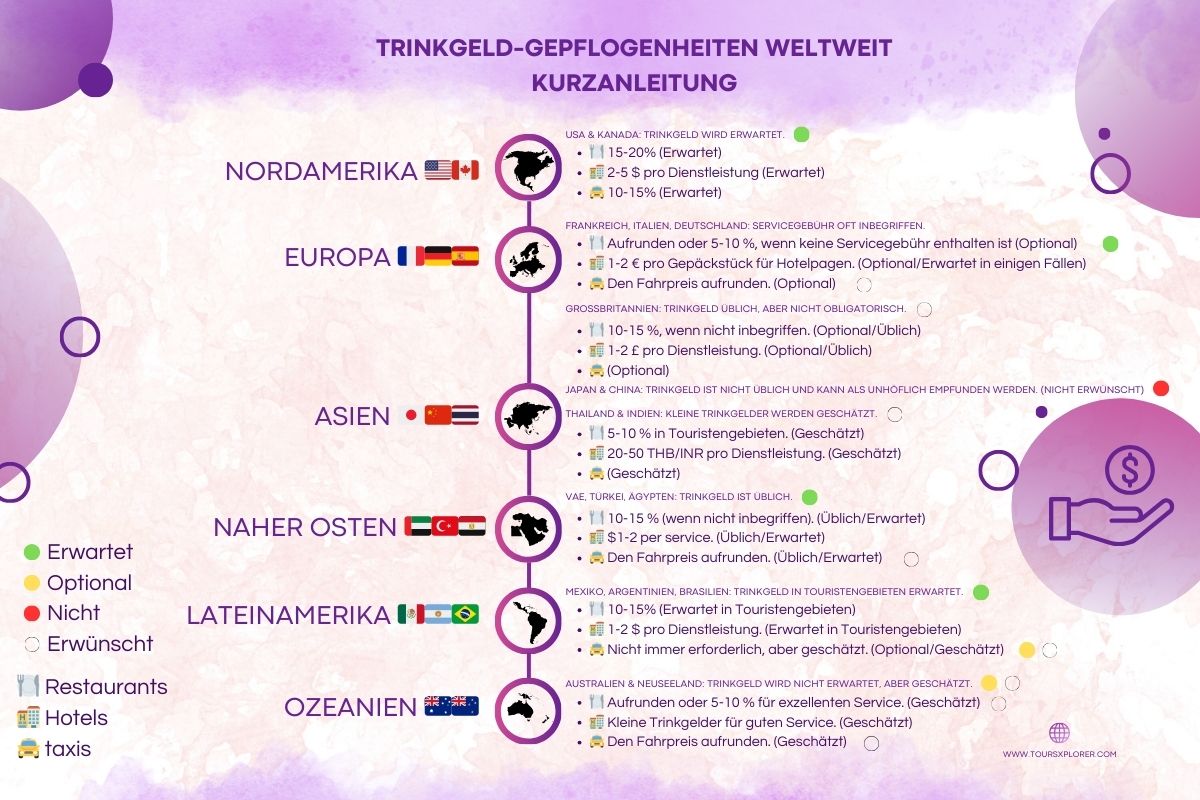
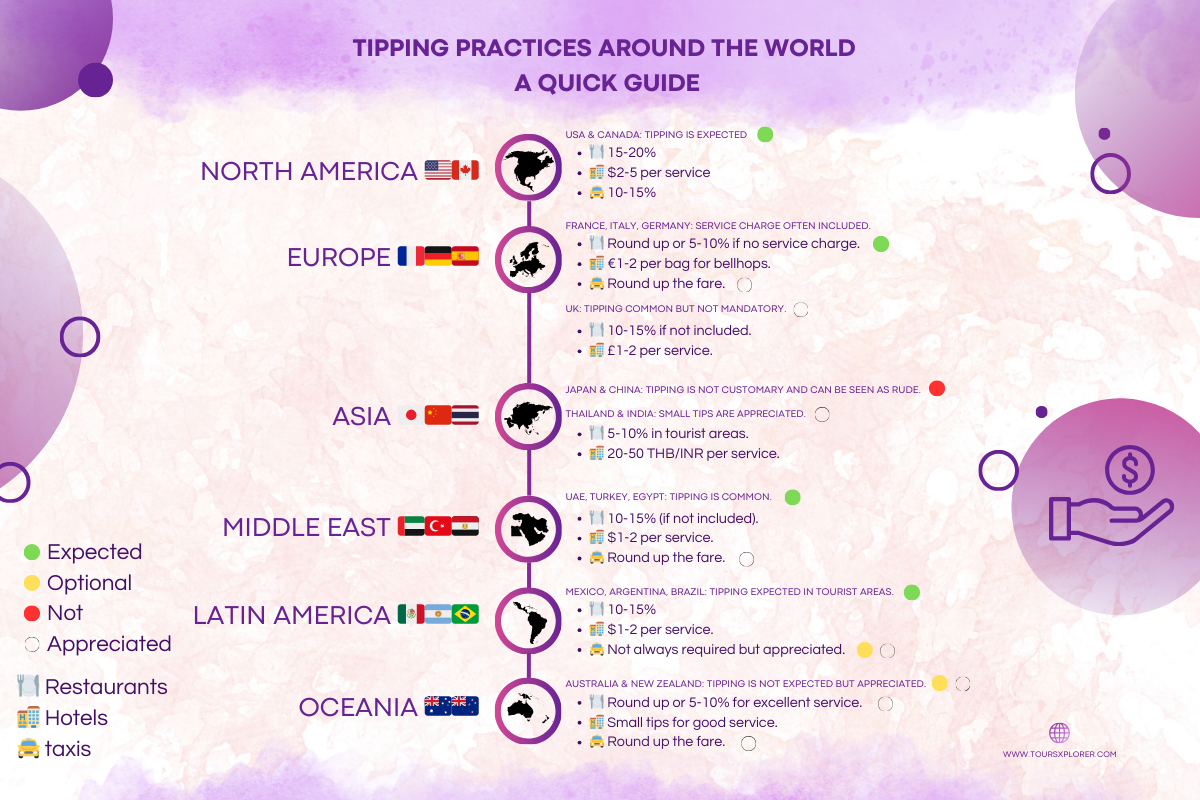
Tipping customs differ globally—research before you go!
5. Photography Etiquette
Capturing moments is part of travel, but not everything should be photographed.
- Always ask for permission before photographing locals, religious ceremonies, or sacred sites.
- In some regions, photographing government buildings or military personnel is prohibited and may even lead to legal consequences.
- Be mindful of tourist-heavy sites where excessive photography can disrupt the experience for others.
6. Environmental Awareness
Being culturally respectful also means protecting the environment.
 Responsible travel includes respecting the environment and local conservation efforts.
- Respect local conservation rules—avoid littering, damaging heritage sites, or disturbing wildlife.
- In some cultures, wasting food or resources is seen as disrespectful, so order or buy only what you need.
- Participate in sustainable tourism practices, such as using eco-friendly transportation and avoiding single-use plastics.
7. Time Perception & Punctuality
Different cultures view time differently.
 Different cultures have varying perspectives on punctuality—adapt accordingly.
- In Germany, Switzerland, and Japan, punctuality is essential, and being late is seen as disrespectful.
- In countries like Spain, Italy, or parts of Latin America, a relaxed approach to time (known as “elastic time”) is more common.
- Understanding these differences can help travelers adjust expectations and avoid frustration.
Practical Tips for Respectful Travel
Here are some simple yet effective ways to be a culturally aware traveler:
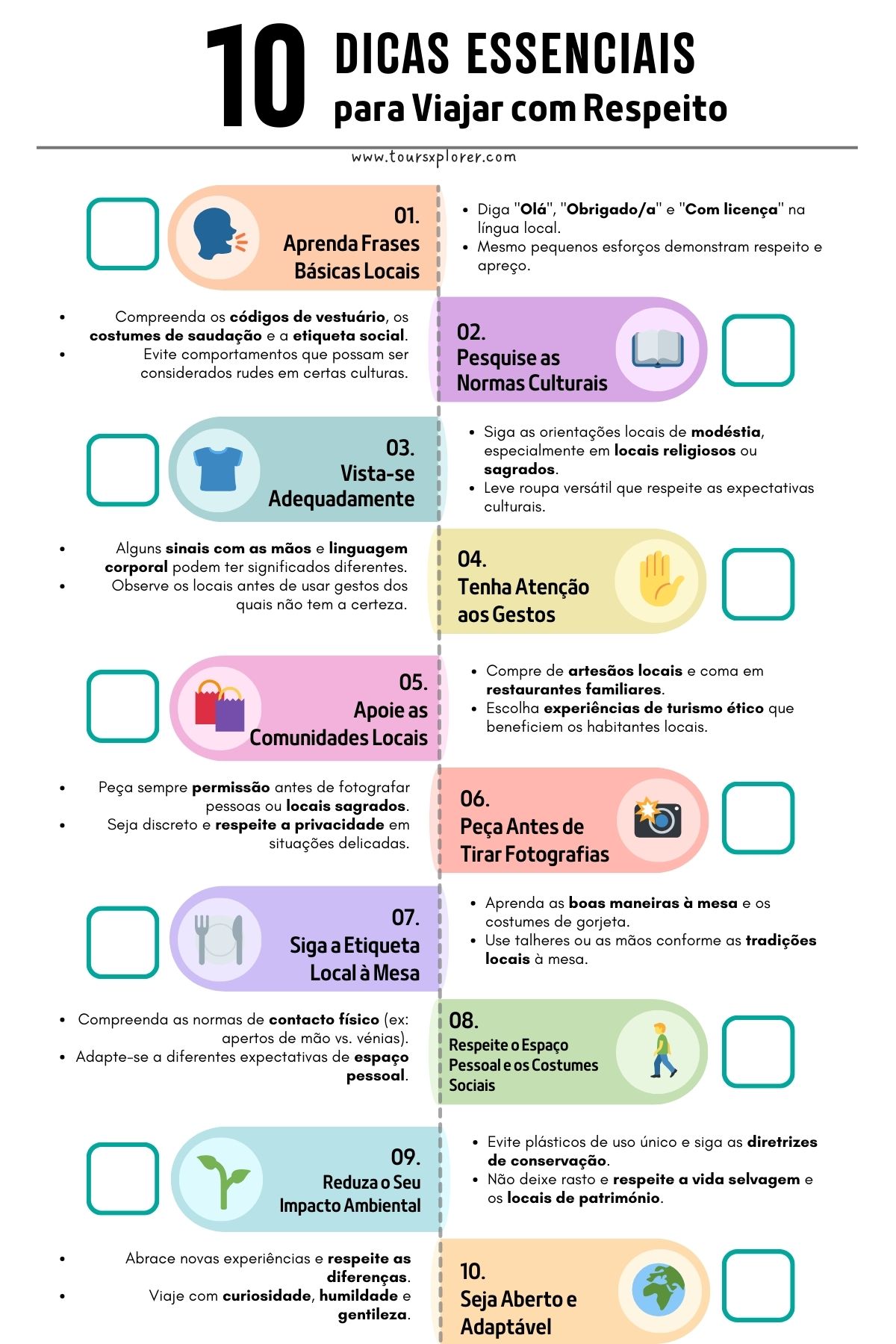

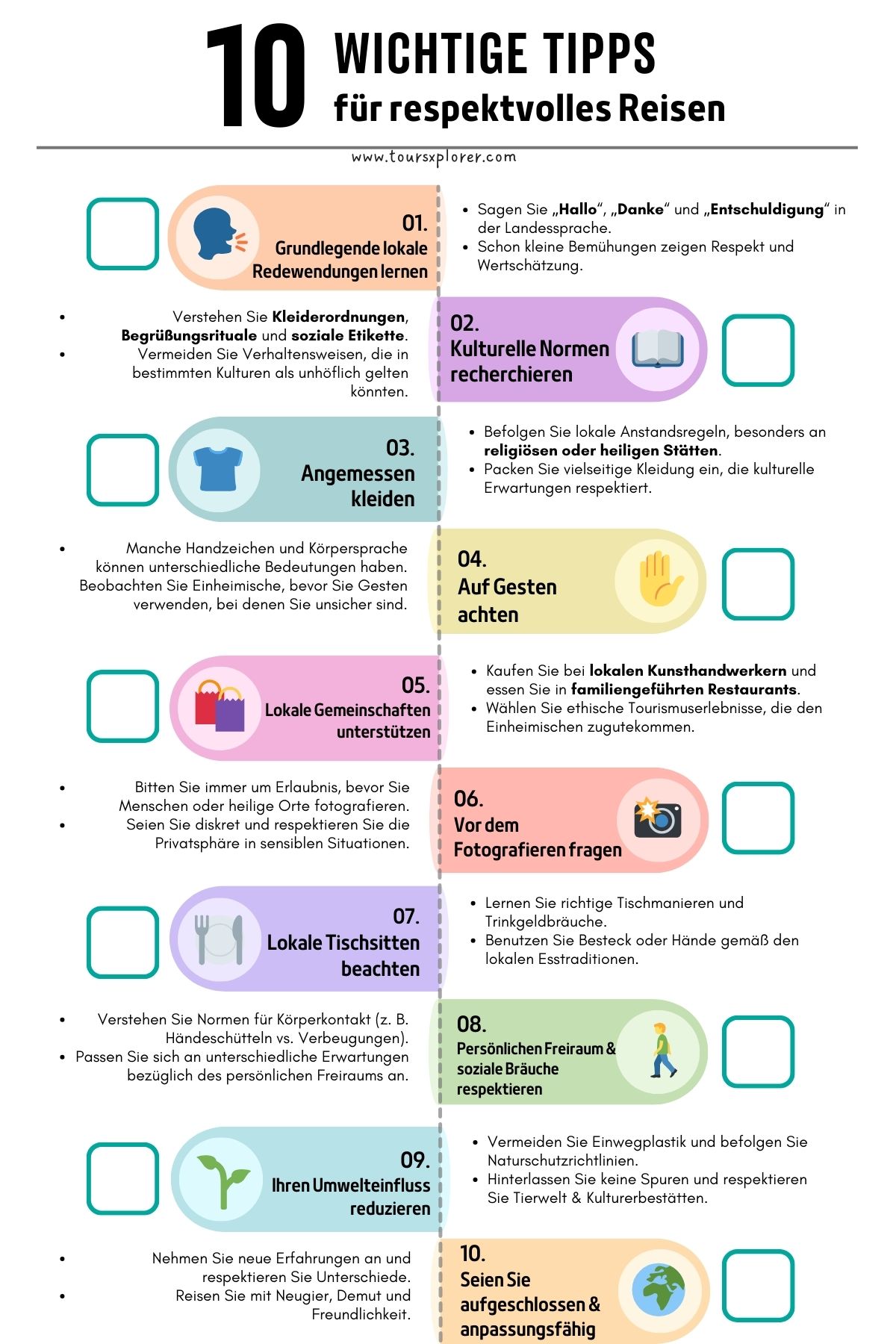
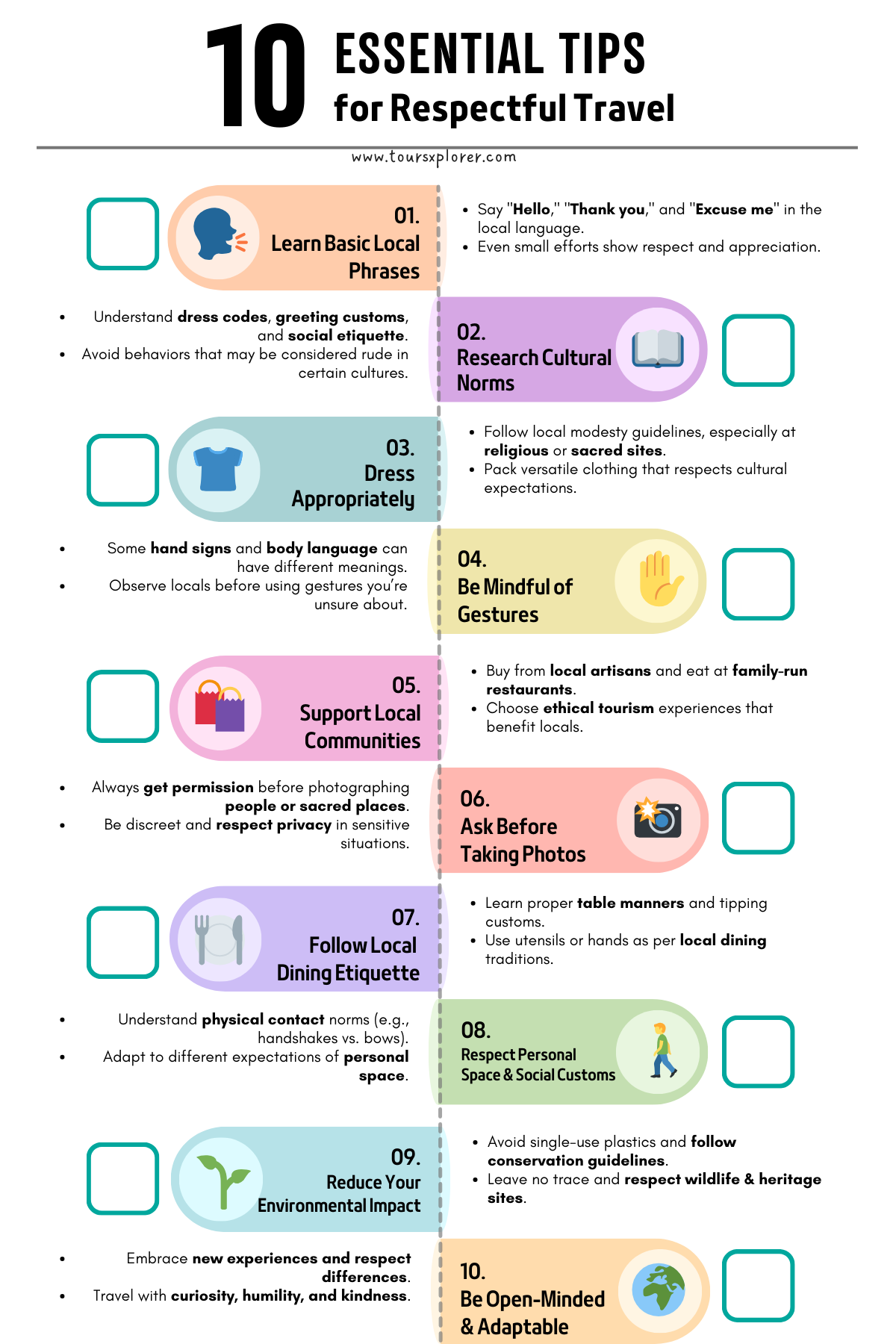
Follow these simple travel tips to respect local cultures and make your journey more meaningful!
- Learn basic phrases in the local language – Even a simple "hello" or "thank you" can go a long way.
- Research cultural norms before your trip – Understanding etiquette in advance helps prevent mistakes.
- Observe and follow local behavior – When in doubt, watch how locals act and mirror their behavior.
- Respect religious customs and dress codes – Especially in conservative countries.
- Avoid discussing sensitive topics – Politics, religion, or controversial history can be touchy subjects.
- Use neutral body language and gestures – When unsure, avoid excessive hand movements.
- Support local businesses and artisans – Contribute positively to the local economy.
- Ask before taking photos of people – Not everyone wants to be in your travel album.
- Be mindful of noise levels in public places – Some cultures value quietness in shared spaces.
- Adopt a flexible mindset – Embrace differences rather than comparing them to your home country.
The Rewards of Cultural Sensitivity
Traveling with cultural awareness enriches your experiences, making them more memorable and impactful. By respecting local traditions, you’ll not only gain deeper insights into the world but also foster a sense of global unity and understanding.
Being a culturally sensitive traveler means more than just following rules—it’s about approaching travel with curiosity, respect, and an open heart. When you travel with mindfulness, you create positive, meaningful, and unforgettable experiences.
Conclusion & Call to Action
Cultural awareness is an essential part of being a responsible traveler. By respecting traditions, embracing differences, and making conscious choices, you’ll leave a positive impact on the places you visit.
Next time you plan a trip, take the time to research and appreciate the local culture. The world is full of diverse traditions waiting to be explored—why not do so with respect and authenticity?
Frequently Asked Questions (FAQs)
-
What is cultural sensitivity in travel?
Cultural sensitivity means understanding and respecting the customs, traditions, and beliefs of the places you visit to ensure positive interactions. -
How can I avoid cultural misunderstandings while traveling?
Research local customs, observe how locals behave, and ask when unsure about certain practices. -
Why is it important to respect dress codes in different countries?
Many places have dress codes due to religious or cultural beliefs, and following them shows respect for local traditions. -
Should I always tip in restaurants abroad?
Tipping customs vary; check whether it’s expected or considered unnecessary in your destination. -
What’s the best way to greet someone in a different culture?
Learn the local greeting customs—whether it’s a handshake, bow, or cheek kiss—to avoid unintended offense.
Stay Updated:
 |
 |
 |
||
 |
 |
 |
||