




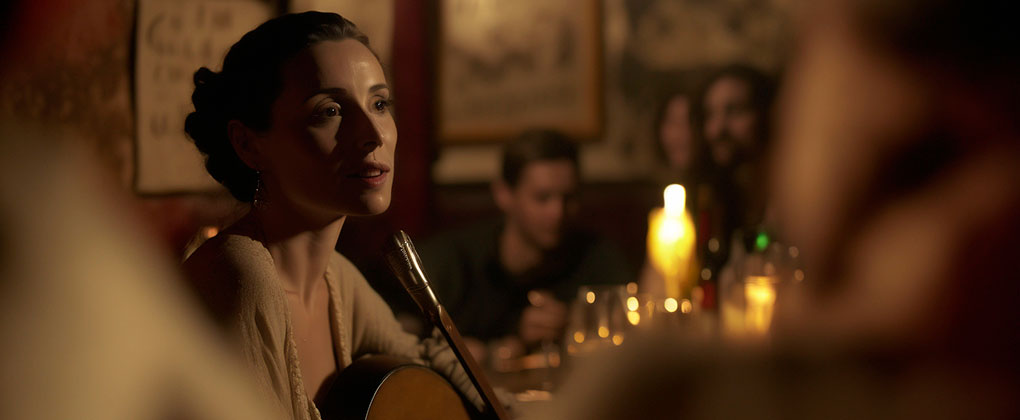
A fadista performs at a candlelit taberna in Alfama, Lisbon's oldest neighbourhood.
Lisbon Fado Music Shows
Hearing Fado in Lisbon: A Guide to Live Shows, Dinners and the Real Thing
From rising voices in intimate casas de fado to private sunset evenings with wine and song — what to know before your first fado night in Lisbon.
Fado is not background music. In Lisbon's narrow-laned neighbourhoods of Alfama, Mouraria and Bairro Alto, it fills low-ceilinged rooms with a particular kind of weight — part grief, part longing, part pride. Attending a live fado show here is one of those experiences that doesn't translate well into a photograph.
The genre has been part of Lisbon's social fabric since the early 19th century, and it earned UNESCO Intangible Cultural Heritage status in 2011. What that recognition confirms is something locals already knew: fado is not a performance put on for tourists. It is, at its roots, a communal ritual — a way of processing emotion that has survived empires, dictatorships and economic upheaval. When the fadista begins, conversation stops, wine glasses are set down, and the room holds its breath.
The classic lineup — a vocalist, a Portuguese guitarra (twelve-string pear-shaped guitar) and a viola baixo (acoustic bass guitar) — has remained remarkably consistent across two centuries. What changes from venue to venue is the register: some casas seat fifty people at long shared tables, others have room for a dozen. Some pair the music with a full traditional dinner of bacalhau and presunto; others offer tapas and wine. All of them, if you choose well, will give you something close to the authentic experience.
"Fado is not a concert you attend — it is a conversation you are invited to join, conducted in a language older than words."
Live Fado Experiences to Book in Lisbon
The options below span different formats — intimate dinners, small-group evenings, tapas-and-drinks settings and private sunset experiences — each suited to a different kind of evening. All feature live performance rather than recorded music.
Dinner & Fado Shows
Tapas, Drinks & Live Performance
Private & Sunset Experiences
Looking for more fado and live music options in Lisbon? Browse the full selection of shows, dinners and cultural evenings — filtered by date, group size and neighbourhood.
See all Lisbon live shows →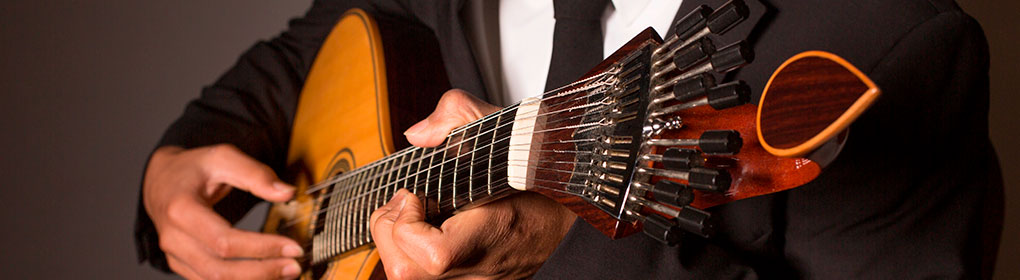
The twelve-string Portuguese guitarra is the defining instrument of fado — distinct from the Spanish guitar in both shape and tuning.
What Separates a Good Fado House from a Tourist Trap
Lisbon has dozens of venues that bill themselves as fado experiences, and the quality varies considerably. The clearest signal of a genuine casa de fado is the silence. In a room where the music is respected, the audience goes quiet when the fadista stands — not because a sign tells them to, but because the atmosphere demands it. Venues where conversation competes with the performance throughout the evening are typically catering to a different priority.
A second indicator is the balance between food and music. In the best casas, the dinner is secondary — good, often traditional, but not the main event. The pacing of the evening is structured so that the music arrives at the right moment, after guests have settled in and the room has found its rhythm. Venues where the entertainment feels rushed or tacked on to a restaurant meal tend to offer a thinner experience.
It is also worth noting the difference between Lisbon fado and Coimbra fado. The Coimbra tradition, associated with the university city to the north, is performed almost exclusively by men and carries a more academic character. Lisbon fado — particularly in Alfama — has always been more open in voice, more raw in feeling, and more directly connected to the city's working-class history.
"In Alfama, fado was never art for art's sake. It was something people reached for when ordinary language wasn't enough."
How to Prepare for Your Fado Evening
A few practical notes make the experience smoother. Most dinners start with drinks and a relaxed first course — the music typically begins after the meal has settled into its rhythm, around 9 or 9:30 pm. Arriving on time matters, not just for logistics but because latecomers disrupt the atmosphere that takes the first half-hour to build. Dress code is relaxed — smart casual is appropriate at virtually all venues.
If you are attending with a group, consider a small-group or private format rather than a large restaurant-style show. The acoustic intimacy of fado is significantly diminished in rooms that seat more than fifty or sixty people. The music was designed for small, close spaces where you can hear the voice without amplification and watch the expression on the fadista's face from across the room.
Finally, it is worth understanding that saudade — the untranslatable Portuguese concept of melancholic longing for something absent or lost — is not just a theme of fado; it is its emotional grammar. You do not need to understand the Portuguese lyrics to feel the structure of that emotion. The voice carries it independently of the words.
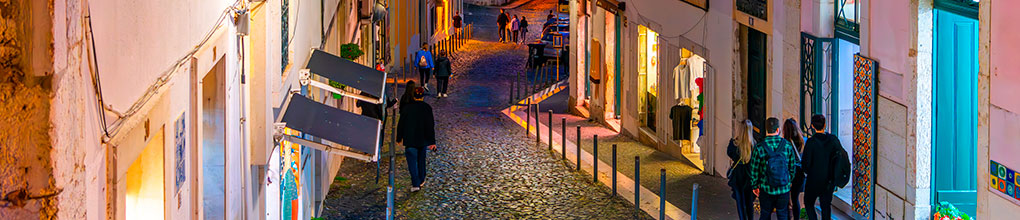
Alfama's steep, cobblestoned lanes have been fado's natural habitat since the genre first emerged in Lisbon in the 1820s.
Ready to plan your fado evening in Lisbon? From small-group tapas nights to private sunset dinners with live performance, there are formats for every kind of visit.
Browse all Lisbon fado experiences →Frequently Asked Questions
Do I need to understand Portuguese to enjoy a fado show?
No. The emotional content of fado communicates through voice and music rather than lyrics alone. Many venues provide brief printed translations of the songs performed, but most non-Portuguese speakers find the experience fully engaging without them.
Which neighbourhood has the best fado houses in Lisbon?
Alfama is the most historically significant neighbourhood for fado and hosts the highest concentration of genuine casas. Mouraria, where some accounts trace the genre's origins, has a smaller number of venues but a strong local reputation. Bairro Alto has a longer tradition of more informal fado bars, though many have closed or changed character over the decades.
How long does a typical fado dinner evening last?
Most dinner-and-fado evenings run between three and four hours. Drinks and starters typically fill the first hour, with the meal and musical sets interleaved through the remainder of the evening. Private or small-group formats sometimes run longer depending on the itinerary.
Is fado appropriate for children?
The music itself is entirely appropriate for children and many Portuguese families attend fado dinners together. Practically speaking, the late start times — most shows begin after 9 pm — make it less suitable for young children. Teens with an interest in music often find it genuinely engaging.
What is the difference between a casa de fado and a restaurant with fado?
A casa de fado is a venue whose primary purpose is the music; the food and drink support the experience. A restaurant with fado treats the music as an accompaniment to dining. The distinction is not always obvious from the outside, which is why booking through a curated platform or reading detailed reviews before choosing a venue is useful.
Are there fado experiences that don't include a full dinner?
Yes. Several venues in Lisbon offer fado with tapas and drinks rather than a full dinner — a lighter format that still centres the live performance. The Associação tapas-and-drinks option listed above is one example. These tend to start slightly later in the evening and suit guests who have already eaten elsewhere.