Discovering the Évora District: A Journey Through Time and Culture
Introduction to Évora District
Setting the Scene: The Heart of Alentejo
Nestled in the heart of Portugal's Alentejo region, the Évora District is a tapestry of historical richness, cultural depth, and natural beauty. As you traverse its rolling plains dotted with olive groves and cork oaks, you'll encounter a landscape that whispers tales of ancient civilizations and timeless traditions. The district's capital, Évora, a UNESCO World Heritage Site, stands as a testament to the region's enduring legacy, offering a harmonious blend of Roman, Moorish, and Portuguese influences.
 A solitary tree in the Alentejo landscape—symbolizing the serene and expansive beauty of Portugal's countryside.
Why Évora Should Be Your Next Destination
Évora is more than just a city; it's an immersive experience that captivates the senses and the soul. Whether you're a history enthusiast eager to explore ancient ruins, a foodie craving authentic Alentejo cuisine, or a traveler seeking serene landscapes, Évora promises an unforgettable journey. Its well-preserved architecture, vibrant cultural scene, and commitment to sustainability make it a must-visit destination for discerning travelers.
Historical Marvels of Évora
The Roman Temple of Évora: A Glimpse into Antiquity
Standing majestically in the city's historic center, the Roman Temple of Évora, often referred to as the Temple of Diana, is one of the best-preserved Roman structures on the Iberian Peninsula. Dating back to the 1st century AD, this iconic monument offers a tangible connection to the city's ancient past. Its Corinthian columns and granite base have withstood the test of time, inviting visitors to ponder the lives of those who once walked these grounds.
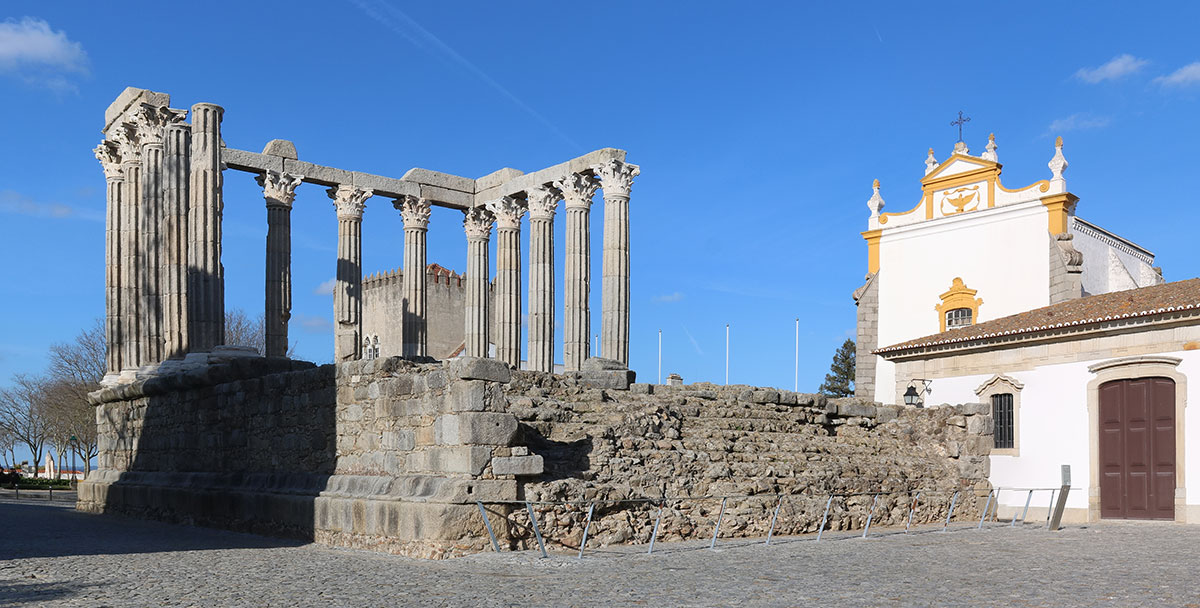 The Roman Temple of Évora, a testament to the city's Roman heritage.
The Cathedral of Évora: A Blend of Architectural Styles
The Cathedral of Évora, or Sé de Évora, is a striking example of architectural evolution, showcasing Romanesque, Gothic, and Baroque elements. Constructed between the 12th and 13th centuries, this imposing structure features a fortress-like exterior and a richly adorned interior. Climb to the rooftop for panoramic views of the city and surrounding countryside, and don't miss the cloisters, which offer a peaceful retreat amidst intricate stonework.
The Chapel of Bones: A Reflective Encounter
Perhaps one of Évora's most thought-provoking sites, the Chapel of Bones (Capela dos Ossos) is both eerie and enlightening. Adorned with the bones of approximately 5,000 individuals, this 16th-century chapel was designed to prompt contemplation on the transient nature of life. The inscription above the entrance, "We bones that are here, for yours await," serves as a poignant reminder of our shared mortality.
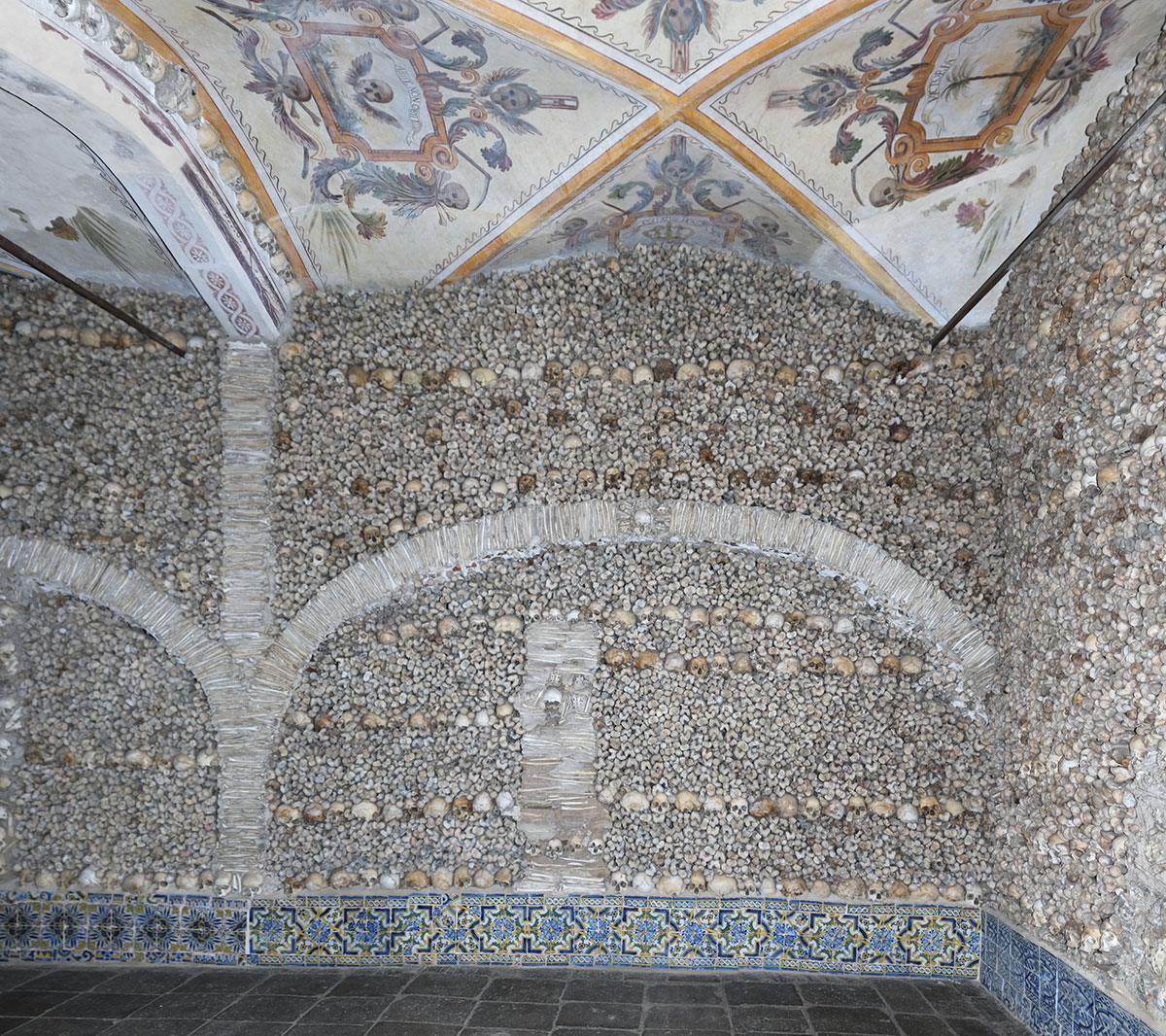 The eerie yet fascinating Chapel of Bones in Évora.
Cultural and Natural Attractions
Giraldo Square: The Vibrant Center of Évora
At the heart of Évora lies Giraldo Square (Praça do Giraldo), a bustling hub where history and modern life converge. Surrounded by charming arcades and historic buildings, the square is a popular gathering spot for locals and visitors alike. Enjoy a leisurely coffee at one of the outdoor cafés, admire the 16th-century fountain, and soak in the lively atmosphere that defines this central plaza.
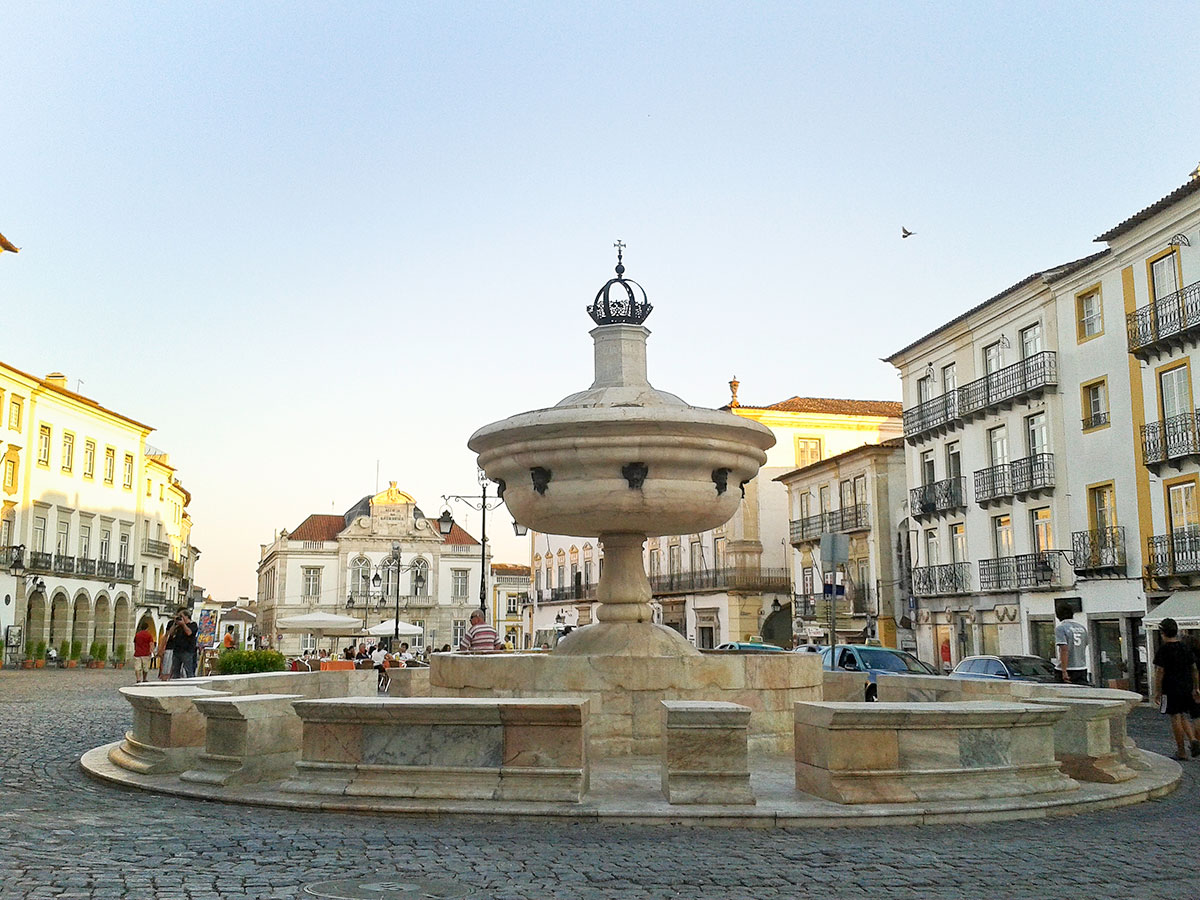 The vibrant heart of Évora, Giraldo Square is a hub of activity.
Monsaraz Castle: A Medieval Fortress with Panoramic Views
Perched atop a hill overlooking the Alqueva Lake, Monsaraz Castle offers breathtaking vistas and a journey back in time. This medieval fortress, with its well-preserved walls and cobbled streets, exudes old-world charm. Wander through the village's narrow lanes, explore artisan shops, and savor local delicacies while taking in the stunning landscape that stretches as far as the eye can see.
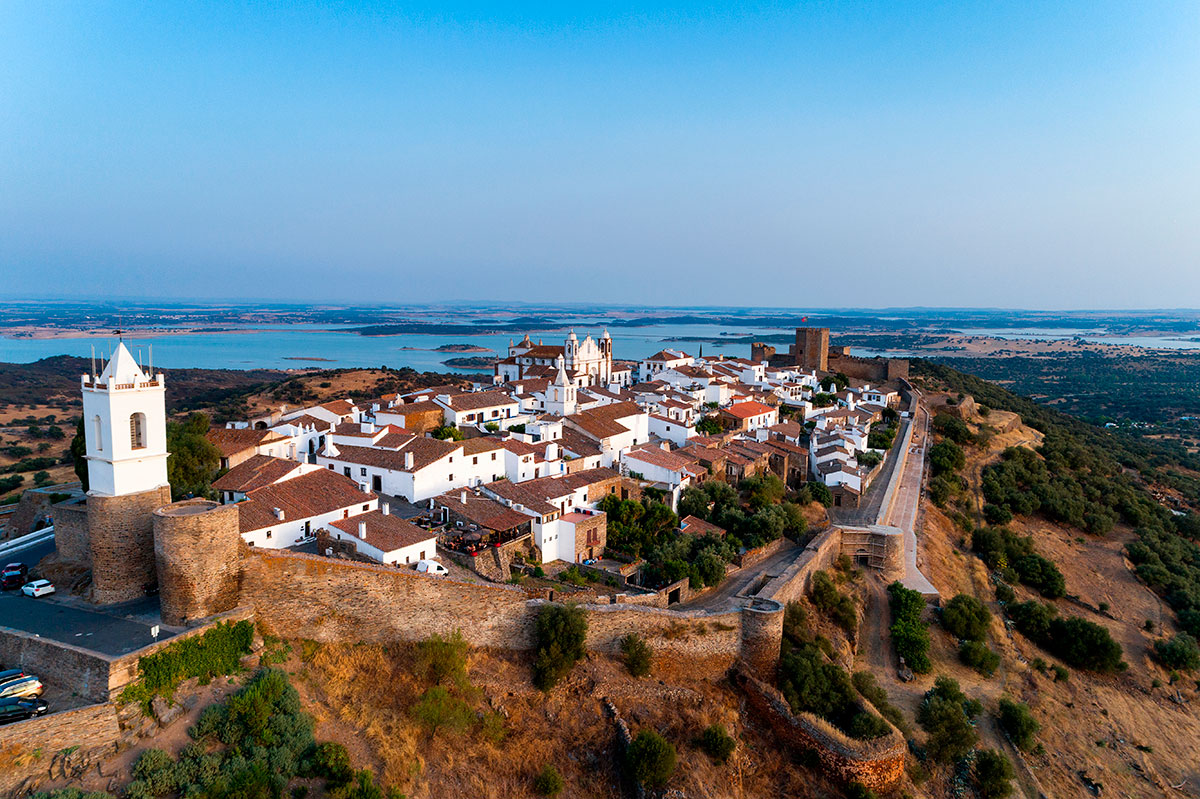 Monsaraz Castle offers panoramic views of the Alentejo landscape.
Alentejo's Megalithic Monuments: Mysteries of the Past
The Évora District is home to an array of megalithic sites, including the Almendres Cromlech, one of the largest stone circles in Europe. These ancient structures, dating back to the Neolithic period, offer a glimpse into prehistoric rituals and astronomical practices. Visiting these enigmatic monuments provides a unique opportunity to connect with the region's distant past.
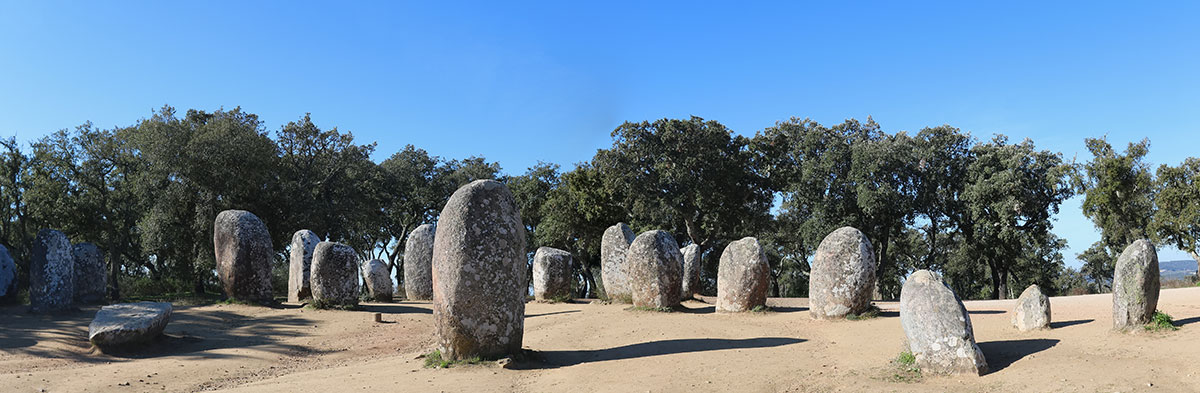 Discover the prehistoric megalithic sites scattered across Alentejo.
Culinary Delights of Alentejo
Traditional Dishes: A Taste of the Region
When you travel through the Évora District, your taste buds embark on a journey just as rich as the landscapes you explore. Alentejo’s cuisine is a hearty celebration of the land and its traditions—simple, rustic, and deeply flavorful. Expect a strong presence of pork, lamb, and game, often seasoned with garlic, coriander, and olive oil, all staples in the local pantry.
One standout dish is Carne de Porco à Alentejana—a unique combination of marinated pork and clams that exemplifies the coastal-inland fusion of flavors. Another must-try is Açorda Alentejana, a rustic bread soup flavored with garlic, cilantro, olive oil, and topped with a poached egg. It's comfort food in its most soulful form.
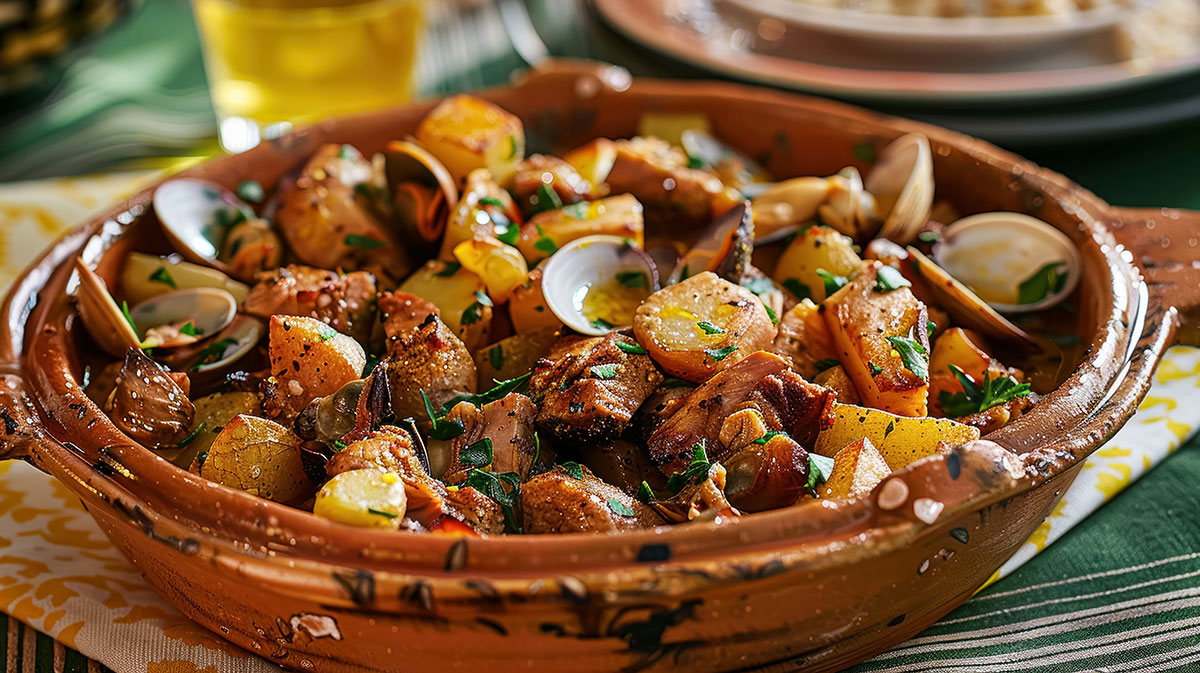 Savor the rich flavors of Alentejo's traditional cuisine.
Desserts are no afterthought here. Alentejo sweets like Pão de Rala, Encharcada, and Sericaia (a cinnamon-infused sponge) owe their origins to ancient convent kitchens, where nuns turned egg yolks and sugar into divine creations. Pair any dish with Alentejano bread, a dense and chewy delight that’s perfect for sopping up every last bit of flavor.
Local Wines: Savoring Alentejo's Vineyards
Alentejo is one of Portugal’s premier wine regions, and Évora is at the heart of it all. With vast rolling vineyards and a climate that favors bold reds and fruity whites, this area has become a wine lover’s paradise.
 Experience the renowned wines of the Alentejo region.
Red wines dominate, typically blends of Aragonês, Trincadeira, and Alicante Bouschet, offering robust, earthy profiles with notes of ripe berries and spice. If you prefer something lighter, try the refreshing whites made from Antão Vaz and Arinto—perfect for sipping on a sunny terrace.
Many wineries in and around Évora offer tastings and tours, giving you a firsthand look at the winemaking process. Whether it's a family-run estate or a modern wine resort, each offers an authentic experience with scenic views and a glass (or bottle) of Alentejo’s finest.
Accommodation Options in Évora
Charming Guesthouses: Experience Local Hospitality
Forget impersonal hotels—Évora offers a range of intimate, locally owned guesthouses and boutique stays that immerse you in the region’s warm hospitality. Staying in a restored manor house or traditional quinta is like stepping into a storybook. These accommodations often boast charming interiors with hand-painted tiles, antique furnishings, and courtyards shaded by orange trees.
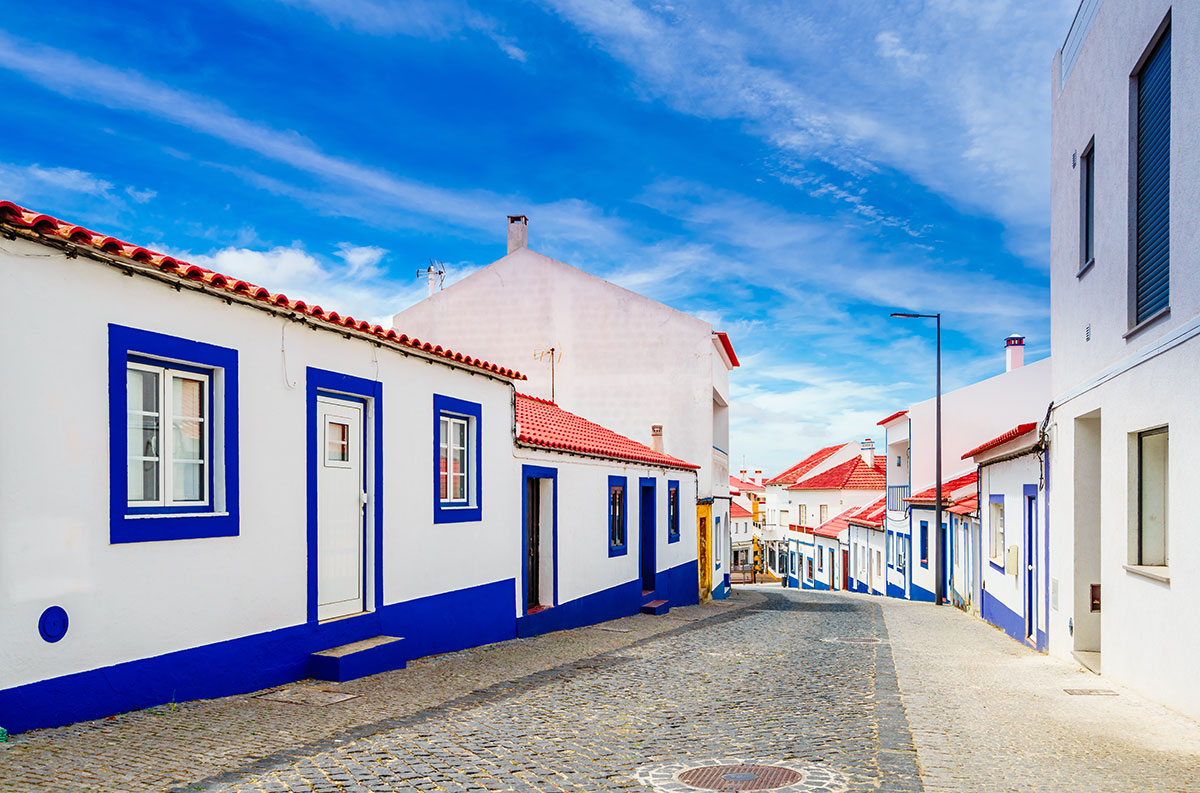 Experience authentic Alentejo charm at one of Évora’s welcoming guesthouses, where local hospitality and rustic elegance create a perfect retreat.
Many guesthouses serve home-cooked breakfasts, with local cheeses, jams, and pastries that start your day on a delicious note. What makes them truly special, though, is the personal touch—hosts who share insider tips, hidden spots, and perhaps even a glass of homemade liqueur by the fire.
Guesthouses in Évora offer more than a place to sleep—they provide a window into daily life in Alentejo and are perfect for travelers seeking a slower, more meaningful connection to the place.
Eco-Friendly Lodges: Sustainable Stays in Nature
For the environmentally conscious traveler, Évora doesn’t disappoint. A growing number of eco-lodges and agritourism spots cater to those who want to travel light on the planet but heavy on experience. These lodges are often set in olive groves, cork forests, or rolling vineyards, offering peace, privacy, and panoramic views.
Many operate on solar power, use locally sourced building materials, and follow water-saving practices. You might stay in a converted barn, a mud-walled cottage, or a sleek modern eco-home—each built with sustainability and comfort in mind.
Activities range from nature walks and birdwatching to olive oil tastings and organic farm-to-table meals, all while supporting local communities. Staying at an eco-lodge in Évora is not only a relaxing experience—it’s also a responsible choice.
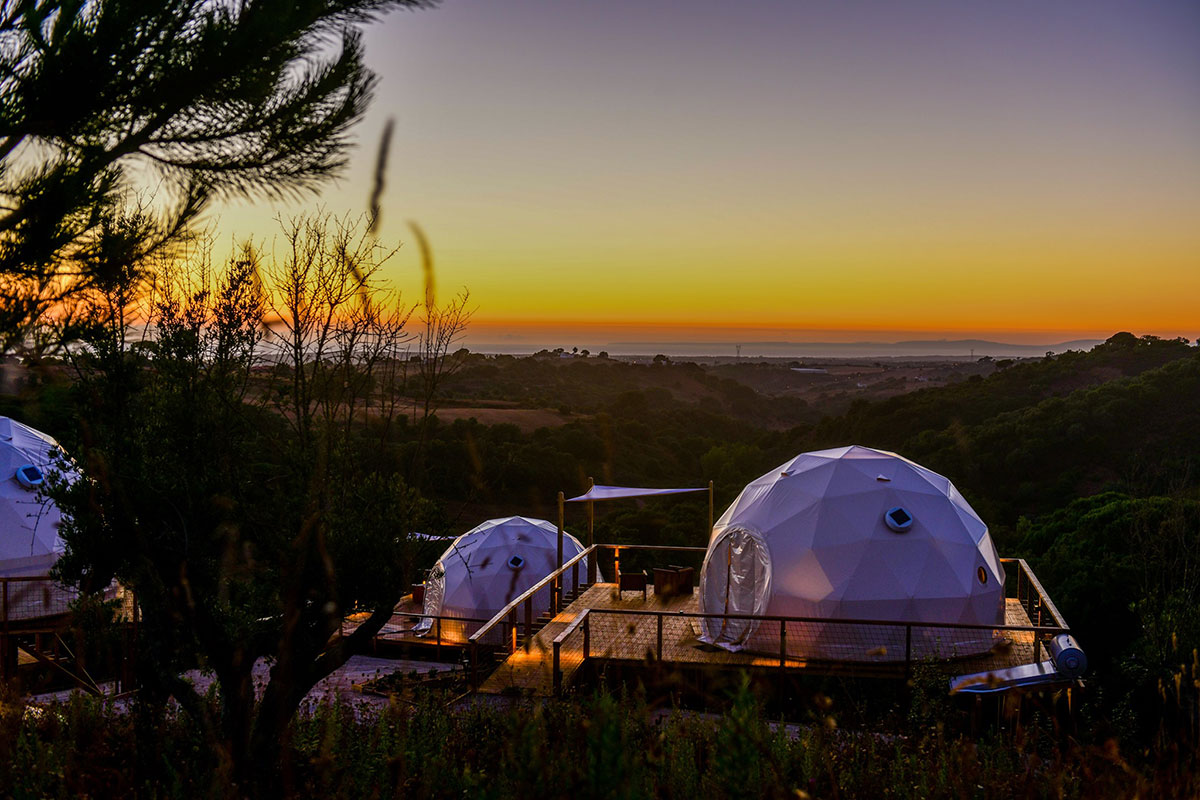 Stay sustainably at one of Alentejo's eco-friendly lodges.
Practical Travel Tips
Getting There: Transportation Options
Getting to Évora is remarkably easy, whether you're coming from Lisbon or exploring the rest of Portugal. From Lisbon, it's about a 90-minute drive east via the A6 highway. If you prefer public transportation, regular trains and buses run between Lisbon and Évora, making it a convenient day trip or the start of a longer Alentejo adventure.
Once you're there, a rental car is highly recommended to explore the wider district—especially if you want to visit remote villages, vineyards, and megalithic sites. Parking in Évora city is manageable, and the scenic drives through olive groves and cork oak forests are an adventure in themselves.
Best Times to Visit: Seasonal Highlights
Évora is beautiful year-round, but your experience can vary dramatically with the seasons. Spring (March to May) is ideal, with wildflowers blooming and comfortable temperatures perfect for walking tours and vineyard visits. Fall (September to November) is harvest season, a great time to enjoy wine tastings and food festivals.
Summer can be quite hot, especially in July and August, with temperatures often soaring above 35°C (95°F). If you visit during this time, plan your outdoor activities early or late in the day and take advantage of the many shaded terraces and cool stone buildings.
Sustainable Tourism Practices: Traveling Responsibly
Traveling responsibly in Évora means more than recycling—it's about supporting local artisans, choosing eco-conscious accommodations, and respecting cultural and historical sites. Many attractions are working toward sustainability through conservation programs and local community engagement.
Take part by using reusable water bottles, minimizing waste, and booking with platforms like ToursXplorer.com that partner with local businesses to promote eco-friendly tourism. These choices make your trip not only more authentic but also more impactful.
Activities and Experiences
Outdoor Adventures: Exploring the Alentejo Landscape
The Évora District isn't just about ancient architecture and tasty cuisine—it's also a dream destination for lovers of the great outdoors. This part of Alentejo unfolds like a painting, with rolling hills, golden fields, tranquil lakes, and cork forests that beckon you to explore beyond the city limits.
One of the most popular natural attractions is Alqueva Lake, Europe’s largest artificial lake. Here, visitors can enjoy kayaking, paddleboarding, and boat tours while soaking in the region’s peaceful vibe. The lake’s vast, mirror-like waters reflect stunning sunsets and offer some of the best stargazing opportunities in Europe, thanks to minimal light pollution and certified Dark Sky status.
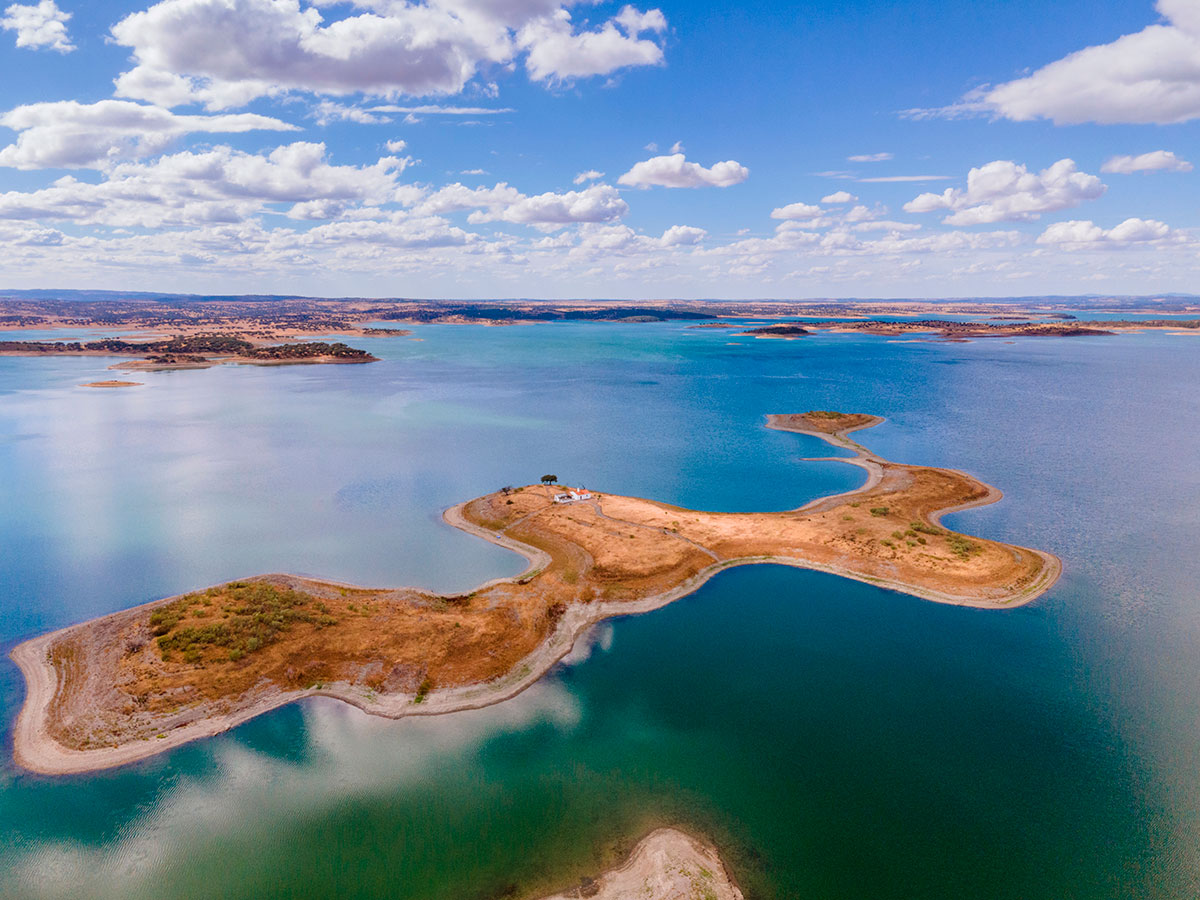 Alqueva Lake, Europe's largest artificial lake, offers serene vistas.
Hiking and biking enthusiasts will find plenty of scenic routes. Trails like the Rota Vicentina and the Great Route of the Alentejo pass through picturesque villages and remote countryside. You can also book a guided jeep safari or horseback ride, ideal for discovering hidden ruins, ancient olive groves, and panoramic viewpoints.
These outdoor adventures are more than just physical activities—they’re a way to experience Alentejo’s soul, where every path and pasture tells a story of time, tradition, and untouched beauty.
Cultural Events: Festivals and Traditions
If you want to dive into Évora’s vibrant spirit, plan your visit around one of its many cultural events. The district hosts a variety of festivals that celebrate music, food, religion, and history, each offering a colorful insight into local life.
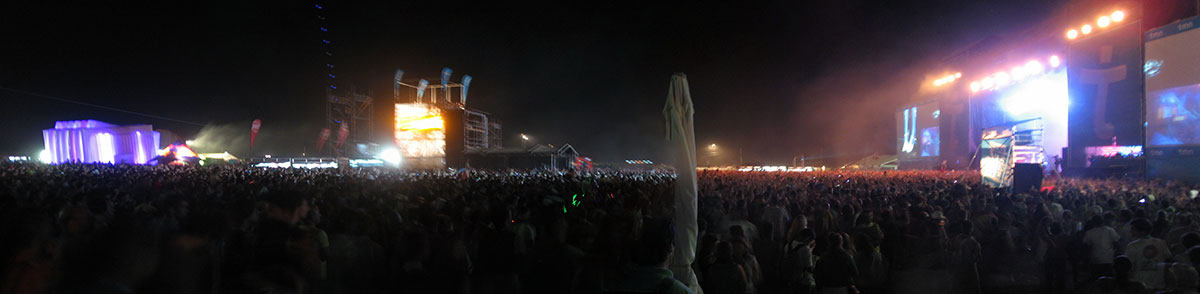 Immerse yourself in the vibrant festivals of the Évora District.
A standout event is the Évora Classical Music Festival, which transforms the city into a stage for orchestras and soloists performing in atmospheric venues like churches and palaces. There’s also the Festa dos Capuchos, a lively religious festival featuring processions, traditional dress, and communal feasts.
In the summer, medieval fairs and wine festivals fill the calendar, particularly in towns like Monsaraz and Reguengos de Monsaraz. Expect everything from live folk music and artisan markets to street food stalls and wine tastings.
These events offer a wonderful opportunity to engage with locals, learn about age-old customs, and savor the communal joy that makes Alentejo such a special place to visit.
Conclusion
Embracing the Évora Experience
Évora District is not just a destination—it’s an experience that lingers in your memory long after the trip is over. It’s in the golden hue of the countryside at sunset, the warm smile of a guesthouse host, the timeless calm of standing inside a stone circle older than history itself. It’s the flavors of garlic and coriander, the echo of footsteps in cobbled alleys, and the peaceful silence beneath a star-filled sky.
From its Roman relics to its Renaissance facades, from the haunting Chapel of Bones to the joyful buzz of Giraldo Square, Évora draws you in with a mix of history, hospitality, and raw, untouched beauty. It’s a place where time slows down, inviting you to truly live in each moment.
And the best part? Every adventure you crave—from wine tastings to castle climbs—is just a click away at ToursXplorer.com. So why just read about Évora when you can experience it for yourself?
Let the journey begin—book your next adventure today and let Évora's charm work its magic on you.
Frequently Asked Questions
1. What is the best way to travel to Évora from Lisbon?
The easiest and most flexible way is by car, with a drive time of about 90 minutes. Alternatively, trains and buses also run regularly from Lisbon to Évora, making it accessible for all types of travelers.
2. Are there guided tours available for Évora’s historical sites?
Yes, ToursXplorer.com offers a variety of guided tours, from historical walking tours to thematic routes exploring megalithic sites, food trails, and wine estates.
3. Is Évora suitable for family travel?
Absolutely! Évora offers kid-friendly attractions like castles, open-air parks, and interactive museums, along with plenty of outdoor space for family exploration.
4. When is the best time to visit Évora?
Spring (March to May) and fall (September to November) offer the best weather and fewer crowds, making it ideal for sightseeing and outdoor activities.
5. What kind of food can I expect in Évora?
You’ll find traditional Alentejo cuisine, rich in pork, lamb, herbs, and olive oil. Don’t miss local wines and convent-made sweets for a true taste of the region.