Discover Alentejo: Portugal’s Timeless Region of Wine, History, and Stars
There’s a place in southern Portugal where golden plains stretch to the horizon, time moves a little slower, and every village square seems to hum with old stories. That’s Alentejo. It’s not a region to rush through—it’s one to savor like a well-aged Talha wine or a slow-cooked “açorda.” Travelers who come here return changed; sun-warmed, soul-fed, a little more in tune with the beauty of simplicity.
From walled cities with Roman ruins to wild Atlantic coastlines, Alentejo is where culture, nature, and tradition dance together under a sky full of stars. And if you’re looking to experience the best of it, ToursXplorer.com can help you go far beyond the guidebooks.
Historical and Architectural Heritage of Alentejo
Explore Évora: A Living Museum of Roman and Moorish Legacy
This isn't just another old city—it’s a stage for 2,000 years of European history. Évora, a UNESCO World Heritage site, is the crown jewel of Alentejo’s architectural charm. You’ll walk through the arched Roman Temple of Diana, touch the ancient aqueduct walls that run like veins through the city, and duck into gothic chapels with bone-covered altars. Évora isn’t preserved—it’s alive.
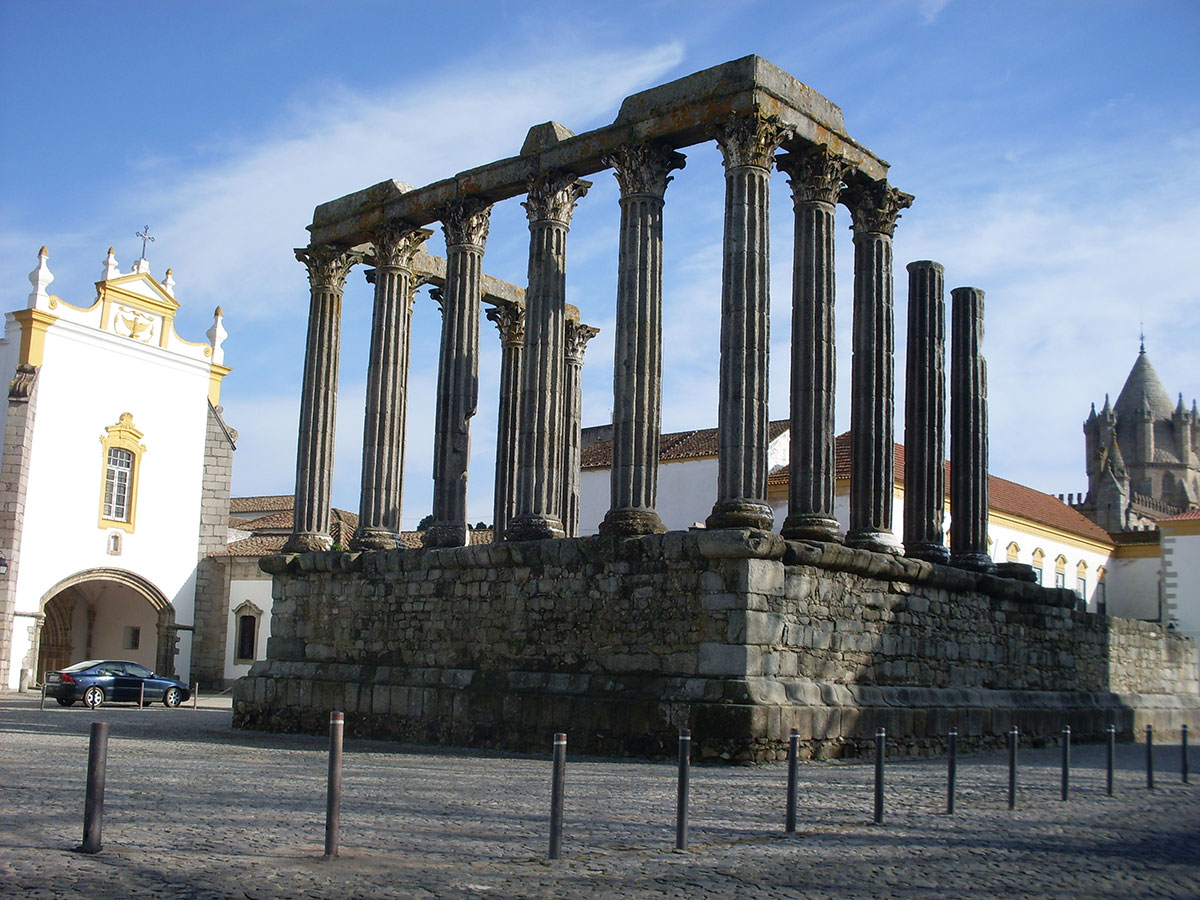 The iconic Roman Temple of Évora stands as a testament to the city's rich historical tapestry.
Visit Elvas and its Imposing Star Forts
Further east, near the Spanish border, lies Elvas—a fortress town whose military architecture is so complex it was once called “the largest bulwarked dry-ditch system in the world.” Its star-shaped Fort Santa Luzia and Fort Graça are masterpieces of 17th-century design, built to outwit cannonballs and sieges. You can stroll the top of these walls, hear echoes of cannon fire in the silence, and see exactly why this town was never taken.
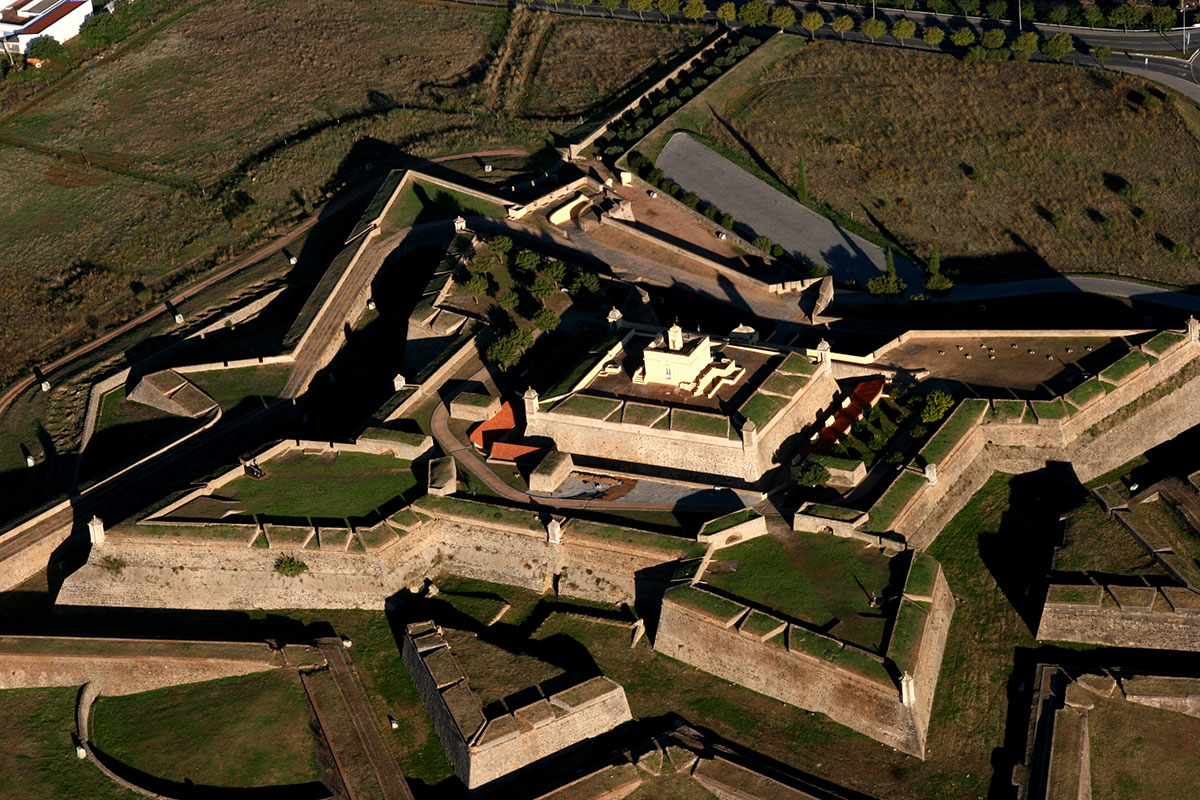 Fort Santa Luzia showcases the strategic military architecture of Elvas.
Alentejo Natural Landscapes and Outdoor Adventures
Hike the Rota Vicentina on the Alentejo Coast
Alentejo isn’t just stone towns and sleepy hills—it’s also cliffs that drop into a thunderous Atlantic and wildflower-lined trails that wind past fishing villages. The Rota Vicentina is a network of coastal hiking paths that runs through the Southwest Alentejo and Vicentine Coast Natural Park. Think panoramic cliffs, secret beaches, and maybe a fisherman or two mending nets beside a sleepy cove. It's Portugal’s untamed soul.
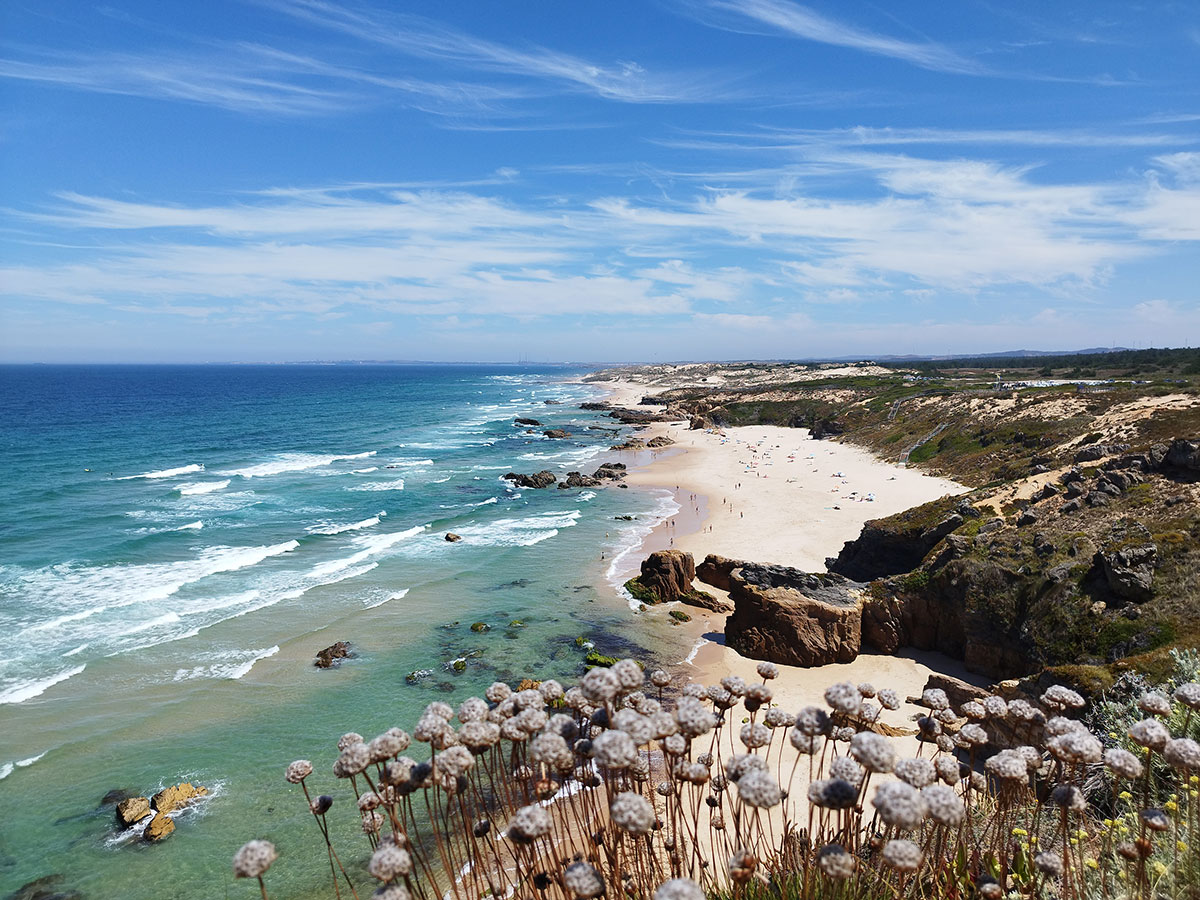 The Rota Vicentina offers breathtaking views of Alentejo's rugged coastline.
Cycling and Horseback Riding in Alentejo Plains
Away from the sea, the Alentejo heartland opens into rolling fields and cork oak forests. Rent a bike or saddle up for a horseback tour and ride through Montemor-o-Novo or Serpa, where the only sounds are hooves on dry earth and birdsong overhead. Some ToursXplorer itineraries even include picnics under cork trees—just you, the sun, and a bottle of local red.
Alentejo Food and Wine Culture
Indulge in Traditional Alentejo Gastronomy
The food here has soul. It’s peasant cooking elevated to poetry—bread soaked in garlic broth, pork marinated for days, and cheeses that taste like the earth they came from. In every village tavern, you’ll find something simple yet unforgettable. Try “migas” made with leftover bread and pork, or “ensopado de borrego”—lamb stew so rich it should come with a nap.
Wine Tasting in Alentejo Vineyards
This is wine country. Big, sun-drenched reds and whites with surprising minerality grow here, thanks to centuries-old vineyards and innovative winemakers. Many estates still use the Roman “Talha” method—fermenting wine in huge clay amphoras sunk into the ground. Book a wine tour with ToursXplorer and sip among the vines, hearing tales from winemakers like João at Herdade do Esporão who’ll tell you, “We don’t just make wine—we keep the land’s memory.”
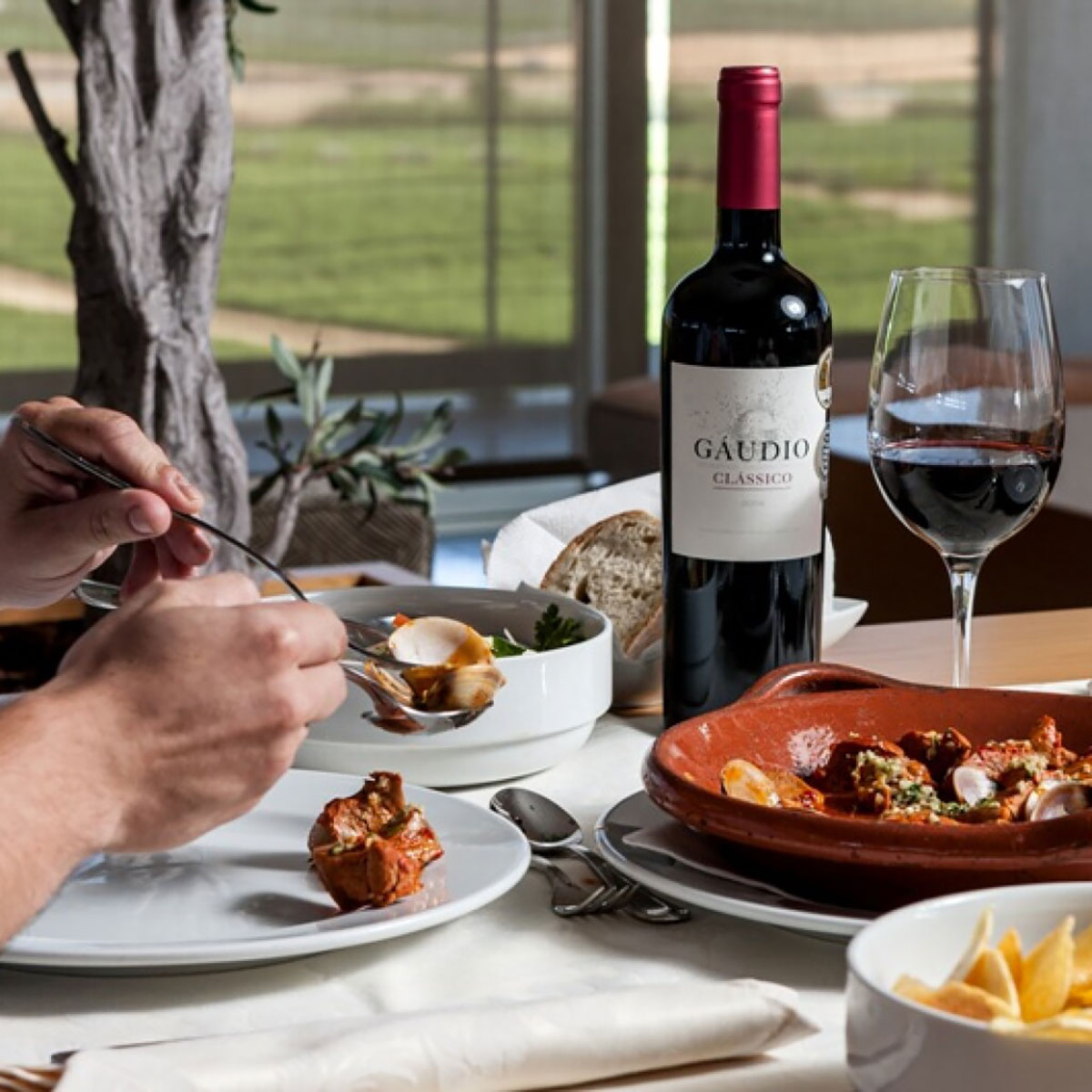 Experience the rich flavors of Alentejo's renowned wines amidst picturesque vineyards.
Traditional Crafts and Cultural Experiences in Alentejo
Meet the Artisans of Estremoz and Arraiolos
Alentejo’s creativity lives in the hands of its people. In Estremoz, potters mold figurines that tell stories from village life, while in Arraiolos, women weave tapestries the same way their great-grandmothers did. The rhythm of a loom or the smell of wet clay can draw you in—it’s mesmerizing.
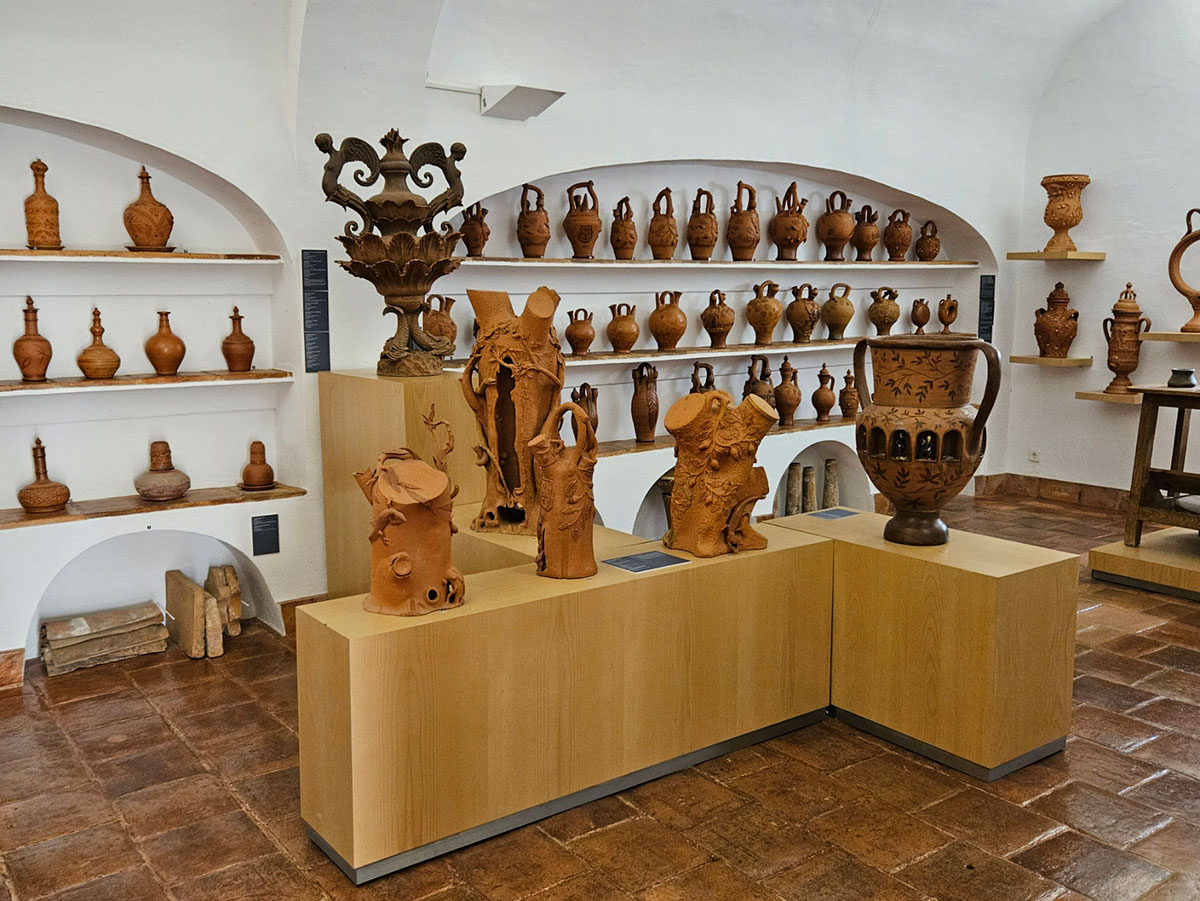 Estremoz artisans preserve centuries-old pottery techniques, reflecting Alentejo's cultural heritage.
Handmade Cork Crafts and Sustainable Design
Alentejo produces more than half of the world’s cork, and artisans here do amazing things with it—bags, shoes, furniture, even jewelry. It’s the ultimate eco-friendly material, and nowhere will you find more beautiful or creative uses for it than in the tiny workshops of São Brás de Alportel or Portalegre. It’s craftsmanship with conscience.
Alqueva Dark Sky Reserve: Stargazing in Alentejo
Stargazing Experiences in Europe’s First Starlight Reserve
When night falls, Alentejo reveals its greatest secret. Far from city lights, the Alqueva Dark Sky Reserve becomes a portal to the stars. Telescopes at observatories in Cumeada and Monsaraz offer guided tours of the galaxy, but even lying on your back by the lakeside, you’ll see constellations with the naked eye. It’s hard not to feel small—and deeply connected.
 Alqueva Dark Sky Reserve offers unparalleled stargazing experiences in the heart of Alentejo.
Stay Overnight Under the Stars
ToursXplorer offers stargazing retreats that pair astronomy with comfort. Think cozy glamping tents with telescopes by the door, or quiet lodges where blackout curtains seem redundant. Wake up before dawn and watch Venus rise like a flame over the horizon. Who needs a ceiling when the sky’s this perfect?
Rural Tourism and Hidden Villages in Alentejo
Discover Off-the-Beaten-Path Destinations in Alentejo
Away from the hotspots, there are villages you won’t find on glossy travel sites. Places like Juromenha, where the locals wave as you drive in, or Cova da Muda, where there’s one café and the best octopus you’ll ever eat. Spend a day here and you’ll understand Alentejo’s true luxury: silence.
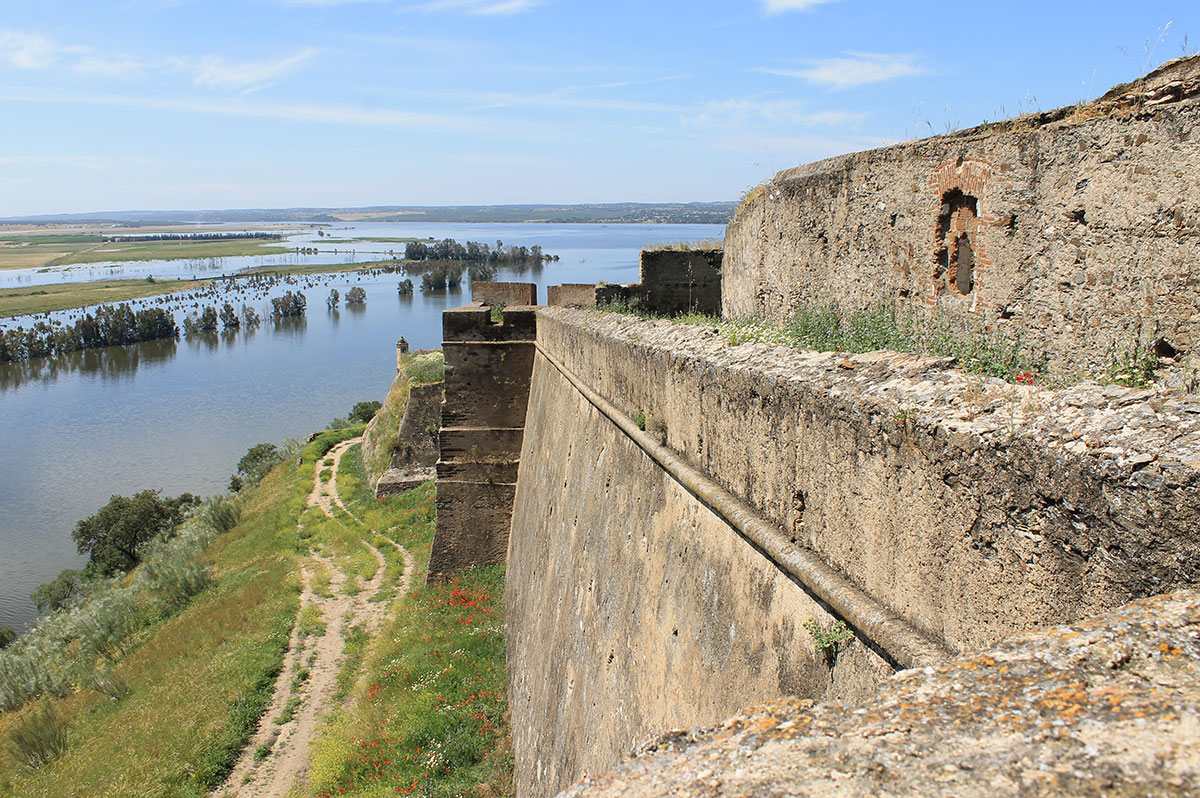 Juromenha's fortress stands as a silent sentinel over the tranquil Guadiana River.
Farm Stays and Slow Travel Experiences
Want something different from a hotel? Book a stay in a family-run “monte” farmhouse. You’ll help collect eggs in the morning, learn to bake bread in a wood-fired oven, and maybe even help with the olive harvest. It’s the opposite of tourism—it’s living. ToursXplorer has a few hidden gems where you’ll feel more guest than tourist.
Plan Your Journey with ToursXplorer.com
Alentejo isn’t flashy. It’s deeper than that. It’s where stories linger in the walls, stars burn clearer, and every meal tastes like it was made for you. Whether you're chasing Roman ruins, sipping wine by the vineyard, or counting meteors in the Alqueva sky, Alentejo will surprise you—softly, slowly, and completely.
And when you’re ready to experience the region like a local, ToursXplorer.com is your perfect guide. With tailored experiences, knowledgeable hosts, and access to places you won't find on your own, it’s not just travel—it’s a connection.
Now, who’s ready to go?