




Douro Valley Wine Tour from Porto: How to Choose the Right One (Day Trip vs. Overnight)
A clear-eyed comparison of the whirlwind day trip and the slow-travel overnight, so you can match the Douro to your schedule in 2026.
The Douro Valley sits roughly 120 kilometres east of Porto, a UNESCO-inscribed landscape of schist terraces, Port wine quintas, and one of Europe's oldest demarcated wine regions, established in 1756. Most visitors face the same decision: commit to a full-day return journey or book a bed among the vines. Both choices are valid. The question is which one fits your pace.
What does a day trip from Porto to the Douro Valley actually involve?
A standard Douro Valley wine tour from Porto departs the city around 8:30 or 9:00 a.m. and returns between 7:00 and 8:00 p.m., making for a trip of roughly 10 to 11 hours door to door. The drive east along the EN222, frequently cited as one of the most scenic roads in Portugal, takes approximately 1 hour 45 minutes to 2 hours each way depending on your starting point and traffic near Amarante.
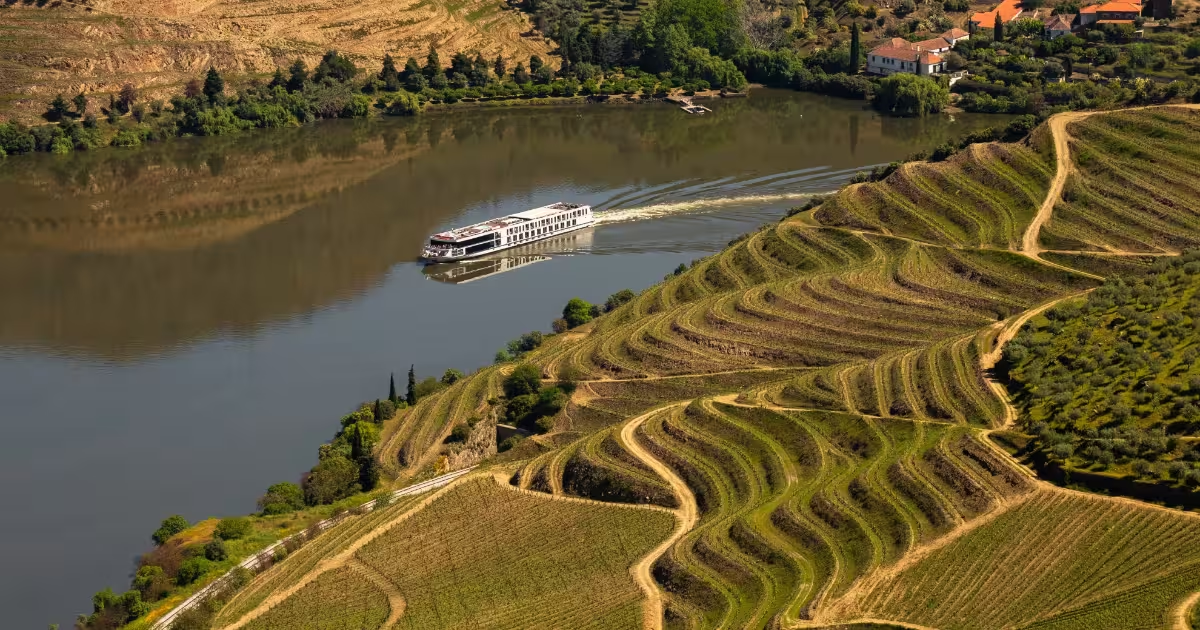
Within that window, a well-structured group tour typically includes visits to two quintas for wine tasting, a sit-down lunch at a winery or local restaurant, and a 45-minute to 1-hour rabelo boat cruise on the river between Pinhão and Régua. That leaves relatively little idle time, which is either an advantage or a drawback depending on how you travel.
The day trip format is a perfectly calibrated introduction to the Douro: enough to taste the valley's character without demanding a full itinerary rewrite. Think of it as an audit of whether you need to come back and stay longer.
Fatigue is worth factoring in honestly. Three to four hours of total driving in a single day, even through attractive scenery, is tiring. Travellers who chose a private tour rather than a shared coach consistently report a more comfortable experience, partly because the vehicle stops on demand and the pace adjusts to the group. Solo travellers and couples on tighter schedules, however, often find that the group format's fixed rhythm is exactly what keeps the day from expanding into chaos.
Is a day trip from Porto to the Douro Valley enough for most travellers?
For a large proportion of visitors to Porto, yes. If your Portugal itinerary runs five to seven days and the Douro Valley is one of several regions you want to touch, a single full-day tour covers the essential pillars: the river panorama from Casal de Loivos or São Leonardo de Galafura, at least one tasting of a Touriga Nacional-based red or a 10-year-old Tawny Port, and the particular pleasure of watching the terraces recede from a boat on the river.
What the day trip does not offer is time. You arrive when the quintas are already full of other visitors, you leave before the late-afternoon light turns the schist gold, and you bypass entirely the early-morning stillness that residents of the valley describe as its defining quality. The market towns of Peso da Régua and Pinhão are worth more than a passing glance from a tour bus window, and vertical tastings of older vintages (20-year or 40-year Tawny Ports, or library releases of table wines from producers like Quinta do Crasto or Quinta do Vale Meão) require appointment slots that day-trip schedules rarely accommodate.
The practical ceiling of a day trip is real, and ToursXplorer's listings make it straightforward to compare what each format includes before committing. If two wineries, one cruise, and a shared lunch table satisfy your curiosity, the day trip is the right tool. If you find yourself reading about the Douro Valley's 80-plus indigenous grape varieties or the history of the Baron of Forrester, who mapped the river in the 1840s, an overnight stay is probably already on your mind.
What does staying overnight in the Douro Valley actually add?
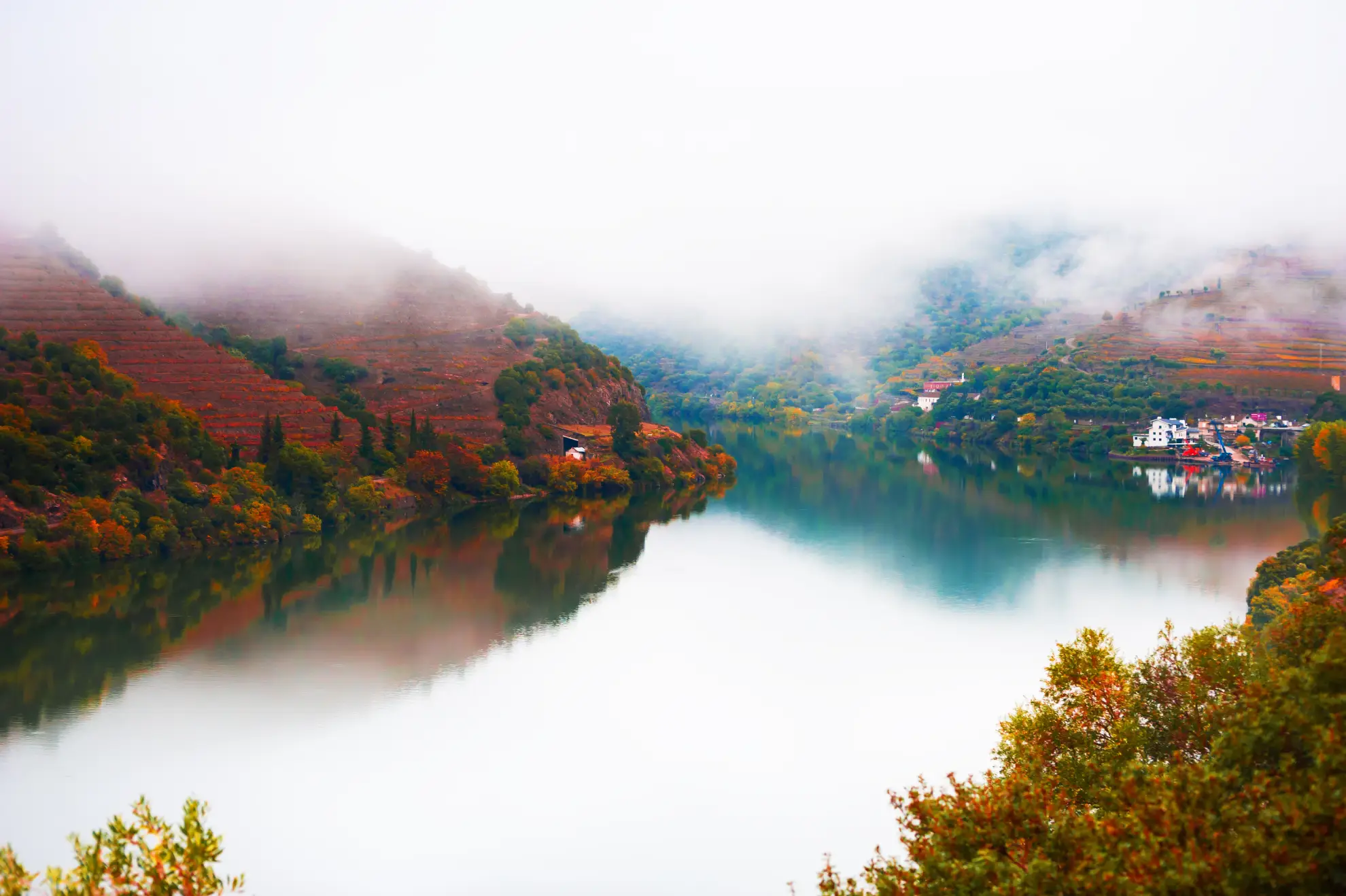
The clearest argument for an overnight stay is temporal: you are present for parts of the day that a day-trip itinerary structurally cannot reach. Sunrise over the Douro terraces, particularly in autumn during harvest (September and October), produces a quality of light that photographers and winemakers both describe as irreplaceable. Mist collects in the river valley below the upper terraces and burns off gradually, leaving the schist walls warm and the air carrying the faint scent of fermenting must from open lagares.
Sleeping in the valley does not simply extend your visit by one night. It changes the register of the experience entirely, from a whirlwind itinerary of scheduled stops to a slower engagement with a landscape that rewards patience.
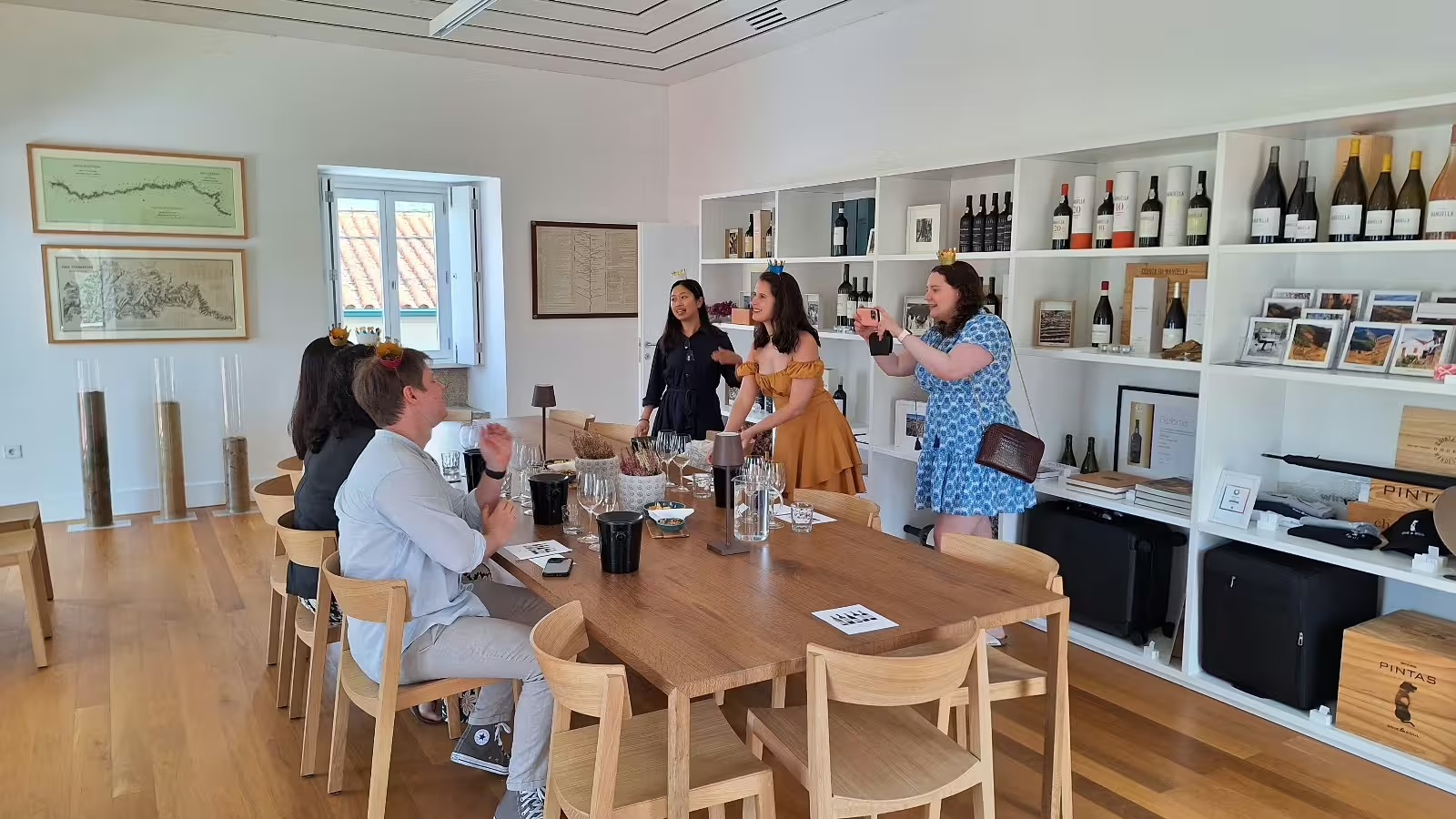
Practicalities shift positively in other ways. You can book a private dinner at a quinta, attend a guided vertical tasting of three or four consecutive vintages of the same wine, walk the levadas or the Trilho dos Socalcos hiking trail near Casal de Loivos at dawn, or simply sit on a terrace after 7:00 p.m. when the day-trippers have gone and the valley quiets to birdsong and the sound of the river.
Where to stay in Douro Valley Portugal spans a wide range. At the luxury end, Six Senses Douro Valley near Lamego offers spa facilities, a wine-focused programme, and rooms overlooking the river from approximately 400 euros per night in high season. Mid-range travellers often prefer authentic local quintas such as Quinta de la Rosa or Quinta do Pôpa, which offer tastings on-site, vineyard walks, and a more direct relationship with the winemaking families. For travellers arriving from Lisbon rather than Porto, the drive up the A2 and then the IP2 is roughly 3 hours, and a private car tour that incorporates an overnight removes all the scheduling friction.
Things to do in Douro Valley Portugal that are simply off the table for day-trippers include the corga (narrow ravine) hikes near Foz Côa, visits to the Côa Valley Paleolithic rock art sites (a UNESCO World Heritage site since 1998), and the narrow-gauge Tâmega and Corgo railway lines that historically connected the valley's market towns. Dinner at a quinta restaurant, eating dishes built around local ingredients like mirandesa beef or the small brown trout from the Tedo tributary, is another experience the 10-hour format cannot accommodate.
Day Trip Tours: Porto to the Douro Valley
Private Tours: Flexible Pacing from Porto or Lisbon
Browse all Douro Valley tours on ToursXplorer and filter by private, group, or full-day to find the format that fits your schedule and travel style.
Click hereHow to decide: a practical framework for 2026 travellers
The decision between a day trip and an overnight stay in the Douro Valley comes down to three variables: available days in your itinerary, tolerance for back-to-back driving, and what you actually want from a wine region visit.
If you have fewer than seven days in Portugal and Porto is your base, a full-day guided or private tour from Porto is the right call. You cover 120 kilometres each way, see two quintas, take a river cruise, and return to the city with a clear picture of what the Douro is. That picture may well motivate a return trip built around an overnight stay.
If you have eight or more days, or if the Douro is a primary reason for the trip rather than a secondary addition to Porto, the overnight format pays dividends that no day-trip itinerary can replicate. Book accommodation in advance, particularly during the September and October harvest season, when quintas host vindima (harvest) experiences and demand for rooms at properties like Quinta de la Rosa or Six Senses peaks sharply.
Travellers coming from Lisbon face a longer ground transfer (approximately 3 hours by road) and may find that the luxury private car tour format, which can be configured to include a Douro overnight before returning south, offers the most practical solution. ToursXplorer lists options departing from both cities, making it possible to compare formats side by side without navigating multiple booking platforms.
One practical note on timing: the Douro Valley is most photogenic and most comfortable between April and October. July and August bring heat that can exceed 40 degrees Celsius in the valley floor, which affects both hiking plans and wine tasting comfort. The harvest window of late September through mid-October combines moderate temperatures, active winemaking energy at the quintas, and the copper-and-gold foliage of the vineyards transitioning toward dormancy.
Frequently Asked Questions
For a first visit with limited time, yes. A full-day tour from Porto covers approximately 120 kilometres each way, includes two winery visits, a river cruise, and lunch, and returns to Porto by early evening. You see the core landscape and taste representative wines. What you miss is early-morning light, longer hikes, and deeper vertical tastings, experiences that require an overnight stay.
If your Portugal itinerary has eight or more days and the Douro is a priority rather than an add-on, an overnight stay is worth it. It opens up sunrise viewpoints like Casal de Loivos, private quinta dinners, and appointment-based vertical tastings of older vintages. If you have five days or fewer in Portugal, the day trip from Porto is more practical and still covers the essential experiences.
A private tour minimises the fatigue associated with shared-coach schedules and allows itinerary flexibility. Departing Porto by 8:30 a.m. and following the EN222 scenic road east, a well-planned private day trip includes two quinta visits with guided tastings, a sit-down lunch, and a 45-minute to 1-hour Douro River cruise between Pinhão and Régua, returning to Porto before 8:00 p.m.
Options range from luxury wine hotels like Six Senses Douro Valley near Lamego (around 400 euros per night in high season) to family-run quintas such as Quinta de la Rosa and Quinta do Pôpa, which include on-site tastings and vineyard walks. For mid-range travellers, Pinhão town offers small guesthouses within walking distance of the river and the Pinhão railway station.
Late September through mid-October is the harvest season, when quintas host vindima (grape harvest) experiences and the vineyards display copper-and-gold foliage. Spring (April to June) offers cooler temperatures and green terraces. July and August are the hottest months, with valley floor temperatures regularly exceeding 40 degrees Celsius, which can make hiking uncomfortable.
The Douro Valley wine region begins roughly 80 kilometres east of Porto, but most tour itineraries target the Cima Corgo subregion around Pinhão and Régua, which sits approximately 120 kilometres from Porto. Travel time by car along the EN222 scenic route is 1 hour 45 minutes to 2 hours each way, depending on traffic near Amarante and the specific quinta destination.