




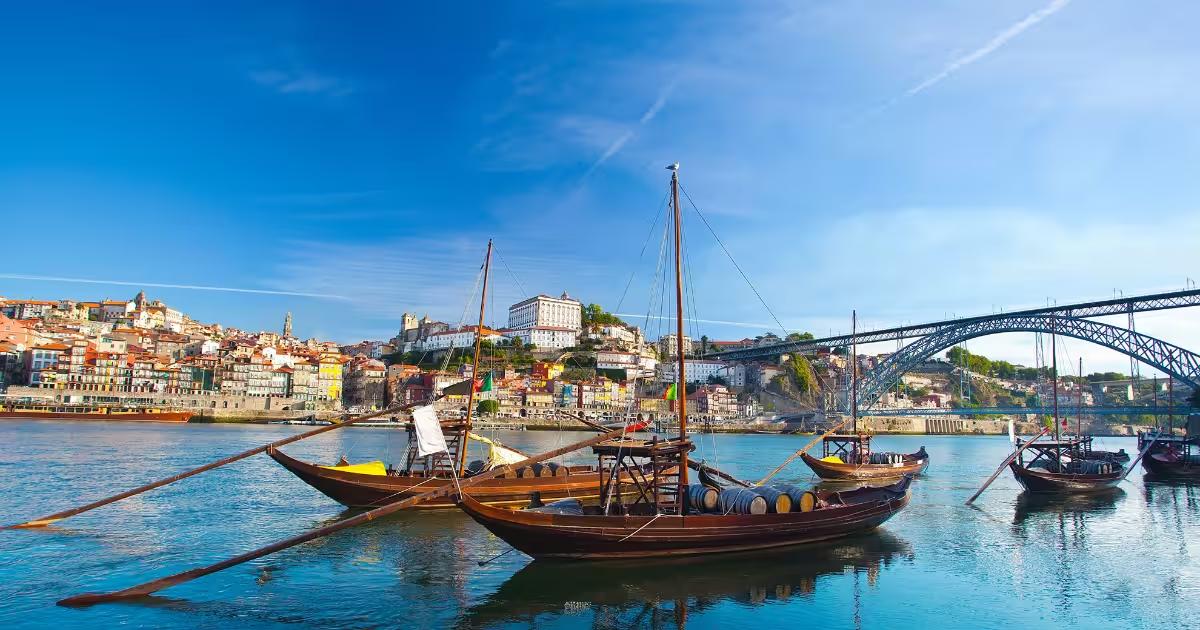
Douro River Boat Tours from Porto: Which One Is Right for You?
From the classic Six Bridges cruise to romantic sunset sails and full-day expeditions into the Douro Valley, here is how to choose your perfect river experience.
The Douro River is not simply a boundary between Porto and Vila Nova de Gaia. It is the corridor through which port wine barrels once travelled from the Douro Valley to the Atlantic, and today it remains the most revealing vantage point from which to read the city's layered history. In 2026, dozens of operators line the Ribeira and Gaia quays, making it genuinely difficult to choose the right experience. This guide cuts through the options.
Why take a boat tour on the Douro at all?
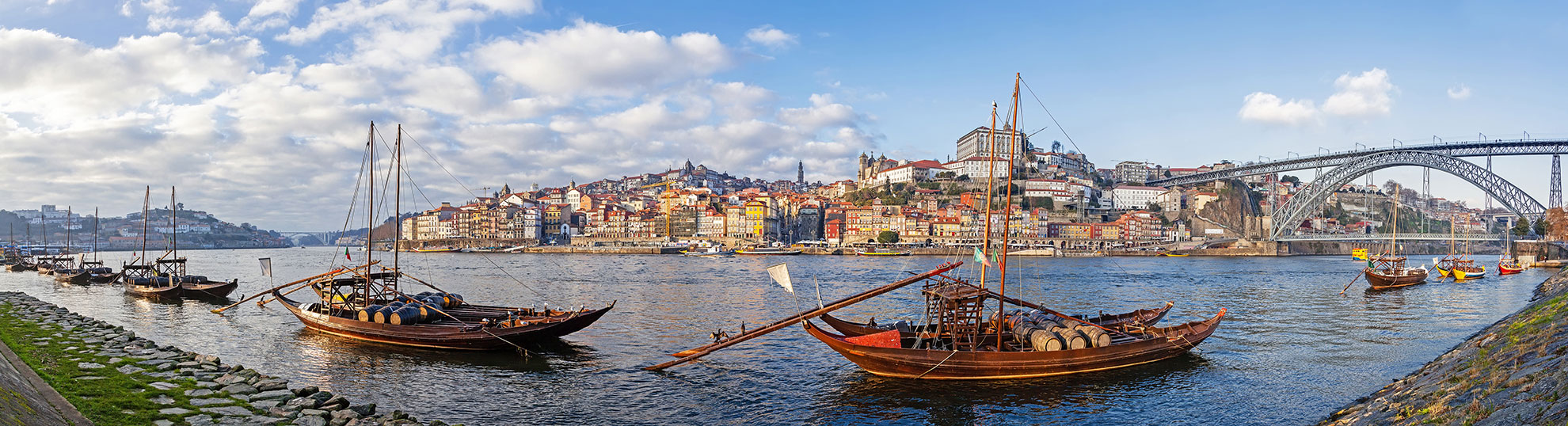
Porto's most celebrated landmarks — the Dom Luís I Bridge (completed in 1886 and designed by Théophile Seyrig, a collaborator of Gustave Eiffel), the Ribeira quarter, and the port wine lodges of Gaia — are best understood from the water. Standing on the Ribeira promenade, you see a façade. On the river, you see the full silhouette: six bridge spans, tiered hillside houses, and the rhythmic currents of a river that drains roughly 97,600 square kilometres of Iberian watershed before reaching the Atlantic at Foz do Douro.
The river also carries nautical heritage. The barco rabelo, the flat-bottomed sailing vessel that transported port wine barrels from the Douro schist vineyards to the Gaia lodges, was the working craft of this waterway for centuries. Modern cruise boats and traditional replicas alike now follow those same westward currents, giving passengers a sensory connection to trade routes that shaped Porto into one of Europe's most commercially significant medieval ports.
"The river is not a backdrop to Porto. It is the reason Porto exists where it does — a deep, navigable channel close enough to the Atlantic to export wine, but sheltered enough to anchor a city."
What is the Six Bridges tour and who is it best for?
The Six Bridges boat tour is the standard 50-minute circuit offered by most operators on the Ribeira and Gaia quays. The route passes beneath all six bridges that span the Douro within the greater Porto metropolitan area: the Ponte Luís I (1886, iron lattice, upper deck at 60 metres above river level), the Ponte Infante Dom Henrique (2003, concrete arch, at the time of completion the longest concrete arch bridge in the world at 280 metres), the Ponte de São João (1991, rail bridge), the Ponte Dona Maria Pia (1877, also attributed to the Eiffel workshop), the Ponte do Freixo (1995, cable-stayed), and the Ponte da Arrábida (1963, a reinforced concrete arch that held the world record for its span of 270 metres at the time of construction).
Each bridge represents a distinct chapter in engineering history, and passing beneath them in sequence is effectively a compressed lecture in 19th and 20th century structural design. The tour is conducted aboard Rabelo-style boats or modern covered vessels, and commentary is typically provided in Portuguese and English. At 50 minutes, it suits travellers who have an afternoon free rather than a full day, and families with children who may not sustain interest on a longer voyage.
Operators depart from the Cais da Ribeira on the Porto side and from the Cais de Gaia on the opposite bank, with departures running from approximately 10:00 to 18:00 depending on the operator and season.
What makes the sunset boat tour a distinct experience?
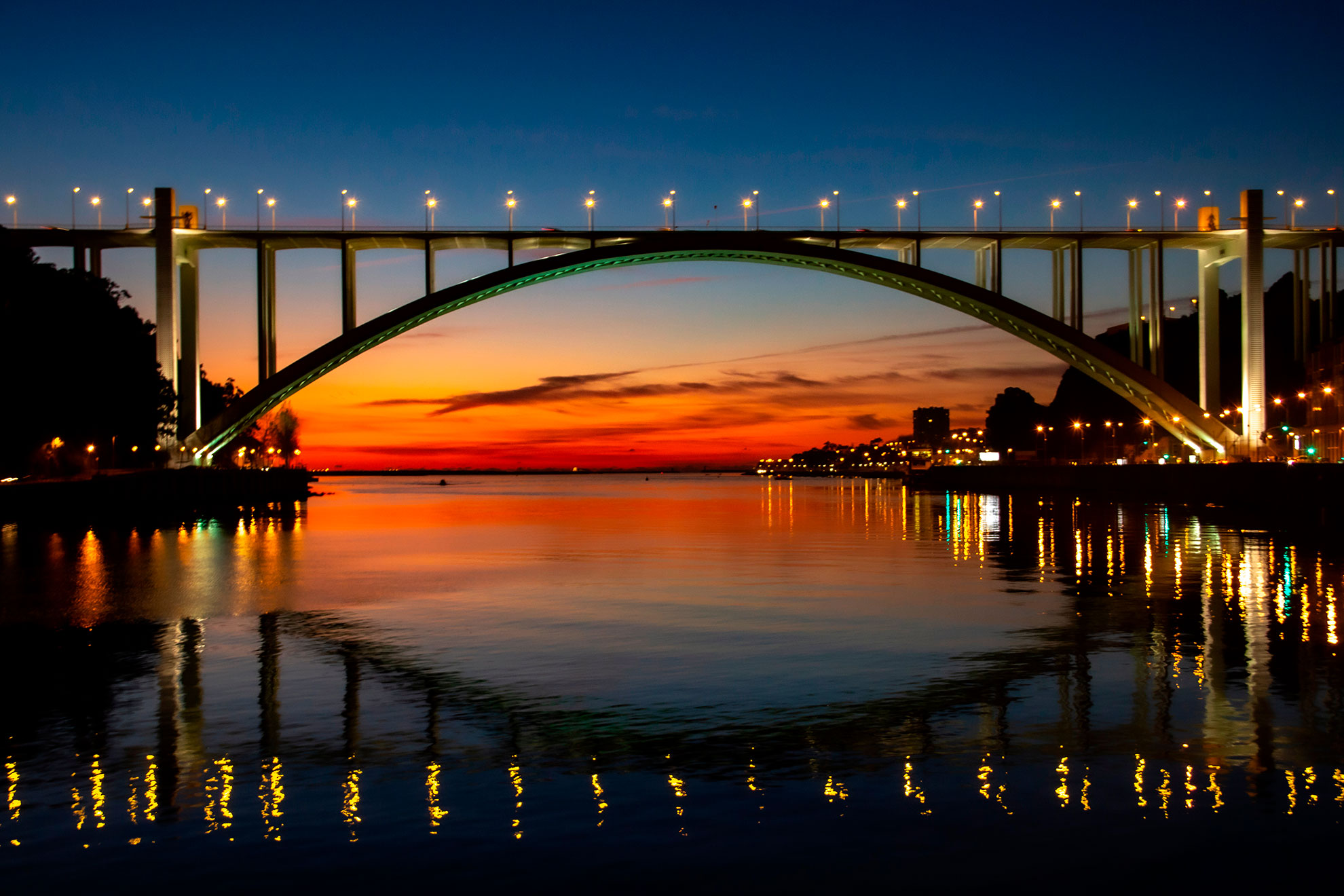
A sunset sail on the Douro is logistically similar to the Six Bridges route but atmospherically different. Departures typically fall between 18:30 and 19:30, timed so that the boat is on the water as the sun descends toward the Arrábida bridge in the west. The shifting light catches the azulejo-tiled facades of the Ribeira buildings and turns the ironwork of the Luís I bridge from grey to amber.
Several operators pair the sailing experience with a glass of port wine or local wine served on board, which positions the sunset tour firmly as the romantic option — the experience most frequently cited in traveller reviews as a highlight of a Porto city break. For couples or small groups who want to avoid the larger tourist vessels that dominate midday departures, a private sailing charter on a smaller sailboat offers a quieter, more intimate version of the same route.
"Watching the Arrábida bridge catch the last light of the day from the deck of a sailboat, with a glass of port in hand, is one of those travel moments that resists easy description but stays in the memory for years."
ToursXplorer lists both shared-group and private sailing options for the sunset window, allowing travellers to choose based on group size and budget.
How do full-day Douro Valley cruises differ from city tours?
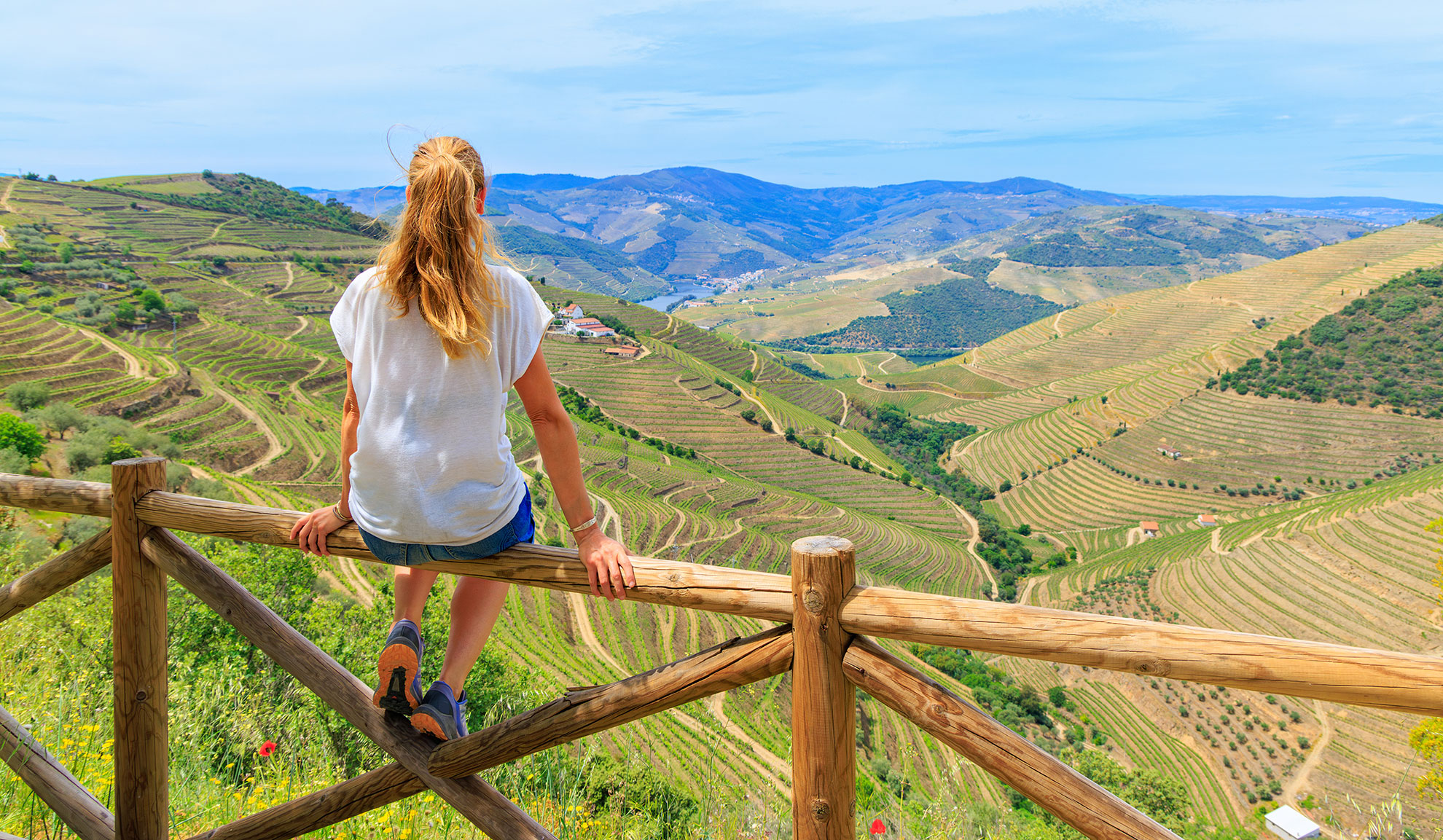
Full-day Douro Valley cruises are a fundamentally different proposition. Rather than looping within the city limits, these tours travel upriver — east, into the Douro Demarcated Region, the world's oldest legally defined wine region (established by the Marquis of Pombal in 1756). The journey from Porto to Pinhão covers approximately 120 kilometres by river and takes around three hours one way on a cruise vessel.
The defining feature of the upriver passage is the series of barragens (hydroelectric lock systems), including the Carrapatelo Dam, which has a lock drop of 35 metres — one of the highest in Europe. Navigating these locks is itself a spectacle: the vessel enters a concrete chamber, the gates close, and the water level adjusts by tens of metres before the gates reopen onto the next reach of the river. First-time passengers consistently describe the lock experience as one of the most memorable aspects of the full-day tour.
Beyond the locks, the landscape transitions from the urban Douro of Porto into the terraced schist hillsides of the UNESCO-listed Alto Douro Wine Region (inscribed in 2001). Vine rows follow the contour lines at angles that appear almost impractical, planted on slopes that in some areas exceed 30 degrees. The towns of Régua (officially Peso da Régua, located roughly 100 kilometres east of Porto) and Pinhão (a further 25 kilometres upriver) are the typical end points for full-day cruise itineraries.
Most full-day options include lunch, wine tastings at a quinta (estate), and return transport by train or coach, allowing passengers to travel in one direction by river and return by a different mode. ToursXplorer groups these tours clearly to help travellers distinguish between the city circuit and the valley expedition.
Private tour vs. group tour: which offers better value in 2026?
The Ribeira and Gaia quays in high season (June to September) see a high volume of large tourist vessels carrying 80 to 150 passengers. For travellers who prefer a quieter experience, private charters on smaller sailboats (typically accommodating 6 to 12 passengers) or purpose-configured private vessels offer a practical alternative. The per-person cost is higher, but the experience — a smaller deck, an attentive guide, the ability to set the pace — is qualitatively different.
Private full-day tours that combine old town visits, port wine cellar tastings, and a Douro cruise compress multiple experiences into a single structured day, which suits visitors on shorter city breaks who want to see Porto's main pillars without assembling the itinerary themselves. For families, private tours also allow flexibility around meal times and the ability to pause at viewpoints (miradouros) that group tours often bypass.
City Boat Tours and Sunset Sails from Porto
Full-Day Douro Valley Expeditions from Porto
Ready to get on the water? Browse all Douro boat tours from Porto on ToursXplorer and filter by duration, group size, or departure time to find the experience that fits your itinerary.
Click hereHow to choose the right Douro boat tour for your trip
The decision between tour types comes down to three practical questions: how much time you have, how many people are travelling with you, and whether your primary interest is the city of Porto or the wider Douro Valley.
If you have 50 minutes to two hours, the Six Bridges circuit or the sunset sailing tour covers the river's urban stretch and gives you the architectural panorama most visitors come for. If you have a full day and want to travel beyond the city, a Douro Valley cruise to Régua or Pinhão is a substantively different experience that rewards the extra time with a landscape found nowhere else in Portugal.
Private tours make sense for groups of four or more, where the per-person cost difference narrows considerably and the benefits — a dedicated guide, a smaller vessel, no waiting for other passengers — become significant. Families with young children often find the flexibility of a private format particularly useful on the water.
ToursXplorer's search filters allow you to sort by duration, group type (private or shared), and experience category (city cruise, valley expedition, or sunset sail), which simplifies the selection process considerably when comparing operators side by side.
Practical notes for booking a Douro boat tour in 2026
Departure points: city tours depart from the Cais da Ribeira (Porto side) or Cais de Gaia (Vila Nova de Gaia side). Both quays are within walking distance of the Dom Luís I Bridge and accessible by metro (Jardim do Morro station on the Gaia side, São Bento or Trindade on the Porto side).
Seasonality: high season runs from June through September, when the river is at its busiest and temperatures on the water can reach 30 degrees Celsius. Spring (April and May) and early autumn (September and October) offer more moderate conditions and thinner crowds, particularly on the full-day Douro Valley routes.
Booking ahead: for sunset tours and private charters, advance booking of at least 48 hours is advisable during summer months, as capacity on smaller vessels fills quickly. Full-day Douro Valley tours with meals included require confirmed numbers for catering and are often non-refundable within 24 hours of departure.
What to bring: light layers for the river breeze even in summer, sunscreen, and a hat for exposed deck sections. On full-day valley tours, comfortable walking shoes are useful for vineyard visits and lock viewpoints.
Frequently Asked Questions
For first-time visitors to Porto, the Six Bridges cruise is the most practical starting point. The 50-minute tour passes beneath all six Douro bridges within the Porto metropolitan area, including the Dom Luís I Bridge (1886) and the Ponte da Arrábida (1963), providing a clear architectural overview of the city from the river. Departures run throughout the day from the Cais da Ribeira and Cais de Gaia.
The Six Bridges boat tour runs for approximately 50 minutes. The route covers the stretch of the Douro River between the Ponte do Freixo in the east and the Ponte da Arrábida in the west, passing beneath all six bridges that span the river within the greater Porto area. Departures operate from both the Porto (Ribeira) and Gaia quays, typically between 10:00 and 18:00.
A full-day Douro Valley cruise is a genuinely different experience from the city's Six Bridges tour. The journey upriver to Peso da Régua (approximately 100 kilometres) or Pinhão (around 125 kilometres) passes through hydroelectric barragem locks, including the Carrapatelo lock with a 35-metre drop, and into the UNESCO-listed Alto Douro Wine Region. For travellers with at least one full day available, it is widely regarded as one of the most distinctive excursions from Porto.
Sunset sailing tours on the Douro typically depart between 18:30 and 19:30, adjusted seasonally to match local sunset times. The experience is most visually rewarding between May and September, when the sun sets to the west of the Ponte da Arrábida and catches the azulejo-tiled facades of the Ribeira waterfront in warm light. Booking at least 48 hours in advance is advisable in summer months, as smaller sailboats fill quickly.
Yes. Several tours listed on ToursXplorer integrate a port wine cellar visit in Vila Nova de Gaia with a Douro river cruise, either as a sequential itinerary (cellar first, then cruise) or with wine served on board the vessel. The Gaia wine lodges, including historic establishments along the Avenida de Diogo Leite, are within walking distance of the departure quays on the Gaia side of the river.
Group tours use larger shared vessels carrying between 30 and 150 passengers and are the most common option on the Ribeira and Gaia quays. Private tours use smaller boats or sailboats with dedicated guides, typically accommodating 6 to 12 people. Private charters cost more per person but offer flexibility in pacing, quieter decks, and the ability to customise stops. For groups of four or more, the per-person cost difference narrows considerably.