Exploring the Enchanting Wilderness of Peneda-Gerês National Park
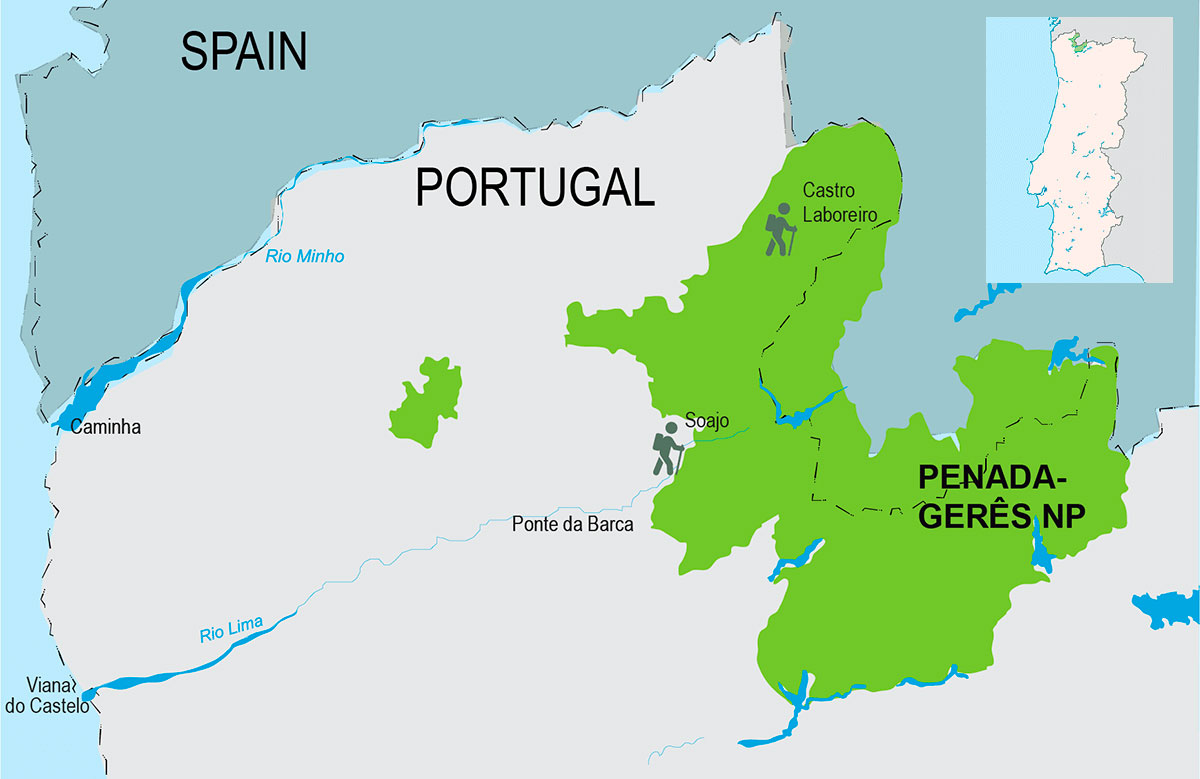 Topographic overview of Peneda-Gerês National Park
1. Introduction
Nestled in the rugged mountains of northern Portugal, Peneda-Gerês National Park is a realm where nature and history converge in a tapestry of breathtaking beauty and cultural richness. As Portugal's sole national park, it offers an unparalleled journey through ancient landscapes, vibrant ecosystems, and communities that have harmoniously coexisted with their environment for centuries.
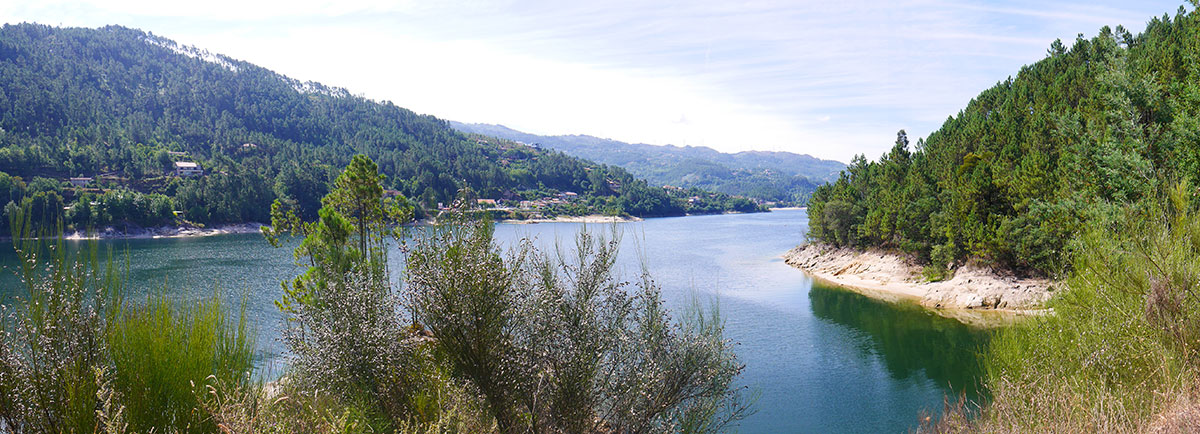 The diverse landscapes of Peneda-Gerês National Park, where mountains meet verdant forests.
2. A Landscape Sculpted by Time
The park's terrain is a testament to the Earth's geological artistry. Towering granite peaks, carved by millennia of erosion, stand sentinel over deep valleys and cascading waterfalls. Glacial activity has left its mark, shaping the land into a mosaic of diverse habitats. From the misty heights of Serra da Peneda to the lush forests of Mata da Albergaria, each area within the park presents a unique ecological narrative.
The interplay of altitude, climate, and geology has fostered a range of microclimates, allowing a rich diversity of flora and fauna to thrive. This natural complexity not only enhances the park's scenic allure but also underscores its ecological significance.
3. Flora and Fauna: A Biodiversity Haven
Peneda-Gerês is a sanctuary for an impressive array of plant and animal life. The park is home to over 1,100 species of flora, including endemic plants like the Gerês lily. Its forests are dominated by oak, holly, and yew trees, providing shelter for myriad creatures.
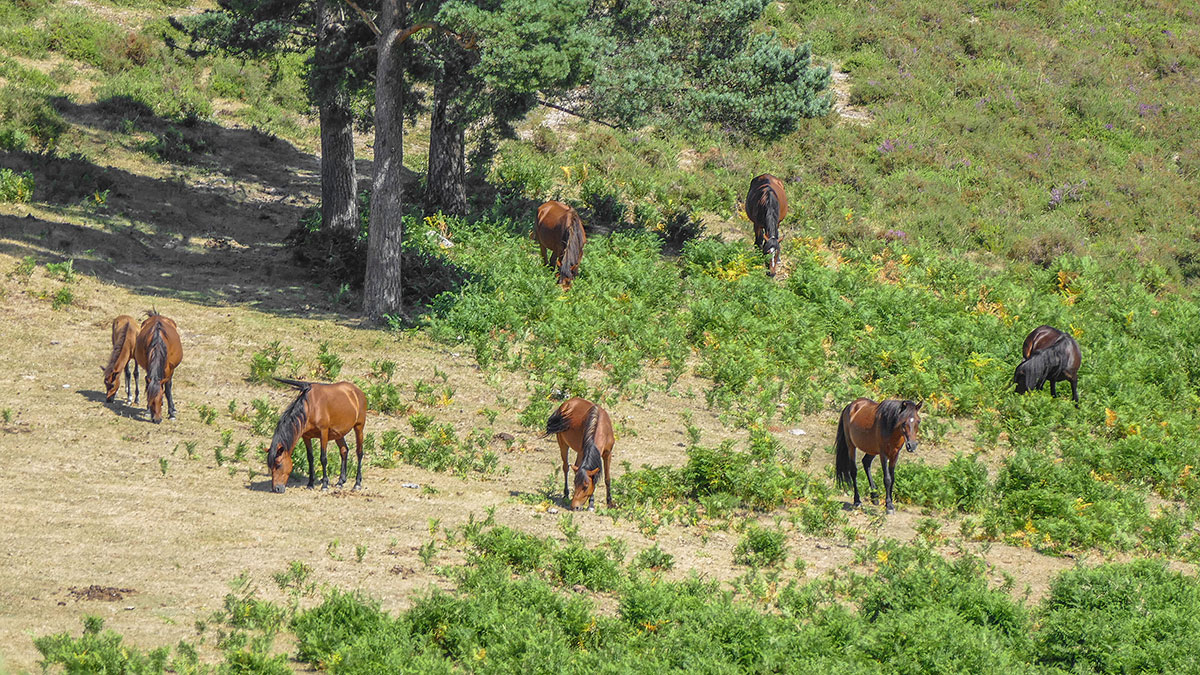 The free-roaming Garrano horses, emblematic of the park's rich biodiversity.
Among the fauna, the Iberian wolf and the elusive Pyrenean desman find refuge here. Bird enthusiasts can delight in spotting golden eagles and peregrine falcons soaring above, while the streams and rivers teem with trout and otters. The presence of such biodiversity highlights the park's role as a critical conservation area, emphasizing the importance of ongoing efforts to protect these species and their habitats.
4. Traces of the Past: Historical and Cultural Heritage
The human imprint on Peneda-Gerês is as profound as its natural features. Archaeological sites reveal settlements dating back to the Neolithic period, with dolmens and megalithic tombs scattered across the landscape. The ancient Roman road, Geira, once connected Braga to Astorga and still bears the marks of chariot wheels etched into stone.
Traditional architecture adds to the park's cultural tapestry. The iconic espigueiros—granite granaries elevated on stone pillars—dot the villages, standing as symbols of agricultural heritage. Villages like Soajo and Lindoso preserve these structures, offering a glimpse into the region's enduring customs and way of life.
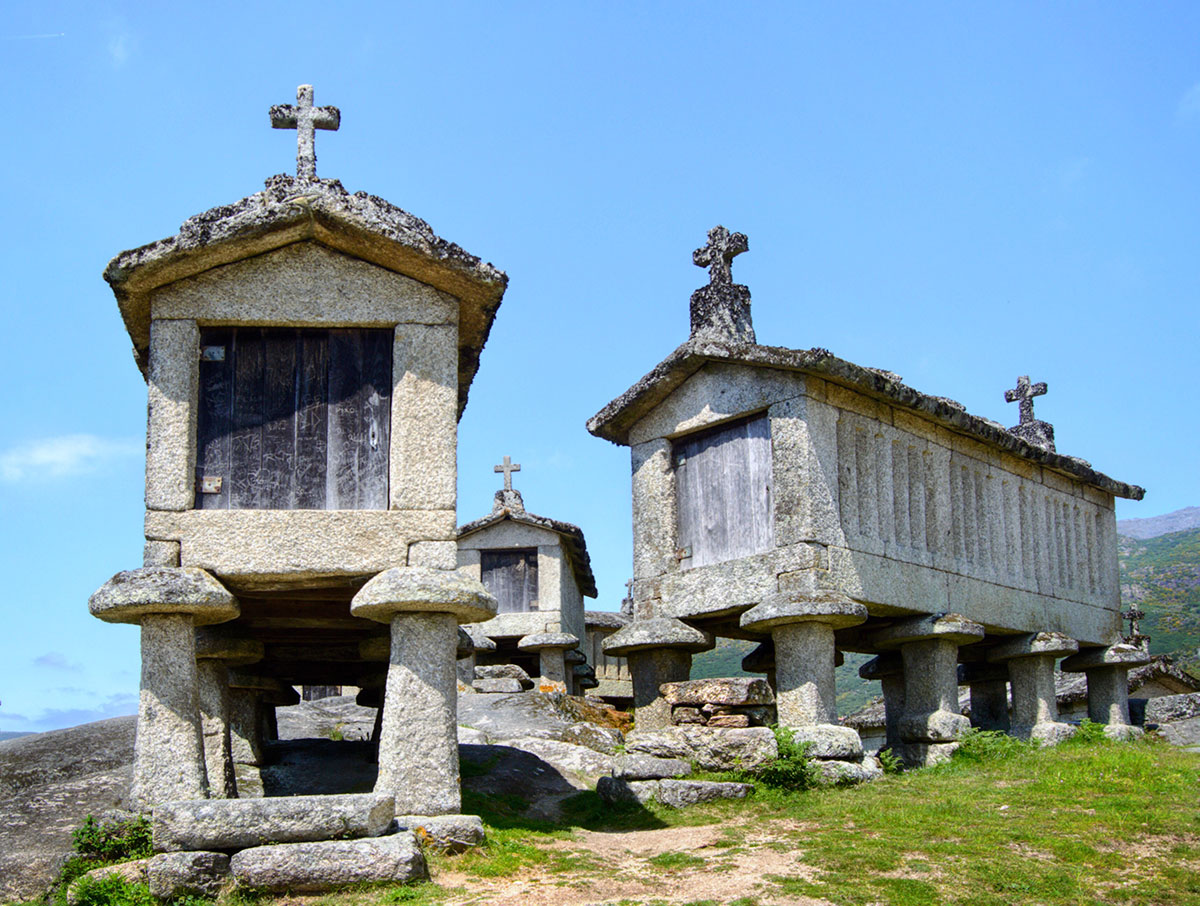 Historic espigueiros in Soajo, reflecting the region's agricultural heritage.
5. The Heartbeat of the Park: Local Communities
Life within Peneda-Gerês moves to the rhythm of nature and tradition. The park's inhabitants have cultivated a lifestyle deeply intertwined with the land, practicing sustainable agriculture, pastoralism, and artisanal crafts. Seasonal festivals and religious celebrations punctuate the year, reflecting a rich tapestry of folklore and communal spirit.
These communities play a vital role in maintaining the park's cultural landscape. Their knowledge of the land, passed down through generations, contributes to the sustainable management of natural resources and the preservation of biodiversity. Engaging with local residents offers visitors an authentic experience, fostering a deeper appreciation for the delicate balance between human activity and environmental stewardship.
6. Trails That Tell Tales: Hiking Through History and Nature
One of the most enchanting ways to experience Peneda-Gerês National Park is by foot. The park’s vast network of hiking trails, ranging from easy walks to challenging treks, unveils a land rich in both scenic beauty and storytelling. Every trail here seems to whisper ancient secrets — from Roman legacies to shepherds' paths that wind through lush valleys and craggy highlands.
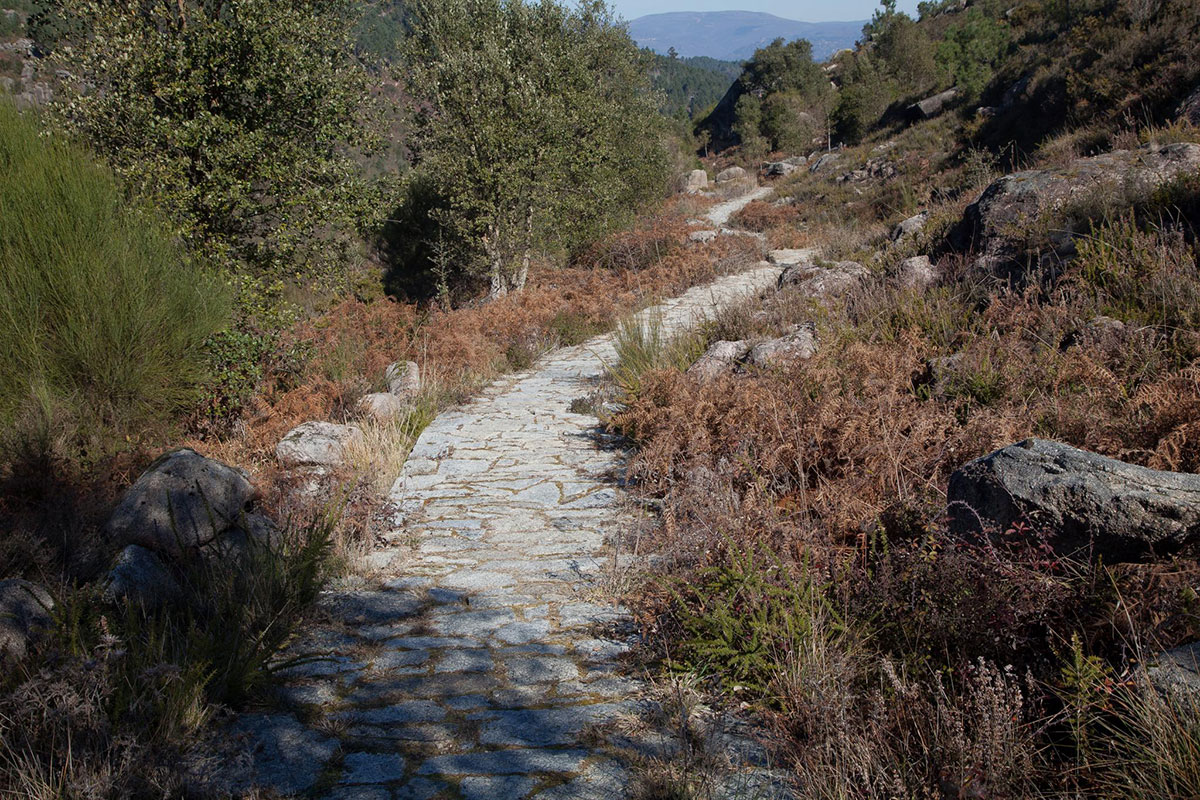 Trails that tell tales—where every step through Peneda-Gerês leads you deeper into a world shaped by nature and centuries of history.
The Trilho da Cidade da Calcedónia, for instance, leads adventurers through a trail of historical intrigue, where ruins of ancient settlements peek through thickets of vegetation, evoking images of a bygone era. This hike rewards travelers with panoramic views that feel almost sacred, as though nature herself were guarding the stories of generations past.
Another standout is the Geira Roman Road, an awe-inspiring trail that still retains the original Roman milestones. It’s not just a path; it’s a journey back in time, allowing you to walk quite literally in the footsteps of Roman soldiers and merchants who once traversed this route centuries ago.
With each step, hikers encounter more than just natural beauty—they experience a profound connection to the land’s deep-rooted history and ecological significance. It's a physical, emotional, and intellectual journey, perfect for those seeking more than just postcard-perfect landscapes.
7. Waterfalls and Wonders: The Park’s Hidden Gems
Few natural spectacles match the captivating allure of Peneda-Gerês' waterfalls. These cascading beauties are more than just photogenic spots; they are sacred places, often wrapped in folklore and whispered legends.
The Cascata do Arado, nestled within the heart of the park, is perhaps the most iconic. Tumbling from granite cliffs into crystalline pools, it’s a favored spot for both peaceful reflection and invigorating dips during warmer months. Nearby, natural pools like Poço Azul offer tranquil retreats that seem almost too picturesque to be real—turquoise waters framed by moss-covered rocks and dense forest.
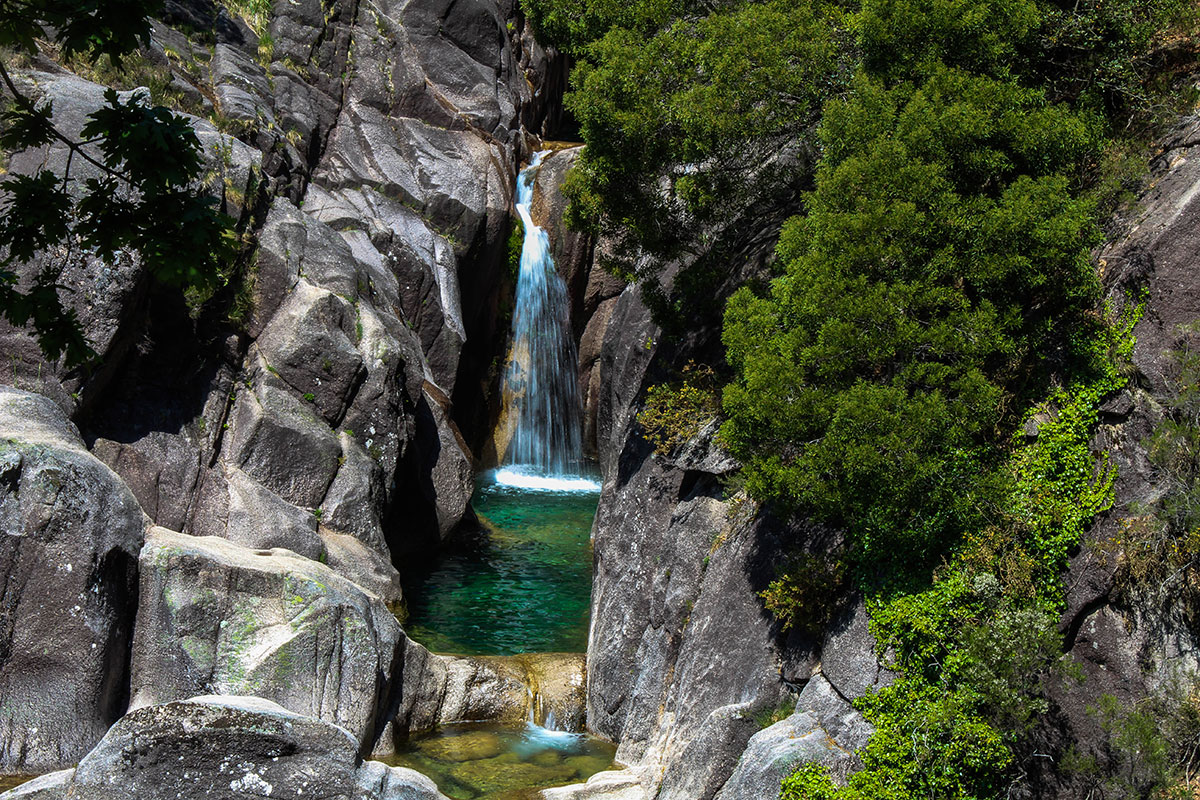 Cascata do Arado, one of the park's most iconic waterfalls, offers a refreshing retreat.
But beyond their visual appeal, these waters are lifelines for the park’s flora and fauna. They nourish ecosystems, provide habitats, and have historically served as crucial resources for local communities.
Many of these spots are still intertwined with legends told by villagers—tales of enchanted maidens who guard the pools, or shepherds who discovered treasures in the waters. These stories, passed down through generations, add a mystical charm that elevates each visit from a simple excursion to a near-spiritual experience.
8. Seasons of Gerês: When to Visit and What to Expect
Timing your visit to Peneda-Gerês can transform the nature of your experience entirely. The park shifts dramatically with the seasons, each bringing its own palette of colors, moods, and adventures.
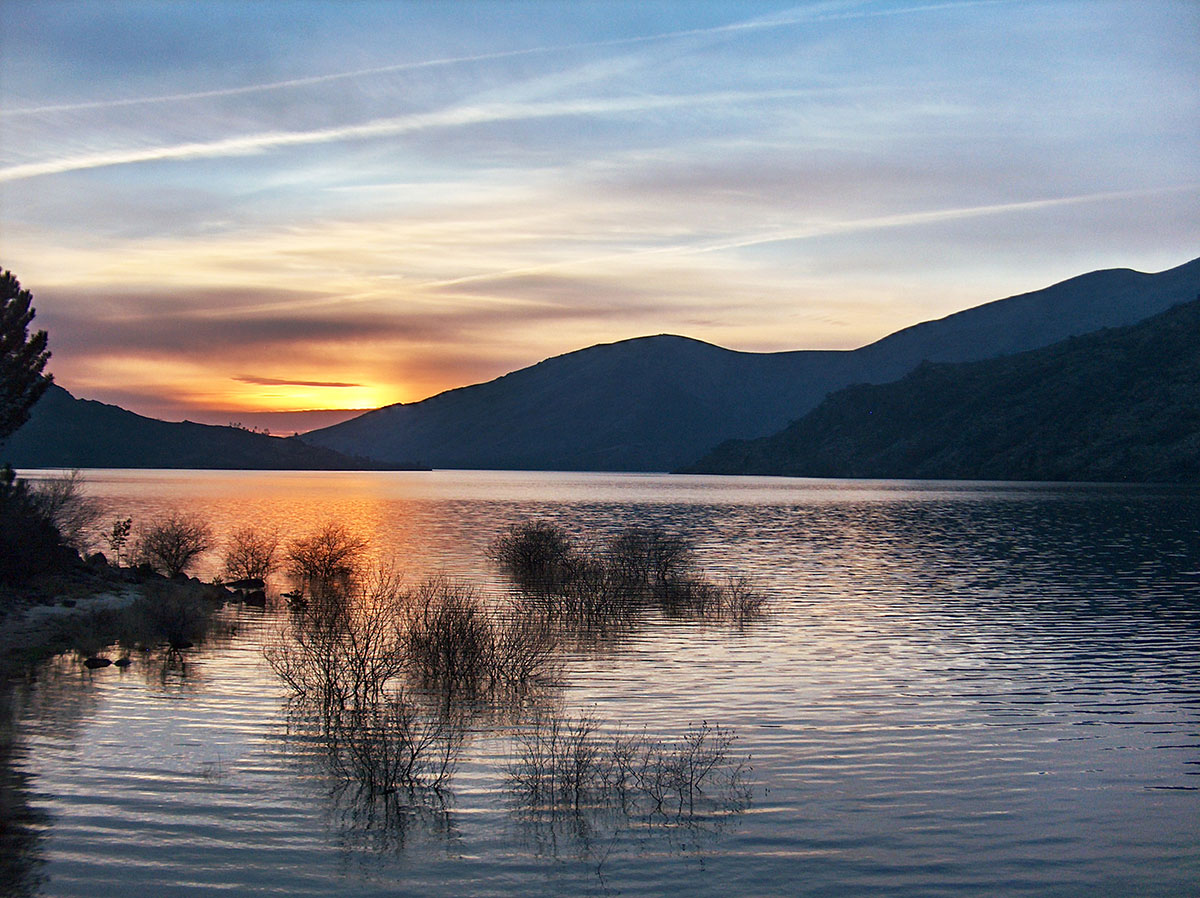 Sunset paints the park's hills in golden tones, offering breathtaking views.
Spring breathes life into the landscape, as wildflowers carpet meadows and animals emerge from winter’s hush. It’s a time for renewal—and arguably one of the best seasons for hiking, thanks to pleasant weather and fewer crowds.
Summer dazzles with lush greenery and bustling trails. It’s the season for outdoor picnics by waterfalls, wild swims in natural pools, and open-air festivals in the local villages. However, it’s also the busiest season, so early starts and off-the-beaten-path trails are best for those seeking solitude.
Autumn is the park's most poetic season. Forests burst into flames of red, orange, and gold, creating surreal vistas that rival any fairy tale. The crisp air and gentle sunlight make it perfect for photography and quiet contemplation.
Winter, though often overlooked, casts a magical hush over the mountains. Snow dusts the peaks, and silence reigns in the deeper valleys. For those seeking a more introspective experience—or even a bit of adventure with winter hiking or cozy village stays—this season has its own subtle, haunting charm.
9. Sacred Sites and Spiritual Spaces
In a place so steeped in nature and history, it’s no surprise that Peneda-Gerês also holds deep spiritual significance. Scattered across the park are chapels, shrines, and pilgrimage sites that reflect the region’s rich religious heritage and mystical inclinations.
The Sanctuary of Nossa Senhora da Peneda, set dramatically into a mountainside, is not only an architectural marvel but also a spiritual epicenter. Each year in September, pilgrims ascend the long staircase flanked by statues of saints, seeking blessings, healing, or simply peace.
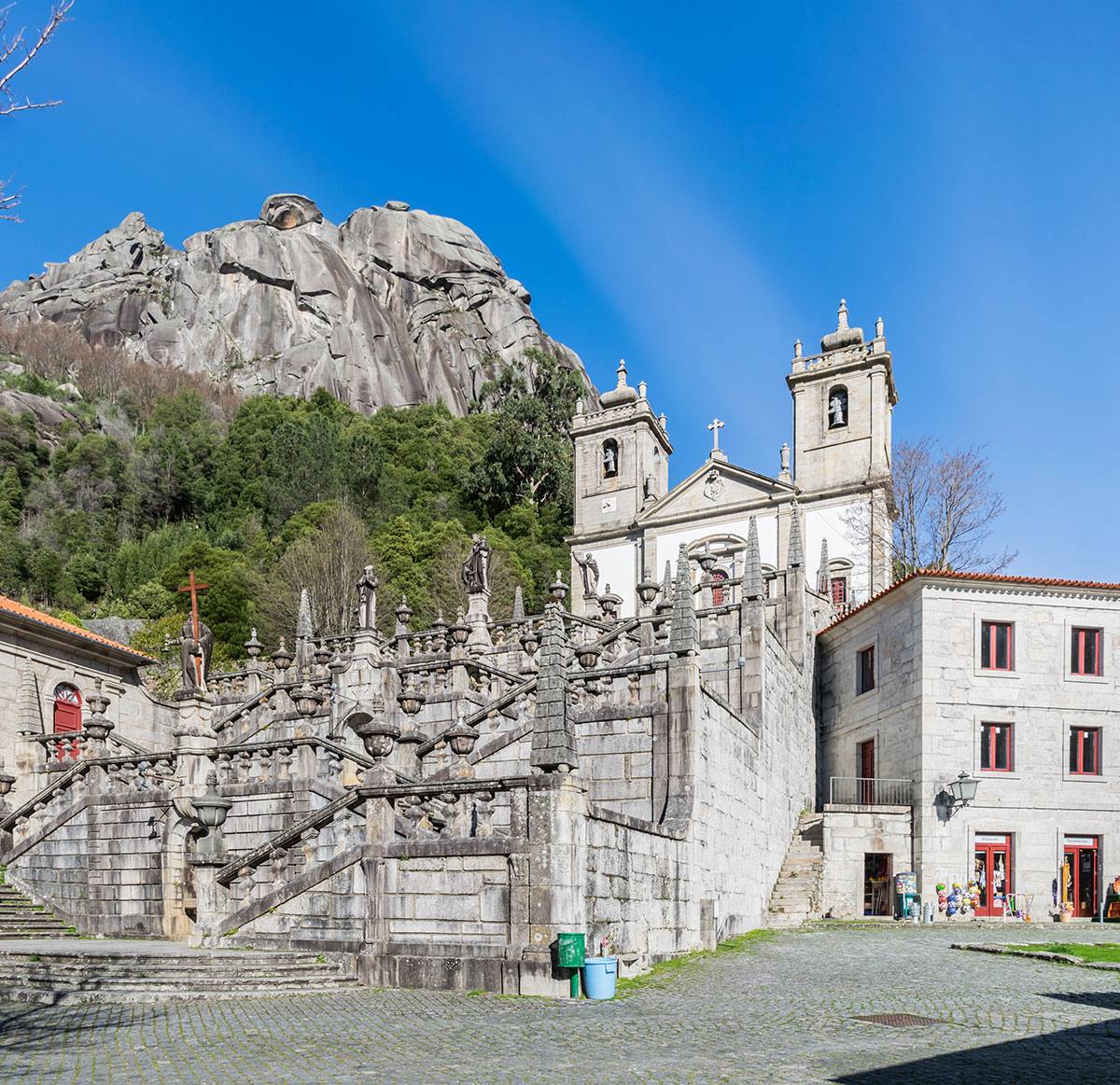 The Sanctuary of Nossa Senhora da Peneda stands as a spiritual beacon amid the mountains, blending faith, folklore, and breathtaking architecture.
These sites are often ensconced in legends—tales of divine visions, miraculous healings, and saints walking among mortals. Whether one approaches them with faith or curiosity, there’s an undeniable energy that permeates these places. The air feels heavier, time seems to slow, and a profound silence invites reflection.
In this way, the park becomes more than a recreational destination; it turns into a pilgrimage—not just to sacred sites, but to the deeper parts of one’s soul.
10. Gastronomy of the Mountains: Tastes of Peneda-Gerês
No journey through Peneda-Gerês is complete without indulging in its rich culinary traditions. Food here is more than sustenance; it’s a cultural expression, a memory passed through generations, and a testament to the land’s bounty.
Local specialties include cozido à portuguesa, a hearty meat-and-vegetable stew that warms even the coldest mountain nights, and barrosã beef, sourced from cattle raised in the highlands and prized for its flavor. Don’t miss the regional cheeses and honey—each infused with the essence of the park’s unique flora.
 Cozido à portuguesa, a beloved mountain stew from the Peneda-Gerês region, showcasing the rich culinary heritage of northern Portugal.
Dining in the park is a rustic, authentic experience. You’re likely to be served by someone who knows the origin of every ingredient, from the goat’s milk in the cheese to the herbs picked that morning. Meals are slow, deliberate, and shared—often accompanied by homemade wine and endless conversation.
For food lovers, it’s a sensory journey. For others, it’s a chance to literally taste the culture. And in either case, it’s unforgettable.
11. Sustainable Tourism: Traveling with a Purpose
Exploring Peneda-Gerês National Park is not just about what you take away in memories, but also about what you leave behind—or rather, what you don’t. The park’s growing reputation as a haven for eco-tourists underscores an essential truth: preserving such a rare gem requires conscious and sustainable travel choices.
Sustainable tourism here means more than avoiding littering or sticking to designated paths. It’s about engaging respectfully with local communities, supporting their economies through ethical spending, and understanding the delicate balance between tourism and conservation. Local guides, for instance, not only enrich the visitor experience with stories and insight, but also represent a sustainable income source for the region.
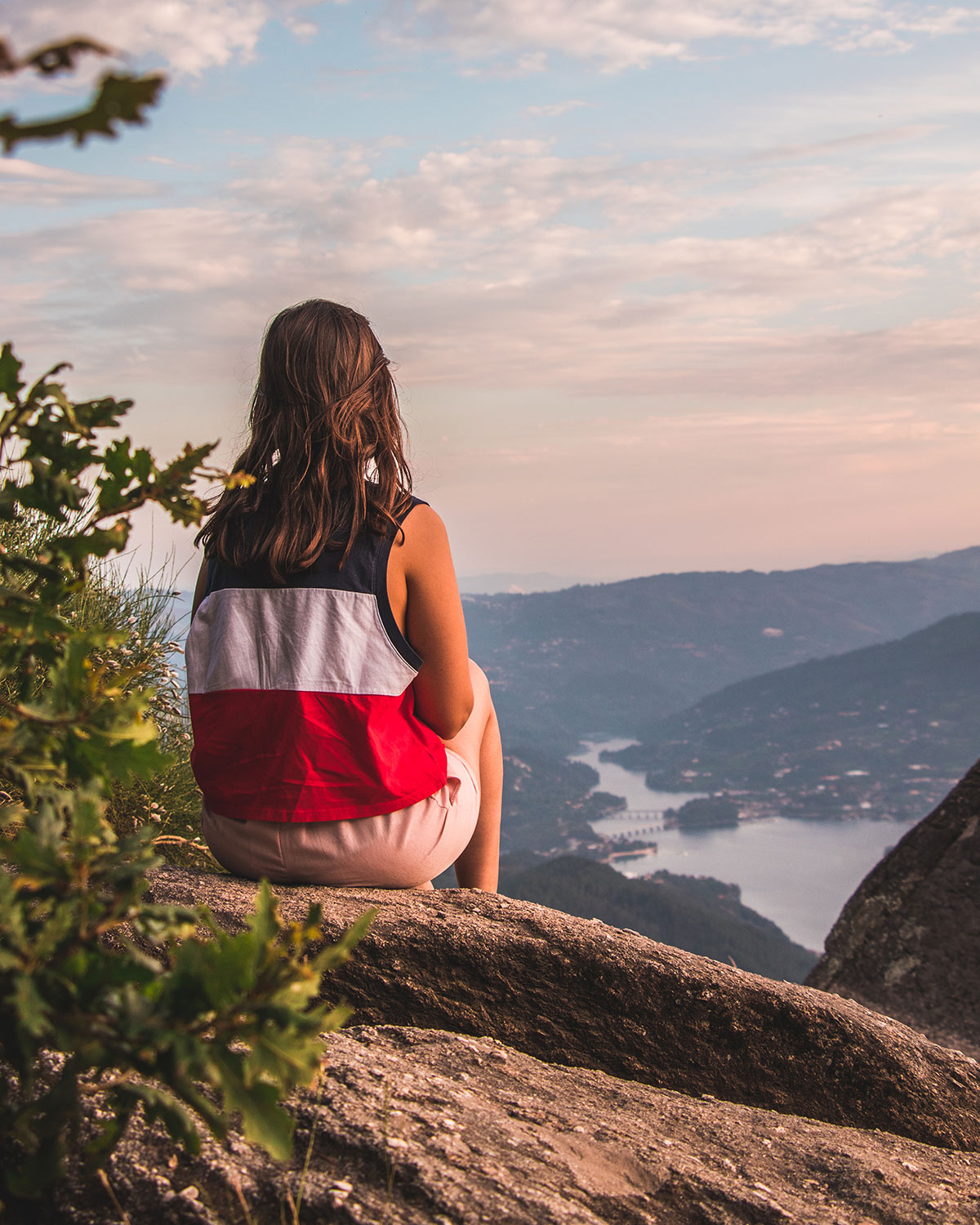 Lost in the view—moments of awe and serenity as a traveler soaks in the breathtaking mountain scenery and tranquil waters of Peneda-Gerês.
There are several eco-lodges and family-run guesthouses within the park that prioritize environmental stewardship—using solar power, reducing waste, and even sourcing food locally. Many also promote “slow travel,” encouraging longer stays that allow for deeper exploration and lower environmental impact.
Tourists are also encouraged to participate in local conservation efforts—whether by joining a reforestation initiative, supporting wildlife monitoring programs, or simply learning how to reduce their ecological footprint. This ethos of mindful travel ensures that Peneda-Gerês remains pristine and enchanting for generations to come.
12. Gateway to Adventure: Activities Beyond Hiking
While hiking is undoubtedly one of the most popular ways to explore the park, Peneda-Gerês is a playground for all kinds of outdoor enthusiasts. Whether you're an adrenaline junkie or a nature lover, the park offers something exhilarating for everyone.
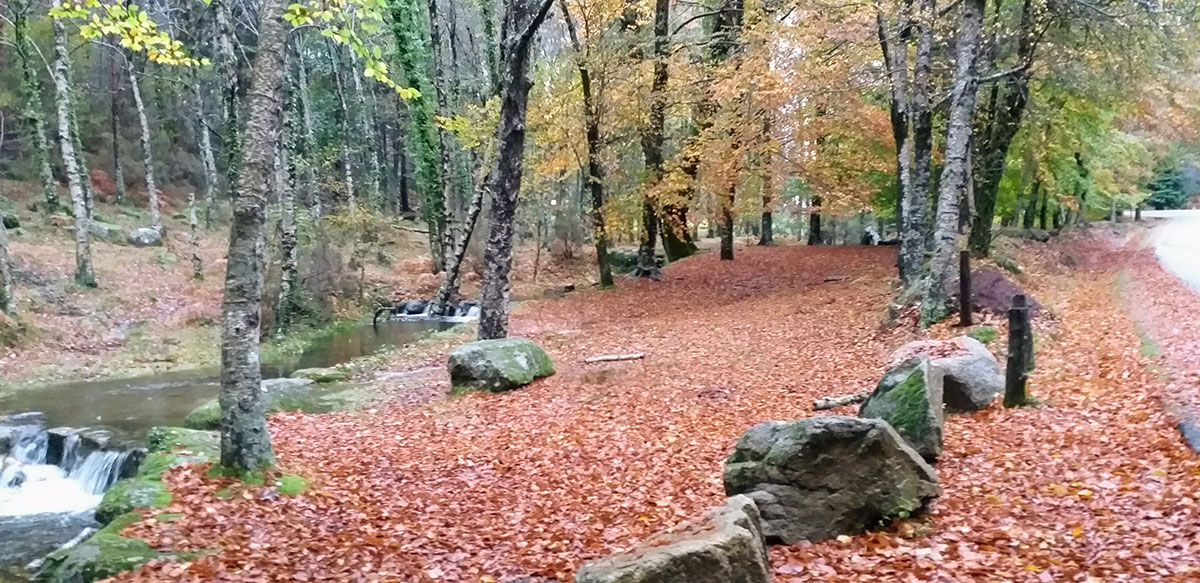 Exploring the park's extensive network of trails offers immersive nature experiences.
Mountain biking trails weave through dense forests and open meadows, offering both thrilling rides and scenic panoramas. Kayaking and paddleboarding are available on the park’s tranquil lakes and rivers—perfect for hot summer afternoons. For a touch of the extraordinary, canyoning in the waterfalls and rappelling down granite cliffs combine adventure with unmatched natural beauty.
Birdwatching, too, has become a favored activity, particularly during migratory seasons. The park’s diverse habitats attract hundreds of bird species, making it a prime destination for ornithologists and casual watchers alike.
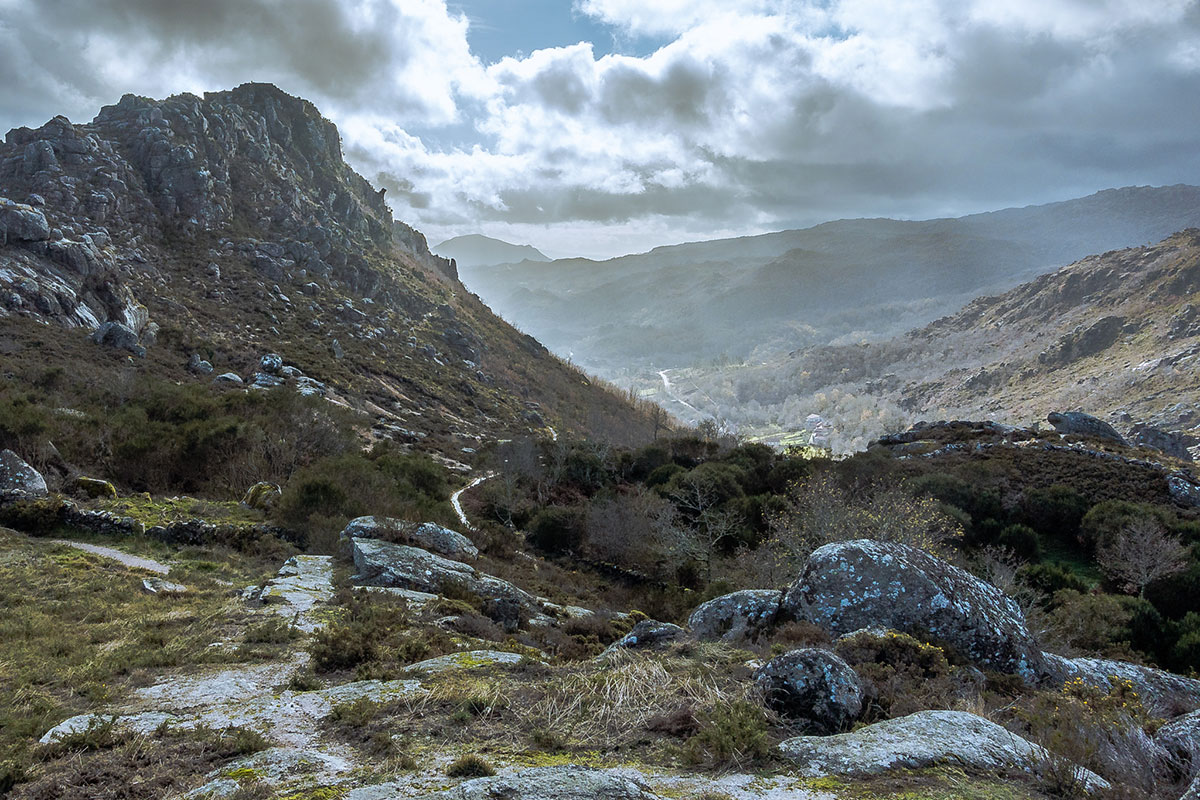
For those interested in more structured experiences, local tour operators offer guided horseback rides, stargazing nights, and cultural immersion tours. Each activity is designed not only to entertain, but to deepen your connection with the landscape and its stories.
13. Hidden Corners: Off-the-Beaten-Path Destinations
While popular spots like Lindoso and Arado Falls get the spotlight, the true soul of Peneda-Gerês often lies in its hidden corners—the places where few tourists tread, but where magic lingers in every stone and stream.
Tucked away in the more remote parts of the park, villages like Pitões das Júnias and Ermida da Serra offer an authentic taste of highland life. These are places where time seems to stretch, where locals greet you with curiosity and warmth, and where the views alone could stop your breath.
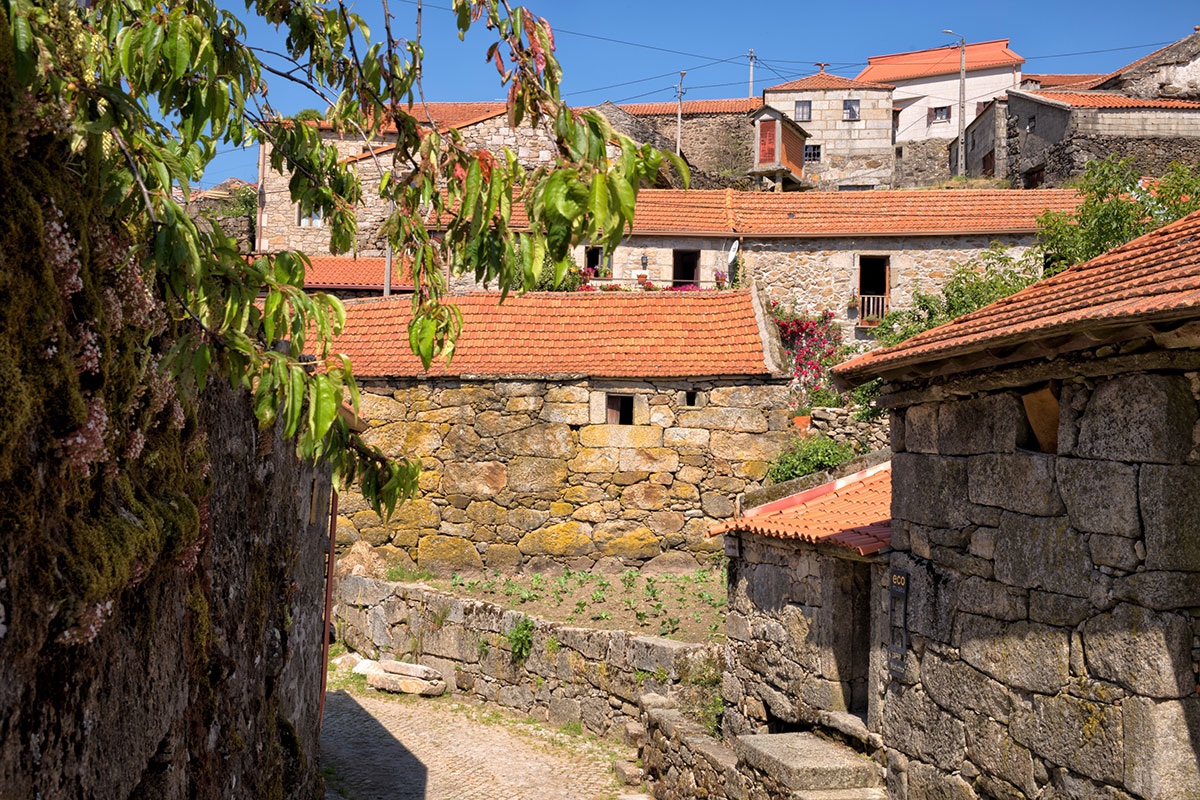 Pitões das Júnias, one of the park’s most secluded villages, preserves the timeless charm and traditions of northern Portugal.
Secret trails, known only to experienced guides or local shepherds, lead to panoramic lookouts and untouched waterfalls. Abandoned monasteries, half-swallowed by forest, stand as haunting reminders of the park’s spiritual history.
Visiting these places requires effort, patience, and respect—but the rewards are immense. These quiet, mysterious locales offer solitude and self-discovery, turning an ordinary trip into an unforgettable odyssey.
14. Capturing the Magic: Photography in Peneda-Gerês
For photographers—amateur or professional—Peneda-Gerês is a dreamscape. The light here is special, often casting a golden hue on the mountaintops at dawn or creating moody silhouettes in the misty valleys at dusk. Every turn reveals a new composition: a craggy ridge, a shepherd leading goats, the sudden burst of color from a wildflower bloom.
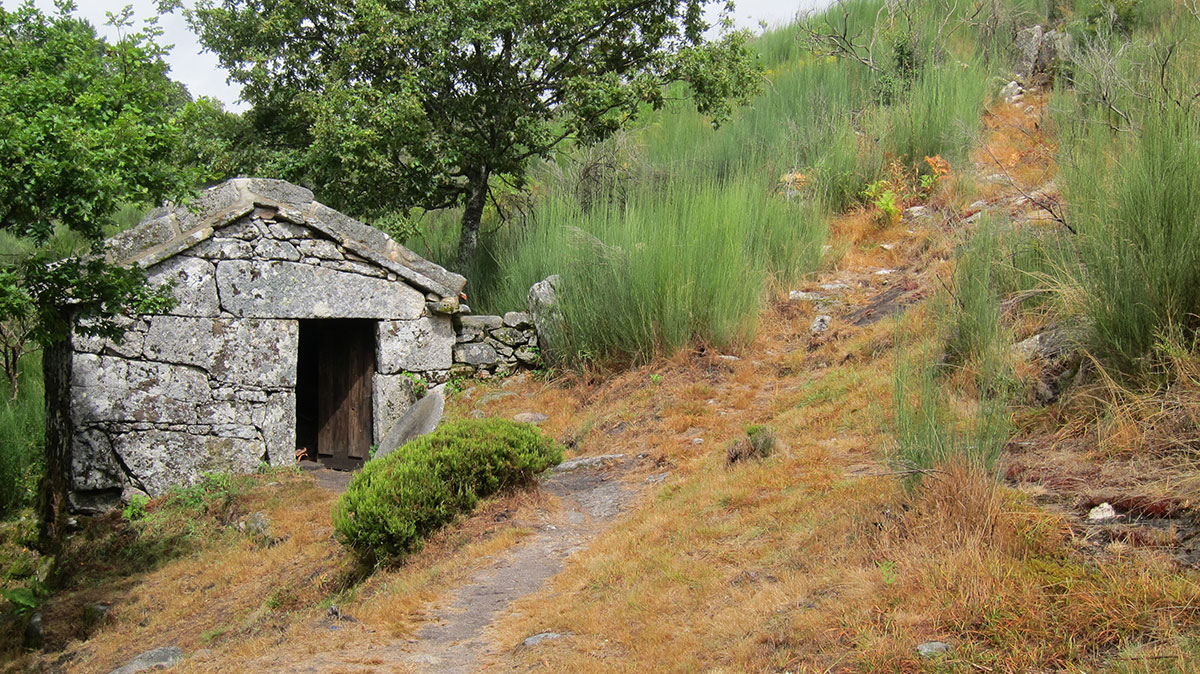 Capturing the magic of Peneda-Gerês: Every photograph tells a story of raw nature, shifting light, and the park’s untamed spirit.
Nature photography thrives in the park, from macro shots of rare flora to wide-angle panoramas of the dramatic terrain. Wildlife is also a prime subject, although capturing it requires patience, silence, and sometimes a bit of luck. Those enchanted by cultural elements will find endless inspiration in the stone houses, traditional granaries, and bustling market scenes.
But beyond the visuals, the act of photographing Peneda-Gerês often becomes a meditation. Through the lens, you slow down. You observe. You connect. And in doing so, you see not just a national park, but a living story unfolding before your eyes.
15. Final Reflections: A Place That Stays With You
There are destinations that you visit and forget, and then there are places like Peneda-Gerês—places that etch themselves into your soul. It’s more than the granite peaks, the ancient roads, or even the waterfalls that tumble like silver ribbons through green valleys. It’s the feeling of standing on a sun-drenched hilltop, heart racing, breath stolen by beauty. It’s the quiet conversation shared with a local over rustic bread and cheese. It’s the sensation that this wild, beautiful place is telling you something—not just about the world, but about yourself.
Whether you come for the adventure, the culture, or simply to breathe a little deeper, you leave with more than you arrived. You leave with stories. With connections. With a part of Portugal that, in many ways, feels timeless.
And perhaps, long after your boots are clean and your photos are edited, a part of you will still be walking those trails, listening to the wind through the oaks, whispering: “You’ll come back.”
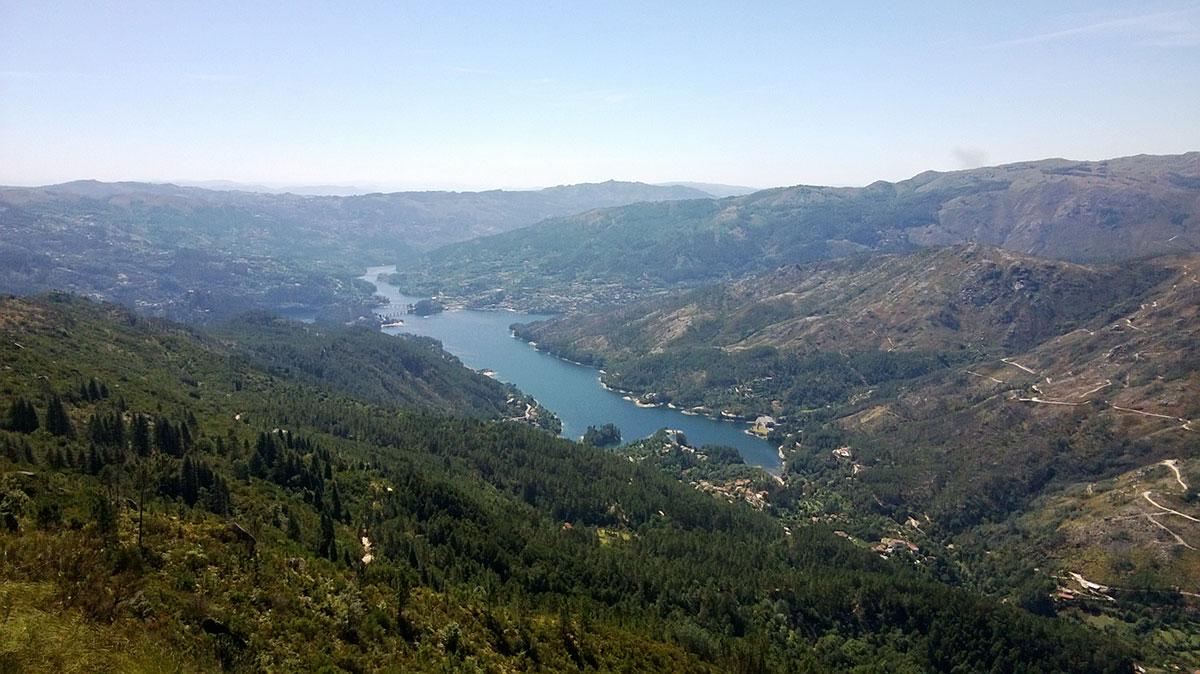 Parque Nacional Peneda-Gerês—a place of timeless beauty and deep connection that leaves a lasting imprint on every traveler’s soul.
Conclusion
Parque Nacional Peneda-Gerês is not just Portugal’s only national park—it is a living, breathing mosaic of wilderness and tradition, of stories old and new. With every trail, every village, every whispered legend, it invites you to see not only nature at its most raw and beautiful, but humanity at its most enduring and connected.
If you seek a place that offers more than just views—a place that offers a transformation, a memory, a deep breath of soul-refreshing wonder—then come here. Walk the Roman roads. Swim the ancient rivers. Listen to the silence. And fall in love.
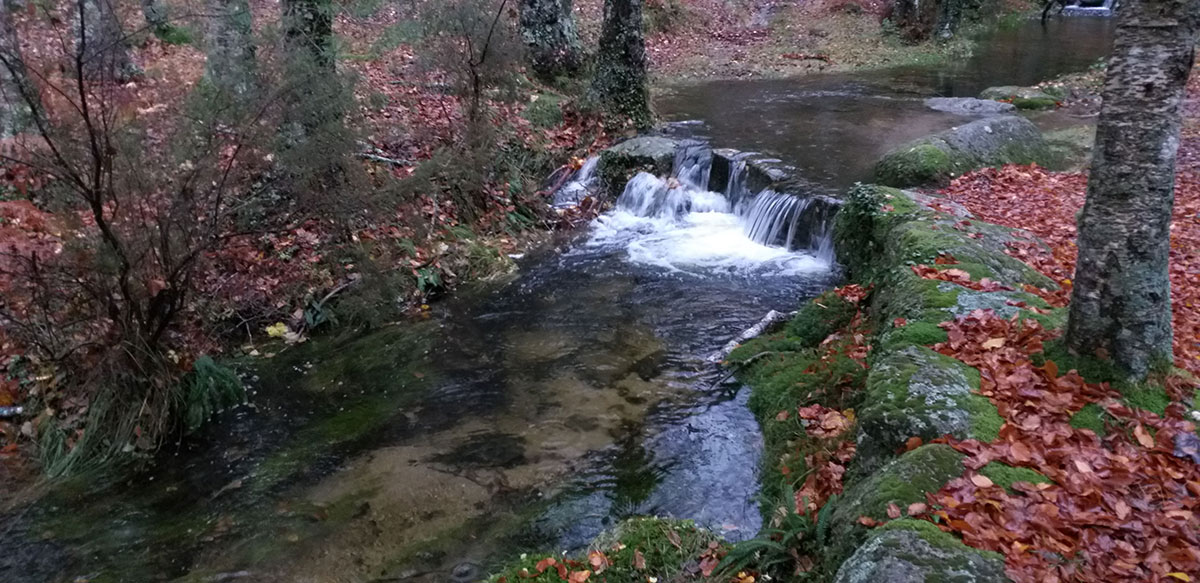 A hidden autumn gem—this little waterfall in Peneda-Gerês whispers the quiet beauty of fall in the heart of Portugal’s wild landscapes.
FAQs
-
What’s the best way to get to Peneda-Gerês National Park? The easiest way is by car from Porto or Braga. Public transportation is limited, so renting a car allows the flexibility to explore the park fully.
-
Is Peneda-Gerês suitable for families with children? Absolutely. There are many gentle trails, nature interpretation centers, and safe swimming spots ideal for children. Just plan your hikes according to the kids’ age and stamina.
-
Do I need a guide to explore the park? While many areas are accessible solo, hiring a local guide can enrich your experience by revealing hidden spots and sharing stories you’d otherwise miss.
-
Are there accommodations within the park? Yes. From rustic guesthouses and eco-lodges to mountain huts and camping areas, there’s something for every type of traveler.
-
What should I pack for a visit to Peneda-Gerês? Good hiking shoes, weather-appropriate clothing, a refillable water bottle, sunscreen, and a camera. And don’t forget a curious heart!