




Wine & Food Pairing in the Algarve: Local Dishes With Local Wines
From sun-ripened vineyards near Silves to Atlantic seafood plates in Tavira, the Algarve's wine scene deserves a place at the table.
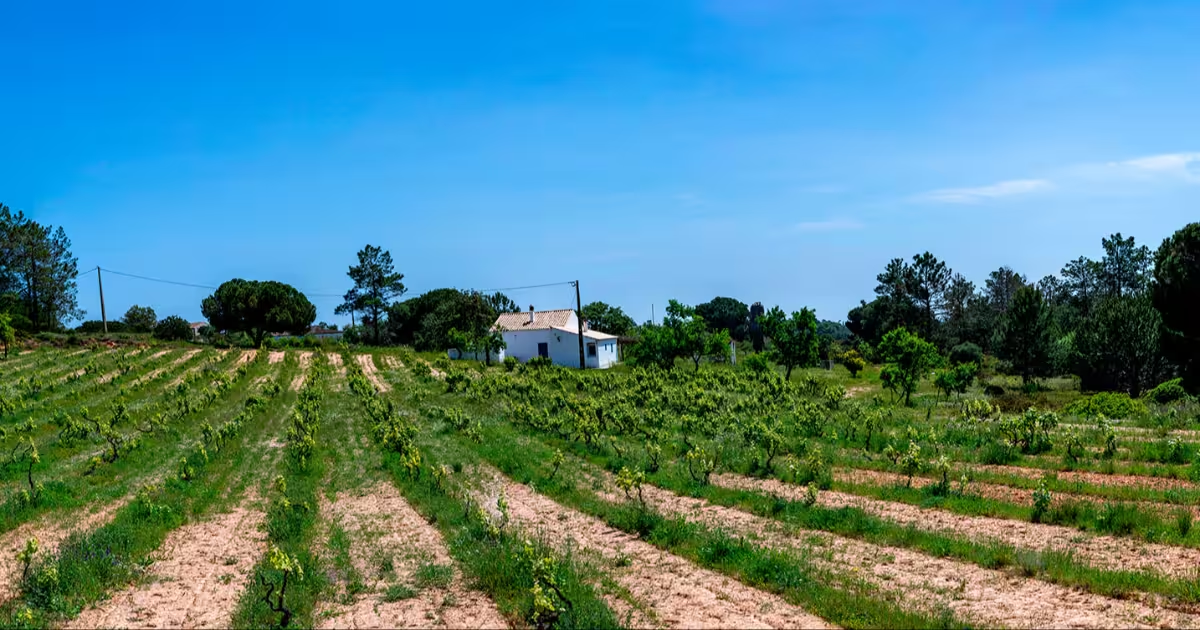
The Algarve has long been celebrated for its coastline, but a quieter, more nuanced story is unfolding inland. Between Silves and Tavira, family-run estates are producing wines shaped by Atlantic breezes, sandy clay soils, and centuries of Moorish agricultural legacy. Paired with the region's distinctive cuisine, from cataplana to Monchique black pork, these wines offer a genuinely local experience that goes well beyond the beach.
What makes Algarve wines distinct from the rest of Portugal?
The Algarve sits within the Denominação de Origem Controlada (DOC) Algarve, which is divided into four sub-regions: Lagos, Portimão, Lagoa, and Tavira. Each carries its own microclimate, but the unifying factor across all four is proximity to the Atlantic Ocean. Sea winds temper the intense southern heat, extending the growing season and preserving natural acidity in the grapes.
The soils shift from the sandy coastal strips near Portimão to the schist and clay-limestone terraces around Silves and the alluvial plains stretching toward Tavira. This geological variety produces wines with a textural range uncommon for a region better known for tourism than viticulture. Whites often carry a faint saline mineral edge, a direct expression of the ocean air that moves through the vines during the ripening months of August and September.
"The Algarve is producing wines with real identity now. The Atlantic influence gives the whites a freshness you don't find further inland, and the reds from Negra Mole have a subtlety that surprises people." — Regional wine educator, Lagoa
The indigenous grape variety Negra Mole remains the most emblematic of the Algarve. It is the only native variety with exclusive roots in this southernmost Portuguese region, producing light-to-medium-bodied reds with aromas of red cherry, dried herbs, and a soft tannic structure. Blended with Aragonez (the Algarve's name for Tempranillo) or Castelão, it forms the backbone of wines that reflect the terroir more faithfully than any imported variety.
Which Algarve wines pair best with local cuisine?
Matching Algarve wines to Algarve food is less a formula than a conversation between the land and the sea. The region's culinary heritage draws on Moorish influences introduced after the Arab conquest of 716 AD, a history still visible in the use of almonds, figs, coriander, and cumin across the local kitchen.
Crisp whites with Atlantic seafood: The Algarve coastline stretches approximately 155 kilometres, from Vila do Bispo in the west to Vila Real de Santo António on the Spanish border. That coastline supplies restaurants and home kitchens with sea bass, red mullet, clams, and the grilled sardines that define summer eating from Lagos to Tavira. A dry Algarve white, typically made from Arinto or Síria grapes, with its citrus-forward profile and mineral finish, is the natural companion. The wine's acidity cuts through the oils in the sardine skin without overwhelming the delicate flesh.
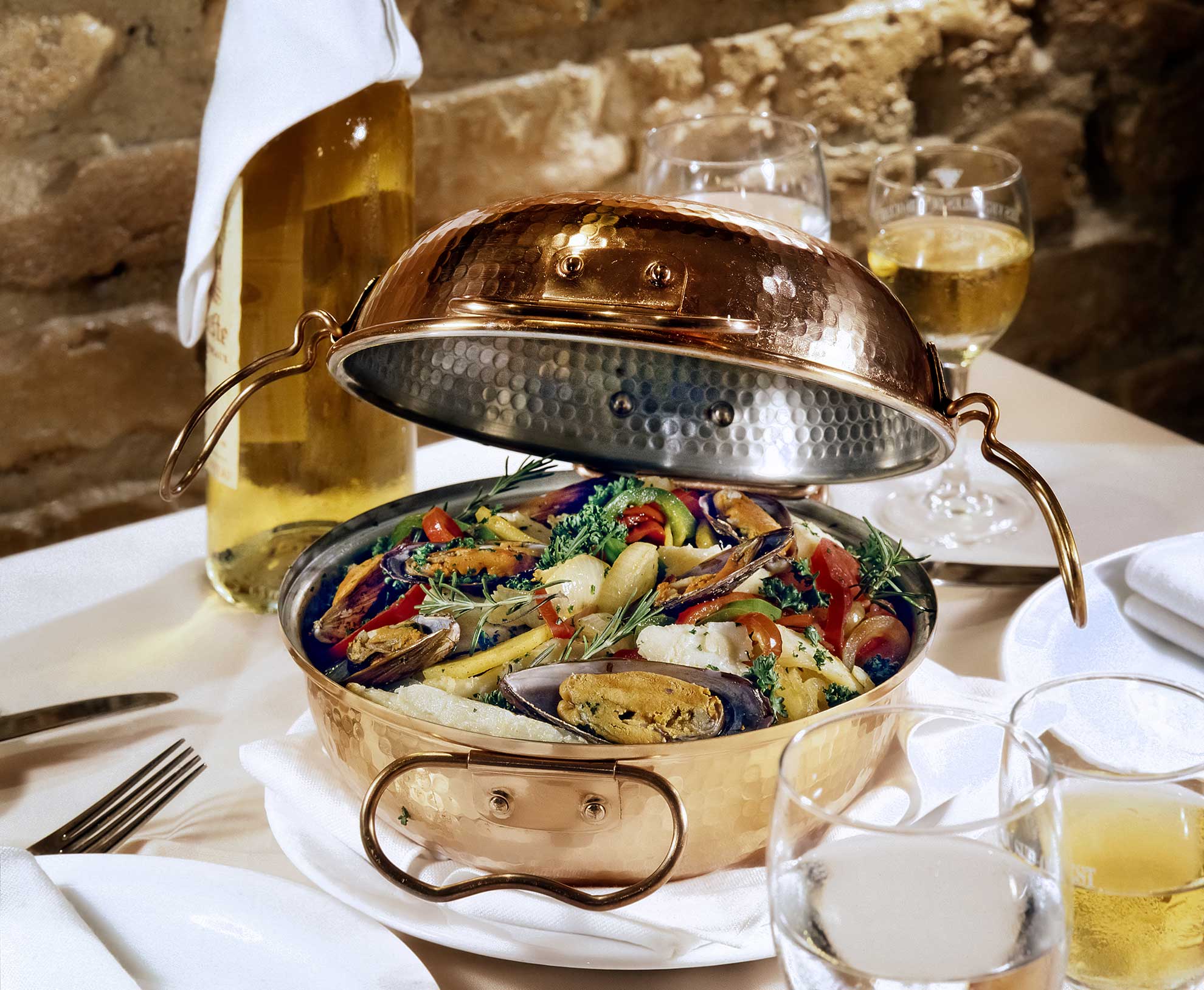
Rosés with cataplana and salads: The cataplana, a copper clam-shaped vessel that has been used in Moorish-influenced Algarve cooking since at least the 8th century, produces slow-cooked stews of clams, monkfish, or pork with vegetables and paprika. A structured Algarve rosé, with strawberry and watermelon notes and a dry, persistent finish, handles the dish's complexity without competing with its aromatics.
"The cataplana is a dish that asks a lot of its wine pairing. You need something with enough body to stand beside the paprika and enough freshness to lift the seafood. A good Algarve rosé does both." — Chef, Portimão
Full-bodied reds with Monchique black pork: The Serra de Monchique, rising to 902 metres above sea level at Fóia peak, is home to the black Iberian pig, known locally as porco preto de Monchique. Slow-roasted or prepared as carne de porco à alentejana, the meat carries a deep, nutty fat that calls for a wine with tannin and structure. Algarve reds built on Negra Mole and Aragonez, aged briefly in Portuguese oak, offer the grip and dark fruit necessary to hold the pairing together.
Late-harvest wines with almond and fig sweets: The Algarve produces a range of traditional confectionery rooted in Moorish pastry traditions: Dom Rodrigos (egg yolk and almond sweets wrapped in silver foil), morgados (fig and almond cakes), and bolo de figo (dried fig log rolled with almonds and fennel). A late-harvest white from overripe Arinto or Moscatel grapes, with honey, dried apricot, and toasted almond notes, extends the dessert experience rather than overwhelming it.
Where are the best vineyards and wine estates in the Algarve?
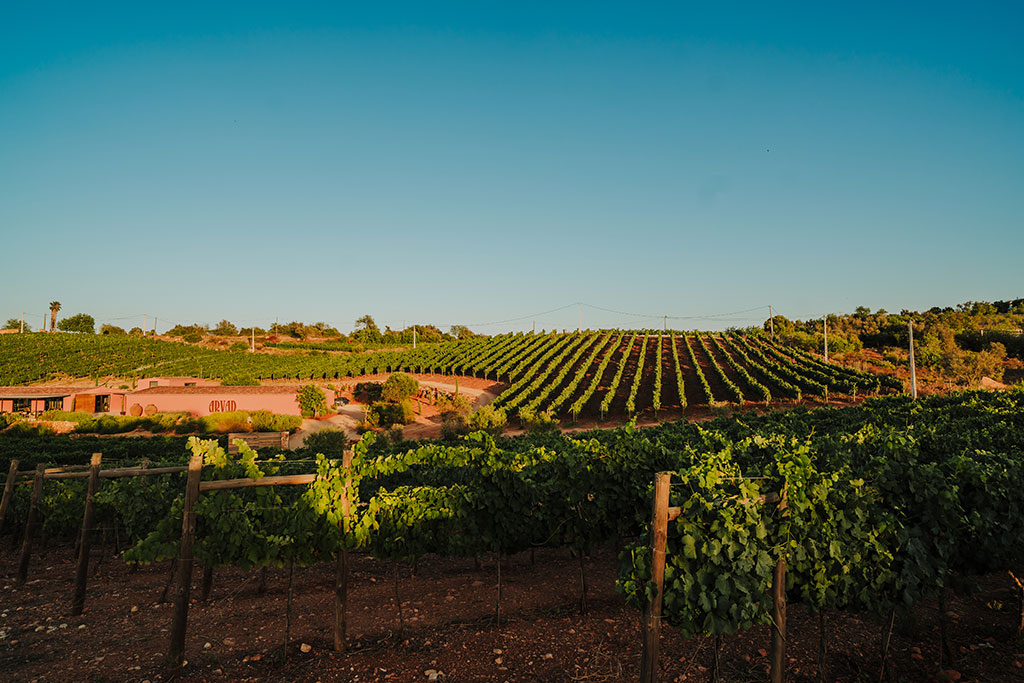
The Algarve's wine landscape is concentrated in a band running roughly east to west through the inland towns. Most estates lie between 10 and 40 kilometres from the coast, far enough to avoid salt spray damage to the vines but close enough to benefit from maritime cooling.
Around Silves, the historic Moorish capital conquered by Dom Sancho I in 1189, several estates operate in the red sandstone hills. The terrain here produces wines with a warm, earthy character. The town's 8th-century castle and cathedral sit above the Arade River valley, a useful orientation point when navigating the wine routes of the Portimão and Lagoa sub-regions.
The Lagoa sub-region, centred on the town of Lagoa roughly 7 kilometres north of Carvoeiro, is the most established wine-producing area in the Algarve. The Adega Cooperativa de Lagoa, founded in 1944, was among the first institutions to formalise winemaking standards in the south. Today, smaller family estates have expanded the range considerably, with some producing single-variety Negra Mole bottlings of notable character.
Toward the east, the Tavira sub-region benefits from a more continental climate influence, with warmer days and cooler nights that concentrate flavour in the grapes. Tavira itself, a Roman-era town with 37 churches and a well-preserved old quarter, sits 30 kilometres west of the Spanish border and makes a logical base for exploring eastern Algarve wine estates.
ToursXplorer curates a selection of guided vineyard visits and cellar tours across these sub-regions, designed to connect travellers with producers who would otherwise be difficult to locate independently. The range covers everything from private romantic dinners on estate grounds to full-day off-road adventures combining wine sampling with the Algarve's rugged interior landscapes.
Vineyard & Wine Tasting Tours in the Algarve
Ready to taste the Algarve from the inside out? Browse all vineyard tours and wine tasting experiences curated by ToursXplorer and book your place on a 2026 departure.
Click herePlanning your Algarve wine tasting visit: practical notes for 2026
The Algarve wine harvest typically runs from late August through mid-October, with the exact timing varying by sub-region and grape variety. Visiting during harvest offers the chance to see active pressing and fermentation at smaller estates, though many wineries require advance booking for cellar visits during this period. Spring visits, particularly April and May, offer cooler temperatures and green vine growth without the summer crowds concentrated along the coast.
Most vineyards in the Lagoa, Silves, and Tavira sub-regions are located within 30 to 45 minutes of Faro Airport by car, making them accessible even on shorter itineraries. The EN125 road runs roughly parallel to the coast and connects most wine-region towns, while the IC1 and A22 motorway provide faster access from Lagos in the west to Tavira in the east.
ToursXplorer's wine tasting tours in the Algarve operate year-round, with private formats available for groups of two upward and shared experiences for solo travellers or those who prefer a social tasting environment. All departures listed on the platform include transport from designated meeting points, removing the logistical complexity of visiting rural estates independently.
Visitors should note that the DOC Algarve designation covers wines produced entirely from grapes grown within the region. The separate Vinho Regional Algarve classification allows for a broader range of varieties and blending options, which is why some estates produce both DOC and regional-classification wines alongside each other. Understanding this distinction helps when reading estate wine lists during a cellar visit.
Frequently Asked Questions
The Lagoa sub-region, centred roughly 7 kilometres north of Carvoeiro, is the most established wine-producing area, home to estates with deep roots in the DOC Algarve designation. The Silves and Tavira sub-regions also offer quality cellar visits. ToursXplorer lists guided tours across all three areas, including private and group formats.
Crisp, mineral-driven whites made from Arinto or Síria grapes are the standard pairing for Atlantic seafood, including grilled sardines, sea bass, and clams. The natural acidity in these wines matches the fat in oily fish and complements the brine in shellfish. Look for DOC Algarve whites from the Lagoa or Tavira sub-regions.
Several wine estates operate within 20 to 40 kilometres of both Albufeira and Lagos, primarily in the Lagoa and Portimão sub-regions. ToursXplorer offers tours departing from meeting points accessible from both towns, including cellar visits, private vineyard dinners, and full-day off-road wine experiences that cover inland terrain between the coast and Monchique.
Negra Mole is the only grape variety native exclusively to the Algarve. It produces light-to-medium-bodied red wines with red cherry aromas, herbal notes, and soft tannins. Its character reflects the region's specific terroir more directly than blended varieties, making single-variety Negra Mole wines a useful reference point for understanding Algarve wine identity.
The harvest period from late August through mid-October allows visitors to observe active winemaking, though cellar visits require advance booking. Spring months, particularly April and May, offer mild temperatures and active vine growth with fewer tourists. Most wineries receive visitors year-round, and ToursXplorer runs wine tasting tours in all seasons.
Yes. Several tours listed on ToursXplorer include structured food and wine pairings, covering combinations such as Algarve whites with Atlantic seafood, rosés with cataplana, and Negra Mole reds with Monchique black pork. The Private Vineyard Tour with Wine and Food Pairings and the Private Romantic Vineyard Dinner are both designed around the food and wine pairing format specifically.