




Cozido das Furnas: A Guide to the Famous Azores Stew Cooked by a Volcano
How a volcanic island turned geothermal heat into one of Portugal's most distinctive culinary rituals, seven hours underground at a time.
In the parish of Furnas on São Miguel Island, lunch is not cooked on a stovetop. Since at least the 19th century, locals have lowered sealed pots of layered meat and root vegetables into buracos dug into the geothermally heated volcanic soil beside Lagoa das Furnas, leaving subterranean heat to do what no chef's flame can replicate. The result is Cozido das Furnas, a slow-braised stew unlike anything else in Portuguese cuisine.
What exactly is Cozido das Furnas and where does it come from?
Cozido das Furnas is a regional variant of cozido à portuguesa, the traditional Portuguese boiled meat and vegetable stew. What separates the Furnas version from every other is the heat source: volcanic hydrothermal energy. The Furnas caldera sits within a broader volcanic system on São Miguel, the largest of the nine Azores islands, located roughly 1,500 kilometres west of mainland Portugal in the mid-Atlantic Ocean.
The area around Lagoa das Furnas, a crater lake approximately 3 kilometres in circumference, is studded with active fumaroles and boiling mud pools known locally as caldeiras. Ground temperatures in designated cooking zones along the lake's southern shore consistently reach between 95°C and 100°C at shallow depths, hot enough to fully cook a dense pot of meat and root vegetables over six to seven hours.
"The earth here does not just shape the landscape. It sets the table. Every pot buried beside the lake is a negotiation between the cook and the tectonic forces beneath São Miguel."
The practice of using this geothermal energy for cooking is documented at least as far back as the mid-1800s, when Furnas was already a destination for European travellers seeking its thermal spa waters. Over time, the technique became codified into what is now one of the most recognisable culinary traditions in the Azores.
How is the volcano stew actually made? The science of geothermal cooking
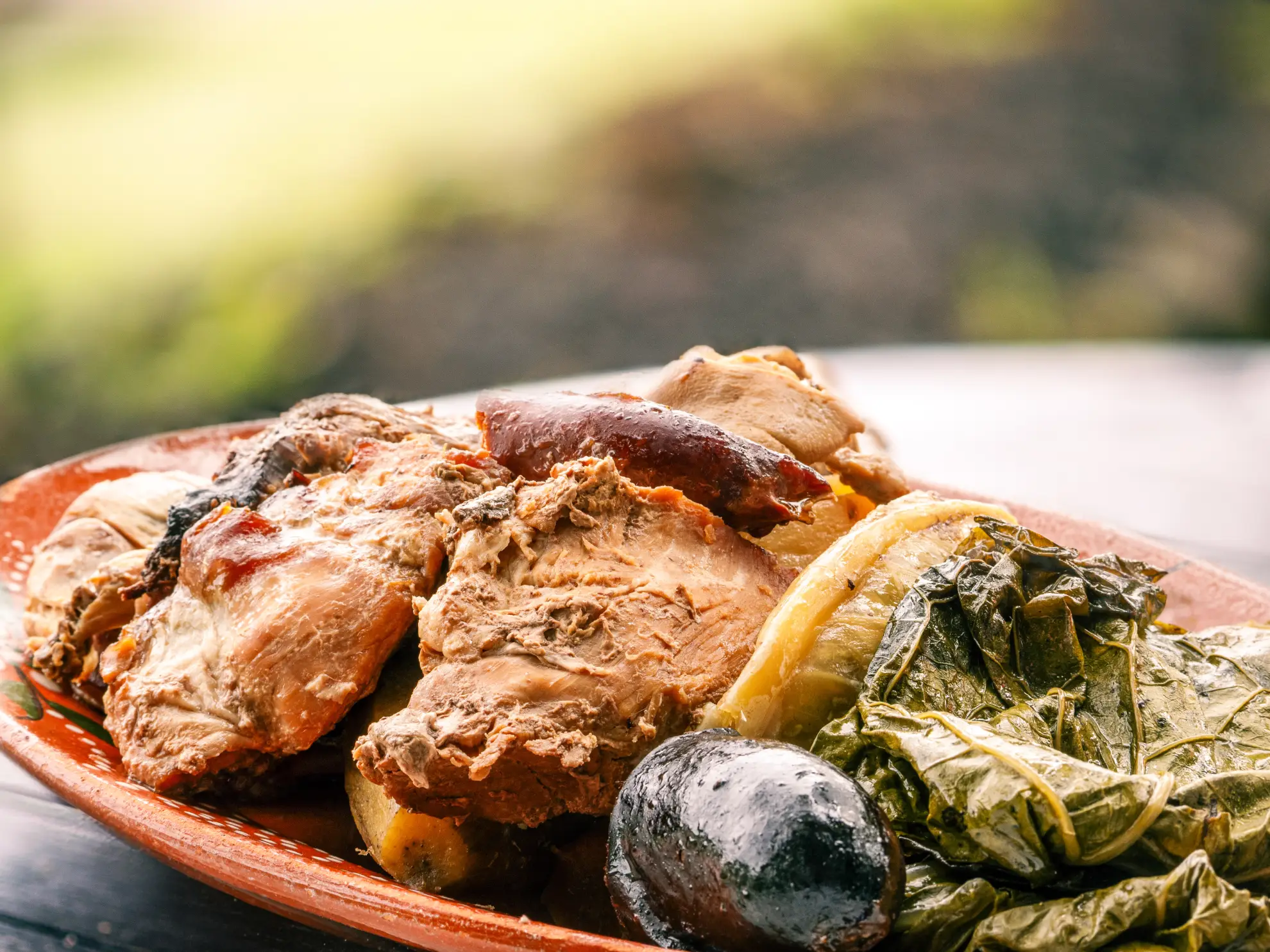
Preparation begins the evening before service. Cooks layer the ingredients into large aluminium or stainless-steel pots in a specific sequence that ensures even cooking. At the base go the denser items: cuts of beef such as carne de vaca and pork ribs, followed by a whole chicken. Above the meats come the local Azorean sausages, specifically morcela (blood sausage) and chouriço, both produced on São Miguel. The upper layers hold the vegetables: white cabbage, kale, carrots, turnips, and critically, the Azorean sweet potatoes and yams that absorb the fatty braising liquid and take on a silky, almost unctuous texture after hours underground.
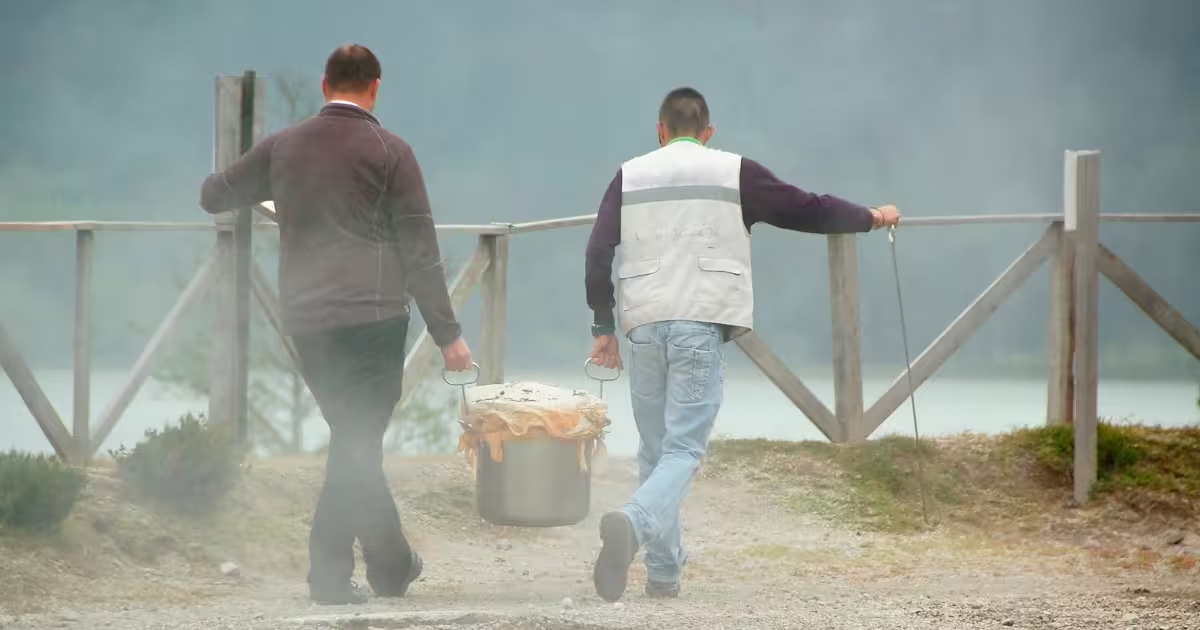
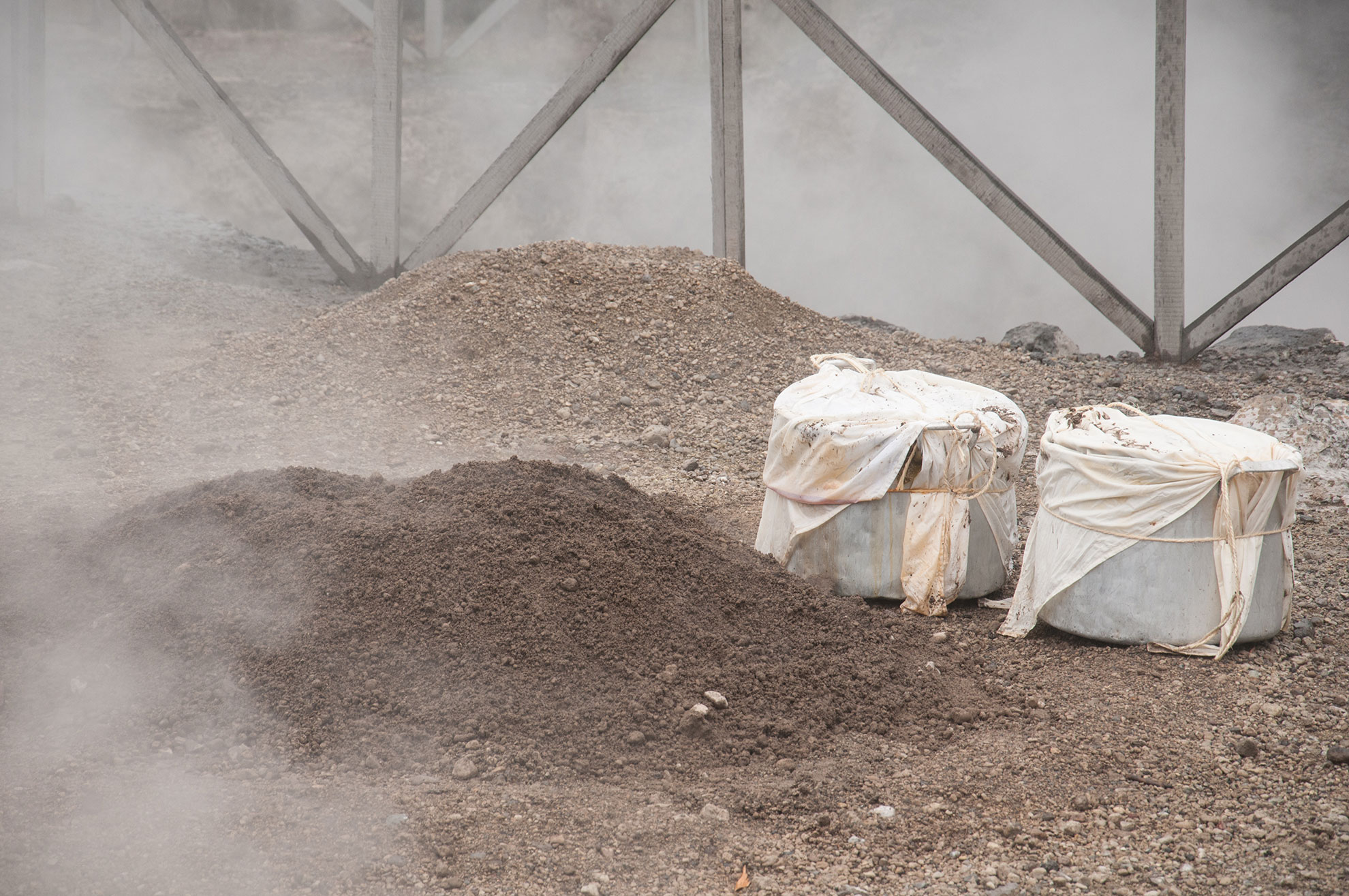
The sealed pots are carried to the buracos, purpose-dug holes ranging from roughly 60 to 90 centimetres in depth, at approximately 5:00 AM or 6:00 AM. Workers lower the pots using rope or metal hooks, then cover the holes with soil and sometimes wooden boards. The volcanic earth conducts steady, moist heat around the sealed vessel, creating conditions close to a pressure-assisted steam environment. No external fuel is used. No human intervention occurs during the cooking window.
After six to seven hours, the proteins in the meat have fully broken down. Collagen converts to gelatin, producing a rich, self-basting cooking liquid that is part broth, part jus. The fat from the morcela and pork disperses through the pot, coating every vegetable layer.
"What you smell when the lid finally comes off is not quite sulfur and not quite a conventional braise. It is both simultaneously, an earthy mineral note threaded through intensely savory steam that rises for a full thirty seconds before settling."
That faint sulfurous undertone, present in most accounts from diners who eat the stew at restaurants within walking distance of the lake, comes from dissolved volcanic gases absorbed into the cooking environment. It is subtle rather than overpowering, and it is precisely what makes Cozido das Furnas irreproducible anywhere else on earth.
When and where should you watch the pots being unearthed?
The ritual uncovering of the pots, known locally as the levantamento, is one of the more theatrical culinary events in the Azores and represents a genuine reason to time a visit to Furnas around midday. Restaurant staff and cooks begin pulling the pots from the ground at approximately 12:00 PM on any given service day, typically Tuesday through Sunday at most establishments, though schedules vary by restaurant.
The designated cooking area sits along the southern shore of Lagoa das Furnas, roughly 2 kilometres from the centre of Furnas village. Access is straightforward on foot or by vehicle via the ER2-2 road. Visitors are generally free to observe from a respectful distance, and the combination of volcanic steam rising from freshly uncovered holes, the weight of the pots, and the immediate dispersal of aroma across the lakeside makes the levantamento worth arriving ten minutes early to position well.
The pots, still sealed and radiating heat, are then loaded onto vehicles and transported directly to the restaurants in Furnas village, roughly a five-minute drive. Service typically begins by 12:30 PM. Given the finite number of portions available each day and the steady popularity of Cozido das Furnas with both international travellers and Azorean visitors from other islands, reservations are strongly recommended, particularly between June and September when São Miguel receives its peak visitor numbers.
Where are the best restaurants to eat Cozido das Furnas in the village?
Several restaurants in Furnas village have served geothermal stew for decades. The most internationally cited is Tony's Restaurant, a family-run establishment on Rua do Caldeiras that has been associated with Cozido das Furnas since the 1970s. Portions are generous, prices are moderate by Azorean restaurant standards, and the dining room fills early on busy days.
The Terra Nostra Garden Hotel, set within the historic Parque Terra Nostra established in 1780 along the Ribeira Quente river valley, serves the stew in a more formal setting. The hotel's restaurant draws visitors who combine the meal with a soak in the hotel's iron-rich thermal pool, one of the largest outdoor thermal pools in the Azores at approximately 1,200 square metres.
Beyond these two landmarks, several smaller family-run tascos along Rua Direita in Furnas village offer the stew at competitive prices with seating that fills through word of mouth. These establishments rarely appear in international travel guides but are well known to residents of Ponta Delgada, São Miguel's capital city located approximately 38 kilometres to the west.
Visitors using ToursXplorer to book guided day tours to Furnas will often find that lunch at a local restaurant serving Cozido das Furnas is incorporated into the itinerary, removing the logistical challenge of reservations during high season.
What else is worth seeing in Furnas beyond the stew?
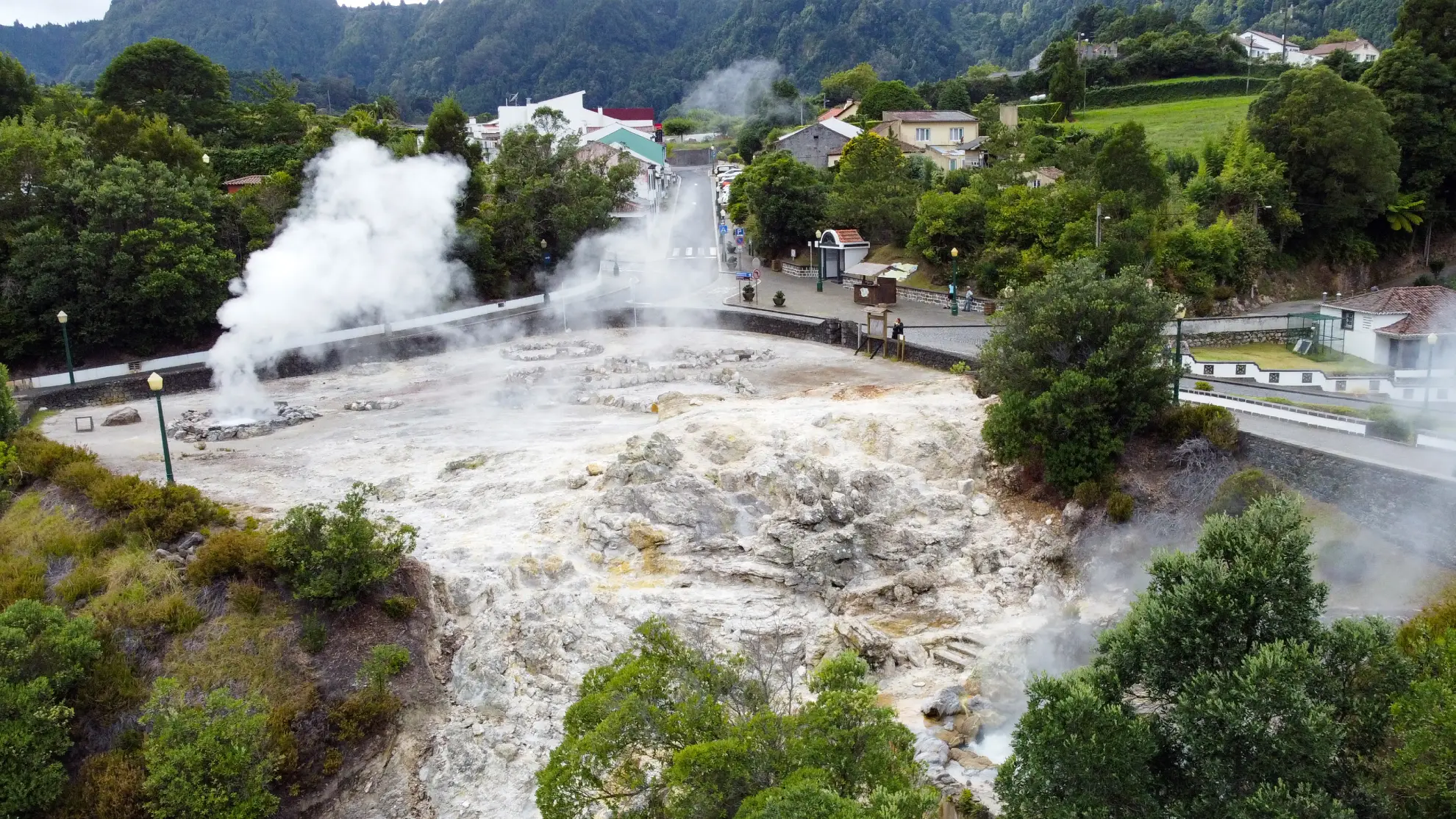
The caldeiras in the centre of Furnas village, a cluster of active boiling mud pools and fumaroles straddling the banks of the Ribeira da Ferraria stream, are a ten-minute walk from most restaurants. Local vendors and market stalls use the natural hot springs to boil corn on the cob (milho cozido) directly in the geothermal water, a practice that draws its own small audience throughout the day. The main caldeira area is free to enter and accessible year-round.
Parque Terra Nostra, established in the late 18th century under American consul Thomas Hickling, contains one of the most significant botanical collections in the Atlantic, including over 2,000 plant species gathered across centuries of Azorean horticultural history. The park spans approximately 12 hectares and includes tree fern specimens (Dicksonia antarctica) that reach several metres in height, a distinctive feature of Azorean laurisilva forest environments.
Lagoa das Furnas itself, framing the cooking sites and surrounded by cryptomeria cedar forest (Cryptomeria japonica), offers a 9-kilometre perimeter walking trail with viewpoints over the caldera and access to lakeside birdwatching areas where common moorhen (Gallinula chloropus) and coot (Fulica atra) are regularly observed. The lake sits at an elevation of approximately 283 metres above sea level.
ToursXplorer lists several itineraries that combine the Furnas gastronomy experience with visits to Sete Cidades, the twin-lake volcanic crater on the western end of São Miguel approximately 55 kilometres from Furnas, allowing visitors to compress two of the island's signature landscapes into a single day.
Guided Tours to Furnas and the Cozido das Furnas Experience
Ready to watch the pots come out of the ground? Book a guided Furnas tour through ToursXplorer and secure your lunch reservation before high season fills up.
Click hereIs Cozido das Furnas safe to eat? And is the sulfur taste really noticeable?
These are two of the most common questions fielded by tour operators working in Furnas, and both have straightforward answers. The stew is entirely safe to eat. The volcanic soil used for the buracos does not introduce harmful chemical compounds into sealed metal pots at the concentrations involved in slow cooking. The practice has been in continuous use for well over a century with no documented food safety issues attributed to the cooking method itself.
As for the sulfurous undertone: it exists, but it is mild. Most diners describe it as a faint mineral quality in the broth rather than a pronounced flavor. The dominant taste profile is rich and savory, driven by collagen-heavy cuts of pork and beef, the fat from the sausages, and the sweetness of the yams. The sulfur note is more noticeable when eating within Furnas village itself, close to the active caldeiras, than it would be in a restaurant further from the geothermal zone. This is partly atmospheric, as the ambient scent of the village influences perception, rather than purely a property of the food itself.
Visitors with dietary restrictions should note that Cozido das Furnas is not easily adapted for vegetarian or vegan diets, as the dish is fundamentally defined by its multiple meat and sausage layers. Some restaurants in Furnas do offer alternative main courses, but the geothermal stew itself has no established vegetarian variant in the traditional repertoire.
Planning your visit: practical information for 2026
Furnas is located in the eastern interior of São Miguel, accessible from Ponta Delgada via the EN1-1A highway east and then the ER2-2 inland road, a drive of approximately 45 to 55 minutes depending on traffic and route chosen. Parking is available near the village centre and at designated viewpoints around Lagoa das Furnas.
The best months to visit for a combination of stable weather and full restaurant service are May through October, with July and August being the busiest. Outside peak season, some smaller restaurants in Furnas may reduce service days, so confirming availability before arrival is advisable. The levantamento at the lake occurs on days when restaurants are open for service, generally Tuesday through Sunday.
Travellers booking through ToursXplorer have the advantage of pre-confirmed lunch arrangements as part of guided itineraries, which removes the uncertainty of walk-in availability during peak months. The platform lists tours departing from Ponta Delgada, from cruise terminals, and from various hotels across São Miguel, covering both half-day and full-day formats to suit different schedules.
Entry to the caldeiras in the village is free. Parque Terra Nostra charges an entrance fee of approximately 8 euros for adults as of 2025, with reductions for children and seniors. The thermal pool within the park is included in the admission price. Visitors are advised to bring older swimwear, as the iron-rich water stains fabric a reddish-brown colour permanently.
Frequently Asked Questions
Sealed pots containing layered meat, sausages, and root vegetables are lowered into buracos, holes dug into the geothermally heated volcanic soil along the southern shore of Lagoa das Furnas. Ground temperatures in the cooking zone reach approximately 95°C to 100°C. The pots remain underground for six to seven hours, typically from around 5:00 or 6:00 AM until midday, when they are uncovered and transported to village restaurants for service.
Tony's Restaurant on Rua do Caldeiras in Furnas village is one of the longest-established options, operating since the 1970s. The Terra Nostra Garden Hotel restaurant offers the stew in a more formal setting within the historic Parque Terra Nostra. Several smaller family-run tascos on Rua Direita in Furnas also serve the dish. Reservations are strongly recommended between June and September when demand consistently exceeds daily portions available.
The levantamento, the uncovering of the pots, begins at approximately 12:00 PM at the cooking site on the southern shore of Lagoa das Furnas. Arriving by 11:45 AM allows time to position well before the extraction begins. The cooking area is roughly 2 kilometres from Furnas village centre via the ER2-2 road and is accessible by vehicle or on foot. Restaurant service from the unearthed pots typically begins by 12:30 PM.
The stew has a subtle mineral and slightly earthy undertone that distinguishes it from conventional braised meat dishes, but it is not strongly sulfurous. The dominant flavors are rich, savory, and collagen-heavy, driven by pork, beef, chicken, morcela, and chouriço cooked together with Azorean sweet potatoes and yams. The sulfurous ambient environment of Furnas village may heighten the perception of this undertone more than the food itself delivers.
Yes. The cooking pots are fully sealed before being lowered into the volcanic earth, and no harmful compounds enter the food at the concentrations produced by this geothermal environment. The practice has been in continuous documented use since at least the mid-1800s with no food safety incidents attributed to the cooking method. Health authorities in Portugal and the Azores have not flagged geothermal cooking at Furnas as a food safety concern.
Yes. Ponta Delgada, São Miguel's capital, is approximately 38 kilometres west of Furnas, a drive of roughly 45 to 55 minutes via the EN1-1A and ER2-2 roads. Day trips are the most common way to visit, and guided tours departing from Ponta Delgada typically combine the caldeiras, the levantamento at Lagoa das Furnas, lunch at a local restaurant, and Parque Terra Nostra within a single full-day itinerary. Shore excursions from the Ponta Delgada cruise terminal are also available.