Most visitors to the Algarve spend their days between the beach and the restaurant. That is understandable. But somewhere between the limestone cliffs and the seafood menus, there is another Portugal waiting to be discovered: a Portugal of ancient forests, centuries-old craftsmanship, and a natural material so remarkable that the World Wildlife Fund called its harvest "one of the finest examples of traditional, sustainable land use." That material is cork. And the Algarve is one of the best places in the world to understand it.
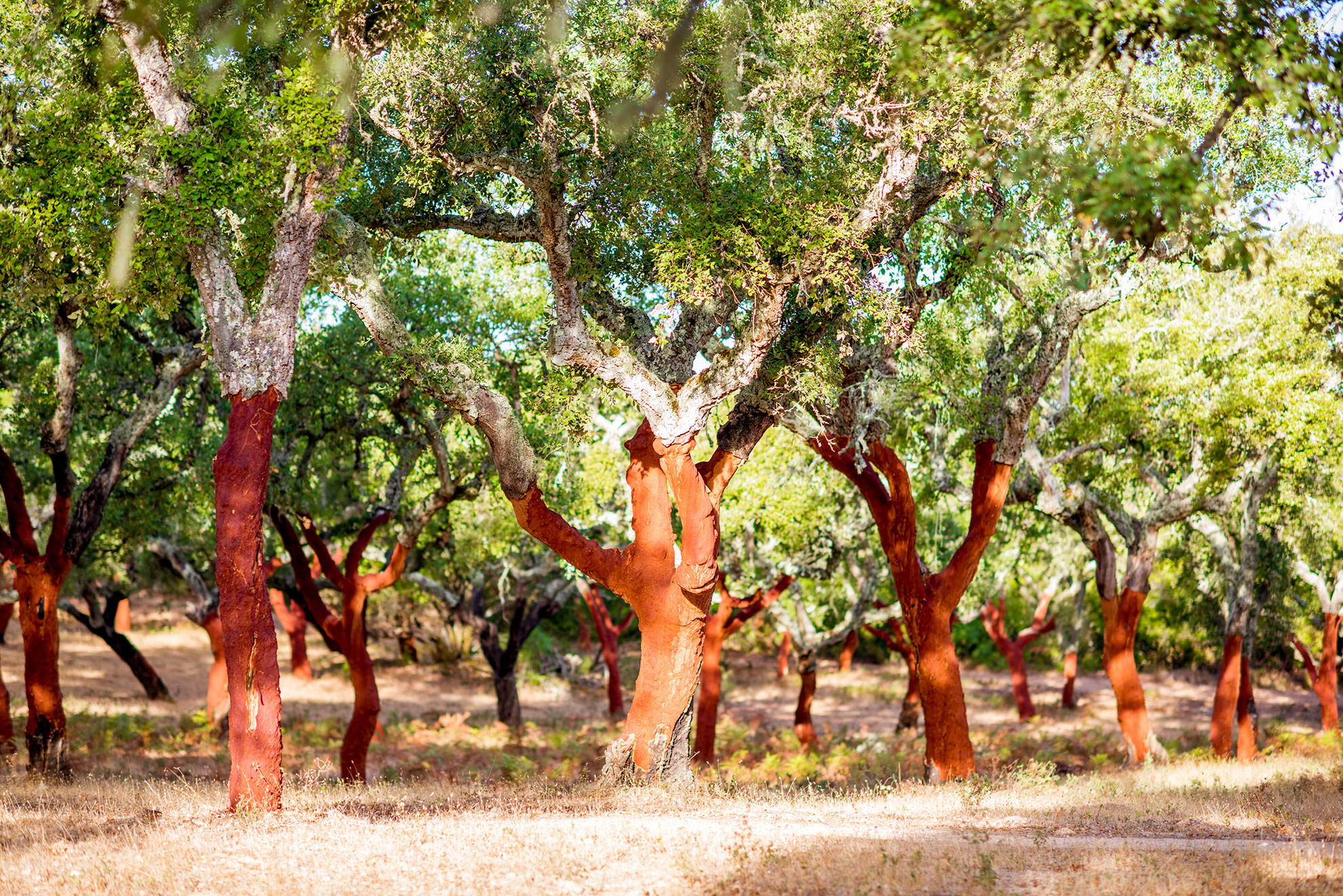
The story of cork begins with a tree. The cork oak, known in Portuguese as the sobreiro, is a medium-sized evergreen that thrives across southern and central Portugal. Cork oak fossil remnants over 10 million years old have been found in Portugal, native and perfectly adapted to the soil, water, and geography of the country.
In 2011 it was unanimously declared by the Portuguese Parliament Portugal's National Tree. That is not a symbolic gesture. It reflects a relationship between a country and a species that runs deeper than most people realise.
Portugal is the world's leading producer and exporter of cork, home to the largest area of cork oak forest in the world, covering over 1.8 million acres. That represents over one-third of the world's total cork woodlands. Portugal exports around 65% of the world's cork.
You will find cork forests in most parts of the country but especially in the Algarve and the Alentejo plains. Drive inland from the coast and you will see them: open groves of ancient, gnarled trees with bark the colour of rust, their trunks marked with painted numbers that record the year of their last harvest.
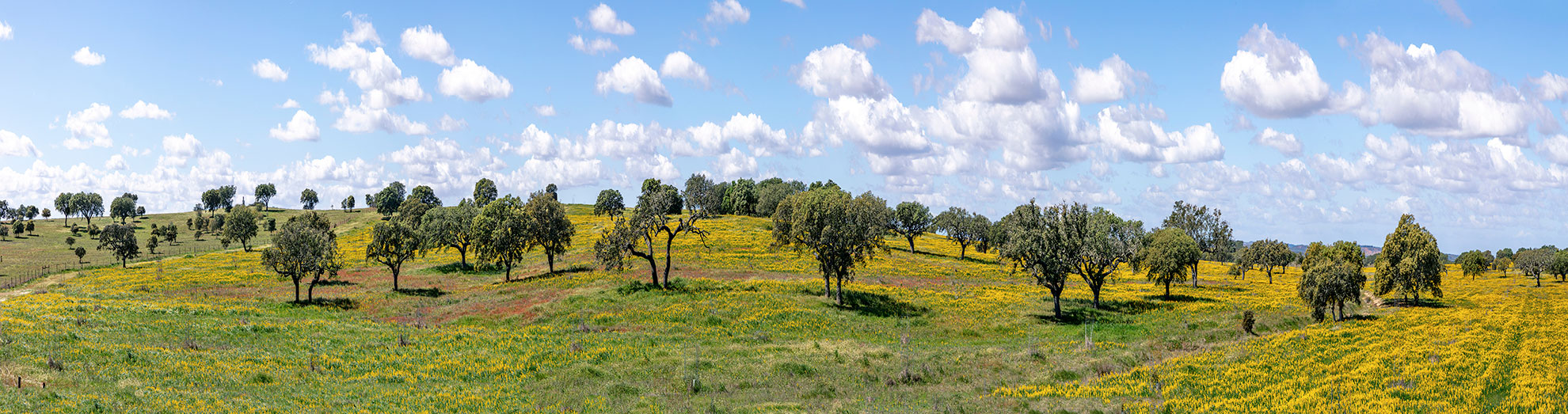
The cork oak does not grow alone. It anchors an entire ecosystem known as the montado, a word that describes the distinctive open woodland landscape of southern Portugal.
Cork forests rank among the most biodiverse areas in the Mediterranean and Europe. The montado is not exclusively agricultural, forestry, or pastoral. It is a permaculture landscape developed over millennia for stability in harsh conditions, combining forestry, agricultural, and herding practices.
The montado contributes to the preservation of biodiversity and the survival of many species of native fauna, some in danger of extinction. Its importance is equally noticeable in fixing CO2, regulating the hydrological cycle, and preventing environmental and social desertification.
Every year, cork oak forests retain 14 million tons of CO2. During the self-regeneration process after stripping, the tree's CO2 absorption capacity increases fivefold. The montado is not simply a forest. It is one of the most effective natural climate tools on the planet.
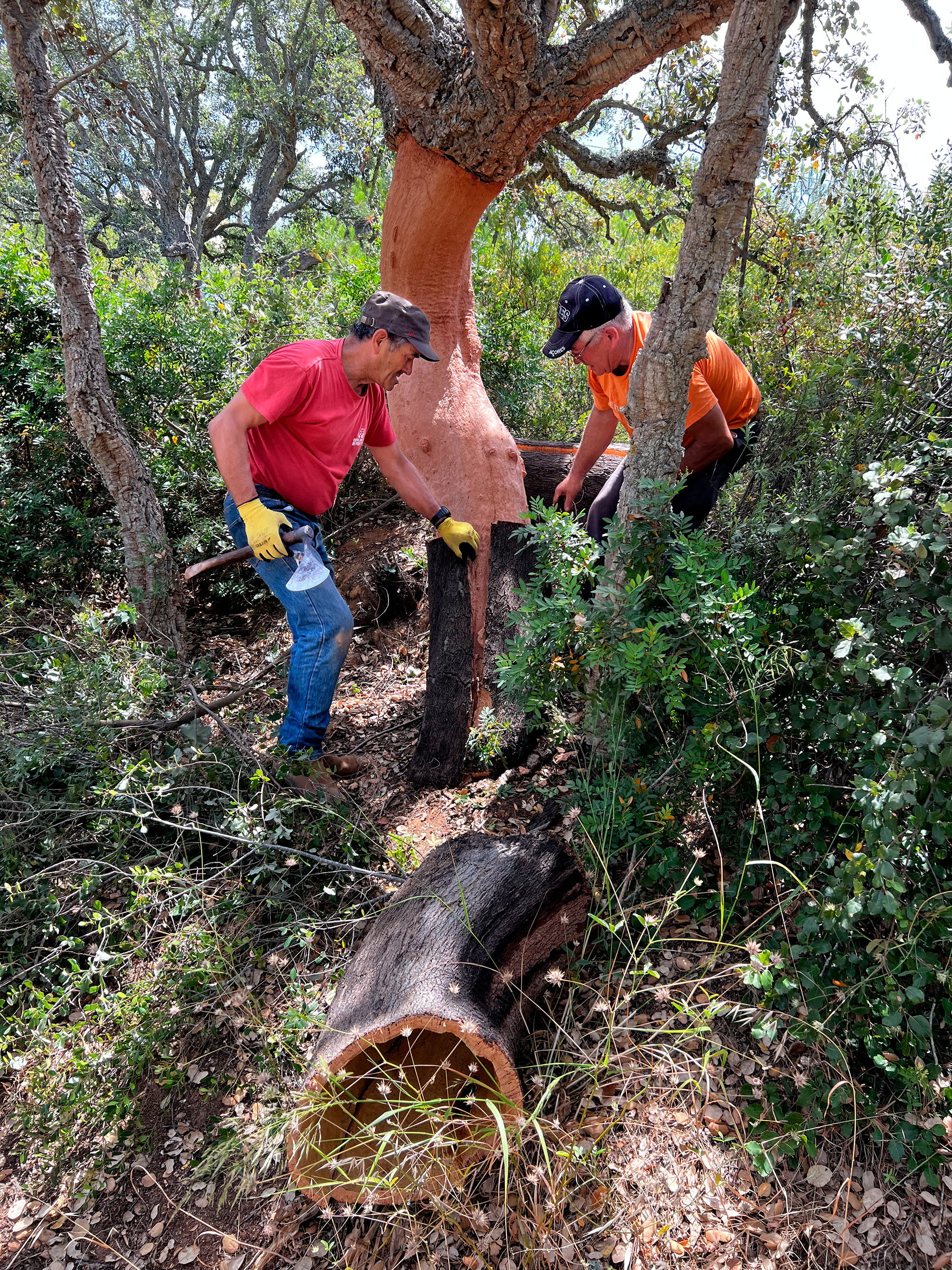
What makes cork extraordinary as a material is how it is obtained. The outer bark of the tree is meticulously removed by skilled workers using specialised tools. The process is entirely harmless to the tree, as the bark grows back over time, ready for future harvests. Harvesting actually helps the trees grow, and is only done after the tree is about 30 years old.
The bark is harvested every 9 years throughout a tree's lifetime, with no need to cut down or damage the trees. The number painted on a tree trunk indicates the year it was last harvested. A cork oak can live for over 200 years, which means a single tree may be stripped up to 17 times over its lifetime.
The stripping process is one of the highest paid agricultural activities in the world, and is both a unique cultural legacy passed down from generation to generation and a strategic economic activity for this region.
The skilled workers who carry out the harvest are known as tiradores. They strip the bark with precision, always by hand. Watching a tirador work is one of those experiences that stays with you: the careful axe strikes, the clean separation of bark from wood, the almost surgical precision of a process unchanged for centuries.
Cork's oldest and most traditional use is as a natural sealant, namely as a stopper for quality wine bottles. Recently cork has also become a valued component for building materials and a number of other industries, from clothing to aerospace and health, for properties such as thermal and acoustic insulation.
The first and second harvests produce cork that is not good enough for bottle stoppers. That material is ground up and used to make several different products, from fashion items to building materials or fishing products, so there is no waste.
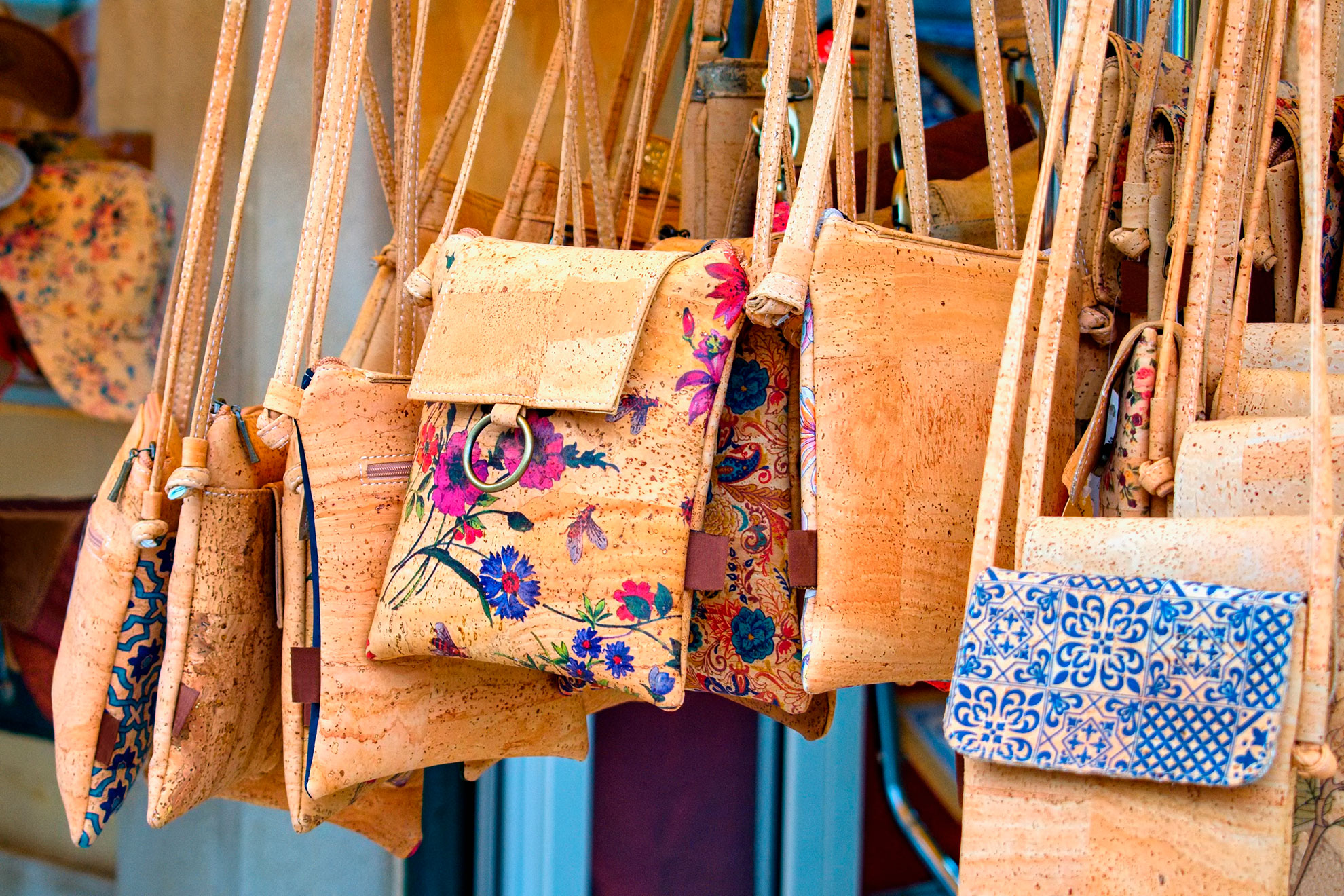
Portugal's top designers now create cork handbags, homewares, and shoes, used by labels across Europe, as well as architectural elements like soundproof walls, ceilings, and sustainable insulation. Cork has become a symbol of eco-luxury, a material that combines ancient tradition with contemporary design.
Portugal currently has about 670 companies working in the cork industry, producing an average of 40 million cork stoppers per day. These companies employ about 8,300 workers, with thousands more jobs in forestry exploration and other related employment.
Reading about cork is one thing. Standing inside a working factory, watching raw bark transform into finished objects, is something else entirely.
Guided cork experiences typically include visits to artisan workshops where cork is shaped into design objects and fashion, optional wine tastings and regional meals, and the opportunity to take home a custom cork item.
For a glimpse into the history of cork production and the lives of the families involved, from owners to workers, the Algarvian town of São Brás de Alportel has a whole area of its Costume Museum devoted to the history of cork production. It is a valuable complement to any factory visit, giving the industrial process its full human context.
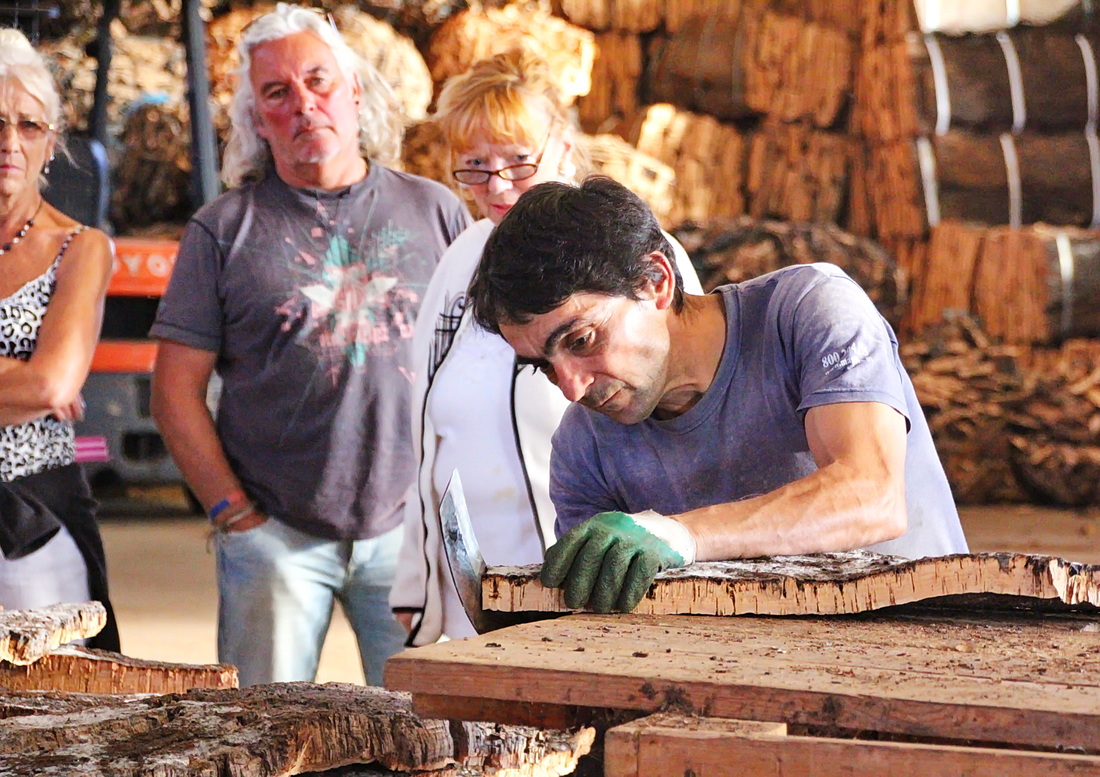
These experiences offer a perfect balance of nature, culture, and learning, ideal for travellers seeking a deeper connection with the landscape. Whether you are curious about cork, passionate about sustainability, or simply looking for a meaningful outdoor experience, a cork visit provides an authentic sense of place that a beach day cannot.
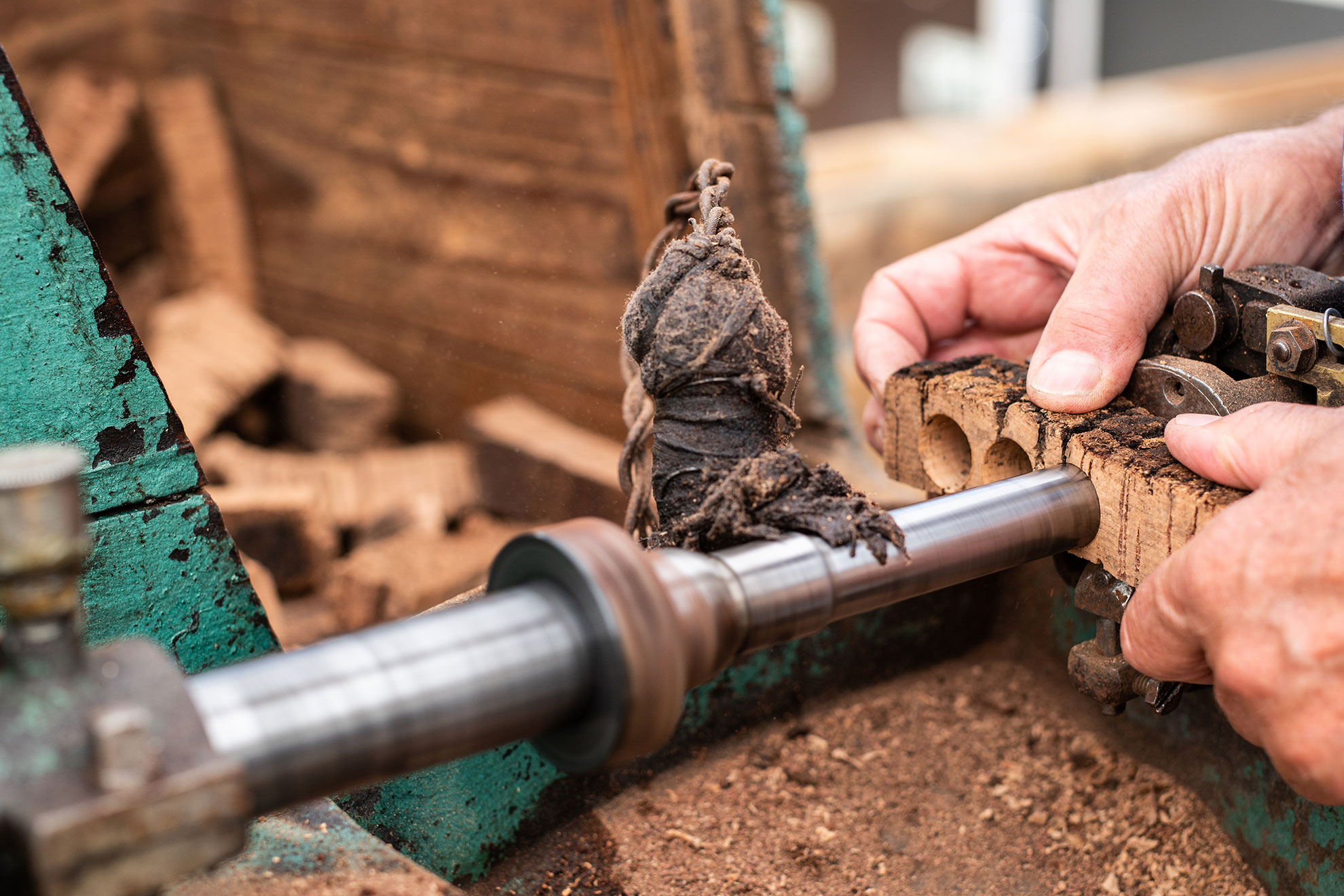
The Algarve is famous for its coastline. But its inland hills, covered in ancient cork oak groves, tell a story that goes back much further than any resort hotel. A morning in a cork factory is not a diversion from your holiday. It is the part of your holiday you will remember most clearly when you get home.
Curious about cork and sustainable tourism in the Algarve? Browse our guided experiences that take you beyond the beach and into the living landscape of southern Portugal.